Contenido relacionado
Proceso Digital: Asesinan abogada que fue candidata a diputada en primarias del Partido Nacional

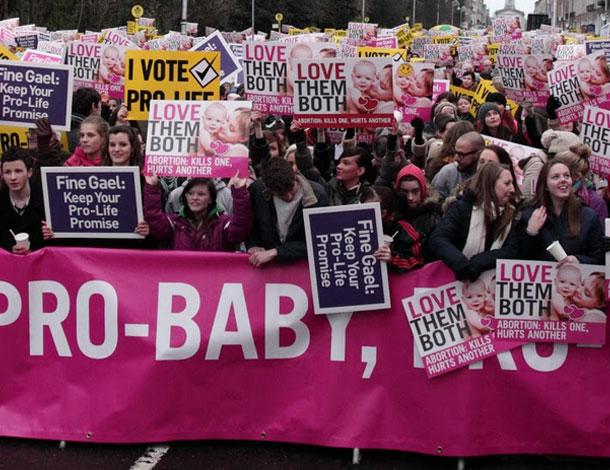
Over the past few years, a troubling new trend at the international human rights level is being observed, where discourses on ‘protecting the family’ are being employed to defend violations committed against family members, to bolster and justify impunity, and to restrict equal rights within and to family life.
The campaign to "Protect the Family" is driven by ultra-conservative efforts to impose "traditional" and patriarchal interpretations of the family, and to move rights out of the hands of family members and into the institution of ‘the family’.
Since 2014, a group of states have been operating as a bloc in human rights spaces under the name “Group of Friends of the Family”, and resolutions on “Protection of the Family” have been successfully passed every year since 2014.
This agenda has spread beyond the Human Rights Council. We have seen regressive language on “the family” being introduced at the Commission on the Status of Women, and attempts made to introduce it in negotiations on the Sustainable Development Goals.
AWID works with partners and allies to jointly resist “Protection of the Family” and other regressive agendas, and to uphold the universality of human rights.
In response to the increased influence of regressive actors in human rights spaces, AWID joined allies to form the Observatory on the Universality of Rights (OURs). OURs is a collaborative project that monitors, analyzes, and shares information on anti-rights initiatives like “Protection of the Family”.
Rights at Risk, the first OURs report, charts a map of the actors making up the global anti-rights lobby, identifies their key discourses and strategies, and the effect they are having on our human rights.
The report outlines “Protection of the Family” as an agenda that has fostered collaboration across a broad range of regressive actors at the UN. It describes it as: “a strategic framework that houses “multiple patriarchal and anti-rights positions, where the framework, in turn, aims to justify and institutionalize these positions.”
نعم! نحن نستكشف حاليًا تقنيات مبتكرة للسماح بالاتصال والمشاركة الهادفين.
Syndicat Réseau Solidarité
Contenido relacionado
Proceso Digital: Asesinan abogada que fue candidata a diputada en primarias del Partido Nacional
A pesar de su rigidez en cuestiones doctrinales y de cosmovisión, lxs actores anti-derechos han demostrado una apertura a nuevos tipos de alianzas estratégicas, nuevas técnicas de organización y nuevas formas de discurso. Todo esto les ha permitir detentar mayor poder en los espacios internacionales.
Se ha observado una notable evolución en las estrategias de lxs actores ultra conservadores que operan a este nivel. No solo intentan manipular los límites de los consensos y bloquear cierto lenguaje, sino también transformar el marco conceptual, desarrollar normas y estándares alternativos y encontrar otras vías de influencia.
Lxs actores ultra conservadores trabajan para establecer y mantener vínculos con representantes de los Estados ofreciéndoles oportunidades regulares de capacitación — como el Foro Mundial de Políticas sobre la Familia que es anual — y materiales de capacitación específicos.
Estas capacitaciones y la provisión de recursos en forma periódica les aportan discursos y técnicas de negociación a lxs representantes para que continúen colaborando en pro de los objetivos anti-derechos en el sistema de derechos humanos. Lxs representantes también reciben compilaciones organizadas de «lenguaje consensuado» y referencias a información pseudo-científica o estadística para reforzar sus argumentos.
La transmisión consolidada de estos mensajes explica en parte por qué lxs representantes de los Estados que adoptan posiciones ultra conservadoras en los debates internacionales sobre derechos humanos a menudo lo hacen contradiciendo su propia legislación y políticas nacionales.
La red de reuniones virtuales regionales e internacionales de lxs actores anti-derechos contribuye a crear vínculos más estrechos entre las OSC ultra conservadoras, los Estados y bloques de Estados, y poderosos órganos intergubernamentales. El Congreso Mundial de las Familias que se realiza todos los años es uno de los principales ejemplos de esta estrategia.
Estas reuniones refuerzan los vínculos personales y las alianzas estratégicas, elementos centrales para construir y sostener cualquier movimiento. También facilitan la creación dinámica de relaciones que van más allá de los países o las religiones y se articulan en torno a temáticas e intereses compartidos, lo que conduce a un enfoque más proactivo para formular demandas integrales en la esfera política internacional por parte de lxs actores anti-derechos.
Históricamente, los Estados y los bloques estatales han tratado de socavar el consenso internacional o la rendición de cuentas por parte de cada país frente a las normas internacionales de derechos humanos interponiendo reservas a los acuerdos que ponen en peligro la aplicabilidad universal de los derechos humanos.
La Convención sobre la Eliminación de la Discriminación contra las Mujeres (CEDAW) es la que ha sido objeto del número más alto de reservas, muchas de las cuales se fundamentan en presuntos conflictos con la ley religiosa. Sin embargo, la CEDAW está fuera de discusión como parte del derecho internacional de los derechos humanos, y las referencias a la tradición, cultura o religión no pueden justificar violaciones de los derechos humanos. Muchas reservas a la CEDAW son inválidas porque son «incompatibles con el objeto y el propósito» de este tratado. Sin embargo, los Estados invocan continuamente estas reservas para eludir sus responsabilidades en materia de derechos humanos.
También se están introduciendo cada vez más «reservas» a documentos y acuerdos de Naciones Unidas que no son tratados formales, como las resoluciones del Consejo de Derechos Humanos y de la Asamblea General.
Resulta alarmante observar cómo actores regresivxs que operan en la ONU han comenzado a cooptar estándares de derechos existentes y a hacer campaña para desarrollar un lenguaje consensuado que sea profundamente anti-derechos.
Su objetivo es crear y luego propagar en los escenarios internacionales de derechos humanos un lenguaje que valide normas patriarcales, jerárquicas, discriminatorias y culturalmente relativistas.
Un paso hacia el logro de este propósito es la redacción de textos declarativos, como la Declaración Mundial de la Familia y los Artículos de San José, que se presentan como fuentes no vinculantes en materia de derechos humanos, recogen adhesiones por parte de múltiples actores de la sociedad civil, estatales e institucionales; y luego sirven como base para la promoción y el cabildeo.
Como parte de un cambio estratégico hacia el uso de discursos no religiosos, lxs actores anti-derechos han invertido significativamente en crear sus propios grupos de expertxs en «ciencias sociales». Ayudados por los medios conservadores que son cada vez más numerosos, estos materiales se difunden ampliamente entre grupos conservadores de la sociedad civil y también se utilizan como base para la incidencia en espacios internacionales de derechos humanos.
Mientras que los objetivos y la motivación de lxs actores conservadorxs se derivan de sus interpretaciones extremas de la religión, la cultura y la tradición, a menudo refuerzan sus argumentos con estudios que reivindican para sí una cierta autoridad intelectual. Así se produce un contra-discurso, a través de una mezcla engañosa de doctrina tradicionalista y ciencias sociales.
Esta es una de las estrategias más efectivas empleadas por la derecha religiosa y representa una inversión importante en el futuro de los movimientos anti-derechos.
El reclutamiento de jóvenes y el desarrollo de sus liderazgos, comenzando en el nivel local con iglesias y campus universitarios, son una prioridad para muchos actores conservadores dedicados a influir sobre políticas internacionales.
Esta estrategia les ha permitido infiltrarse en espacios específicos de las Naciones Unidas para jóvenes, incluidos los de la Comisión de la Condición Jurídica y Social de las Mujeres, y crear un fuerte contrapunto a las redes y organizaciones progresistas de la juventud.

Los grupos regresivos han comprendido que dentro del sistema de Naciones Unidas su influencia es mucho menor cuando se trata de mecanismos de expertxs (Procedimientos Especiales y órganos de monitoreo de tratados) o de organismos operativos (agencias) y no de mecanismos políticos.
Por eso , los grupos anti-derechos afirman que las agencias de Naciones Unidas están «sobrepasando su mandato»; el Comité CEDAW y otros organismos de tratados no tienen autoridad para interpretar esos instrumentos; y los Procedimientos Especiales son en realidad expertxs que han tomado partido y que se extralimitan en su mandato. Los grupos anti-derechos también han tenido éxito en su cabildeo para recortar la financiación a organismos como el Fondo de Población de las Naciones Unidas (UNFPA).
Esta invalidación de los mecanismos de las Naciones Unidas alimenta la impunidad estatal. Cuando los gobiernos están bajo escrutinio internacional, pueden defender sus acciones acusando al mecanismo que los examina de tener defectos estructurales o de estar sobrepasando su mandato.
Lxs actores no estatales conservadores invierten cada vez más en las redes sociales y otras plataformas en línea para promover sus actividades, hacer campaña y difundir ampliamente información de los espacios internacionales de derechos humanos.
La organización española CitizenGo, por ejemplo, se presenta como la versión conservadora de Change.org, organizando peticiones y campañas de cartas. Una petición reciente, que se opone a que la ONU instituya un Día Internacional sobre el Aborto Seguro, reunió más de 172 000 firmas.
Si conocemos las estrategias empleadas por lxs actores anti-derechos, podemos contrarrestarlas de manera más efectiva.

La domination croissante des marchés financiers internationaux et des institutions dans la définition des politiques économiques mondiales a pour effet de confisquer le pouvoir des personnes dans l’intérêt des élites mondiales et des grandes entreprises.
Notre rapport sur les flux financiers illégaux explore leur impacts disproportionnés sur la justice de genre. Il expose les cadres politique et juridique qui permettent aux entreprises de jouir d'abus fiscaux au détriment des personnes et de la planète.
Le rapport conclut avec ces sept recommandations politiques féministes pour demander plus de transparence et de responsabilité des entreprises afin de stopper les flux financiers illégaux.
Les flux financiers illicites attirent une attention sans précédent, par exemple dans le cadre de négociations sur le développement autour du Programme de développement à l’horizon 2030 ou lors de la Conférence sur le financement du développement d’Addis-Abeba en 2015. Ils font également les gros titres dans les médias traditionnels avec la diffusion de documents concernant des opérations financières offshore ayant fait l’objet de fuites, une affaire connue sous le nom des « Panama Papers ».
Pour donner un autre exemple, lors d’un référendum en février 2017, le peuple équatorien a voté pour empêcher les politiciens et les fonctionnaires de posséder des actifs, des entreprises ou des capitaux dans des paradis fiscaux. Le gouvernement équatorien est maintenant une voix de premier plan au sein du G77, aux Nations Unies, en faveur de la création d’un organisme fiscal mondial de l’ONU pour mettre un terme aux paradis fiscaux.
Ce coup de projecteur constitue potentiellement une opportunité pour les féministes, les mouvements sociaux et les défenseur-euse-s de la justice fiscale de faire pression en faveur de la transformation du système financier mondial qui renforce les inégalités au niveau mondial, y compris les inégalités de genre.
Nous proposons ci-dessous sept revendications politiques pour contribuer aux actions de plaidoyer des féministes et des activistes oeuvrant en faveur de la justice sociale, des droits des femmes et de l’égalité de genre :
Day 2
Anti-rights mobilization at the United Nations constitutes a response to the significant feminist and progressive organizing. It involves a constant threat for women's rights, especially when it comes to sexual and reproductive rights and an open door to racism, xenophobia and all kinds of discrimination.
Get to know all their tactics and discourses worldwide.
We’re looking at an attack on the human rights system, and all of these fundamentalisms are coming together to try to weaken the fabric of multilateralism, and that’s happening in large part at the expense of marginalized groups of people. It’s happening at the expense of women, and it’s happening through tactics that are often about gender and sexuality.
Cynthia Rothschild
Independent human rights expert, OURs member
We’ve experienced a lot of pushback from different states, from different civil society actors, from private corporations and large donors who are funding the activities of these anti-rights actors.
Meghan Doherty
Director of Global Policy and Advocacy with Action Canada
Read more on what we do at the Human Rights Council
Zhan Chiam
ILGA's Gender Identity and Gender Expression Senior Programme Officer
Paola Salwan Daher
Global Advocacy Adviser at the Center for Reproductive Rights
📅 Miércoles 13 de marzo
🕒 10:30 a. m. - 12:00 p. m. EST
Organizan: AWID, Red-DESC, Franciscan International y Womankind Worldwide como parte de Feministas por un Tratado Vinculante
🏢 Church Center de las Naciones Unidas, 777 United Nations Plaza, piso 11, Nueva York