Movement Building
Related Content
Snippet - Shines light - EN

Shines a light on the financial status of diverse feminist, women’s rights, gender justice, LBTQI+ and allied movements in all regions and all contexts
Snippet - WITM Our objectives - EN
Our research objectives
1 |
Provide AWID members, movement partners and funders with an updated, powerful, evidence-based, and action-oriented analysis of the resourcing realities of feminist movements and current state of the feminist funding ecosystem. |
2 |
Identify and demonstrate opportunities to shift more and better funding for feminist organizing, expose false solutions and disrupt trends that make funding miss and/or move against gender justice and intersectional feminist agendas. |
3 |
Articulate feminist visions, proposals and agendas for resourcing justice. |
I have responded to the survey but changed my mind and want our response to be withdrawn, what do I do?
If, for any reason, you want your response to be withdrawn and deleted, you have the right to do so. Please contact us via the form here, indicating “WITM Survey” as the title of your message, and we will withdraw and delete your response.
Snippet - WITM To share - RU
Чтобы поделиться опытом финансирования в вашей организации
Snippet - WITM Start the survey 1 - PT

O inquérito está disponível em árabe, inglês, francês, português, russo e espanhol!
Snippet - WITM about research - AR
عن استطلاع "أين المال"
استطلاع "اين المال" (أين التمويل للتنظيمات النسوية) هو ركيزة أساسية للنسخة الثالثة لأبحاثنا الموجهة نحو العمل. سيتم بحث وتوسيع نتائج الاستطلاع من خلال المحادثات العميقة مع النشطاء/ الناشطات والممولين/ات وسيتم مقارنة النتائج مع تحليلات وبحوث أخرى عن وضع التمويل للحركات النسوية وحركات العدالة الجندرية.
سيتم نشر تقرير أين المال للتنظيمات النسوية في العام  2026.
2026.
لمعرفة المزيد عن كيف تسلّط جمعية حقوق المرأة في التنمية الضوء على على تمويل التنظيمات النسوية أو ضدها، انظروا إلى قصة "أين المال" وتقارير سابقة هنا
Por que devo considerar responder ao inquérito?
Existem várias razões pelas quais a sua resposta ao inquérito WITM é importante. Por exemplo, tem a oportunidade de partilhar a sua experiência vivida com a mobilização de financiamento para apoiar a sua organização; de reivindicar o seu poder como especialista sobre como o dinheiro circula e os bolsos em que entra; e de contribuir para a defesa coletiva e consistente junto de financiadores para mover mais recursos de maior qualidade. Ao longo das últimas duas décadas, o inquérito WITM da AWID tem-se revelado um recurso fundamental para ativistas e financiadores. Convidamo-lo a juntar-se a nós na sua terceira edição para destacar o estado efetivo do financiamento, desafiar soluções falsas e apontar a forma como o financiamento precisa de mudar para que os movimentos prosperem e enfrentem os desafios complexos do nosso tempo.
Our values - bodily autonomy
Bodily autonomy, integrity and freedoms<
We celebrate everyone's right to choose their identities, relationships, goals, work, dreams and pleasures, and what they do with their mind, body and spirit. We believe in working towards access to resources, information and safe and enabling environments that allow this to happen.
نحن نعيد إعطاء المال لشركائنا/شريكاتنا ونعرّف عن أنفسنا كنسويات و\ أو صندوق نسائي. هل علينا تعبئة الاستطلاع؟
كلا. نقدّر عملكم/ن لكننا لا نطلب في هذه المرحلة من الصناديق النسوية والنسائية تعبئة الاستطلاع. نشجعكم/ن على مشاركة الاستطلاع مع شركائكم/ن و شبكاتكم/ن النسوية.
FRMag - The Triple
The Triple Cripples: Let’s talk about sex, baby!
by Nandini Tanya LallmonOlajumoke ‘Jay’ Abdullahi and Kym Oliver are revolutionary feminists in more ways than one. (...)
artwork: “Bloomed” by Titash Sen >
На каких языках проводится опрос?
На данный момент опрос в KOBO доступен на арабском, английском, французском, португальском, русском и испанском языках. В начале опроса у вас будет возможность выбрать нужный вам язык.
FRMag - Dieula and the Black Dolls
Dieula and the Black Dolls
by Ana María Belique
The Naranjo Batey community is far from the city, but it’s full of hard-working people brimming with enthusiasm. A girl named Dieula lived there. (...)
< artwork: “Fury” by Diana Manilla Arroyo
Devo fazer alguma preparação para responder ao inquérito?
Tendo em conta que o inquérito WITM foca-se nas realidades do financiamento de organizações feministas, a maioria das perguntas aborda o tópico do financiamento do seu grupo entre 2021-2023. Será preciso ter essas informações facilmente acessíveis para preencher o inquérito (por exemplo, os seus orçamentos anuais e as principais fontes de financiamento).
ours chapter 3
Chapter 3
Anti-Rights Discourses
Anti-rights discourses continue to evolve. As well as using arguments related to religion, culture, and tradition, anti-rights actors co-opt the language of social justice and human rights to conceal their true agendas and gain legitimacy.
هل مشاركتي سريّة؟
أكيد. سيتم محي اجوبتك بعد عملية معالجة المعطيات وتحليلها وسيتم استعمالها لأهداف بحثية فقط. لن تتم أبداً مشاركة المعطيات خارج AWID وسيتم معالجتها فقط عن طريق طاقم AWID والمستشارات/ين اللواتي/ اللذين يعملن/وا في مشروع "أين المال" معنا. خصوصيتكم/ن وسرّيتكم/ن هي في أعلى سلم أولوياتنا. سياسة الخصوصية متواجدة هنا.
Snippet Kohl - Plenary: The revolution will be feminist – or it won’t be a revolution
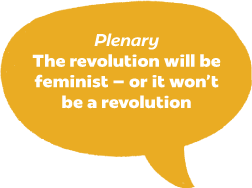
with Manal Tamimi, Bubulina Moreno, Karolina Więckiewicz, and Anwulika Ngozi Okonjo.
Как долго будет доступен опрос?
Опрос будет доступен до конца августа 2024 года. Пожалуйста, заполните его в течение этого срока, чтобы ваши ответы были включены в анализ.
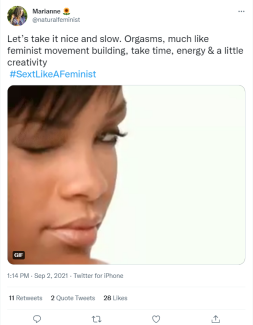
#8 - Sexting like a feminist Tweets Snippet EN
When you’ve just met and need a good opening line.
Snippet - Home page promo WITM - EN
"Where is the money for feminist organizing?"
Building on our 20-year history of mobilizing more and better funding for feminist-led social change, AWID invites you to complete the new iteration of our flagship survey, WITM.