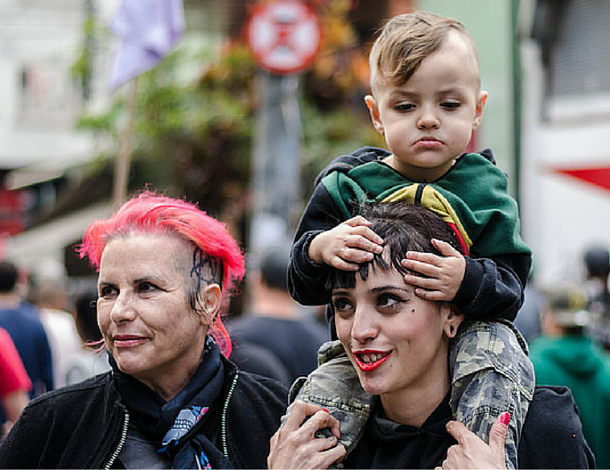
Over the past few years, a troubling new trend at the international human rights level is being observed, where discourses on ‘protecting the family’ are being employed to defend violations committed against family members, to bolster and justify impunity, and to restrict equal rights within and to family life.
The campaign to "Protect the Family" is driven by ultra-conservative efforts to impose "traditional" and patriarchal interpretations of the family, and to move rights out of the hands of family members and into the institution of ‘the family’.
“Protection of the Family” efforts stem from:
rising traditionalism,
rising cultural, social and religious conservatism and
sentiment hostile to women’s human rights, sexual rights, child rights and the rights of persons with non-normative gender identities and sexual orientations.
Since 2014, a group of states have been operating as a bloc in human rights spaces under the name “Group of Friends of the Family”, and resolutions on “Protection of the Family” have been successfully passed every year since 2014.
This agenda has spread beyond the Human Rights Council. We have seen regressive language on “the family” being introduced at the Commission on the Status of Women, and attempts made to introduce it in negotiations on the Sustainable Development Goals.
Our Approach
AWID works with partners and allies to jointly resist “Protection of the Family” and other regressive agendas, and to uphold the universality of human rights.
In response to the increased influence of regressive actors in human rights spaces, AWID joined allies to form the Observatory on the Universality of Rights (OURs). OURs is a collaborative project that monitors, analyzes, and shares information on anti-rights initiatives like “Protection of the Family”.
Rights at Risk, the first OURs report, charts a map of the actors making up the global anti-rights lobby, identifies their key discourses and strategies, and the effect they are having on our human rights.
The report outlines “Protection of the Family” as an agenda that has fostered collaboration across a broad range of regressive actors at the UN. It describes it as: “a strategic framework that houses “multiple patriarchal and anti-rights positions, where the framework, in turn, aims to justify and institutionalize these positions.”
"Pero, ¿ fue el maestro alguna vez
seducido por el poder?
¿Alguna vez se rompió
un sistema con aceptación ?
¿Cuándo el JEFE te entregará el poder con amor?
¿En Jo'Burg, en Cancún o en la ONU? - Molara Ogundipe
En una entrevista, realizada en la Feria Internacional del Libro de Ghana de 2010, Molara Ogundipe se presentó con estas palabras "...Soy una nigeriana. He vivido, posiblemente, en todo el mundo, excepto en la Unión Soviética y China".
A través de los diferentes continentes y países, la profesora Ogundipe enseñó literatura comparada, escritura, género y filología inglesa, y utilizó la literatura como vehículo para la transformación social y el replanteamiento de las relaciones de género.
Molara Ogundipe, como pensadora, escritora, editora, crítica social, poeta y activista feminista, logró combinar el trabajo teórico con la creatividad y la acción práctica. Se la considera una de las principales voces críticas de los feminismos africanos, los estudios de género y la teoría literaria.
Molara acuñó el concepto de "estiwanismo" a partir de las siglas STIWA (Social Transformations in Africa Including Women) [Transformaciones Sociales en África Incluyendo a las Mujeres], con el fin de reconocer la necesidad de “alejar la definición del feminismo y los feminismos en relación con Euro-América u otro lugar, y declamar lealtades o deslealtades". Con su obra fundamental, "Recreándonos Nosotras Mismas", de 1994, Molara Ogundipe (publicada bajo el nombre de Molara Ogundipe-Leslie) dejó tras de sí un inmenso cuerpo de conocimientos que descolonizó el discurso feminista y "re-centró a las mujeres africanas en sus completas y complejas narrativas... guiadas por una exploración de la liberación económica, política y social de las mujeres africanas y la restauración de la agencia femenina en las diferentes culturas de África".
Comentando los retos a los que se enfrentó como joven académica, dijo:
"Cuando empecé a hablar y escribir sobre el feminismo a finales de los años sesenta y en los setenta, se me veía como una chica buena y admirable que se había extraviado, una mujer cuya cabeza se había arruinado con un exceso de aprendizaje".
Molara Ogundipe se destacó por su liderazgo a la hora de combinar el activismo con el mundo académico; en 1977 fue una de las fundadoras de la Asociación de Mujeres en la Investigación y el Desarrollo, AAWORD (por sus siglas en inglés),. En 1982 fundó Mujeres en Nigeria, WIN (por sus siglas en inglés), con el fin de abogar por un acceso pleno a los "derechos económicos, sociales y políticos" para las mujeres nigerianas. Posteriormente, estableció y dirigió la Fundación Internacional para la Educación y el Monitoreo y pasó muchos años en el consejo editorial del periódico The Guardian.
Luego de haber crecido con el pueblo yoruba, sus tradiciones, cultura e idioma, dijo una vez:
"Creo que la celebración de la vida, de las personas que mueren después de una vida llena de logros, es uno de los aspectos más hermosos de la cultura yoruba".
El nombre de alabanza yoruba 'Oiki' de Molara era Ayike. Molara nació el 27 de diciembre de 1940 y falleció el 18 de junio de 2019 a la edad de 78 años, en Ijebu-Igbo, Estado de Ogun, Nigeria.
L’histoire derrière Crear, Résister, Transform par Coumba Toure
Une expérience magique de narration féministe animée par la féministe panafricaine Coumba Touré, dans la tradition séculaire des griots d’Afrique de l’Ouest
Et nous nous réunissons à nouveau
Nous avons rassemblé nos histoires, notre force
nos chansons
nos larmes
notre rage
nos rêves
nos succès
nos échecs
nous les avons rassemblés dans un grand bol pour le partage
pendant une lune de pensées
Aussi, nous restons en contact
Nous nous secouons l'esprit
nous nous caressons l'âme
Alors que nos mains sont toujours liées
Et que nos baisers et nos câlins sont interdits
Pourtant, nous nous renforcons d’heure en heure
Tissant ensemble nos voix
Franchissant les barrières sonores
comme nous parlons en langues
Nous sommes de plus en plus fortes
Nous connaissons ce qui nous différencie des autres
et les différences entre nous,
alors nous cousons nos beautés en patchwork de pensées
De nos apprentissages les plus profonds
de nos pouvoirs
Parfois, nous sommes entourées de terreur,
Par la confusion, la malhonnêteté
Mais nous nous purifions dans l'océan de l'amour
Nous sommes des tisserands de rêves
Pour vêtir un nouveau monde
Fil après fil
Aussi petites que nous soyons,
comme de petites fourmis construisant nos mouvements
comme de petites gouttes construisant nos rivières
Nous faisons des pas en avant et des pas en arrière
dansons notre chemin de retour à un mental sain
Nous soutenons le rythme de nos coeurs
Continuez à battre,
s'il vous plaît, ne vous arrêtez pas
ainsi nous sommes les transmetteurs d'une générosité oubliée
Goutte après gouttes, grandissant comme l'océan
grandissant comme la rivière qui coule de nos âmes
montrant notre force pour être l'eau qui lavera ce monde
et nous nous rassemblons à nouveau,
peux-tu nous sentir ?
Je mentirais si je disais que ça va
Que cela ne me dérange pas de ne pas vous voir.
Vos voix non filtrées et non enregistrées me manquent
Nos murmures et nos cris me manquent.
Nos cris de la révolution avortée
Nous voulonsêseulement donner naissance à de nouveaux mondes
Alors luttons pour effacer les frontières entre nous
Sil vous plait n’arrêtez pas
No care economies without domestic workers! A Manifesto
Snippet FEA We are living in a world right (FR)
Nous vivons dans un monde où la destruction de la Nature alimente notre économie mondiale actuelle. Même en période de crise climatique, les gouvernements continuent d'encourager les industries agricoles à grande échelle à se développer. Ces activités empoisonnent la terre, menacent la biodiversité et détruisent la production alimentaire et les moyens de subsistance locaux. Pendant ce temps, alors que les femmes produisent la majorité de la nourriture dans le monde, elles ne possèdent presque aucune terre.
Et si nous percevions la terre et la Nature non pas comme une propriété privée à exploiter, mais comme une totalité avec laquelle vivre, apprendre et coexister harmonieusement ? Et si nous réparions nos relations avec la terre et adoptions des alternatives plus durables qui nourrissent à la fois la planète et ses communautés?
Nous Sommes la Solution (NSS) est l'un des nombreux mouvements dirigés par des femmes qui s'efforcent d'atteindre cet objectif.
Voici leur histoire.
FRMag - Resistance from the Kitchen
Notre arepa: Cuisine en résistance
par Alejandra Laprea
Je vis dans le pays de l’impossible, où les bombes ne tombent pas alors que nous connaissons la guerre. (...)
Yamile Guerra était une avocate bien connue, leader communautaire et activiste politique dans la région de Santander en Colombie.
Activement impliquée dans la résolution de litiges entre les communautés locales et les promoteurs immobiliers, elle s’est battue contre l’appropriation des terres illégale. Yamile a occupé plusieurs fonctions politiques, dont celle de secrétaire générale du gouvernement de Santander à Bogota, et s’était également présentée comme candidate à la mairie de Bucaramanga. Au cours des dernières années de sa vie, Yamile s’était de plus en plus impliquée dans les causes environnementales, et particulièrement celle de la défense de la biodiversité des zones humides de Santurbán, une région qui approvisionnait près de deux millions de personnes en eau potable, contre les promoteurs du développement économique.
D’après sa famille et ses ami·e·s, Yamile recevait quotidiennement des menaces de mort et avait demandé la protection des autorités.
« Elle était tout à fait consciente de la question [du litige foncier] et avait à plusieurs reprises mentionné qu’elle se sentait en danger. » - Alixon Navarro Muñoz, journaliste et amie de la famille Guerra
Le 20 juillet 2019, Yamile a été tuée par balles par deux hommes à Floridablanca, Santander. Elle venait de clore une discussion avec eux en lien avec le litige foncier. Un suspect a ensuite été arrêté pour son meurtre, lequel a admis avoir été payé pour organiser son assassinat. Selon des rapports, Yamile est la troisième membre de sa famille a avoir été assassinée, en lien avec des litiges fonciers. Son père, Hernando Guerra, avait lui aussi été assassiné plusieurs années auparavant.
L’assassinat de Yamile s’inscrit dans une vague de violences et de meurtres systématiques de centaines d’activistes sociaux et défenseur·e·s des droits humains en Colombie. L’Institut d’études sur le développement et la paix (INDEPAZ) rapporte qu’au moment du décès de Yamile, plus de 700 leaders communautaires et activistes pour les droits humains ont été tué·e·s depuis la signature en août 2016 d’un traité de paix par la Colombie. La plupart furent assassiné·e·s pour s’être opposé·e·s à des trafics de drogue et des opérations minières; y compris les peuples autochtones, les Afro-Colombiens et les défenseures des droits humains étant les plus exposé·e·s.
Moins d’une semaine après le décès de Yamile, des milliers de Colombien·ne·s ont manifesté dans les petites et grandes villes, brandissant des photos en noir et blanc d’activistes tué·e·s, et sur lesquelles était écrit : « Il ne peut y avoir de paix sans leaders » et « Fini les bains de sang ».
Yamile Guerra n’avait que 42 ans au moment de son assassinat.
Jurema Araújo es una profesora y poeta de Río de Janeiro. Colaboró con la revista Urbana, editada por los poetas Brasil Barreto y Samaral (que en paz descanse) y con el libro Amor e outras revoluções con una variedad de escritorxs. En colaboración con Angélica Ferrarez y Fabiana Pereira, coeditó O livro negro dos sentidos, una antología creativa sobre la sexualidad de las mujeres negras de Brasil. Jurema tiene 54 años, tiene una hija, tres perras, una gata y un montón de amistades.
¿Lo chupas conmigo?
El mango es mi fruta favorita.
Abro la boca
y lo chupo todo,
su pulpa atrapada entre mis dientes,
mordidas suaves para no lastimarla;
la aprieto entre la lengua y el paladar,
después lo saco para chuparle cada parte
con el jugo chorreando por mi boca
empapándome en este néctar sabroso
y lo meto todo de nuevo en mi boca
porque el mango es semilla y miel,
es fibra y sabor.
Y cuando se termina, estoy en trance,
pegajosa, endulzada,
con los labios todos mojados.
Oooh, para qué es el mango si no es para embadurnarse
Chupa Comigo?
A fruta que eu mais gosto é manga!
Porque eu abro a boca
E meto toda pra chupar!
Se os dentes a prendem
Fazem macio para não machucar
E eu pressiono entre minha língua e meu céu
Depois tiro pra sugar cada parte
Sentindo o caldo escorrer boca afora
Me molhando com esse néctar gostoso
E metendo toda na boca de novo
Pois manga é caroço e é mel,
É fiapo e sabor
E quando acaba, estou extasiada
Melada, docinha
Com os lábios molhados!
Aaahhh, manga é pra se lambuzar!
Presentando El libro negro de los sentidos
Lo voy a admitir: cuando Angélica y Fabi me invitaron a ser curadora de una colección de textos eróticos de mujeres negras, no sabía qué era la curaduría. Entendía bien lo erótico, pero la curaduría… Sonreí, sintiéndome cohibida y halagada. Creo que les agradecí –al menos espero haberlo hecho– y pensé: ¡¿qué mierda es eso?! Esta palabra elegante de la que tendría que aprender el significado mientras lo hacía, ¿qué es?
A estas alturas, ya sé qué significa ser curadora: es hacer el amor con los textos de otra persona, con el arte de otra persona, con la intención de armar un libro. Y eso es exactamente lo que hice. Desnudé cada texto de cada autora de este libro con lascivia literaria. Y me involucré en las palabras y los sentidos de otras. Fui penetrada por poemas que no escribí; historias que ni siquiera me atrevía a imaginar me dieron vuelta, metiéndose con mis sentimientos, con mi libido. Y fue un maravilloso y extraordinario orgasmo: etéreo, corporal, sublime, al mismo tiempo intelectual y sensible.
Estos textos palpitaban como un clítoris endurecido por el deseo, empapados, chorreando placer en cada lectura. Palabras que me tragaron con su significado pícaro, haciéndome sumergirme más profundamente en este universo húmedo.
Estas mujeres negras fueron hasta el fondo de su excitación y convirtieron en arte sus fantasías eróticas más profundas. Estos trabajos están impregnados con la forma propia de cada escritora de vivir la sexualidad: libremente, negra, para nosotras, a nuestra manera, empoderadas.
Elegí desplegar los textos a lo largo de diferentes partes del libro, cada una organizada de acuerdo al contenido más delicado, explosivo, evidente o implícito que presentaban.
Para abrir la puerta a esta «esencia negra invulvolucrada» tenemos nuestra sección Preliminares, con textos que introducen a lxs lectorxs a este mundo de deleites. Es una caricia delicada general para presentar los temas abordados por los textos en el resto del libro.
Luego viene el calor de Tacto, abordando lo que puede sentir la piel. Esa energía que quema o congela nuestros cuerpos, hace que nuestras hormonas exploten y comienza a despertar a los otros sentidos. Y aunque muchxs somos voyeurs, el contacto de la piel con una boca húmeda y cálida es excitante, como recorrer la suavidad de quien sea que esté contigo. Nos seduce un contacto firme o suave que nos produce piel de gallina y esa hermosa incomodidad que corre desde el cuello bajando por la espalda y sólo se detiene al día siguiente. Y el calor de los labios, la boca, la lengua húmeda en la piel –oh, la lengua en la oreja, hmmm– o piel sobre piel, las ropas moviéndose sobre el cuerpo, casi como una extensión de la mano de lx otrx. Si no hay urgencia, esa excitación más salvaje de la presión de un agarre fuerte, un poco de dolor, o mucho, quién sabe.
La sección Sonido –¿o melodía?– nos muestra que la atracción también sucede a través de oir: la voz, los susurros, la música que permite la conexión entre los cuerpos y puede convertirse en tema de deseo. Para algunxs, alguien con una voz hermosa sólo necesitaría sus cuerdas vocales, porque ese sonido áspero, o pesado o melodioso sería sexo auditivo. Sus insultos en voz alta o sus palabras dulces susurradas al oído serían suficiente para darnos escalofríos desde el cuello al coxis.
En Sabor, sabemos que la lengua hace un buen trabajo saboreando los lugares más escondidos y recorriendo el cuerpo para deleitarse. A veces este órgano es utilizado, descaradamente, para saborear el néctar de lx otrx. La idea de alguien compartiendo su frutilla o un delicioso mango jugoso a mordiscos y lamidas –o lamidas y mordiscos– nos derrite. Pero nada es más delicioso que saborear las cuevas y colinas de la persona con la que estás. Hundir la lengua hasta el fondo para saborear un trozo de fruta… o pasar horas saboreando la cabeza de una verga en tu boca, o chupar un pecho delicioso para saborear los pezones. Se trata de memorizar a alguien por su Sabor.
Hay textos en los cuales es la nariz lo que dispara el deseo. El Aroma, mis queridxs lectorxs, puede despertarnos a los deleites del deseo. A veces conocemos a una persona que huele tan bien que queremos tragarla directamente por la nariz. Cuando recorres el cuerpo de la otra persona con tu nariz, comenzando por el cuello, ¡guau, qué escalofrío deliciosamente incómodo que corre por la espalda y desnuda el alma! La desvergonzada nariz entonces va hacia la parte de atrás del cuello y captura la esencia de lx otrx de tal manera que en ausencia de esa persona, oler su misma esencia evoca, o al contrario, nos invade con memorias olfativas que traen de nuevo el excitante aroma de esa persona.
Después llegamos a Mirada –para mí, el traidor de los sentidos–, en el cual percibimos el deseo desde un punto de «vista». Es a través de la vista que los textos presentan el deseo y la excitación, a través de los cuales se provocan los otros sentidos. A veces una sonrisa es todo lo que hace falta para enloquecernos. ¿El intercambio de miradas? Esa mirada que dice «Te quiero». Esa mirada de posesión que llega a su fin cuando dejas de coger, o no. Esa es muy especial; atrae a lx otrx que no será capaz de apartar la mirada por mucho tiempo. ¿O la mirada de reojo, cuando unx mira para otro lado cuando lx otrx gira su cabeza, como un juego del gato y el ratón? Una vez que nos atrapan con las manos en la masa, no hay nada más que hacer salvo desplegar una amplia sonrisa.
Finalmente, la explosión. Recorriendo Todos los sentidos, los textos mezclan sentimientos que parecen como una alerta, así que ahí está el mayor placer, ese orgasmo.
Por supuesto, no hay nada que separe explícitamente estos poemas y relatos. Algunos son sutiles. La excitación involucra a todos nuestros sentidos y, lo más importante, a nuestras cabezas. Ahí es donde sucede, y conecta todo nuestro cuerpo. Organicé los poemas según cómo me llegaron en cada lectura. Sientan la libertad de no estar de acuerdo. Pero para mí, hay un sentido a través del cual va el deseo y luego explota. Es exquisito darse cuenta de cuál es.
Ser capaz de convertir la excitación en arte significa liberarnos de todo el prejuicio, prisiones, y estigma en los que nos ha atrapado esta sociedad centrada en la blanquitud.
Cada vez que una escritora negra transforma lo erótico en arte, rompe estas dañinas cadenas racistas que paralizan su cuerpo, reprimen su sexualidad y nos convierten en el objeto de la codicia de otrxs. Escribir poesía erótica es recuperar el poder sobre su propio cuerpo y pasear sin miedo por los placeres del deseo por sí misma, por otrxs, por la vida.
Lo erótico literario es quiénes somos convertido en arte. Aquí mostramos lo mejor de nosotrxs, nuestras visiones del amor empapado por el placer, sazonado por lo erógeno, extendido por nuestros cuerpos y traducido por nuestra conciencia artística. Somos múltiples y compartimos esta multiplicidad de sensaciones en palabras que chorrean excitación. Sí, incluso nuestras palabras chorrean nuestro deseo sexual, empapando nuestros versos, convirtiendo nuestras urgencias sexuales en párrafos. Acabar/correrse, para nosotras, es un descubrimiento.
Es necesario hacer que nuestras mentes, nuestros cuerpos y nuestra sexualidad sean negras, restaurar nuestro placer, y recuperar nuestros orgasmos. Solo entonces seremos libres. Todo este proceso es un descubrimiento y tiene lugar dolorosamente. Pero hay felicidad en descubrir que somos muy diferentes del lugar donde nos habían puesto.
Siento que soy de ustedes, que soy nuestra. Saboreen, deleitense, tengan un festín con estas hermosas palabras junto a nosotras.
Este texto es una adaptación de la introducción a “O Livro Negro Dos Sentidos” [El libro negro de los sentidos], una colección de poemas eróticos de 23 escritoras negras.
ExplorarCorporalidades Transnacionales
Esta edición en alianza con Kohl: una publicación para Body and Gender Research analizará soluciones, propuestas y realidades feministas para transformar nuestro mundo actual, nuestros cuerpos y nuestras sexualidades.
نصدر النسخة هذه من المجلة بالشراكة مع «كحل: مجلة لأبحاث الجسد والجندر»، وسنستكشف عبرها الحلول والاقتراحات وأنواع الواقع النسوية لتغيير عالمنا الحالي وكذلك أجسادنا وجنسانياتنا.
AWID Community Jobs Board: Available for all AWID members, upon signing up for the AWID Community access. Whether you're looking for full-time advocacy roles, project-based consulting opportunities, paid internships or volunteer positions, this community-led jobs board is a valuable resource to help you find work that makes change possible.
Snippet - GII Intro (ES)
La inversión con impacto de género y el auge de las falsas soluciones.
Un análisis para los movimientos feministas
La inversión con impacto de género (IIG) se ha convertido en tendencia como una solución a la desigualdad de género. Sin embargo, como lo demuestra nuestro informe, en realidad es parte del problema. Las instituciones públicas y privadas que fomentan la IIG la equiparan con la promoción de la igualdad de género y con mayores recursos para mujeres y niñas.
Ninguna de estas aseveraciones tiene una base empírica.
Por el contrario, la IIG es otra expresión de la subordinación de nuestras vidas y nuestras sociedades a la misma lógica financiera que ha configurado, y sigue configurando, las profundas desigualdades de nuestro mundo.
Con este informe, AWID ofrece a lxs lectorxs (feministas, defensorxs de la justicia de género y otrxs actorxs del sector de la inversión con impacto de género) un análisis crítico y pruebas fundamentadas para entender la IIG, sus narrativas y sus implicancias económicas y políticas para los movimientos feministas.
FRMag - Let the invisible be visible
Let the invisible be visible: A Genderfluid Bodybuilder’s Manifesto in Hong Kong
by Siufung Law
“97..! 98.. where is 98? 98! Please come back to the lineup!... 99! 100!...” The backstage lady relentlessly asked each athlete to queue up at the humid, sweaty, overcrowded backstage. (...)
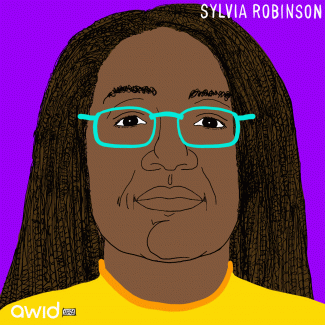
"Life is...about living in joy - waking up with purpose, feeling our creative energy, answering your calling." - Sylvia Robinson
Sylvia Robinson, a tireless community organizer and leader, was the founder and Executive Director of The Emergence Community Arts Collective (ECAC) in Washington DC.
This hub and performance space combine education, civic engagement, arts, social and spiritual services, and sustainable environmental practices. Sylvia envisioned it as a home where “there was a balance and synergy with the activities that people needed in order to sustain life.”
She was also one of the founding members of the Georgia Avenue Community Development Taskforce, a neighborhood group that works on social justice and organizing in Northwest DC to make sure the community has a voice in redevelopment and gentrification in the area.
“We're asking for affordable housing. We're asking that the small businesses that have been here for a long time don't get wiped out by new retail. We're asking for green space and space for people to get together to socialize. We're asking for streetscape improvements—better roads and lighting in the corridor.” - Sylvia Robinson about the Taskforce
Prior to becoming an organizer and after receiving a degree in computer science, Sylvia worked in air traffic control systems for over a decade. She then moved into drug and alcohol counselling, becoming increasingly engaged in community work.
“It was my call to be involved in community.” - Sylvia Robinson
Born in Washington D.C. on 14 August 1961, Sylvia passed away on 18 September 2017 after a battle with cancer.
“Sylvia's spirit and legacy will continue to inspire this community for many years to come.” - ECAC
La liga conspirativa de escritorxs | Wazina Zondon
Conocida también como la Red Teta Research, la liga conspirativa de escritorxs se fundó en 2021 en el contexto de los círculos de escritura semanales de Kohl. La Red consiste en un grupo transnacional de escritorxs queer y feministas que participan en procesos colectivos de escritura, reflexión y creación de universos.
Wazina Zondon es una afgana criada en Nueva York. Su trabajo de colección de historias y de narración se centra en las memorias y ritos colectivos de iniciación en la diáspora. Actualmente, trabaja en Faith: in Love/faith in love, donde (re)rastrea la historia de amor de su madre y su padre y la huella amorosa heredada de la familia.
El amor es contrabando en el infierno,
porque el amor es ácido
que devora las rejas.
Pero tú, yo y el mañana
nos tomaremos de las manos y haremos votos
para que la lucha se multiplique
La sierra de arco tiene dos cuchillas.
La escopeta tiene dos cañones.
Estamos preñadxs de libertad.
Somos una conspiración.
Es nuestro deber luchar por la libertad.
Es nuestro deber ganar.
Debemos amarnos y apoyarnos mutuamente.
No tenemos nada que perder, salvo nuestras cadenas.
- «Amor» por Assata Shakur
«Si podemos heredar un trauma, ¿podemos heredar una huella relacionada con el amor?»
Esta es la pregunta que se hace Wazina Zondon en sus memorias colectivas Loveprint (Improntas de amor). Loveprint es un deambular, una superposición, una desviación que (re)crea, en la intersección entre entrevistas y ensayos personales, las historias y reflexiones de nuestra familia sobre el amor, la pareja y el romance. Guiadxs por Wazina, la liga conspirativa de escritorxs se reunió e intentó reproducir literalmente este proyecto en forma de escritura colectiva, donde nuestras historias, nuestros géneros e identidades sexuales se complementan y contradicen entre sí. Con nuestras voces superponiéndose, fuimos completando las oraciones de lxs otrxs para crear una conversación, un memorial, pedazos de nosotrxs mismxs que hablan de unx «nosotrxs».
¿Cuáles son los orígenes de tu huella de amor?
Soy lo que han llamado un «accidente feliz». Se ha dicho mucho sobre esto: una vida imprevista que al mismo tiempo es totalmente deseada. Siento que esto moldeó mi forma de amar; no solo me enamoro, también me arriesgo a los resbalones que llevan a las caídas. Quizá fue esto lo que me convirtió en un tipo de persona amor fati.
Me dijeron que era una niña no deseada. Así que crecí hasta convertirme en una adulta no deseada. Los orígenes de mi huella de amor se basan en ser no deseada permanentemente. No soy fruto del amor ni de ningún sentimiento feliz; soy, más bien, dolor y carga. No tengo una impronta amorosa, al menos no en este sentido.
Sé con certeza que mis padres estuvieron enamoradxs en algún momento, pero la salud mental es un demonio, y hasta que unx no se enfrenta a sus demonios,
no hay quien gane.
Nunca asociaré el «amor» con mis padres o con la familia normativa. El amor bajo el que crecí fue un amor lleno de violencia y de responsabilidades que no busqué o para las que ni siquiera estaba preparada. Durante mucho tiempo sentí que la vida y el amor consistían en cargar una roca gigante cuesta arriba. Si bien mis padres «se amaban», crecí en un ambiente tóxico de violencia, celos e inseguridad. Crecí anhelando estabilidad; y esto es lo que soy ahora. Soy una persona que se arriesga pero nunca en mi «espacio de amor».
No sé por qué mi madre eligió albergar a una niña (yo) dentro de ella Ella no ama de esta forma.
Mi madre me dice que si tengo que pensar en «encontrar» el amor, que nunca tome su matrimonio como modelo. Mi huella de amor proviene en cambio de mi crianza de perros durante las últimas dos décadas (18 años para ser precisa). Al revés también es cierto: me criaron. En su compañía entiendo cada vez más sobre el amor y sus múltiples capas.
No he conocido el amor por una «huella». En nuestra casa no hablábamos de amor. Tuve que enseñarme a mí misma a amar. Fue un trabajo arduo. Aún así, fallo y sigo intentándolo, y fallo todos los días. Quizá el fracaso sea mi impronta de amor.
Mi impronta de amor es el cuidado, la calidez y la comprensión que
doy a quienes me rodean, sea unx extrañx, unx amigx,
unx familiar, unx amante. Mi impronta de amor es política – no es calculada ni pensada.
Nací bajo un fuerte bombardeo.
Mi impronta de amor es
lo opuesto a eso.
Lecciones aprendidas sobre el amor
Sé más de lo que no es el amor que de lo que es.
El amor no es ni ansiedad ni pánico.
El amor no es pedir permiso para vivir o respirar. Siempre se trata del amor, y no hay amor sin libertad.
Todo lo que haces tiene que ver con usar tu corazón, excepto el amor. El amor consiste en utilizar tu cabeza.
A veces temo que mi idioma de amor se pierda con la traducción.
--- Hay muchas maneras
de trazar los orígenes
de cómo
cómo no
amar
no amar
amar lo justo
amar demasiado
algo de amor
alguna pérdida
amar
amar lo perdido ---
No soporto la idea de la pareja. Tampoco soporto la idea de vivir sola mientras envejezco. Estoy cansada de hacer los quehaceres sola, de mudarme de casa sola, de pagar el alquiler y las cuentas sola... Me imagino que me da un ACV sola y me da miedo. No tengo planes de «ponerme en pareja». Quiero un mundo en el que pueda casarme con unx amigx, comprar una casa con unx amigx, no tener sexo.
Amar a muchxs personas no corrompe un amor
compartido entre dos; y que el amor sea romántico
o no, realmente no es tan importante.
Cuando reflexiono sobre el deplorable estado de mis relaciones, me doy cuenta de que estoy en la relación para la que me prepararon. Con toda mi «radicalidad» todavía no he desaprendido las normas de género de mierda.
Mi necesidad de estabilidad se siente «muy poco radical». Quiero salir de este etiquetado. Quiero algo que nunca tuve. Quiero que sea hermoso. Quiero sentirme hermosa y segura, y sólo la estabilidad me hace sentir eso. Segura, sana, sabiendo que el hogar no tiene que ver ni con la violencia ni con la discordia.
--- Impronta amorosa – amo oler los libros ver dónde
se imprimieron
Intento pensar en el origen de mi comprensión
y práctica del amor
¿Necesitamos el origen, no es lo mismo que la pureza?
No hay pureza ni origen del amor.
¿Por qué la comprensión y la práctica vienen
a la mente y no la «emoción»? ---
Cuando llamo a mis padres, no cuelgo el teléfono después de despedirnos,
de esa manera puedo escuchar los sonidos del hogar.
¿Qué necesitamos para ser/sentirnos amadxs al momento de morir?
Durante mi entierro suní, quiero que todas las mujeres y los hombres acudan juntxs a mi entierro. ¿Qué es eso de no poder ir a despedirse de lxs muertxs de otro sexo? Será suní porque mi madre querría que lo fuera. Será ecológico: una lápida no será necesaria. Me encantan todos los rituales de entierro. El Corán está bien, pero además quiero música. Me gustan mucho Asmahan, Um Kulthum y The Stone Roses.
Tengo una lista de reproducción de lunes a viernes, y dos diferentes para los fines de semana: una para los sábados, y otra para los domingos. Me gustaría que aquellxs que me amaron reprodujeran la música que yo solía escuchar, respetando los días – con cierto margen de tolerancia siempre que se ciñan a las listas de reproducción.
Quiero estar rodeada de quien o quienes me han amado, aunque haya sido por un momento. Que la música me envuelva así como flores frescas recién cortadas. No quiero que me descubran muerta; quiero morir en medio de una risa junto a seres queridxs.
Quiero ser recordada como alguien que amó.
No necesito sentirme amada en la muerte. Necesito que las personas que me rodean sientan que las he amado, incluso después de mi partida. Ser amadx en la muerte tiene que ver con quienes están vivxs. Así que pienso más en cómo nos unimos como una comunidad vital y amorosa ante la muerte de aquellxs a quienes amamos y con quienes vivimos. De qué manera mantenemos sus recuerdos en nosotrxs. Cómo nos convertimos en archivos de sus vidas.
--- A veces, sólo se puede amar a las personas en el momento de su muerte ---
Tengo que recordar que el cuerpo está conectado a un espacio. Mi familia es muy pequeña y, aunque venimos de diferentes lugares, es como si cada generación se trasladara a un lugar nuevo. Quizá es por eso que la muerte no está conectada con un lugar en especial, un cementerio. En nuestra familia es habitual enterrar a lxs muertxs sin nombres ni lápidas, o distribuir las cenizas al viento. Me siento en paz con este tipo de conmemoración sin espacio. La idea de que mis cenizas nutran a una nueva vida me hace sentir amada y recordada a través de la recreación. Mi abuela murió a principios de este año debido a complicaciones después de vacunarse. Dos horas después de su muerte, mi familia se sentó a reírse hasta las lágrimas de sus bromas, de su manera divertidísima de contar historias. Nos reímos y amamos, y fue como si ella estuviera sentada de nuevo con nosotrxs. Esto es lo que me haría sentir en paz: fertilizar la tierra, abonar las conversaciones y el recuerdo colectivo.
---Había
dos calles que utilizaba
para caminar
para correr
para jugar
para quedarme
Había
cinco horas en las que el sol
estaba caliente
el cielo era azul
y la tierra era verde
Había
una flor que podía
oler
tocar
apretar
aplastar
Estaban
lxs amigxs que podía
acariciar
La comida
que podía
tragar
El lenguaje
que saldría de mis
labios
Es probable que aún existan
esos muchos lugares
y cosas
y personas
después de mí ---
Quizá sea suficiente con la promesa de que seré «conmemorada espacialmente» como una planta y cuidada, por turnos, hasta que me convierta en un árbol. Sin nombre, sin lápida – solo una planta o un árbol, y saber que me cuidarán. En cuanto a mi cuerpo, quiero ser cremada sin ningún tipo de ritual, y que las cenizas de mis huesos sean liberadas en el mar Arábigo.
Necesito que mi cuerpo sea tratado de forma tan subversiva como vivió.
No quiero que me entierren junto a mi familia, en ese pequeño nicho junto a todas esas personas que nunca me conocieron. Atrapada en la muerte como lo estuve en vida. Quiero ser cremada, y que mis cenizas sean finalmente liberadas.
Quiero que me permitan pasar para no quedar suspendida en un estado intermedio y poder ser una presencia, un proceso activo, una invasión.
Esto es lo que te pido:
Que me sueltes y dejes pasar
Que no dejes que la nostalgia enturbie este momento porque solo te pediré que tus gestos sean normales
Para sustentarme ya he robado los suaves destellos y atesorado las pequeñas y grandes formas en que me amabas. Me mantuve viva gracias a ellas
Que fijes un tiempo limitado para tu duelo
Que recuerdes que no hay distinción en la belleza del amar; es infinita y se regenera sin el cuerpo
Quiero ser recordada por el amor que le doy al mundo.
Quiero que mi cuerpo sea donado, y que mis órganos sirvan para alimentar el amor en otra(s) vida(s).
--- El aroma del jazmín ---
ExplorarCorporalidades Transnacionales
Esta edición en alianza con Kohl: una publicación para Body and Gender Research analizará soluciones, propuestas y realidades feministas para transformar nuestro mundo actual, nuestros cuerpos y nuestras sexualidades.
نصدر النسخة هذه من المجلة بالشراكة مع «كحل: مجلة لأبحاث الجسد والجندر»، وسنستكشف عبرها الحلول والاقتراحات وأنواع الواقع النسوية لتغيير عالمنا الحالي وكذلك أجسادنا وجنسانياتنا.
Explore and share the databases with your network now!
Snippet Forum Stories Title
Stories of Change: AWID Forums
FRMag - Ghosts Of Girlhood
Fantasmas de niña
por Akua Antiwiwaa
Delante mío hay una foto vieja, borrosa. En ella, estoy toda vestida de blanco, desde las perlas sujetas en mi cabello y apretadas contra mis orejas, hasta las que rodean holgadamente mis pequeñas muñecas. (...)