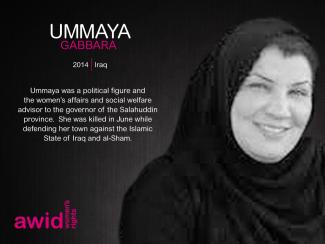
Ummaya Gabbara

Across the globe, feminist, women’s rights and gender justice defenders are challenging the agendas of fascist and fundamentalist actors. These oppressive forces target women, persons who are non-conforming in their gender identity, expression and/or sexual orientation, and other oppressed communities.
Discriminatory ideologies are undermining and co-opting our human rights systems and standards, with the aim of making rights the preserve of only certain groups. In the face of this, the Advancing Universal Rights and Justice (AURJ) initiative promotes the universality of rights - the foundational principle that human rights belong to everyone, no matter who they are, without exception.
We create space for feminist, women’s rights and gender justice movements and allies to recognize, strategize and take collective action to counter the influence and impact of anti-rights actors. We also seek to advance women’s rights and feminist frameworks, norms and proposals, and to protect and promote the universality of rights.
THE TRANS EMPLOYMENT QUOTA
sanctioned by law is not being respected by companies and employers
Anti-rights actors adopt a double strategy. As well as launching outright attacks on the multilateral system, anti-rights actors also undermine human rights from within. Anti-rights actors engage with the aim of co-opting processes, entrenching regressive norms, and undermining accountability.
Striking against all odds: the story of Solidarity Network’s unprecedented win.
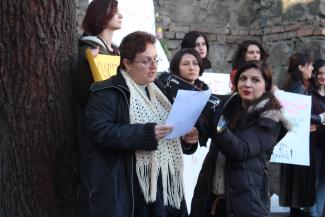
In January 2022, the Solidarity Network organized a strike with 400 workers. Their main demand? To increase wages. The strike was called following months of unsuccessful talks with the Georgian Ministry of Social Affairs as part of a labor dispute.
After weeks of protesting, negotiating, speaking to the media, withstanding backlash, and enduring the blistering cold of Georgian winter, the workers won unprecedented concessions from the government: wage increase, paid maternity leave, the covering of transportation costs, no lay-offs, compensation for strike days, and more.
The strike did not only result in material gains, it also left the workers feeling united and empowered to stand up for themselves and fight for dignified working conditions now and in the future. They became a source of inspiration for all workers across the country.
You can read more about their victory here.
with Dr. Vandana Shiva, Dr. Dilar Dirik, and Nana Akosua Hanson.
Gender Impact Investing (GII) is now trending as a solution to gender inequality. Yet, as our report indicates, it is actually part of the problem. Public and private institutions marketing GII equate it with promotion of gender equality and with increased resources for women and girls.
Rather, GII is another expression of subjecting our lives and societies to the same financial logic that has shaped, and continues shaping, the profound inequalities in our world.
With this report, AWID offers the readers - feminists, gender justice advocates and stakeholders in gender impact investing - a critical analysis and substantiated evidence to understand GII, its narratives, and economic and political implications for feminist movements.

لينديوي راسيكوالا مدربة حياتية، متخصصة في التدريب على العلاقات الحميمة. إنها متخصصة بالصحة الجنسية ولديها مساهمات في هذا الموضوع عبر الإنترنت. من خلال تجاربها الخاصة وأساليب البحث غير التقليدية التي تنتهجها، تعتقد لينديوي أنها تستطيع سد الفجوة التعليمية، فيما خص الصحة الجنسية وإشكالية الوصول إلى المعلومات حول الموضوع. لها العديد من المساهمات في البرامج الإذاعية والتلفزيونية، وقد أكملت تعليمها كمدرب مع تحالف المدربين المعتمدين CCA. تتمثل مهمة لينديوي في كسر الحواجز التي تحول دون قيام المحادثات حول الصحة الجنسية، وتمكين زملائها من تحقيق فهم أكبر لأنفسهم، حتى يتمكنوا من تجربة نمط حياة وعلاقات أكثر صحية وتكامليّة.
Related content
BBC: Miroslava Breach third Mexican journalist to be killed this month
Committee to Protect Journalists: Miroslava Breach Velducea
Amnesty International: Mexico: "Open season" on journalists as third reporter killed in a month
TeleSUR: New Award to Honor Murdered Journalists in Latin America
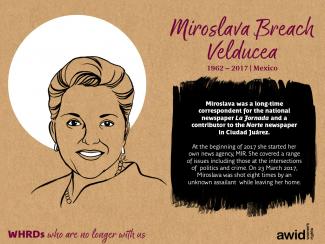
Every three to four years, AWID hosts its flagship international event. It is the world’s largest event that wholeheartedly centers feminist and gender justice movements in all their diversity. It is a global gathering of feminist activists, allied movements, scholars, funders and policymakers. The Forums rotate between different regions and countries in the global South.
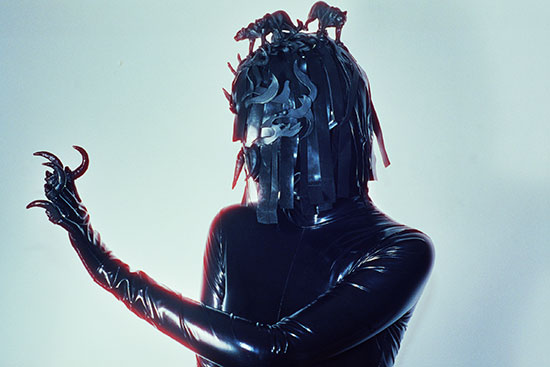

الخامسة مساءً، اليوم
خطّ كتابة الدعوة –
متحفّظ وجاف –
رأيته خمس مرّات في خمس سنوات.
جسدي مُستنفَر،
محموم.
أحتاج لمضاجعة نفسي أوّلًا.
المدُّ عالٍ الليلة
وأنا
أنتشي.
أريدُ إبطاءَ كلَّ شيء،
واستطعام الوقت والفراغ،
أن أحفرهما
في الذاكرة.
*
لم آتِ أبدًا إلى هذا الجزء من البلدة.
الأماكن المجهولة تثيرني،
[كذلك] الطريقة التي تقاوم بها الأشلاء والعروق والعظام
الاضمحلال،
مصيرهم غامض.
عند الباب أعيدُ التفكير.
الرواق قاتم السواد
يجعلني أتوقّف.
على الناحية الأخرى،
مثل اللعنة، يُفتَح باب
من الروائح والألوان
على عَصْرٍ مُشمس.
النسيم
يجعل شعري يرقص،
يثير فضوله،
يدفعه للحركة.
أسمعُ أزيزَ الكرسي المتحرّك،
يشكّل الظلال.
عندها أراهم:
وجه فهد
وجسدٌ مثل جسدي
وأجِدني راغبة بكليهما
مرّة أخرى.

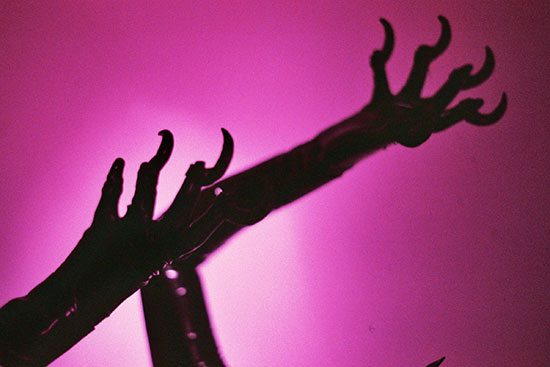
يقترب المخلوق منّي.
إيماءاتهم تكتب جملة؛
كلّما اقتربت منهم،
أتبيّن تفاصيلها:
ذبول، لحم، غِبطة
بأمر ٍمنهم، تزحف الكرمة
التي تغطّي الرُواق
مُعانقةً الصخور الدافئة
وتتسلّق الحائط كالأفعى.
لقد أصبح فعلًا،
«أن تقفز»،
أُعيدَ توجيهي عندما أشارت مخالبهم
نحو سرير الكرم في المنتصف.
أسمع العجلات خلفي،
ثم أسمع ذلك الصوت.
يُدوي
بشكلٍ لا مثيل له.
أجنحتهم الطويلة السوداء
ترتفع نحو السقف
ثم تندفع للأمام.
عينا الهرّة تفحص كلّ تفصيلة،
كلّ تغيّر،
كلّ تَوق.
هل يمكن أن تُذيب الرغبة عضلاتك؟
هل يمكن أن تكون أحلى من أقوى المهدّئات؟
فهدٌ يخيط العالم،
عبرَ اختلافاتنا،
غازلًا الدانتيل حول ركبتيَّ.
هل يمكن للرغبة أن تسحق تباعُد العالم،
أن تكثّف الثواني؟
مازالوا يقتربون،
تلتقي عين الفهد بعين الإنسان،
تتنشّق الهواء،
تُحوِّل الجسد إلى
إلحاح.
يخفقون بأجنحتهم للأسفل.
هائجة،
تلتفّ الكرمة حول خصري/ خسارتي.

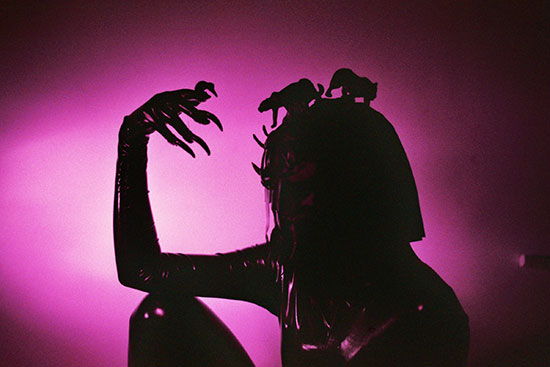
لسانهم يرقّق الوقت،
تتبدّل الآراء،
يُسكِّن، بسحرهم،
ما يشتعل أسفل [السطح].
أرى العالم فيك، والعالم مُنهَك.
ثم يتوسّلون:
دعيني أقتات عليك.
We believe so! It is still very early in the planning process, so please stay tuned as plans are forming.