
Fany Puyesky

Esta sección de análisis especial ofrece un análisis feminista crítico y acceso a los recursos clave relacionados con la «protección de la familia» en los espacios internacionales de derechos humanos.
Durante los últimos años, venimos observando una nueva y preocupante tendencia en el ámbito internacional de derechos humanos, donde se están empleando discursos sobre la «protección de la familia» para defender violaciones cometidas contra miembros de la familia, de modo de reforzar y justificar la impunidad y para coartar la igualdad de derechos en el seno de la familia y la vida familiar.
La campaña para «proteger a la familia» es impulsada por proyectos conservadores que tienen como fin imponer interpretaciones «tradicionales» y patriarcales de familia; quitando los derechos de las manos de sus miembros para ponerlos en las de la institución «familia».
Desde 2014 un grupo de estados opera como bloque en espacios de derechos humanos, bajo el nombre «Group of Friends of the Family» [Grupo de amigos de la familia], y a partir de entonces se han aprobado resoluciones sobre la «Protección de la familia» todos los años.
Esta agenda se ha extendido más allá del Consejo de Derechos Humanos (HRC, por sus siglas en inglés). Hemos visto cómo el lenguaje regresivo sobre «la familia» se ha introducido en la Comisión de la Condición Jurídica y Social de las Mujeres (CSW, por sus siglas en inglés), y hemos asistido a intentos por incluir este lenguaje en las negociaciones sobre los Objetivos de Desarrollo Sostenible.
AWID trabaja con asociadxs y aliadxs para resistir conjuntamente las agendas regresivas de «Protección de la familia» y otras, y para defender la universalidad de los derechos humanos.
En respuesta a la creciente influencia de actores regresivos en los espacios de derechos humanos, AWID se ha unido con aliadxs para formar el Observatorio de la Universalidad de los Derechos (OURs, por sus siglas en inglés). OURs es un proyecto colaborativo que monitorea, analiza y comparte información sobre iniciativas anti-derechos tales como la «Protección de la familia».
Derechos en Riesgo, el primer informe de OURs, traza un mapa de los actores que conforman el cabildeo global anti-derechos e identifica sus discursos y estrategias principales, señalando los efectos que estos discursos y estrategias están teniendo sobre nuestros derechos humanos.
El informe expone a la «Protección de la familia» como una agenda que ha promovido la colaboración entre una amplia gama de actores regresivos en las Naciones Unidas. La describe como un marco estratégico que aloja «múltiples posiciones patriarcales y anti-derechos, cuyo marco, a su vez, apunta a justificar e institucionalizar estas posiciones».

تتواجد الحركات النسوية، حركات حقوق النساء، حركات العدالة الجندرية، حركات مجتمع الميم - عين وحلفاءها/ يفاتها في مفترق شديد الأهمية وتواجه هجمات عصيبة على حقوق وحريات حصلت عليها. فتصاعد الاستبداد في الأعوام الأخيرة، وكذلك القمع العنيف للمجتمع المدني وتجريم النساء والأشخاص المتنوعين/ات جندرياً المدافعين عن حقوق الإنسان، تصاعد الحروب والأزمات في الكثير من أنحاء العالم، استمرار الظلم الاقتصادي والتقاطع بين الصحة، البيئة والأزمة المناخية.
Lxs actores anti-derechos han logrado ejercer un impacto sustancial sobre nuestro marco de derechos humanos y sobre la interpretación progresiva de estas normas, especialmente las relacionadas con el género y la sexualidad.
Cuando se trata del impacto de lxs actores conservadorxs sobre los espacios políticos internacionales, el panorama general de la situación actual es de inmovilidad y retrocesos.
Hemos visto cómo se diluyen los acuerdos y compromisos existentes; se estancan las negociaciones; o se debilitan en forma sostenida las agencias de Naciones Unidas, los organismos de revisión de los tratados y los Procedimientos Especiales, al mismo tiempo que se logra introducir un lenguaje regresivo en documentos internacionales de derechos humanos.
La CSW, que se celebra anualmente en marzo, ha sido durante mucho tiempo uno de los lugares más en disputa dentro del sistema de las Naciones Unidas. En marzo de 2015, los actores conservadores marcaron el tono ya antes de que comenzaran los eventos o las negociaciones: el documento final de la Comisión fue una Declaración muy débil, consensuada antes de que las activistas por los derechos de las mujeres siquiera hubieran arribado a la sede de la CSW.
En la CSW de 2016, el nuevo Caucus de la Juventud fue infiltrado por un gran número de actores que se hicieron oír contra el aborto, la salud y los derechos sexuales y reproductivos, y que a gritos hicieron callar a las organizaciones juveniles progresistas. Una vez más, las intensas negociaciones dieron como resultado un texto deslucido, que incluía lenguaje regresivo sobre «la familia».
Precisamente ahora que los derechos humanos de las mujeres han cobrado una importancia urgente, la CSW se ha convertido en un espacio despolitizado y debilitado. Utilizarla para lograr avances en los derechos resulta cada vez más difícil, ya que la energía de lxs progresistas se agota tratando de defender los logros obtenidos frente a la reacción conservadora.
Como organismo intergubernamental responsable de la promoción y protección de los derechos humanos en todo el mundo, el CDH es un punto de entrada fundamental para lxs actores conservadores. En los últimos años, este mecanismo ha sido el escenario de una serie de acciones anti-derechos que han resultado perjudiciales.
En concordancia con otrxs actores anti-derechos, una estrategia de los Estados y bloques de Estados conservadores es negociar agresivamente para eliminar lenguaje positivo e introducir enmiendas hostiles a las resoluciones, sobre todo a las que tratan de derechos relacionados con género y sexualidad.
Por ejemplo, durante la sesión de junio de 2016 del CDH, los Estados miembros de la Organización para la Cooperación Islámica y sus aliados atacaron una resolución sobre la discriminación contra las mujeres. Las negociaciones fueron muy tensas y tuvieron como resultado que se eliminaran múltiples referencias a temas como el derecho de las mujeres y las niñas a ejercer control sobre su sexualidad, su salud sexual y reproductiva y sus derechos reproductivos; la necesidad de derogar las leyes que perpetúan la opresión patriarcal hacia las mujeres y las niñas en las familias y aquellas que penalizan el adulterio o perdonan la violación dentro del matrimonio.
El CDH también ha sido el espacio en el que se desplegaron iniciativas conservadoras perniciosas para cooptar las normas de derechos humanos e introducir un lenguaje conservador de «derechos humanos», como ocurrió con las resoluciones sobre «valores tradicionales» lideradas por Rusia y, más recientemente, con toda la agenda sobre «Protección de la Familia».
En 2015 varias organizaciones religiosas y de derecha religiosas decidieron abrir un nuevo frente y comenzaron a hacer incidencia en el Comité de Derechos Humanos, el órgano responsable de la supervisión del cumplimiento del Pacto Internacional de Derechos Civiles y Políticos (PIDCP), un instrumento fundamental de derechos humanos.
Cuando el Comité anunció que estaba redactando una nueva interpretación autorizada sobre el derecho a la vida, grupos anti-derechos se movilizaron con la esperanza de incorporar su discurso anti-aborto en el tratado.
Más de 30 actores no estatales conservadores enviaron aportes escritos, defendiendo que su discurso engañoso sobre el «derecho a la vida» — según el cual la vida comienza con la concepción y el aborto constituye una violación a ese derecho — se incorporara en la interpretación del artículo 6 del Comité.
Esta incidencia de los grupos conservadores frente al Comité de Derechos Humanos constituye un giro estratégico ya que históricamente estos actores han intentado socavar e invalidar la labor esencial de los órganos de monitoreo de los tratados, entre ellos el propio Comité de Derechos Humanos.

Lxs actores anti-derechos participaron en el cabildeo por los nuevos Objetivos de Desarrollo Sostenible (ODS) en 2015, centrándose de nuevo en los derechos relacionados con el género y la sexualidad. Tuvieron un éxito limitado en sus intentos por incorporar lenguaje regresivo en la Agenda 2030.
Aun después de haber logrado rechazar lenguaje progresista en el texto final, lxs actores conservadorxs redefinieron su estrategia. En un intento por evadir la responsabilidad estatal y socavar la universalidad de los derechos, varios estados han formulado diversas reservas a los ODS.
En nombre del Grupo Africano, Senegal afirmó que los estados de esta región solo «implementarían los objetivos en consonancia con los valores culturales y religiosos de sus países».
La Santa Sede también hizo algunas reservas, «confiada en que la promesa de ‘Nadie va a quedarse atrás’» se leería «incluyendo el derecho a la vida de la persona, desde la concepción hasta la muerte natural».
Arabia Saudita dio un paso más, declarando que no seguiría ninguna norma internacional relativa a los ODS que hiciera referencia a la orientación sexual o la identidad de género, que considera «contrarias a la ley islámica».
Lxs actores anti-derechos están ocupando cada vez más espacio en la Asamblea General de la ONU (AG). En su sesión 71 (2016), la AG fue escenario de una ferviente manifestación antiderechos en contra del nuevo mandato creado por la resolución del Consejo de Derechos Humanos sobre la orientación sexual y la identidad de género (OSIG) en junio de 2016: el Experto Independiente sobre esta temática. Hubo cuatro intentos de socavar este mandato en el marco de la AG.
Primero , el Grupo Africano lideró un intento de aprobar una resolución hostil al mandato en el Tercer Comité, que en esencia se proponía aplazar indefinidamente su implementación. Si bien este intento no fue exitoso, constituyó una táctica novedosa y preocupante. Al bloquear retroactivamente desde la AG la implementación de un mandato creado por el Consejo de Derechos Humanos lxs actores anti-derechos buscan socavar directamente la autoridad del CDH frente a la Asamblea General. Después se dirigieron al Quinto Comité (responsable de asuntos administrativos y presupuestarios) para atacar el mandato.
En una acción sin precedentes, varios Estados intentaron (de nuevo, sin éxito) bloquear el financiamiento para todxs lxs expertos en derechos humanos de las Naciones Unidas, incluido el nuevo experto sobre OSIG.
Si bien ninguno de estos esfuerzos logró bloquear la creación e implementación del nuevo mandato, el apoyo significativo que recibieron, lo novedoso de la estrategia empleada y las sólidas alianzas construidas con criterios regionales a través de negociaciones marcan dificultades que habrá que enfrentar en el futuro.
"My dreams and objectives have always been the same as those of Lohana Berkins: for the cooperative to continue standing and not to close. To continue to give this place to our travesti comrades, to give them work and a place of support"
Brisa Escobar,
president of the Cooperative
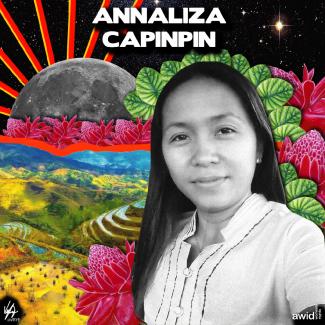
Conocida como «Ate Liza», Annaliza era la presidenta del Consejo de la Reforma Agraria para lxs Pionerxs de Mindanao, un grupo coodinador general en Tacurong City, Filipinas.
Querida madre de cuatro hijxs, maestra y líder comunitaria, Annaliza es recordada por su comunidad como «la que lidera cuando nadie quiere liderar, la que habla cuando nadie quiere hablar, la que se puso de pie con coraje para ayudar a lxs beneficiarxs de la reforma agraria a ser dueñxs de sus tierras».
Atacantes desconocidos la ultimaron a balazos en frente de la Universidad Estatal Sultán Kudarat (SKSU), mientras se dirigía a la Escuela Secundaria Nacional Salabaca, en Esperanza.
Su familia ha dicho: «Naghihintay pa rin kami ng hustisya para sa kanya» (todavía estamos esperando justicia para ella).
(متوفرة باللغة الإنجليزية)
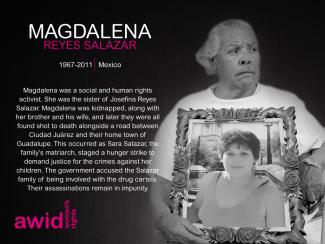
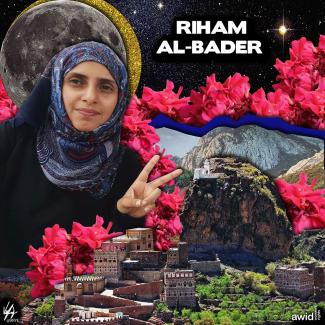
Riham était avocate et activiste engagée à suivre de près la question des violations des droits au Yémen.
Elle a travaillé avec d'autres activistes pour fournir de la nourriture et de l'eau aux civils piégés par les milices houthies dans la banlieue de la ville de Taiz.
Riham a été tuée en février 2018. La cause de son décès, soit par la main d’un tireur d'élite ou par un tir de mortier, n’a pas été confirmée. Personne n'a été tenu responsable de son meurtre.
المجموعات، المنظمات والحركات التي تعمل خصوصاً وبالأساس على حقوق النساء، حقوق الفتيات، العدالة الجندرية، حقوق مجتمعات الميم - عين وحلفائها/يفاتها في جميع المناطق وعلى جميع المستويات، إن كانت مجموعات جديدة أو قديمة.
Haga clic en la imagen para abrir el PDF.
 |
|
Descargar la guía «Hacia un ecosistema de financiamiento feminista» (PDF)
|
Dónde estamos ahora |
Dónde queremos estar |
Financiamiento actual por sector |
 |
 |
 |
Shireen was an inspiration to many feminists in Fiji and a powerful ally to the women’s movement. She advocated tirelessly for gender equality locally and regionally.
She began her career as a junior gender specialist at the Asian Development Bank and brought about drastic changes to the institution’s gender policies.
Her research, “Rule by the Danda: Domestic violence amongst Indo Fijians” was one of the earliest pieces of research on domestic violence, marriage and women in Fiji. This seminal work has been a catalyst for feminist work in this area.
Shireen’s legacy lives on as many remember her influence, commitment and support to the women’s movement in Fiji and the Pacific.

Внешнее финансирование включает гранты и другие формы финансирования от благотворительных фондов, правительств, двусторонних, многосторонних или корпоративных спонсоров и индивидуальных доноров – как внутри вашей страны, так и из-за рубежа. Сюда не входят ресурсы, которые группы, организации и/или движения генерируют самостоятельно, такие как, например, членские взносы, добровольные взносы "сотрудниц(-ков), участниц(-ков) и/или сторонниц(-ков), сборы через сообщество, сдача помещений в аренду или продажа услуг. Для удобства в опрос включены определения различных видов финансирования и краткие описания различных доноров.
L’information contenue dans cette communication est confidentielle et exclusivement destinée à la personne à qui elle s’adresse.
Cette communication peut contenir des informations dont l’Association pour les Droits des Femmes dans le Développement (AWID) est propriétaire, et qui ne peuvent être reproduites ou partagées, en totalité ou en partie, sans le consentement écrit de l’AWID.
L’AWID ne garantit pas que toutes les informations contenues ici soient complètes ou correctes. Cette communication n’est ni une offre pour conclure un accord ni une confirmation d’accord présenté ici, sauf si le contexte l’indique clairement.
L’AWID ne vous conseillera pas vis-à-vis d’un accord pouvant être proposé ici. Cette communication ne constitue en rien une recommandation, une orientation ou une proposition pour conclure un quelconque accord.
L’AWID ne garantit en aucun cas les résultats attendus d’un accord. Cette communication peut contenir des perspectives et des opinions qui ne reflètent pas nécessairement celles de l’AWID.
Vous ne pouvez pas vous fier aux informations contenues dans cette communication dans l’optique de conclure un accord proposé ou autre.