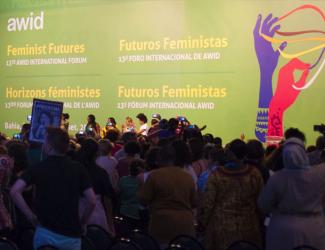
In September 2016, the 13th AWID international Forum brought together in Brazil over 1800 feminists and women’s rights advocates in a spirit of resistance and resilience.
This section highlights the gains, learnings and resources that came out of our rich conversations. We invite you to explore, share and comment!
What has happened since 2016?
One of the key takeaways from the 2016 Forum was the need to broaden and deepen our cross-movement work to address rising fascisms, fundamentalisms, corporate greed and climate change.
With this in mind, we have been working with multiple allies to grow these seeds of resistance:
Movements can also benefit from new methodologies on Visioning Feminist Futures (Coming up soon!)
And through our next strategic plan and Forum process, we are committed to keep developing ideas and deepen the learnings ignited at the 2016 Forum.
What happens now?
The world is a much different place than it was a year ago, and it will continue to change.
The next AWID Forum will take place in the Asia Pacific region (exact location and dates to be announced in 2018).
We look forward to you joining us!
About the AWID Forum
AWID Forums started in 1983, in Washington DC. Since then, the event has grown to become many things to many peoples: an iterative process of sharpening our analyses, vision and actions; a watershed moment that reinvigorates participants’ feminisms and energizes their organizing; and a political home for women human rights defenders to find sanctuary and solidarity.
We believe that the economy, the market, the financial system and the premises upon which they are built are critical areas of feminist struggle. Thus, our vision for a just economy goes beyond promoting women’s rights and empowerment in the market, to evaluating the role of gendered oppressions in shaping economic arrangements and transforming these to ensure gender and economic justice.
Process
We are neither starting from zero, nor alone in this attempt to put forward feminist propositions for a just economy. Many of the propositions herein have been advanced or exist in practice within diverse communities challenging and resisting the mainstream market and growth-based economic systems.
It is also very important to note that there is growing awareness of the fact that micro solutions are not always the answer to macro problems, even if they represent important spaces for resistance and movement building and that there may be limitations to particular alternatives to address the injustices of the current capitalist system at a global scale.
Goals
However, feminist alternatives for a just economy are critical to create dents in the system and draw lessons for transformative systemic change. Here we cannot presume to offer a comprehensive nor a complete account on how to create a just feminist economic model, or even models. But we can, but rather draw from cross-movement dialogue with trade unions, environmental, rural and peasants movements, to articulate the propositions for the journey towards this vision.
What do we want to change?
The neoliberal model driving the global economy has repeatedly demonstrated its inability to address the root causes of poverty, inequalities, and exclusion. Neoliberalism, and has in fact contributed to the very creation and exacerbation of these injustices.
Characterized by globalisation, liberalization, privatisation, financialisation and conditional aid, mainstream development policies over the past 3 decades have wreaked havoc on livelihoods over the past 3 decades. These policies have also sustained a trajectory of deepening inequalities, gendered injustices, and environmental destruction that the world can no longer afford to endure.
While there are people those who assert that economic growth, facilitated by giving free reign to corporations and businesses, can sustain a tide that will (eventually) raise all boats.
However, the notion of development that has prevailed for the past decades, built for the most part upon the premise of limitless economic growth, is going through an ideological crisis.
The myth of economic growth as a panacea for our problems is being debunked.
LE QUOTA D'EMPLOI TRANS
n'est pas respecté par les entreprises
The resourcing realities and state of funding for feminist movements change quickly, is this survey a one-off?
No, it's not. This survey builds on AWID’s 20-year history of mobilizing more and better funding for feminist-led social change and is the third iteration of our Where is the money for feminist organizing? research. Our aim is to repeat the WITM survey every 3 years.
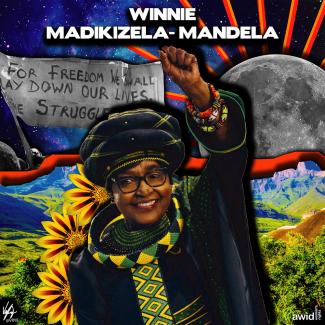
Winnie has been described as a “militant firebrand activist” who fought the apartheid regime in South Africa.
She was imprisoned multiple times, and on many occasions placed in solitary confinement.
Ma’Winnie, as she is affectionately remembered, was known for being outspoken about the challenges Black women faced during and after apartheid, having been on the receiving end of these brutalities herself as a mother, wife and activist during the struggle. She transcended the misconception that leadership is gender, class or race-based. Despite being a controversial figure, she is remembered by many by her Xhosa name, “ Nomzamo”, which means "She who endures trials".
Ma’Winnie continues to be an inspiration to many, particularly young South African women for whom her death has spurred a burgeoning movement, with the mantra: "She didn't die, she multiplied."
Agroecología y soberanía alimentaria
Contexto
La búsqueda de medios alternativos de producción alimentaria a partir de la sostenibilidad ambiental está ganando terreno en todas las regiones. Esta búsqueda mundial presenta una característica común: la necesidad de involucrar a la población rural y sobre todo a las mujeres, teniendo en cuenta sus prioridades y conocimientos locales, aplicando el principio de la agroecología.
Definición
La agroecología es una forma de practicar la agricultura o de utilizar tecnologías sin dañar el ambiente. Se propone quebrar el modelo hegemónico de desarrollo rural basado en los latifundios y monocultivos que beneficia sobre todo a las empresas agrícolas y afianza la exclusión social.
En la agricultura familiar, la agroecología se manifiesta como resistencia al modelo actual de desarrollo y sus problemas sociales, culturales, ambientales y económicos. Se opone a la falta de autonomía de la población campesina en cuanto a capital financiero y encarna una forma de resistencia al modelo de agronegocios actual.
Perspectiva feminista
Las iniciativas que se basan solo en la agroecología pueden no ser suficientes para resolver todos los problemas de marginación e invisibilidad de las mujeres. Por eso, una perspectiva feminista es fundamental para analizar las normas asociadas con la idea de familia que actualmente se postula como institución perfecta, así como con las condiciones de subordinación de las mujeres.
En términos más simples: para que la agroecología pueda liberar su potencial emancipatorio, es importante que los debates en torno a ella incluyan una reflexión sobre los roles de género socialmente construidos.
Follow the cooperative's work on Facebook and Instagram, share their campaigns and stay tuned to their actions and fundraising events!
¿Puedo contactarme con alguien si tengo alguna pregunta o duda?
Si tienes alguna pregunta o duda, contáctanos a través del formulario disponible aquí, indicando «Encuesta ¿Dónde está el dinero?» en el título del mensaje. También puede escribirnos a witm@awid.org.
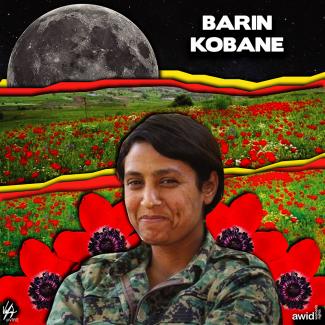
Barin integraba la unidad de batalla formada íntegramente por mujeres de la Unidad de Protección del Pueblo Kurdo (YPG).
La mataron cuando estaba en servicio activo.
La periodista libanesa Hifaa Zuaiter escribió: «Barin representa todo lo que hemos oído acerca del coraje de las combatientes kurdas, y su muerte es mucho más que el matar a un rival o el resultado de una lucha política o étnica. El horror de exhibir su cuerpo sólo porque es una mujer surge del hecho de que ella se atrevió a amenazar la hegemonía masculina al convertirse en una combatiente en un campo de batalla que se suponía era solo para hombres».
La participación de lxs afiliadxs de AWID en la CSW61
Los Estados miembros al igual que activistas y organizaciones por los derechos de las mujeres se reunirán en la sede central de las Naciones Unidas, en Nueva York, para la sexagésima primera sesión de la Comisión de la Condición Jurídica y Social de las Mujeres del 13 al 24 de marzo para abordar el tema «empoderamiento económico de las mujeres» en el contexto del Objetivo 5 para el Desarrollo Sostenible.
Aunque nos dará mucho gusto reunirnos en persona con aquellxs de ustedes que van a estar en Nueva York, también queremos interactuar con todxs aquellxs que no podrán asistir a la CSW y, en la medida que nos sea posible, amplificar sus voces en los espacios relevantes.
A continuación encontrarán información sobre las diferentes maneras en que pueden interactuar con AWID en relación con la CSW:
¡Participa en una toma del poder artística!
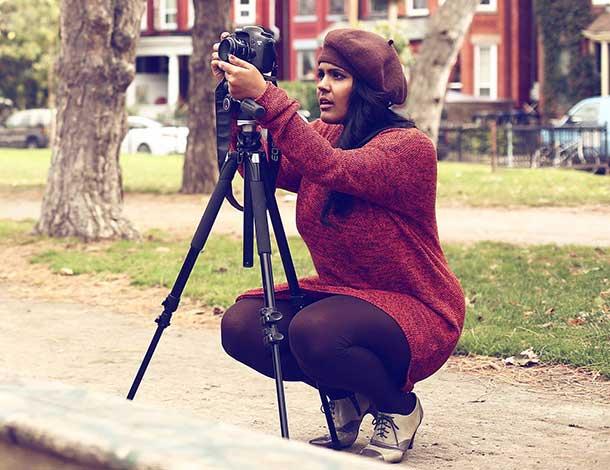
Nos complace anunciar que Nayani Thiyagarajah —afiliada de AWID— asistirá a la CSW este año y estará a cargo de la cuenta de Instagram de AWID. Nayani estará presente y disponible en Nueva York, para conectarse con otrxs afiliadxs, y posiblemente coordinar una presentación en nuestra cuenta de Instagram; también explorará la posibilidad de incluir a algunxs afiliadxs de AWID en un cortometraje sobre el tema «Lo personal es político», una historia de la participación de Nayani en la CSW de este año.
Nayani Thiyagarajah
¿Quién es Nayani?
Nayani Thiyagarajah es una realizadora, productora y escritora que se dedica a crear historias para la pantalla grande. Nayani es hija de la diáspora tamil, vive en Toronto y ha trabajado por más de diez años en las artes y la cultura. Su primer largometraje independiente Shadeism: Digging Deeper (2015) tuvo su estreno mundial en el Festival Internacional de Cine de Zanzíbar 2015, donde ganó un premio especial del jurado. Nayani realizó recientemente la película [RE]FRAME en asociación con la productora Camaro West, una compañía de producción con sede en Atlanta y Toronto, que se enfoca en reformular las historias de las personas negras, indígenas y otras personas de color a través de narraciones para la pantalla grande.
Hablando más seriamente, habría que señalar que Nayani se ríe de una manera extraña, es muy torpe, y su cabeza está siempre en las nubes. Nayani se siente extremadamente bendecida de poder crear historias para el cine, de ganarse la vida jugando a inventar historias y por encima de todo, Nayani cree en el amor.
(La misma Nayani nos envío estas líneas para su biografía)
¿Te interesaría conocer a Nayani y tener la posibilidad de ser incluidx en su película?
Envíanos un email dirigido a membership@awid.org con la línea de asunto «CSW: toma del poder artística»
Antes del 13 de marzo de 2017
Incluye tu nombre completo y tu país.
¿No puedes asistir? ¡Hazlo saber!
Si no puedes asistir a la CSW61 debido a una prohibición de viaje, ya sea impuesta por el gobierno de Trump o por tu propio gobierno, por favor comparte tu historia con nosotrxs.
Envíanos mensajes que quieres que sean escuchados en los espacios de las Naciones Unidas en lo que respecta al financiamiento, el impacto del restablecimiento de la Ley Mordaza Global y la necesidad de luchar en contra de todos los tipos de fundamentalismos religiosos. Puedes enviar tus mensajes en los siguientes formatos:
Video: Que no dure más de dos minutos y por favor envíalo a través de una carpeta de intercambio de archivos (por ejemplo, dropbox, google drive, etc.)
Audio: Que no dure más de dos minutos y por favor envíalo a través de una carpeta de intercambio de archivos (por ejemplo, dropbox, google drive, etc.)
Imagen: puedes enviarnos una foto o un cartel con tu mensaje.
Texto: Que no sea más largo de 200 palabras y por favor envíalo a través de un mail o en un documento Word.
Comparte tu mensaje con nosotrxs
Envíanos un email dirigido a membership@awid.org con la línea de asunto «CSW: ¡Hazlo saber!»
Antes del 15 de marzo de 2017
Reúnete con otrxs afiliadxs en la CSW61
Algunxs afiliadxs de AWID nos han dicho que les parece muy importante poder conectarse con otrxs afiliadxs en la CSW. En un espacio de incidencia tan grande, es útil conectarse con otrxs activistas que trabajan en temas similares, o que provienen del mismo país o región. Al reconocer la importancia de estas conexiones para la construcción de movimientos.
¿Te gustaría reunirte con otrxs afiliadxs de AWID mientras estás en Nueva York?
Envíanos un email dirigido a membership@awid.org con la línea de asunto «CSW: AWID Afiliadxs»
NOTE: Por favor envíanos tu nombre completo, país de origen y déjanos saber si te parece bien que compartamos tu dirección de mail con otrxs afiliadxs interesadxs en reunirse en la CSW.
Toma una fotografía
Si asistes a la CSW, nos gustaría ver lo que sucede a través de tus ojos. Puedes capturar un momento que, en tu opinión, hable de la energía en el espacio del evento, ya sea dentro o fuera de la sede. Tenemos pensado publicar algunas de tus «imágenes» en nuestros canales de redes sociales y compartirlas en awid.org.
Puedes enviarnos fotografías:
a color o en blanco y negro
un título (si lo deseas) y
una leyenda (de 100 palabras como máximo) sobre la historia que cuenta esa imagen.
Incluye además:
tu nombre completo
país de origen
infórmanos si podemos publicar en parte o por completo la información que nos hayas compartido.
Envía tus imágenes
Envíanos un email dirigido a membership@awid.org con la línea de asunto «CSW: fotografías»
Durante toda la duración de la CSW o poco después de haber concluido, hasta el martes 28 de marzo.
Snippet FEA Who takes care of them S4 (ES)
...¿QUIÉN LES CUIDA A ELLXS?
Snippet - WITM To build - RU
Создать ориентированную на феминистские реалии доказательную базу движения денег их получателей
Jacqueline était une éducatrice malienne pionnière de la cause féministe et nationaliste.
Elle a d’abord enseigné l'anglais au Sénégal avant d'être recrutée en 1961 par le Lycée Philippe Zinda Kaboré à Ouagadougou, au Burkina Faso. Etant donné son engagement militant, elle a pris part au soulèvement populaire du 3 janvier 1966. Entre 1961 et 1966, Jacqueline était par ailleurs responsable de la presse syndicale, La voix des enseignants. Elle a été nommée directrice du Cours normal des jeunes filles (aujourd’hui connu sous le nom de lycée Nelson Mandela) jusqu'en 1974 et s'est consacrée à l'éducation des filles et à la promotion des droits des femmes.
En 1984, elle a reçu le prix Paul G. Hoffmann pour sa contribution remarquable en matière de développement national et international.
Como parte del Viaje por las Realidades Feministas de AWID, te invitamos a explorar nuestro nuevo Club de Cine Feminista: una colección de cortometrajes y largometrajes seleccionados por nuestrxs curadorxs y narradorxs feministas de todo el mundo, que incluyen a Jess X. Snow (Asia-Pacífico), Gabrielle Tesfaye (África/Diáspora Africana) y Esra Ozban (Sudoeste Asiático y África del Norte). Alejandra Laprea es la curadora del programa de América Latina y Centroamérica, que inauguraremos en septiembre, durante el evento de AWID Crear, Résister, Transform: un festival para movimientos feministas. Mientras tanto, ¡mantente atentx a los anuncios sobre proyecciones especiales y conversaciones con cineastas!
Overview
This bibliography intends to contribute to the desire for learning and engagement identified by activists in the Middle East and North Africa region when reflecting on the aftermath of fast unfolding transitions in the region. Such transitions, while specific to the context of MENA, are not unique in their occurrences around the world. Experiences and practices of feminists from around the world engaged in similar, even if not identical, struggles towards the democratization of their countries with a gendered lens and a feminist politics constitute an important knowledge bank that activists can draw upon, learn from, and engage with. This resource mapping aims to fill the gap realized in various convenings and conversations of a lack of information sharing and knowledge bridging among feminists across the regions that experienced similar uprisings; particularly along south-south and east-south lines.
This publication represents a research mapping of key resources, publications and materials on transitions to democracy and women’s rights in different countries of the world that have undergone such processes, such as: Indonesia, Chile, South Africa, Nepal, Mexico, Argentina, Poland, Ukraine, as well as within the Middle East and North Africa (MENA). It provides bibliographic information and short summaries of resources which succinctly identify the contextual changes and challenges facing women in those particular transitional moments, as well as clearly delineates the ways in which women’s rights activists sought to confront those challenges and what lessons were learned.
We hope that this collection of ideas, research, analysis and experiences provides the kind of rich ingredients needed to create new recipes for confronting old and new challenges. By sharing these texts, our goal is to make links across borders, expand possibilities and knowledge, and invite debate, reflection, and inspiration for women’s rights organizations and activists in the MENA region. While every moment and space has its own unique flavor and history, highlighting connections to similar challenges and aspirations allows us all to bring things in conversation with one another, imagine a new vantage point into a problem, and increase our sense of belonging and purpose and thus our capacity to stay strong in the face of the seemingly impossible. It is the collective strength of a movement that gives it the power to create change. The goal with this publication is not that one specific text will necessarily help illuminate new solutions, but that the combined knowledge and analysis from a variety of sources will provide readers with an opportunity to expand their horizons and foster connections. In our small way, we hope to contribute to furthering the democratization of knowledge, and supporting women’s rights movements in the MENA to continue building an inclusive transition process that will result in advancements of social justice and gender equality.