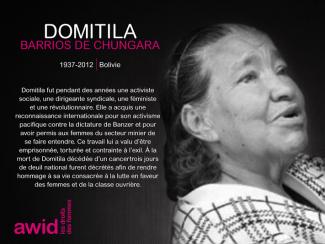
Domitila Barrios de Chungara
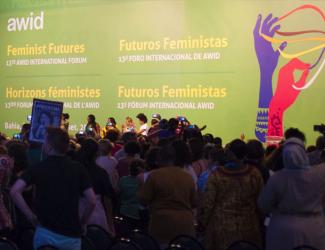
In September 2016, the 13th AWID international Forum brought together in Brazil over 1800 feminists and women’s rights advocates in a spirit of resistance and resilience.
This section highlights the gains, learnings and resources that came out of our rich conversations. We invite you to explore, share and comment!
One of the key takeaways from the 2016 Forum was the need to broaden and deepen our cross-movement work to address rising fascisms, fundamentalisms, corporate greed and climate change.
With this in mind, we have been working with multiple allies to grow these seeds of resistance:
And through our next strategic plan and Forum process, we are committed to keep developing ideas and deepen the learnings ignited at the 2016 Forum.
AWID Forums started in 1983, in Washington DC. Since then, the event has grown to become many things to many peoples: an iterative process of sharpening our analyses, vision and actions; a watershed moment that reinvigorates participants’ feminisms and energizes their organizing; and a political home for women human rights defenders to find sanctuary and solidarity.
En dépit de la rigidité de leur doctrine et de leur vision du monde, les acteurs anti-droits ont fait preuve d’ouverture dans la construction de nouveaux types d’alliances stratégiques ainsi que dans l’utilisation de nouvelles techniques d’organisation et modes d’argumentation. En conséquence, ils sont de plus en plus influents dans les espaces internationaux.
Les ultraconservateurs qui agissent à ce niveau ont fait considérablement évoluer leurs stratégies. Ils ne limitent pas leurs ambitions à la modification de certains aspects marginaux des accords et à la lutte contre l’utilisation de certaines formulations. Ils œuvrent également à la transformation conceptuelle du cadre lui-même et à l’élaboration de norme et de référentiels alternatifs. Ils cherchent enfin à ouvrir les brèches qui renforceront leur influence.
Les ultraconservateurs travaillent à la création et à la pérennité de leurs relations avec des délégués d’États membres de l’ONU en leur proposant régulièrement des formations – notamment pendant le Global Family Policy Forum (Forum mondial sur la politique familiale) qui se tient tous les ans – ainsi que du matériel de formation ciblé.
Ces formations régulières et ces ressources donnent systématiquement aux délégués des informations relatives à des sujets de débat et à des techniques de négociation dans le but d’approfondir leur contribution aux objectifs anti-droits au sein du système relatif à ceux-ci. Les délégués reçoivent également des compilations ciblées de « formulations consensuelles » et de références à des informations pseudo-scientifiques ou à des statistiques dans le but de renforcer leur argumentaire.
La transmission organisée de ces messages explique en partie pourquoi les délégués de certains États membres adoptent des positions ultraconservatrices dans les débats internationaux sur les droits humains en totale contradiction avec leurs propres lois et politiques nationales.
Les abondantes réunions régionales et internationales entre acteurs anti-droits contribuent à créer des liens plus étroits entre les organisations de la société civile (OSC) ultraconservatrices, les États et blocs d’États et certains organismes intergouvernementaux puissants. Le Congrès mondial international des familles est une bonne illustration de rassemblements de ce type.
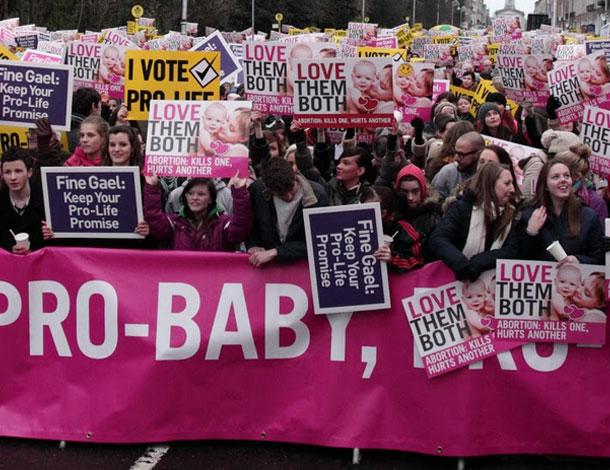
Ces rencontres renforcent les liens personnels et les alliances stratégiques, des éléments clés de la construction et de la pérennité des mouvements. Elles facilitent l’existence de relations transnationales et interreligieuses dynamiques qui se créent autour de questions et d’intérêts communs. Celles-ci permettent aux acteurs anti-droits de mettre en œuvre une approche plus entreprenante et de formuler un ensemble plus complet de revendications en matière de politique internationale.
Des États et blocs d’États tentent depuis toujours de saper les consensus internationaux ou le principe de responsabilité des États définis en vertu des normes internationales relatives aux droits humains. À cette fin, ils émettent des réserves quant aux accords sur les droits humains, menaçant ainsi le caractère universel de leur applicabilité.
La Convention sur l'élimination de toutes les formes de discrimination à l'égard des femmes (CEDAW) est le texte qui a provoqué l’émission du plus grand nombre de réserves. La plupart d’entre elles sont fondées sur des conflits présumés avec le droit religieux. Le droit international relatif aux droits humains est très clair concernant les références à la tradition, à la culture ou à la religion : celles-ci ne peuvent en aucun cas justifier de violations des droits humains. Nombre des réserves émises à propos de la CEDAW ne sont pas valables car elles sont « incompatibles avec l’objet et le but » de la CEDAW. Néanmoins, les États se servent constamment de ces réserves pour ne pas assumer leurs responsabilités en matière de droits humains.
Ces acteurs émettent des « réserves » de plus en plus nombreuses sur les documents et accords de l’ONU qui ne sont pas des traités officiels, notamment sur les résolutions du Conseil des droits de l’homme et de l’Assemblée générale.
Il est alarmant de constater que certains acteurs rétrogrades actifs au sein du système onusien ont commencé à coopter les références existantes en matière de droits et à élaborer et promouvoir un langage consensuel qui revêt un caractère profondément anti-droits. L’objectif est de créer puis de propager ce langage qui légitime des normes patriarcales, hiérarchiques, discriminatoires et culturellement relativistes dans les espaces internationaux consacrés aux droits humains.
Dans ce but, un certains nombre de déclarations ont été rédigées, parmi lesquelles la Déclaration mondiale de la famille et les Articles de San José, qui se veulent les représentantes d’une version moins contraignante du droit des droits humains. Des signatures sont recueillies auprès de multiples acteurs de la société civile, d’États et d’institutions et sont ensuite utilisées comme des outils de plaidoyer et de lobbying.
Dans le cadre d’un virage stratégique vers le recours à des arguments non religieux, les acteurs anti-droits ont considérablement investi dans leurs propres groupes de réflexion axés sur les « sciences sociales ». Relayées par des médias conservateurs en plein essor, les idées de ces think tanks sont largement diffusées par des groupes conservateurs issus de la société civile. Les mêmes supports servent ensuite de matériel de base pour le travail de plaidoyer auprès du système international relatif aux droits humains.
Bien que les objectifs et la motivation des conservateurs découlent de leurs interprétations extrémistes de la religion, de la culture et de la tradition, leurs arguments rétrogrades sont souvent appuyés par des études qui s’arrogent une forme d’autorité intellectuelle. Ils élaborent ainsi un contre-discours, savant mélange de doctrine traditionaliste et de sciences sociales.
Il s’agit de l’une des stratégies les plus efficaces de la droite religieuse, et elle représente un investissement majeur pour l’avenir du processus organisationnel des acteurs anti-droits. Le recrutement des jeunes et le développement de leurs compétences en leadership – des processus qui s’opèrent en premier lieu au niveau local par le biais des églises et des campus – sont une priorité pour de nombreux conservateurs qui tentent d’influencer les politiques internationales.
Cette stratégie leur a permis de s’infiltrer dans les espaces du système onusien notamment consacrés à la jeunesse, parmi lesquels la Commission de la condition de la femme, et de créer une opposition conséquente aux réseaux et organisations progressistes de jeunes.

Que ce soit auprès des mécanismes d’experts faisant autorité – parmi lesquels les Procédures spéciales et les organes chargés de la surveillance de l’application des traités de l’ONU – ou auprès des organes opérationnels comme les agences de l’ONU, les groupes anti-droits ont conscience que leur influence potentielle est beaucoup plus faible qu’au sein des mécanismes politiques.
En conséquence, les groupes anti-droits répandent un certain nombre d’idées, parmi lesquelles le fait que les agences des Nations Unies « outrepassent leur mandat », que le Comité de la CEDAW et d’autres organes créés en vertu d'instruments relatifs aux droits humains n’ont pas le pouvoir d’interpréter les traités ou encore que les Procédures spéciales sont activées par des experts partisans qui ne respectent pas l’étendue de leur mandat. Les groupes anti-droits exercent également des pressions pour compromettre le financement d’agences comme le Fonds des Nations Unies pour la population (FNUAP).
Cette délégitimation des mécanismes de l’ONU encourage l’impunité des États. Les gouvernements soumis à un examen international sont alors en mesure de justifier leurs actes en arguant du fait que le mécanisme de révision lui-même est défaillant ou trop exigeant.
Les forces conservatrices non étatiques investissent de plus en plus dans les médias sociaux et dans d’autres plateformes en ligne pour promouvoir leurs activités, leurs campagnes et diffuser le plus largement possible leurs informations sur les espaces internationaux relatifs aux droits humains. L’organisation espagnole CitizenGo, par exemple, se veut la version conservatrice de change.org et publie des pétitions et des campagnes épistolaires. Une pétition récente contre la création par l’ONU d’une journée internationale de l’avortement sans risque a rassemblé plus de 172 000 signatures.
S’inspirer des stratégies d’organisation des groupes féministes et d’autres acteurs progressistes.
Adapter à la sphère internationale les stratégies qui ont porté leurs fruits au niveau national.
Passer de la « protestation symbolique » contre le cadre des droits humains à une stratégie d’infiltration subversive du système.
En comprenant les stratégies déployées par les acteurs anti-droits, nous pouvons les contrer plus efficacement.
Télécharger le chapitre complet (en anglais)

LE QUOTA D'EMPLOI TRANS
n'est pas respecté par les entreprises

Опрос доступен на английском, арабском, испанском, португальском, русском и французском языках!
Ursula fue una novelista estadounidense que trabajó principalmente con los géneros de fantasía y ciencia ficción.
Encontró la fama con La mano izquierda de la oscuridad, novela en la cual imagina una sociedad futura donde la gente es ambisexual: no tienen un sexo fijo. Indaga en los efectos del género y el sexo en la sociedad, y fue uno de los primeros grandes libros feministas de ciencia ficción. Ursula fue una inspiración por su escritura subversiva y original y también por los temas sobre feminismo y libertad a los que les daba tanta importancia.
En un discurso que pronunció en 1983 en el Mills College, en California, les dijo a las graduadas: «¿Por qué una mujer libre con formación universitaria debería o luchar contra el macho o servirlo? ¿Por qué ella debería vivir su vida en los términos de él? Espero que ustedes vivan sin la necesidad de dominar y sin la necesidad de ser dominadas».

Our new research paper The Devil is in the Details addresses knowledge gaps around religious fundamentalisms within the development sector, and aims to improve understanding of how they constrain development and women’s rights in particular. It provides recommendations for ways development actors can avoid inadvertently strengthening and instead challenge fundamentalisms. [CTA download link: Read the full paper]
| Graphic1 | 1. Control of women’s bodies, sexuality, and choice are “warning signs” of rising fundamentalisms. |
| 2. Neoliberal economic policies have a particularly negative impact on women, and fuel the growth of religious fundamentalisms. | Graphic2 |
| Graphic3 | 3. Choosing religious organizations as default for partnerships builds their legitimacy and access to resources, and supports their ideology, including gender ideology. |
| 4.Everyone has multiple identities and should be defined by more than just their religion. Foregrounding religious identities tends to reinforce the power of religious fundamentalists. | Graphic4 |
| Graphic5 | 5. Religion, culture, and tradition are constantly changing, being reinterpreted and challenged. What is dominant is always a question of power. |
| 6. Racism, exclusion, and marginalization all add to the appeal of fundamentalists’ offer of a sense of belonging and a “cause”. | Graphic6 |
| Graphic7 | 7. There is strong evidence that the single most important factor in promoting women’s rights and gender equality is an autonomous women’s movement. |
The Devil is in the Details details the grave human rights violations, and violations of women’s rights in particular, caused by state-sponsored fundamentalism, as well as by fundamentalist non-state actors such as militias, religious community organizations, and individuals. Fundamentalist reinforcement of regressive, patriarchal social norms are leading to the rise of violence against women, girls, and women human rights defenders (WHRDs). The paper highlights these key insights for addressing the problem:
Development actors are in a position to take a strong role in this. The collective capacity of development actors to recognize and collaboratively address religious fundamentalisms is vital for advancing social, economic, and gender justice and the human rights of all people in sustainable development. It is vital to promote intersectional feminist understandings of power and privilege, and to apply these to questions of religion and culture. Women’s organizations already have knowledge and strategies to counter fundamentalisms development actors should build on this, and invest in cross-issue coalitions to help them reach new heights.
Como parte del Viaje por las Realidades Feministas de AWID, te invitamos a explorar nuestro nuevo Club de Cine Feminista: una colección de cortometrajes y largometrajes seleccionados por nuestrxs curadorxs y narradorxs feministas de todo el mundo, que incluyen a Jess X. Snow (Asia-Pacífico), Gabrielle Tesfaye (África/Diáspora Africana) y Esra Ozban (Sudoeste Asiático y África del Norte). Alejandra Laprea es la curadora del programa de América Latina y Centroamérica, que inauguraremos en septiembre, durante el evento de AWID Crear, Résister, Transform: un festival para movimientos feministas. Mientras tanto, ¡mantente atentx a los anuncios sobre proyecciones especiales y conversaciones con cineastas!
Глобальный опрос «Где деньги для феминистских объединений?» является ключевым элементом третьего этапа нашего исследования, ориентированного на конкретные действия: «Где деньги для феминистских объединений» (короткое название – «Где деньги?»). Результаты опроса будут доработаны и обстоятельно изучены в ходе бесед с активистами и донорами, а также сопоставлены с другими имеющимися аналитическими материалами и исследованиями о состоянии ресурсов феминистских движений и инициатив по достижению гендерного равенства во всем мире.
Полный отчет организации «Где деньги для феминистских объединений?» будет опубликован в 2026 году.
 Чтобы узнать больше о том, как AWID освещает вопросы финансирования феминистских движений, ознакомьтесь с историей инициативы «Где деньги?» и нашими предыдущими отчетами здесь.
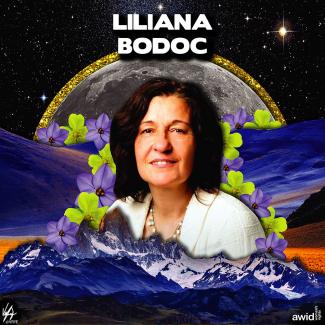
Liliana était enseignante argentine, tisseuse et également une écrivaine reconnue.
Sa trilogie « La saga des confins » a reçu plusieurs prix. Son œuvre est la seule dans le domaine littéraire fantastique à avoir eu recours et ré-imaginé la mythologie autochtone sud-américaine.
L’engagement de Liliana envers le féminisme s’est exprimé à travers les voix féminines diverses, riches et fortes de ses écrits, et en particulier dans le cadre de ceux à destination du jeune public. Elle a également pris position publiquement en faveur de l'avortement, de la justice économique et de l’égalité de genre.
Este modelo económico explota desenfrenadamente la naturaleza e intensifica las desigualdades norte, donde sus grandes corporaciones se benefician y sur, de donde extraen los recursos.
Lee nuestro reporte de INDUSTRIAS EXTRACTIVAS
Hay alternativas sostenibles para el medioambiente y los derechos humanos de la mujer. Empecemos por conseguir un tratado vinculante para que las corporaciones extractivas nos respeten.

Есть много причин, по которым ваше участие в опросе очень важно. Это возможность поделиться своим опытом привлечения финансирования для деятельности вашей организации; заявить о себе как об эксперте в вопросах движения денежных средств и их получателей; внести свой вклад в коллективную и последовательную адвокацию среди доноров, чтобы привлечь более объемное и эффективное финансирование. За последние два десятилетия исследования AWID в этой области зарекомендовали себя как ключевой ресурс для активисток(-тов) и доноров. Мы приглашаем вас присоединиться к нам в реализации третьей части инициативы «Где деньги?», чтобы осветить реальное состояние ресурсного обеспечения, оспорить ошибочные решения и указать на то, как необходимо изменить финансирование, чтобы движения процветали и реагировали на сложные вызовы нашего времени.
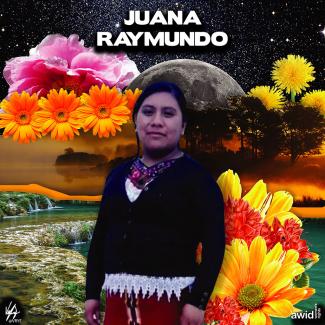
Juana was an Indigenous Mayan Ixil, professional nurse and coordinator of the Farmers’ Development Committee (Comité de Desarrollo Campesino – CODECA).
CODECA is a human rights organisation of Indigenous farmers dedicated to promoting land rights and rural development for Indigenous families) in the Nebaj Quiché micro-region. She first joined CODECA as a member of its youth branch (Juventud de CODECA). At the time of her death had been elected to be part of the Executive Committee of the Movement for the Liberation of Peoples (MLP).
Juana’s body was found by neighbours by a small river on the road near Nebaj and Acambalam Village, Guatemala. According to CODECA, her body showed signs of torture.
El marco de referencia de las Realidades Feministas en el Foro se despliega a través de seis ejes temáticos. Cada uno coloca en un lugar central las realidades, experiencias y visiones feministas, dentro del continuum que va de la resistencia a las propuestas, las luchas y las alternativas.
Queremos explorar juntxs de qué están hechas nuestras realidades feministas y qué es lo que les permite florecer en las diferentes esferas de nuestras vidas. Estas realidades pueden ser formas ya muy desarrolladas de vivir, sueños e ideas que están tomando forma o experiencias y momentos valiosos.
Los ejes temáticos no son compartimentos aislados sino más bien envases que guardan las actividades a desarrollarse en el Foro y que están abiertos, comunicados entre sí. Imaginamos que muchas actividades tendrán lugar allí donde estos ejes temáticos - así como diferentes luchas, comunidades y movimientos - se entrecruzan. Las descripciones que compartimos a continuación son preliminares y continuarán enriqueciéndose a medida que continúe nuestro recorrido por las Realidades Feministas.
Este eje temático coloca en primer plano las preguntas acerca de cómo nosotrxs - en tanto personas, comunidades y movimientos - satisfacemos nuestras necesidades básicas y garantizamos los recursos que necesitamos para vivir en plenitud, priorizando el cuidado de las personas y la naturaleza. Cuando hablamos de recursos nos referimos a los alimentos, el agua, el aire puro y también el dinero, el trabajo, la información, el conocimiento, el tiempo y otros.
Partiremos de las resistencias feministas al sistema económico dominante de explotación y extractivismo para subrayar propuestas, experiencias y prácticas feministas contundentes e inspiradoras para organizar nuestra vida económica y social. Algunas de las temáticas a explorar son la soberanía alimentaria y de las semillas, las miradas feministas acerca del trabajo y el empleo, o los sistemas justos y sostenibles de comercio. Con valentía abordaremos las contradicciones que resultan de nuestra necesidad de sobrevivir en sistemas económicos opresivos.
Este eje temático posiciona el financiamiento y los recursos para las organizaciones y los movimientos dentro de un análisis feminista más amplio de la justicia económica y la generación de la riqueza. Analizaremos cómo mover recursos para que lleguen adonde resultan necesarios a través de la justicia fiscal, propuestas como el ingreso universal, diferentes modelos de filantropía y la generación autónoma y creativa de recursos para los movimientos.
Queremos construir nuevas visiones y difundir las realidades y experiencias ya existentes de gobernanza, justicia y rendición de cuentas feministas. Frente a la crisis global y al auge de los fascismos y los fundamentalismos, este eje temático le da un lugar central a modelos, prácticas e ideas feministas, radicales y emancipatorias para organizar la sociedad y la vida política desde el nivel local al global.
En este eje temático exploraremos cómo es la gobernanza feminista, por ejemplo a través de experiencias de municipalismo, la construcción de identidades por fuera de las naciones-estados o nuestras miradas acerca del multilateralismo. Intercambiaremos experiencias de procesos de justicia y rendición de cuentas en nuestras comunidades, organizaciones y movimientos, que incluyen modelos de justicia restaurativa, comunitaria y transformadora que rechazan la violencia estatal y el complejo carcelario-industrial.
También le daremos protagonismo a las experiencias de desplazamiento, migración y búsqueda de refugio, así como a los procesos de organización feminista en procura de un mundo sin regímenes de fronteras letales: un mundo donde el movimiento sea libre y los recorridos posibles nos apasionen.
El rol de la tecnología en nuestras vidas es cada vez mayor y la línea entre las realidades virtuales y no virtuales se está borrando. Lxs feministas utilizamos ampliamente las tecnologías y los espacios virtuales para construir comunidades, aprender unxs de otrxs y movilizarnos para la acción. Con los espacios virtuales podemos expandir los límites de nuestro mundo físico. Pero esto tiene un costado problemático: las comunicaciones digitales son cada vez más propiedad de empresas cuya rendición de cuentas frente a lxs usuarixs es mínima. La minería de datos, la vigilancia y los quiebres en la seguridad de la información se han convertido en la norma, junto con la violencia y el acoso en línea.
En este eje exploraremos las oportunidades y desafíos feministas dentro de las realidades digitales. Estudiaremos las alternativas a las plataformas de propiedad privada que dominan el paisaje digital, así como estrategias para movernos en espacios digitales cuidando nuestro bienestar y cómo usar la tecnología para superar desafíos en términos de accesibilidad. También descubriremos el potencial de la tecnología en la esfera del placer, la confianza y los vínculos.
Albergamos realidades feministas también dentro nuestro: son nuestras experiencias corporizadas. Controlar nuestro trabajo, nuestros desplazamientos, nuestra reproducción y nuestra sexualidad continúa siendo un elemento central para las estructuras patriarcales, cisheteronormativas y capitalistas. Para hacer frente a esa opresión, personas de distintos géneros, sexualidades y capacidades creamos espacios y subculturas de encuentro, de alegría, de cuidado, de placer y de profunda valoración de nosotrxs mismxs y de cada unx de lxs otrxs.
En este eje temáticos exploraremos múltiples ideas, narrativas, imaginarios y expresiones culturales de consentimiento, agencia y deseo desde las miradas de las mujeres, las personas trans, no binaries, intersex y que de distintas maneras cuestionan los mandatos de género en diversas sociedades y culturas.
Intercambiaremos experiencias sobre nuestros triunfos en cuanto a derechos y justicia reproductiva, además de desarrollar cuáles son las prácticas sociales que habilitan y respetan la autonomía, la integridad y la libertad corporales. Este eje temático vincula entre sí diferentes luchas y movimientos para que cada uno pueda incorporar las percepciones y experiencias de bienestar y placer de los otros.
Imagínense un planeta feminista. ¿Cómo se escucha el agua? ¿Cómo huele el aire? ¿Cómo se siente la tierra al tocarla? ¿Cuál es la relación entre el planeta y sus seres vivos, incluyendo a la especie humana? Las realidades feministas son realidades de justicia ambiental y climática. Las luchas feministas, indígenas, decoloniales y ecológicas a menudo surgen de visiones y relaciones entre las personas y la naturaleza que son transformadoras.
Este eje está centrado en el bienestar de nuestro planeta y reflexiona acerca de cómo la especie humana ha interactuado con el planeta y lo ha modificado. Nos proponemos explorar aspectos de los conocimientos tradicionales y de la biodiversidad como aportes para sostener un planeta feminista y aprender acerca de prácticas e iniciativas feministas sobre decrecimiento, bienes comunes, modelos de economías alternativas/paralelas, agroecología, soberanía alimentaria y energética.
Si bien pensamos que todos los ejes temáticos están relacionados, este es verdaderamente transversal por eso lxs invitamos a incorporar la dimensión de lo organizativo a la actividad que propongan, sin importar con qué eje/s se relaciona.
¿Cómo nos estamos organizando lxs feministas en el mundo de hoy? Esta pregunta nos lleva a prestarle atención a actores, dinámicas de poder, recursos y liderazgo; a las economías en las que estamos inmersxs; a lo que consideramos justicia y rendición de cuentas; a la era digital; a nuestras experiencias de autonomía, bienestar y cuidado colectivo. En todos los ejes temáticos esperamos crear espacios para una reflexión sincera sobre la distribución de poder y recursos y las negociaciones en torno a ellos en nuestros movimientos.
El Foro es más que una reunión de cuatro días. Es una estación en un recorrido más largo para fortalecer nuestros movimientos en torno a la noción de Realidades Feministas que ya ha comenzado y que continuará más allá de las fechas del Foro.