
Building Feminist Economies
Building Feminist Economies is about creating a world with clean air to breath and water to drink, with meaningful labour and care for ourselves and our communities, where we can all enjoy our economic, sexual and political autonomy.
In the world we live in today, the economy continues to rely on women’s unpaid and undervalued care work for the profit of others. The pursuit of “growth” only expands extractivism - a model of development based on massive extraction and exploitation of natural resources that keeps destroying people and planet while concentrating wealth in the hands of global elites. Meanwhile, access to healthcare, education, a decent wage and social security is becoming a privilege to few. This economic model sits upon white supremacy, colonialism and patriarchy.
Adopting solely a “women’s economic empowerment approach” is merely to integrate women deeper into this system. It may be a temporary means of survival. We need to plant the seeds to make another world possible while we tear down the walls of the existing one.
We believe in the ability of feminist movements to work for change with broad alliances across social movements. By amplifying feminist proposals and visions, we aim to build new paradigms of just economies.
Our approach must be interconnected and intersectional, because sexual and bodily autonomy will not be possible until each and every one of us enjoys economic rights and independence. We aim to work with those who resist and counter the global rise of the conservative right and religious fundamentalisms as no just economy is possible until we shake the foundations of the current system.
Our Actions
Our work challenges the system from within and exposes its fundamental injustices:
-
Advance feminist agendas: We counter corporate power and impunity for human rights abuses by working with allies to ensure that we put forward feminist, women’s rights and gender justice perspectives in policy spaces. For example, learn more about our work on the future international legally binding instrument on “transnational corporations and other business enterprises with respect to human rights” at the United Nations Human Rights Council.
-
Mobilize solidarity actions: We work to strengthen the links between feminist and tax justice movements, including reclaiming the public resources lost through illicit financial flows (IFFs) to ensure social and gender justice.
-
Build knowledge: We provide women human rights defenders (WHRDs) with strategic information vital to challenge corporate power and extractivism. We will contribute to build the knowledge about local and global financing and investment mechanisms fuelling extractivism.
-
Create and amplify alternatives: We engage and mobilize our members and movements in visioning feminist economies and sharing feminist knowledges, practices and agendas for economic justice.
“The corporate revolution will collapse if we refuse to buy what they are selling – their ideas, their version of history, their wars, their weapons, their notion of inevitability. Another world is not only possible, she is on her way. On a quiet day, I can hear her breathing”.
Arundhati Roy, War Talk
Related Content
Film club - The Turtle's rage
The Turtle’s Rage (2012) German | Arabic with English subtitles
THE TURTLE'S RAGE tells the story of a mysterious man, whose life has been molded by flight, expulsion, life in exile and the failed return to Palestine. The film is composed of a daughter's search for answers from her father.
Live Conversation with Pary El-Qalqili, filmmaker of “The Turtle’s Rage”
هل مشاركتي سريّة؟
أكيد. سيتم محي اجوبتك بعد عملية معالجة المعطيات وتحليلها وسيتم استعمالها لأهداف بحثية فقط. لن تتم أبداً مشاركة المعطيات خارج AWID وسيتم معالجتها فقط عن طريق طاقم AWID والمستشارات/ين اللواتي/ اللذين يعملن/وا في مشروع "أين المال" معنا. خصوصيتكم/ن وسرّيتكم/ن هي في أعلى سلم أولوياتنا. سياسة الخصوصية متواجدة هنا.
Time for Action: Stop the anti-rights infiltration of the UN!
Call to action
Sign the Call to Action!
Want to join the growing numbers of people saying “enough” to the infiltration of the UN by anti-rights actors?
Как долго будет доступен опрос?
Опрос будет доступен до конца августа 2024 года. Пожалуйста, заполните его в течение этого срока, чтобы ваши ответы были включены в анализ.
Snippet Kohl - Intro Arabic
التجسيدات العابرة للحدود
قضايا تتعلق بالجسد والجندر ومختلف أنواع الجنسانية، واستكشف الروابط المتشابكة بين القضايا هذه وكونها تجاربَ مجسّدة بعمق ومكانًا يُعترض فيه على الحقوق تكون فيه الأخيرة مهدّدة في المجتمع.
تكمن قوّة الحركات النسوية في طريقة تنظيمنا وتنسيق نشاطنا، ليس ضمن مجتمعاتنا وحركاتنا فحسب إنما بالتعاون مع قضايا ومجموعات حليفة في مجال العدالة الاجتماعية. وفّرت المساحة هذه فرصًا للحركات لمشاركة طرق التنظيم واستراتيجيات تكتيكية مع بعضنا البعض وتعزيزها.
لقد أوضحت جائحة كوفيد-١٩ العالمية فشل الرأسمالية النيوليبرالي فبدا أكبر من قبل وكشفت عن التفكك الموجود في أنظمتنا أكثر من أي وقت سابق، فشددت على ضرورة بناء أنواع واقع جديد وفرص بنائها. يتطلّب التعافي النسوي الاقتصادي والاجتماعي منّا جميعًا أن ننجح كلّنا معًا. نصدر النسخة هذه من المجلة بالشراكة مع «كحل: مجلة لأبحاث الجسد والجندر»، وسنستكشف عبرها الحلول والاقتراحات وأنواع الواقع النسوية لتغيير عالمنا الحالي وكذلك أجسادنا وجنسانياتنا.
يمكنك تصفح المقالات عبر الإنترنت أو
قم بتنزيل ملف PDF
Snippet - Home page promo WITM - EN
"Where is the money for feminist organizing?"
Building on our 20-year history of mobilizing more and better funding for feminist-led social change, AWID invites you to complete the new iteration of our flagship survey, WITM.
Communicating Desire and Other Embodied Political Praxes | Title Snippet EN
Communicating Desire and Other Embodied Political Praxes
with Manal Tamimi, Lindiwe Rasekoala, and Louise Malherbe
Podcast credit: Zuhour Mahmoud
Snippet - Rights and Resources - EN
Rights and Resources:
Getting Ready for the Next 30 Years
✉️ In-person registration is now closed. Sign up for the livestream here
📅 Wednesday, March 12, 2025
🕒 12.00-1.30pm EST
🏢 UNDP, 304 E 45th St. Doha Room, 11th Floor (FF Building)
Organizers: UNDP, Femena, SRI and AWID
Illumination by the Light of the Full Moon | Snippet Small EN
Illumination by the Light of the Full Moon: An African BDSM experience
More than a fun kink to explore for the sensations, BDSM can be a way of addressing emotional pain and trauma. It has been a medium of sexual healing for me, providing a radical form of liberation.
Snippet - GenderJobs.org

GenderJobs.org: This is a platform with a comprehensive list of job opportunities to work on gender equality and LGBTQI+ rights, curated by gender professionals and intersectional feminists who intimately know the sector and are extremely passionate about supporting other gender professionals and anyone who is aspiring to become one! (source: https://genderjobs.org/about)
A Joy to the World: Six Questions with Naike Ledan | Small Snippet AR
الفرح للعالم: ستّة أسئلة مع نايكي ليدان
ما ساعدني في ذلك هو حبّي للعمل في كافة أنحاء البلاد، وتوثيق معارف الناس. لذلك تركت مساحتى المريحة، وأصبحت مديرة قطرية لمنظّمة إقليمية كويرية. تركَّز معظم عملي على إيجاد الموارد وبناء قدرات المجتمع المدني.
Snippet - WCFM Database blurb 2 - En
Know a Funder? Add them to the Database!
Are you a funder? Or do you know funders that support feminist and gender justice movements? Apply to be a part of the Who Can Fund Me? Database now!
Clone of Crear | Résister | Transform: A Walkthrough of the Festival! | Content Snippet AR
مع استمرار الرأسمالية الأبوية الغيريّة في دَفعِنا نحو الاستهلاكية والرضوخ، نجد نضالاتنا تُعزَل وتُفصَل عن بعضها الآخر من خلال الحدود المادّية والحدود الافتراضية على حدٍّ سواء. ومع تحدّياتٍ إضافية يفرضها علينا وباءٌ عالميٌّ علينا تجاوزه، أصبحت سياسة فرِّق تَسُد مواتية للاستغلال المتزايد في مجالات عدّة.
ومع ذلك، أخذَنا «ابدعي، قاومي، غيٍّري: مهرجان للحراكات النسوية»، الذي نظّمته جمعية «حقوق المرأة في التنمية» AWID في الفترة ما بين 1 أيلول/ سبتمبر وحتى 30 أيلول/ سبتمبر 2021، في رحلةٍ حول ما يعنيه تجسّد حيواتنا في المساحات الافتراضية. اجتمعَت معنا في المهرجان ناشطات نسويات من حول العالم، لأجل مشاركة خبراتهن حول المقاومة والحرّيات المُنتَزَعة بصعوبة، والتضامن العابر للحدود، وكذلك لتوضيح الشكل الذي يمكن أن يبدو عليه التكاتف العابر للحدود القومية.
يحمل هذا التكاتف إمكانية مقاومة الحدود، ناسجاً رؤية لمستقبل تحويلي، لأنه سيكون إلغائيًا ومناهضًا للرأسمالية. على مدار شهر، وعبر البُنى التحتية الرقمية التي احتللناها بكويريّتنا ومقاومتنا وخيالاتنا، بيّن لنا المهرجان طريقةً للانحراف عن الأنظمة التي تجعلنا متواطئات في قهر أنفسنا وأخريات/ آخرين.
بالرغم من أن أودري لورد علّمتنا أنّ أدوات السيّد لن تهدم أبدًا منزله، بيّنت لنا سارة أحمد أنه بإمكاننا إساءة استخدام تلك الأدوات عن سبق إصرار. أصبح من الممكن تخيّل خلخلة في واقع الرأسمالية الأبوية الغيريّة، لأننا خلقنا مساحة للاحتشاد، بالرغم من كلّ الأشياء الأُخرى التي تتطلّب وقتنا.
إذا أدركنا الاحتشاد باعتباره أحد أشكال التمتّع، عندها سيصبح من الممكن خلق الرابط بين المتعة المتجاوزة والمقاوَمة العابرة للحدود القومية/ الرقمية. بين أنواع التمتّع التي تتحدّى الحدود من ناحية، والكويرية والبهرجة والأرض ونضالات السكّان الأصليين ومناهضة الرأسمالية والتنظيم المناهض للاستعمار من ناحية أخرى.
حاول هذا العدد التقاط كيفية اتخاذ ممارسة الاحتشاد في المهرجان لأشكالٍ وتخيّلات متعدّدة. إلى جانب التعاون المباشر مع بعض الحالمات/ين والمتحدّثات/ين في المهرجان، دعَونا عدداً كبيراً من أصوات أخرى من الجنوب العالمي لنكون في نقاش جماعي حول الكثير من الثيمات والموضوعات المرتبطة بالجنوب. فيما يلي خريطة لبعض جلسات المهرجان التي كانت أكثر إلهامًا لنا.
sinppet-annual-budget-size-4-4
Key factors impacting
budget size
→Region
→Level of organizing
→Registration status
→Priorities and Agendas
#8 - Sexting like a feminist Tweets Snippet AR
الغزل عند اللقاء الأول
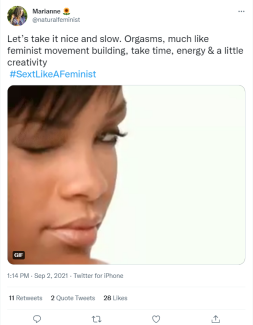
دعونا لا نتسرّع فالوصول الى الرعشة الجنسية تشبه مسار الحركة النسوية: طويل وبحاجة إلى قليل من النباهة
Snippet - COP30 - Actions - EN
COP30 Events and Actions
08 - 16 November, 2025
Transnational Embodiments | Small Snippet HOME
Explore Transnational Embodiments
This journal edition in partnership with Kohl: a Journal for Body and Gender Research, will explore feminist solutions, proposals and realities for transforming our current world, our bodies and our sexualities.
Snippet - COP30 - Mutual Aid and Community Care - EN
AWID Member Exclusive: Mutual Aid and Community Care Crafting Workshop
AWID members will explore and critically evaluate the role that mutual aid can play in resourcing our movements, through collective collage making.
📅 Wednesday, November 12, 2025
📍 The People’s COP Space
Snippet - WD2026 - Fiji_Georgia Link - EN
During Women Deliver, Movement Hubs in Fiji and Georgia are designing their own program rooted in their community to connect virtually to the Women Deliver Conference. Learn about their program!
Interested in hosting Movement Hubs for other global movement events and policy spaces? Get in touch with AWID’s Membership Team: membership@awid.org .
Memory as Resistance: A Tribute to WHRDs no longer with us
AWID’s Tribute is an art exhibition honouring feminists, women’s rights and social justice activists from around the world who are no longer with us.
In 2020, we are taking a turn
This year’s tribute tells stories and shares narratives about those who co-created feminist realities, have offered visions of alternatives to systems and actors that oppress us, and have proposed new ways of organising, mobilising, fighting, working, living, and learning.
49 new portraits of feminists and Women Human Rights Defenders (WHRDs) are added to the gallery. While many of those we honour have passed away due to old age or illness, too many have been killed as a result of their work and who they are.
This increasing violence (by states, corporations, organized crime, unknown gunmen...) is not only aimed at individual activists but at our joint work and feminist realities.
The stories of activists we honour keep their legacy alive and carry their inspiration forward into our movements’ future work.
The portraits of the 2020 edition are designed by award winning illustrator and animator, Louisa Bertman.
AWID would like to thank the families and organizations who shared their personal stories and contributed to this memorial. We join them in continuing the remarkable work of these activists and WHRDs and forging efforts to ensure justice is achieved in cases that remain in impunity.
“They tried to bury us. They didn’t know we were seeds.” - Mexican Proverb
The Tribute was first launched in 2012
It took shape with a physical exhibit of portraits and biographies of feminists and activists who passed away at AWID’s 12th International Forum, in Turkey. It now lives as an online gallery, updated every year.
To date, 467 feminists and WHRDs are featured.