L´AWID est une organisation féministe mondiale qui consacre ses efforts à la justice de genre, au développement durable et aux droits humains des femmes
Au cours des dernières années, nous avons observé une nouvelle tendance inquiétante dans les espaces internationaux consacrés aux droits humains. Les discours axés sur « la protection de la famille » sont en effet utilisés pour défendre des violations des droits de membres de la famille, pour renforcer et justifier l’impunité des auteurs de ces violations et pour restreindre l’égalité des droits au niveau de la vie familiale.
La campagne en faveur de la « Protection de la famille » est motivée par une volonté conservatrice d’imposer des conceptions « traditionnelles » et patriarcales de la famille et de priver les membres de la famille de leurs droits pour les transférer à « l’institution familiale ».
Les initiatives visant à la « Protection de la famille » reposent sur :
la montée du traditionalisme,
la montée du conservatisme culturel, social et religieux,
l’existence d’une hostilité vis-à-vis des droits humains des femmes, des droits sexuels, des droits des enfants et enfin des droits des personnes dont l’identité de genre et l’orientation sexuelle ne sont pas conformes aux normes.
Depuis 2014, un groupe d’Etats travaille de front dans les espaces dédiés aux droits humains sous le nom de « Group of Friends of the Family » (Groupe des ami-e-s de la famille) ; des résolutions sur la « Protection de la famille » ont été adoptées chaque année depuis 2014.
Ce programme s’est propagé au-delà du Conseil des droits humains. Nous avons observé l’introduction d’un discours régressif autour de la « famille » à la Commission sur la condition de la femme, ainsi que des tentatives d’introduction dans les négociations sur les Objectifs de développement durable.
Notre approche
L’AWID travaille avec des partenaires et des allié-e-s pour s’opposer ensemble à la « Protection de la famille » et à d’autres programmes régressifs et défendre l’universalité des droits humains.
En réponse à l’influence croissante d’acteurs régressifs au sein des espaces dédiés aux droits humains, l’AWID a rejoint des allié-e-s afin de créer l’Observatoire sur l'Universalité des droits (OURs) (site en anglais). L’OURs est un projet de collaboration qui surveille, analyse et diffuse les informations concernant les initiatives anti-droits telles que la « Protection de la famille ».
Le premier rapport de l’OURs, Nos droits en danger, trace une cartographie des acteurs et actrices qui constituent le lobby mondial anti-droits et identifie leur réthorique et stratégies clés ainsi que leur impact sur les droits humains.
Le rapport précise que le programme de « Protection de la famille » a développé une collaboration entre un large éventail d’acteurs régressifs aux Nations Unies, qu’il décrit comme « un cadre stratégique abritant des positions anti-droits et patriarcales multiples, où le cadre vise entre autres à légitimer et institutionnaliser ces positions. »
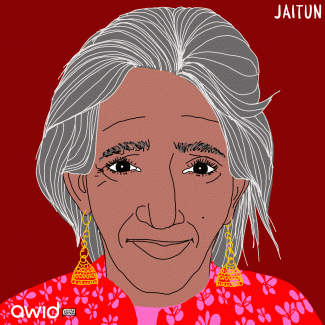
Jaitun, commonly referred to as ‘Amma’, was committed to ensuring the reproductive rights of women and girls in India. She was particularly dedicated to advocating for those living in poverty and who are most marginalized, including Dalit and Muslim women and girls.
Jaitun was the vital force behind the case Jaitun v Janpura Maternity Home & Ors. Her perseverance for justice led to a ground-breaking judgment issued by the High Court of Delhi, holding the Indian government accountable for failing to deliver a number of its legally-binding obligations such as reproductive health care and the right to food.
Her daughter Fatema who was living under the poverty line was denied reproductive services and had to deliver her child in public, under a tree. At the time, both Jaitun and Fatema were homeless as a result of their home being demolished by the government as part of redevelopment and gentrification in New Delhi.
“The judgment has since been used by countless lawyers and activists globally, including the Former United Nations Special Rapporteur on the Right to Health, not only as a source of inspiration but as a solid springboard to further justice.” - Jameen Kaur
Jaitun has inspired many other women living in poverty to claim their rights. She passed away in 2017.
“In Jaitun’s death, we have now lost an inimitable warrior for justice, but her spirit of defiance lives on.” - Jameen Kaur
“In my 18 years as a human rights advocate, I have not met a woman that has inspired and moved my spirit in the same way Amma did. Her roaring courage; her imitable humour - we used to compare her to the Bollywood actress Hema Melini - as she would be upset we had spent so much time away from her - she would say, with a twinkle in her eye, ‘You have forgotten Amma, Amma is not speaking to you’ and then with great dramatics turn her back, only to turn around laughing and stretching her arms out for a hug. Her kindness and ultimately her love and joy for love and the right for all of us to live with dignity. I miss her terribly.” - Jameen Kaur
Film club - outrun
Out Run (2016) Anglais | Tagalog avec sous-titres anglais
Mobilisant des coiffeurs·ses transgenres de la classe ouvrière et des reines de beauté, les leaders dynamiques du seul parti politique LGBT au monde mènent une quête historique pour élire une femme trans au Congrès philippin.
Presentamos a las próximas Co-directoras Ejecutivas de AWID
Estimados movimientos feministas:
En nombre de la Junta Directiva de AWID, me enorgullece presentarles a las próximas Co-directoras Ejecutivas: Faye Macheke e Inna Michaeli
Faye Macheke es una apasionada feminista panafricana, que participa en movimientos por los derechos de las mujeres, la justicia racial, los derechos laborales y de las personas migrantes, y la justicia ambiental. Su activismo se ha alimentado del legado de la lucha contra el apartheid en Sudáfrica y del período posterior a la época del apartheid en Zimbabue. En 2019 Faye se incorporó a AWID como Directora de Finanzas, Operaciones y Desarrollo. Aporta una amplia experiencia en liderazgo feminista, estrategia y todos los aspectos del desarrollo organizativo. Faye es una comprometida integrante de la Junta Directiva de UAF-África y de otras organizaciones por los derechos de las mujeres. Vive en Ciudad del Cabo, Sudáfrica.
Inna Michaeli es una activista y socióloga feminista lesbiana queer, con muchos años de profundo compromiso con las luchas feministas y LGBTQI+, con educación política y activismo por y para mujeres migrantes y con la liberación de Palestina y la solidaridad con su pueblo. Inna se unió a AWID en 2016 y se desempeñó en diferentes funciones, más recientemente, como Directora de Programas. Contribuye con su extensa experiencia en investigación y construcción de conocimiento, promoción de políticas, y desarrollo organizativo. Inna integra la Junta Directiva de Jewish Voice for Peace (Alemania). Reside en Berlín, Alemania.
Esta decisión es el resultado de un riguroso proceso que contó con la total participación de la Junta Directiva y el personal de AWID. La Junta reconoció y homenajeó las aptitudes y los talentos del personal de AWID, abriendo una búsqueda interna para la contratación. En consecuencia, se presentaron juntas, como equipo, dos candidatas brillantes que personifican la integridad, la ética del cuidado y los valores feministas interseccionales que impulsan el trabajo de AWID. Faye e Inna propusieron una valiente e interesante visión para enfrentar los desafíos de este momento: construir una comunidad feminista global, resistir y desestabilizar los sistemas de opresión y apoyar a los movimientos feministas para que prosperen.
Este año, en que AWID celebra sus 40 años, nos emociona que Inna y Faye co-lideren a AWID en sus estrategias y en una nueva fase de evolución y superación de las fronteras, apoyando a los movimientos feministas de todo el mundo.
Designar y apoyar a las Co-directoras Ejecutivas de AWID para que lideren la organización es una responsabilidad fiduciaria que, como Junta Directiva, tomamos muy seriamente. La forma en que desarrollamos esos procesos es también un reflejo de la brillante y diversa membresía de AWID, que elige a la Junta de AWID.
Al despedirnos de Cindy y Hakima, nosotrxs, la Junta Directiva, damos la bienvenida en forma unánime y entusiasta a Faye e Inna como nuestras próximas Co-directoras Ejecutivas a partir del 5 de septiembre de 2022. Manténganse atentxs a las actualizaciones sobre nuestra transición de liderazgo en los próximos meses.
Sobre todo, ¡gracias por su continuo apoyo!
Con solidaridad feminista y amor, Margo Okazawa-Rey
Presidenta de la Junta Directiva de AWID
Du 2 au 5 décembre 2024, à Bangkok, en Thaïlande ! Nous nous rassemblerons au Centre national de convention de la Reine Sirikit (QSNCC) et aussi virtuellement en ligne.
Isabel Cabanillas de la Torre fue una activista joven y una artista feminista muy querida de Ciudad Juárez, México, conocida por sus hermosos diseños evocadores de indumentaria pintada a manoen los que los ojos eran una característica emblemática de su trabajo. Sus murales transformaron los edificios abandonados y vacíos del centro de Ciudad Juárez, al sumarles vida y crítica política a sus paredes.
A través de su arte y de su activismo político, Isabel buscó llamar la atención sobre la violencia de género que se extendía por su ciudad natal. Colaboró como voluntaria con la red Mesa de Mujeres en el proyecto «Observatorio Ciudadano de Género», que monitoreaba la actuación de jueces, fiscales y defensorxs públicxs en casos de femicidios y otras violaciones a los derechos basadas en el género. Integró también «Hijas De Su Maquilera Madre», una colectiva feminista cuyo nombre alude a las hijas de madres que son trabajadoras de la maquila. Algunas de estas madres fueron las primeras víctimas de femicidio en Ciudad Juárez.
El último proyecto de Isabel (todavía en curso) fue una instalación artística para protestar contra una compañía canadiense que quería extraer cobre de los Médanos de Samalayuca.
El 18 de enero de 2020 Isabel fue atacada a balazos mientras volvía a su casa del centro de Ciudad Juárez en bicicleta, víctima, aparentemente, de un asesinato selectivo. Su cuerpo fue encontrado junto a su bicicleta.
El asesinato de Isabel desató una nueva ola de indignación contra los femicidios de la región: cientos de personas marcharon hacia el puente de la frontera entre EEUU y México, y lo bloquearon durante horas mientras cantaban «Ni una más», que es la protesta continua de las colectivas feministas contra los asesinatos de las mujeres en todo México. Solamente en 2019, 3.142 mujeres y niñas fueron asesinadas en el país; muchas de ellas fueron atacadas específicamente por su género.
Amaba andar en bicicleta.
«La bicicleta era un símbolo de libertad para ella. Simbolizaba ser libre en las calles.» - Marisol, amiga de Isabel
Snippet example from training video
Big banner heading
some text some text some text some text some text some text some text some text some text some text some text some text
some text some text some text some text some text some text some text some text some text some text some text some text
Notre présence collective perturbe les mécanismes d’exclusion des institutions dans ces espaces tout en soutenant les mouvements qui s’organisent autour d’alternatives féministes aux systèmes d’oppression.
Participez aux conversations du 10 au 21 mars 2025 pour, collectivement, faire de la CSW69 un espace de résistance et de solidarité.
Je t’appartiens depuis aussi longtemps que je peux me souvenir. Jeune fille, j’ignorais qu’il y avait un mot – féministe – pour nous toustes qui aspirons à vaincre et à démanteler le patriarcat, qui cherchons refuge dans les bras de l’inclusion et de l’intersectionnalité, qui traitons les gens comme des égaux, peu importent leur genre, leur race, leur sexualité, leur religion et leur ethnicité, qui apprenons constamment pour mieux faire, pour mieux être et pour nous servir de nos privilèges pour élever les autres.
Quand j’avais 14 ans, mon professeur de français au Collège, un trentenaire de 1,80 m, a agressé une élève de ma classe devant tout le monde. L’élève, une de mes amies d’enfance, et plusieurs autres filles de la classe sont allées voir la direction pour le dénoncer, les parents s’en sont mêlés et la classe entière, forte de ses trente élèves, a soutenu la fille. Mais toutes nos tentatives pour lui faire porter la responsabilité de son acte ont échoué, l’administration a gardé le silence sur l’histoire de la fille et il n’a jamais été renvoyé ni poursuivi. Les filles de ma classe et moi-même étions outrées, donc nous avons fait ce que toute jeune féministe en rage ferait : nous avons jeté des œufs sur sa voiture! Et bien que les œufs se lavent facilement et que la peinture utilisée pour écrire « Sale porc » et « Khamaj » (ordure) sur sa carrosserie pouvait être grattée, je n’oublierai jamais comment nous nous sentions après cela. [MB1] Libérées, enragées, heureuses, solidaires et puissantes. Ce même sentiment m’envahit à chaque nouvel événement féministe auquel je prends part depuis. L’adolescente féministe en moi a grandi et rejoint Women Deliver, l’AWID, Unootha, animé des ateliers féministes à l’université et même été poursuivie pour son affiliation féministe à 19 ans, mais ça, je le garde pour une autre lettre.
Les mouvements et les espaces féministes m’offrent la sécurité et l’autonomisation. Ce sont les mères que nous aurions aimé avoir et le lien dont nous avions besoin pour nous connecter et nous organiser, malgré nos différences contre un ennemi commun qui mine tout le monde, le patriarcat. C’est grâce à toi que j’ai appris à être résiliente et à mettre toutes mes forces et mes compétences au service des autres en les soutenant, en mettant la lumière sur les marginalisées et en tendant le micro à celles qu’on n’entend jamais.
Ce que j’aime le plus chez vous, les mouvements féministes, c’est que parfois vous merdez, vous négligez et marginalisez aussi, vous avez des biais - comme tout autre mouvement - mais ce qui vous rend différents, c’est que vous vous efforcez toujours de mieux faire. La redevabilité ne vous effraie pas, et vous êtes un collectif en constante évolution qui reflète la manière dont l’altruisme et la philanthropie dans l’effort vers l’équité de genre changent à mesure que le temps passe.
Puissiez-vous continuer à croître, puissiez-vous faire mieux, puissiez-vous être toujours enragés, puissiez-vous continuer à rugir, puissiez-vous toujours aimer, puissiez-vous toujours parler des langues différentes et puissiez-vous toujours avoir le pouvoir.
Please calculate your costs of travel to Bangkok, accommodations and per diem, visa, any accessibility needs, and incidentals, on top of a registration fee that will be announced soon. Hotels in the Sukhumvit area in Bangkok range from USD$50 to $200 per night, double occupancy.
AWID members receive a discount at registration, so if you are not a member yet, we invite you to consider becoming a member and joining our global feminist community.
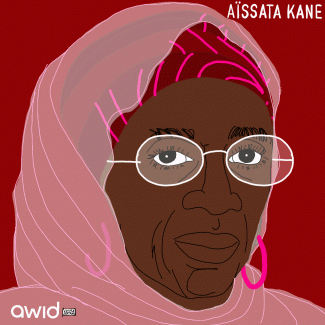
Aïssata Kane, surnommée affectueusement “Yaye Kadia” (Mère Kadia), a de tout temps été une féministe engagée dans la défense des droits des femmes africaines, et particulièrement mauritaniennes.
Au cours de sa carrière politique, en 1975, elle fut nommée ministre de la protection de la famille et des affaires sociales et travailla avec ardeur à l’amélioration du statut des femmes dans son pays; c’était la première fois qu'une femme occupait un tel poste.
Ce travail consista notamment à promouvoir l’éducation des filles et des femmes, à lutter contre la pratique du gavage sur les jeunes femmes, à faire pression pour l’inclusion d’une disposition sur les droits maritaux et à plaider en faveur de la création d’un quota de représentation féminine au Parlement.
“[Aïssata] a réalisé toutes ses passions avec humilité, courage et détermination. Elle ne voulait déranger personne avec ce combat qu’elle menait sur tous les fronts à la fois.” Ball Halimata Dem, la nièce d’Aïssata
Ayant fondé l'Union nationale des femmes de Mauritanie (UNFM), elle avait cocréé et publié pour elles le magazine Marienou, dédié à l’émancipation des femmes mauritaniennes. Aïssata dirigea également plusieurs organisations sous-régionales et locales, notamment en tant que présidente de l'Association internationale des femmes francophones (AIFF) et, en écologiste résolue, fut présidente de l'Association pour la protection de l'environnement en Mauritanie (APEM).
En 2018, on lui décerna le Prix de la Femme africaine pionnière. Ce prix honore son engagement à faire progresser le statut de la femme en Mauritanie et reconnaît son grand leadership et son sens de l'innovation.
Aïssata est décédée le 10 août 2019.
ours chapter 4
Chapitre 4
Les acteurs et actrices antidroits
Un réseau complexe et mouvant d’antidroits exerce une influence croissante dans les sphères internationales et les politiques locales. Souvent soutenu·e·s par des financements d’origine imprécise, ces acteur·rice·s renforcent leur impact en créant des alliances tactiques entre thématiques, régions et croyances.
Explore 150+ regularly updated funding opportunities in this searchable database, created in response to cuts in development aid. Filter by issue, region, funder type, and eligibility.
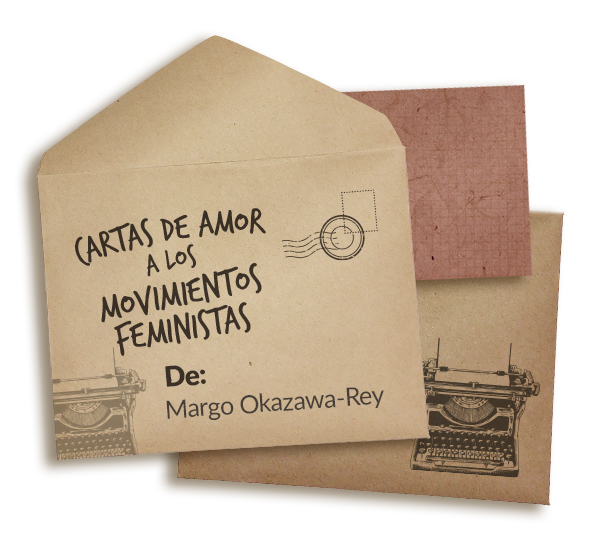
Hola de nuevo, y de nuevo, y de nuevo. Los he conocido y amado durante toda mi vida adulta, desde que los encontré, significativamente, después de graduarme de la universidad. Los había visto una vez antes. Fue cuando ustedes aparecieron como Betty Friedan en un programa de entrevistas de televisión en el Medio Oeste de los Estados Unidos, a finales de la década de 1960. En ese momento, la Sra. Wells (mi otra madre) y yo comentamos las ideas exageradas y disparatadas de las que esta mujer estaba tratando de convencernos. Desde entonces, década tras década, me he enamorado cada vez más profundamente de ustedes, mis amados movimientos, y he entendido y presenciado su genialidad política y teórica, su autoridad ética y moral, su creatividad, su alegría, y su amor, sobre todo. Casi sesenta años después, sé que somos compañerxs para siempre.
Los primeros años de nuestra relación fueron buenos. Yo estaba bastante autoinvolucrada (tratando de entender la identidad racial, de género y sexual; aclarando mis políticas, valores y ética fundamentales; completando mi educación formal), y ustedes me brindaron numerosos escenarios, centros sociales intelectuales y ambientes de contención acogedores donde y a través de los cuales pude elaborar los componentes fundamentales de la feminista y el ser humano en que me convertiría.
Los movimientos de mujeres predominantemente blancas de Cambridge y Boston, incluyendo Daughters of Bilitis [Hijas de Bilitis], fueron mi punto de partida. Eso me vino bien en ese momento, pero pronto me di cuenta de que deseaba algo más. ¡Poof! Mágicamente (descubrimiento casual), me conecté con un pequeño grupo de mujeres radicales, antiimperialistas, negras, socialistas y lesbianas y, pronto, nos convertimos en el Combahee River Collective [Colectivo del Río Combahee].
Esa temprana experiencia de Combahee -combinada con aprendizajes vitales críticos y, en particular, con las políticas raciales inmigrantes afroamericanas y coreanas de principios de la década de 1990 en los Estados Unidos- me prepararon para el viaje que me ha llevado a identificarme y a trabajar como feminista transnacional para enfrentar el militarismo y a dedicarme a imaginar otros mundos donde todos los seres vivos prosperen.
Los dos momentos críticos siguientes del movimiento de mujeres ocurrieron décadas después de los años de Combahee, pero estuvieron profundamente vinculados. Primero, fue conocer y ser invitada al movimiento feminista coreano que se estaba organizando contra las bases militares estadounidenses y apoyaba a las «mujeres kijichon» [«mujeres de confort»], las mujeres coreanas cuyas vidas (que para algunas incluía a sus hijxs mestizxs) giraban alrededor del variado servicio al personal militar estadounidense en las aldeas y los pueblos adyacentes a las bases. Las amadas feministas coreanas, especialmente Kim Yon-Ja y Ahn Il Soon (las primeras hermanas que conocí y con quienes viajé), me hicieron ver y comprender la importancia crítica de la nación como principio analítico y organizativo. El «toque final» fue vivir y trabajar en la Palestina ocupada. La difunta Maha Abu-Dayyeh me introdujo al movimiento de mujeres palestinas, con un comentario profundo: «puedes dejar Palestina, pero Palestina nunca te dejará». Cuánta verdad. Y todo mi trabajo y mis experiencias a través de muchas fronteras me llevaron a AWID, mi segundo hogar.
Como saben, amados movimientos, estar con ustedes no ha sido fácil ni simple. De hecho, son demandantes, están sistemáticamente plagados de contradicciones y, a veces, hasta resultan hirientes. No obstante, continúan creciendo y desarrollándose, a medida que sostienen mi propio crecimiento y desarrollo político, emocional y espiritual. Supongo que nos cultivamos mutuamente: un proceso muy profundo al cual dedicaré el resto de mi tiempo bajo mi forma actual.
El eje de ser/estar con ustedes todas estas décadas es esto:
Feministas que comprometen colectivamente sus cabezas, corazones, manos y espíritus para transformar nuestros mundos
¡Mucho amor, movimientos feministas!
Su Margo
alias DJ MOR Love and Joy
Wellfleet, Massachusetts, Estados Unidos
Somos plenamente conscientes de los obstáculos prácticos y la angustia emocional asociada con los viajes internacionales, especialmente desde el Sur Global. AWID está trabajando con la Oficina de Convenciones y Exhibiciones de Tailandia para brindar apoyo a lxs participantes del Foro en la obtención de visas. En el momento de la inscripción se facilitará más información sobre esta ayuda para la obtención de visados, incluidos los datos de contacto para saber dónde y cómo solicitarla.
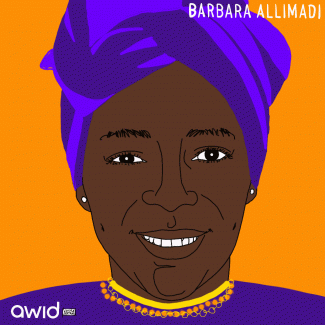
Barbara Allimadi was a political and human rights activist from Uganda. In 2012, she co-organized a protest against a televised police assault of Ingrid Turinawe, an opposition politician who had her breast squeezed by a police officer.
During the protest, Barbara, along with other fellow activists stripped to their bras in front of the Central Police Station in Kampala. This came to be known as the infamous ‘bra protest’ in Uganda.
“We settled on the bra protest. We thought it would be most appropriate for what had happened. It’s not like we were saying we don’t respect ourselves. We were disgusted by what had been done.” - Barbara Allimadi, 2013 (Daily Monitor)
With a Degree in Electronics and Communications Engineering from the London Metropolitan University, Barbara was a network engineer in the United Kingdom and an avid fan of reggae music. She returned to Uganda In 2007, when her mother passed away.
In 2019, she was appointed Coordinator for International and Diaspora Affairs at the Alliance for National Transformation (ANT), a political party launched that year by an opposition leader.
“We want security of life and property, not pain, injury and even death at the hands of security forces who are meant to protect us. Most importantly, we want a stable and enabling environment where we can realize our dreams and aspirations.” - Barbara Allimadi, ANT video
Barbara passed away on 27 April 2020.
Tributes:
“I was so proud of my sister for many things but in particular her fearless pursuit of peace, democracy, justice and equality in Uganda. At the height of her activism she led many marches on the streets of Kampala, to police stations, and Parliament.” - Doris Allimadi, Barbara’s sister
“It is with deep sadness that we have learnt of the untimely passing of Barbara Allimadi. She has been a valiant, relentless and courageous force for the liberation movement of Uganda. Our deepest condolences to her family. She will be sorely missed.” - Akina Mama wa Afrika (tweet on 28 April 2020)
“The passing on of Barbara is so sad for us and her entire family. She dedicated herself to fighting for justice, freedom and rights of others while serving in the civil society until she recently joined us at the party.” Maj Gen Mugisha Muntu, ANT national coordinator
“A beautiful, charming, funny, charismatic and inspirational sister. My children lost their aunty. Uganda lost a brave and courageous freedom fighter. Barbara once said, ‘As long as there is still breath in you, keep working towards your dreams.’” - Doris Allimadi, Barbara’s sister
Comic: Feminist Superhero Busts Anti-Rights Myths
Comic:
Feminist Superhero Busts Anti-Rights Myths
Follow our feminist superhero as she reclaims the narrative from anti-rights actors across the globe and saves the day, in this comic by illustrator Sophia Andreazza.