L´AWID est une organisation féministe mondiale qui consacre ses efforts à la justice de genre, au développement durable et aux droits humains des femmes
Forum de l'AWID : Co-créer nos horizons féministes
En septembre 2016, 1800 féministes et défenseur-e-s des droits des femmes venu-e-s des quatre coins de nos mouvements se réunissaient sur les côtes de Bahia à l’occasion du 13ème Forum international de l’AWID.
Cette section met l’accent sur les victoires, les enseignements et les ressources qui ont couronné nos conversations. Nous vous invitons à l’explorer, la partager et laisser vos impressions.
L’un des principaux éléments à retenir de ce Forum a été la nécessité d’élargir et d’approfondir notre travail de collaboration entre mouvements pour faire face à une montée des fascismes et des fondamentalismes, une exacerbation de la cupidité des entreprises et un changement climatique en progression.
L’AWID a donc travaillé avec plusieurs allié-e-s pour ériger ces semences de résistance :
Les mouvements peuvent aussi bénéficier d’une nouvelle méthodologie pour envisager nos horizons féministes. (à venir bientôt !)
A travers son prochain plan stratégique et le processus de son Forum, l’AWID s’engage à poursuivre et approfondir les rapports, les apprentissages et les processus amorcés lors du Forum 2016, tout en s’inspirant de l’actualité.
Et maintenant ?
Le monde est bien différent de celui qu’il était l’an dernier et il continuera à changer dans les années à venir.
Le prochain Forum de l’AWID se tiendra dans la région Asie-Pacifique (les dates et le lieu exacts seront annoncés en 2018). Nous attendons avec impatience de vous y retrouver !
A propos du Forum de l’AWID
Les Forums de l’AWID ont vu le jour en 1983, à Washington DC. Depuis, ils revêtent de nombreux aspects et incarnent, selon les personnes, tantôt un processus itératif visant à affiner nos analyses, notre vision et nos actions, un évènement clé galvanisant les féminismes des participant-e-s et leurs organisations ou un espace politique offrant refuge et solidarité aux défenseur-se-s des droits humains.
When: 2–5 December 2024 Where: Bangkok, Thailand; and online Who: Approximately 2,500 feminists from all over the world participating in- person, and 3,000 participating virtually
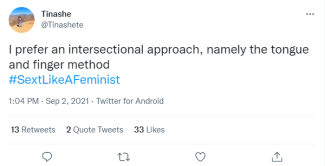
Sexting Like a Feminist: Humor in the Digital Feminist Revolution | Title Snippet
Sexting Like a Feminist: Humor in the Digital Feminist Revolution
Jaitun, comúnmente conocida como «Amma», estaba comprometida con garantizar los derechos reproductivos de las mujeres y niñas de India. Se dedicó, particularmente, a abogar por quienes viven en la pobreza y son más marginadas, incluidas las mujeres y niñas dalit y musulmanas.
Jaitun fue la fuerza vital detrás del caso Jaitun versus Janpura Maternity Home & Ors. Su perseverancia por la justicia llevó a que la Corte Suprema de Delhi emitiera una sentencia innovadora, que obligó al gobierno indio a hacerse responsable del incumplimiento de cierto número de obligaciones legalmente vinculantes, tales como la atención a la salud reproductiva y el derecho a la alimentación.
A su hija Fatema, quien vivía por debajo de la línea de pobreza, se le negaron los servicios reproductivos, y tuvo que dar a luz en público, bajo un árbol. En ese momento, tanto Jaitun como Fatema estaban en situación de calle, ya que su casa había sido demolida por el gobierno como parte del programa de reurbanización y gentrificación de Nueva Delhi.
«Desde entonces, esta sentencia ha sido utilizada por innumerables abogadxs y activistas de todo el mundo, incluyendo al ex-Relator Especial de la ONU sobre el derecho a la salud, no solamente como fuente de inspiración, sino como una sólida plataforma para promover la justicia.» - Jameen Kaur
Jaitun ha sido una inspiración para que muchas otras mujeres que viven en la pobreza reclamen sus derechos. Falleció en 2017.
«Con la muerte de Jaitun, hemos perdido una incomparable guerrera de la justicia, pero su espíritu de desafío pervive.» -Jameen Kaur
«En mis dieciocho años como defensora de los derechos humanos, nunca he encontrado una mujer que me inspirara ni que conmoviera mi espíritu de la forma en que lo hacía Amma. Su sonora valentía, su inimitable humor (solíamos compararla con la actriz de Bollywood, Hema Melini) cuando se sentía molesta porque habíamos pasado tanto tiempo lejos de ella... con un brillo en los ojos, decía “Ustedes se han olvidado de Amma, Amma ahora no les habla”, y luego con gran dramatismo se ponía de espaldas para darse vuelta enseguida riendo y estirando los brazos para un abrazo. Su bondad y, en definitiva, su amor y su alegría por el amor y el derecho de todxs nosotrxs a vivir con dignidad. La extraño terriblemente.» - Jameen Kaur
Snippet - Resources to rally - FR
Ressources à mobiliser en vue de la CSW69
Clone of Politique de confidentialité
En vigueur à compter du 25 avril 2023.
Veuillez cliquer ici pour consulter la version précédente de notre politique de confidentialité.
La présente politique de confidentialité présente la manière dont l'Association pour les droits des femmes dans le développement et nos filiales et sociétés affiliées (« AWID », « nous » ou « notre ») traitent les données personnelles que nous recueillons via notre site Web, renvoyant à la présente politique de confidentialité (le « site »), ainsi que via les réseaux sociaux, nos activités de marketing, nos événements en direct et autres activités décrites dans la présente politique de confidentialité (le « Service »).
Index
Les données personnelles que nous recueillons
Comment nous utilisons vos données personnelles
Comment nous partageons vos données personnelles
Vos choix
Autres sites et services
Sécurité
Transferts internationaux de données
Personnes mineures
Modifications de la politique de confidentialité
Comment nous contacter
Avis aux utilisateurs·trices européen·ne·s
Les données personnelles que nous recueillons
Les données que vous nous communiquez. Les données personnelles que vous êtes susceptibles de nous fournir par l'intermédiaire du Service ou d'une autre manière comprennent :
Données de communication basées sur nos échanges avec vous, y compris lorsque vous nous contactez par le biais du Service, des médias sociaux ou autrement.
Les données de contact, telles que nom et prénom, formule de salutation, adresse électronique, adresses de facturation et postale, titre professionnel et nom de société, et numéro de téléphone.
Les données démographiques, telles que ville, état, pays de résidence, code postal, date de naissance, genre, pronoms, langue de communication préférée et données concernant la façon dont vous vous identifiez (race/ethnie, handicaps, migrant·e, travailleur·euse du sexe, etc.).
Les données de communication basées sur nos échanges avec vous, y compris lorsque vous nous contactez via le Service, les réseaux sociaux ou de toute autre façon.
Les données marketing, telles que vos préférences pour la réception de nos communications commerciales et les détails concernant ce que vous en faites.
Les données de contenus générés par l'utilisateur·trice, telles que les photos de profil, les photos, les images, la musique, les vidéos, les commentaires, les questions, les messages, les œuvres d'auteur·trice et tout autre contenu ou information que vous générez, transmettez ou rendez autrement disponible sur le Service, ainsi que les métadonnées qui y sont associées.Les métadonnées comprennent des informations sur la façon, le moment, le lieu et la personne qui a recueilli un élément de contenu et sur la façon dont ce contenu a été formaté ou édité. Les métadonnées comprennent également les informations que les utilisateurs·trices peuvent ajouter ou faire ajouter à leur contenu, telles que les mots-clés, les informations géographiques ou de localisation, et d'autres données apparentées.
Les données de paiement nécessaires à la réalisation des transactions, y compris les informations relatives à la carte de paiement ou le numéro de compte bancaire.
D'autres données qui ne sont pas spécifiquement énumérées ici, que nous utiliserons comme décrit dans la présente politique de confidentialité ou comme indiqué autrement au moment de la collecte.
Collecte automatique de données. Nous, nos fournisseurs de services et nos partenaires commerciaux pouvons enregistrer automatiquement certaines informations vous concernant, concernant votre ordinateur ou appareil mobile, et votre interaction au fil du temps avec le Service, nos communications et autres services en ligne, telles que :
Les données spécifiques de votre appareil, telles que le type et la version du système d'exploitation de votre ordinateur ou de votre appareil mobile, le fabricant et le modèle, le type de navigateur, la résolution de l'écran, la taille de la RAM et du disque, l'utilisation du processeur, le type d'appareil (par exemple, téléphone, tablette), l'adresse IP, les identifiants uniques, les paramètres de langue, l'opérateur de l'appareil mobile, les informations radio/réseau (par exemple, Wi-Fi, LTE, 3G) et les informations générales de localisation telles que la ville, l'état ou la zone géographique.
Les données d'activité en ligne, telles que les pages que vous avez consultées ou les fenêtres que vous avez ouvertes, le temps que vous avez passé sur une page ou une fenêtre, le site Internet que vous avez visité avant de naviguer vers le Service, les chemins de navigation entre les pages ou les fenêtres, les informations sur votre activité sur une page ou une fenêtre, les heures d'accès et la durée de l'accès, et si vous avez ouvert nos courriels ou cliqué sur les liens qu'ils contenaient.
Cookies et technologies apparentées. Une partie de la collecte automatique décrite ci-dessus est facilitée par les cookies, qui sont de petits fichiers texte que les sites Internet stockent sur les appareils des utilisateurs·trices et qui permettent aux serveurs Web d'enregistrer les activités de navigation Web des utilisateurs·trices et de se souvenir de leurs informations, de leurs préférences et de leur statut de connexion lorsqu'ils naviguent sur un site. Les cookies utilisés sur nos sites comprennent à la fois des « cookies de session » qui sont supprimés lorsqu'une session se termine, des « cookies persistants » qui restent plus longtemps, des cookies de « première partie » que nous plaçons et des cookies de « tierce partie » placés par nos partenaires commerciaux et nos fournisseurs de services de tiers.
Comment nous utilisons vos données personnelles
Vos données personnelles pourront être utilisées aux fins suivantes ou selon les modalités décrites au moment de la collecte :
Prestation de services et exploitation commerciale. Nous sommes susceptibles d’utiliser vos données personnelles pour :
alimenter, faire fonctionner et améliorer le Service;
vous faire part des informations concernant le Service, notamment en vous envoyant des annonces, des mises à jour, des alertes de sécurité et des messages d'assistance et d'administration;
vous tenir au courant des événements ou des concours auxquels vous participez;
comprendre vos besoins et vos intérêts, et personnaliser votre expérience du Service et de nos communications; et
assurer la maintenance du Service et répondre à vos demandes, questions et commentaires.
Recherche et développement. Nous sommes susceptibles d'utiliser vos données personnelles à des fins de recherche et de développement, notamment pour analyser et améliorer le Service. Dans le cadre de ces activités, nous pouvons créer des données agrégées, dépersonnalisées et/ou anonymisées à partir des données personnelles que nous recueillons. Nous transformons les données personnelles en données dépersonnalisées ou anonymes en supprimant les informations qui permettent de vous identifier personnellement. Nous pouvons utiliser ces données agrégées, dépersonnalisées ou autrement anonymisées et les partager avec des tiers à nos fins commerciales légales, y compris pour analyser et améliorer le Service et promouvoir nos activités.
Publicité. Nos fournisseurs de services et nous-mêmes pouvons recueillir et utiliser vos données personnelles pour vous envoyer des communications de marketing direct. Vous pouvez demander à ne plus recevoir de communications promotionnelles comme décrit dans la section Désengagement du marketing ci-dessous.
Conformité et protection. Nous sommes susceptibles d’utiliser vos données personnelles pour :
respecter les lois applicables, les demandes légales et les procédures judiciaires, par exemple pour répondre à des citations à comparaître ou à des demandes émanant des autorités gouvernementales;
protéger nos droits, notre vie privée, notre sécurité ou nos biens, les vôtres ou ceux d'autrui (y compris en portant plainte et en défendant des droits en justice);
vérifier nos processus internes pour s'assurer qu'ils sont conformes aux exigences légales et contractuelles ou à nos politiques internes;
faire respecter les conditions générales qui régissent le Service; et
prévenir, identifier, dissuader les activités frauduleuses, nuisibles, non autorisées, contraires à l'éthique ou illégales, y compris les cyberattaques et l'usurpation d'identité, et enquêter sur ces dernières.
Avec votre consentement. Dans certains cas, nous pourrons vous demander expressément votre accord avant de collecter, utiliser ou partager vos données personnelles, notamment lorsque la loi l'exige.
Cookies et technologies apparentées. En plus des autres utilisations incluses dans cette section, nous sommes susceptibles d’utiliser les Cookies et technologies apparentées décrites ci-dessus aux fins suivantes :
Exploitation technique. Pour permettre l'exploitation technique du Service, par exemple en mémorisant vos sélections et vos préférences lorsque vous naviguez sur le site.
Fonctionnalité. Pour améliorer les performances et la fonctionnalité de nos services.
Analyse. Pour nous aider à comprendre l'activité des utilisateurs·trices sur le Service, y compris les pages les plus et les moins visitées et la façon dont les visiteurs·euses se déplacent sur le Service, ainsi que les interactions des utilisateurs·trices avec nos courriels. À cet effet, nous utilisons par exemple Google Analytics. Vous trouverez plus d'informations sur Google Analytics et sur la façon d'empêcher l'utilisation de Google Analytics relative à la façon dont vous utilisez nos sites ici : https://tools.google.com/dlpage/gaoptout?hl=fr.
Conservation. Nous conservons généralement les données personnelles pour atteindre les fins pour lesquelles nous les avons recueillies, y compris pour satisfaire à toute exigence légale, comptable ou de déclaration, pour établir ou défendre des réclamations légales, ou à des fins de prévention de la fraude. Pour déterminer la période de conservation appropriée des données personnelles, nous pouvons prendre en compte des facteurs tels que la quantité, la nature et la sensibilité des données personnelles, le risque potentiel de préjudice lié à l'utilisation ou à la divulgation non autorisée de vos données personnelles, les fins auxquelles nous traitons vos données personnelles et si nous pouvons atteindre ces fins par d'autres moyens, ainsi que les exigences légales applicables.
Une fois que nous n'avons plus besoin des informations personnelles que nous avons collectées à votre sujet, nous pouvons soit les supprimer, soit les rendre anonymes, soit les exclure de tout traitement ultérieur.
Comment nous partageons vos données personnelles
Nous sommes susceptibles de partager vos données personnelles avec les parties suivantes et comme décrit par ailleurs dans la présente politique de confidentialité ou au moment de la collecte :
Sociétés affiliées. Notre société mère, nos filiales et nos sociétés affiliées, à des fins compatibles avec la présente politique de confidentialité.
Fournisseurs de services. Les tiers qui fournissent des services en notre nom ou qui nous aident à exploiter le Service ou notre entreprise (tels que l'hébergement, la technologie de l'information, l'assistance à la clientèle, la livraison de courriels, le marketing, la recherche sur les consommateurs·trices et l'analyse de sites Internet).
Processeurs de paiement. Toute information de carte de paiement que vous utilisez pour effectuer un achat sur le Service est collectée et traitée directement par nos processeurs de paiement, tels que Stripe. Stripe se réserve le droit d'utiliser ces données de paiement conformément à sa politique de confidentialité, à l'adresse https://stripe.com/fr/privacy. Vous pouvez également demander à être facturé·e par votre fournisseur de communications mobiles, qui utilisera vos données de paiement conformément à sa propre politique de confidentialité.
Tiers désignés par vous. Nous nous réservons le droit de partager vos données personnelles avec des tiers dès lors que vous nous en avez donné l'instruction ou que vous nous avez donné votre accord pour le faire. Nous partagerons les informations personnelles requises pour que ces autres entreprises puissent fournir les services que vous aurez sollicités. De plus, vous pouvez choisir de traduire le contenu généré par les utilisateurs·trices à l'aide de Google Translate. Google se réserve le droit d’utiliser ce contenu conformément à sa politique de confidentialité, https://policies.google.com.
Conseillers·ères professionnel·le·s. Les conseillers·ères professionnel·le·s, tel·le·s que les avocat·e·s, les auditeurs·trices, les banquiers·ières et les compagnies d'assurance or asureur·e·s, lorsque cela est nécessaire dans le cadre des services professionnels qu'ils·elles nous fournissent.
Autorités et autres. Les forces de l'ordre, les autorités gouvernementales et les parties privées, si nous estimons de bonne foi que cela est nécessaire ou approprié aux fins de conformité et de protection décrites ci-dessus.
Autres utilisateurs·trices. Votre profil et les autres données de contenu généré par les utilisateurs·trices (à l'exception des messages) sont potentiellement visibles par d'autres utilisateurs·trices du Service. Par exemple, d'autres utilisateurs·trices du Service peuvent avoir accès à vos informations si vous avez choisi de mettre votre profil ou d'autres données personnelles à leur disposition par le biais du Service, par exemple lorsque vous publiez des commentaires, des critiques, des réponses à des sondages ou que vous partagez d'autres contenus. Ces informations peuvent être vues, collectées et utilisées par d'autres, y compris être mises en cache, copiées, capturées à l'écran ou stockées ailleurs par d'autres (par exemple, les moteurs de recherche), et nous ne prenons pas la responsabilité d'une telle utilisation de ces informations.
Vos choix
Dans cette section, nous décrivons les droits et les choix disponibles pour tous les utilisateurs·trices. Les utilisateurs·trices qui se trouvent au Royaume-Uni, en Suisse et dans l’Espace économique européen peuvent trouver des informations supplémentaires sur leurs droits ci-dessous.
Refus des communications publicitaires. Vous pouvez renoncer à recevoir des courriels à caractère commercial en suivant les instructions d’opposition ou de désabonnement figurant au bas du courriel, ou en nous contactant. Notez que si vous choisissez de vous désabonner des courriels à caractère publicitaire, vous continuerez peut-être à recevoir des courriels liés au Service et d'autres courriels à caractère non publicitaire.
Refuser de fournir des informations. Il nous est nécessaire de collecter des données personnelles pour fournir certains services. Si vous ne fournissez pas les informations que nous jugeons requises ou obligatoires, nous pourrions ne pas être en mesure de fournir ces services.
Supprimer votre contenu ou mettre fin à votre adhésion. Vous pouvez choisir de supprimer certains contenus que vous nous avez fournis. Si vous souhaitez faire la demande de mettre fin à votre adhésion, veuillez nous contacter.
Autres sites et services
Le Service est susceptible de contenir des liens vers des sites Internet, des applications mobiles et d'autres services en ligne exploités par des tiers. En outre, il peut arriver que notre contenu soit intégré à des pages Internet ou à d'autres services en ligne qui ne nous sont pas associés. Ces liens et intégrations ne constituent pas une approbation de notre part, ni ne signifient que nous sommes affiliés à une tierce partie. Nous ne contrôlons pas les sites Internet, les applications mobiles ou les services en ligne exploités par des tiers, et nous ne sommes pas responsables de leurs actions. Nous vous encourageons à lire les politiques de confidentialité des autres sites Internet, applications mobiles et services en ligne que vous utilisez.
Sécurité
Nous employons un certain nombre de mesures de protection techniques, organisationnelles et physiques conçues pour protéger les données personnelles que nous recueillons. Cependant, le risque de sécurité est inhérent à toutes les technologies de l'Internet et de l'information et nous ne pouvons pas garantir la sécurité de vos données personnelles.
Transferts internationaux de données
Notre siège social se trouve aux États-Unis mais nous nous réservons le droit de faire appel à des fournisseurs de services exerçant leurs activités dans d'autres pays. Vos données personnelles sont susceptibles d'être transférées aux États-Unis ou à d'autres endroits où les lois sur la protection de la vie privée pourraient ne pas être aussi protectrices que celles en vigueur dans votre État, votre province ou votre pays.
Il est recommandé aux utilisateurs·trices du Royaume-Uni, de la Suisse et de l'Espace économique européen de lire les informations importantes fournies ci-dessous concernant le transfert de données personnelles effectué en dehors de l'Union européenne.
Personnes mineures
Le Service n'est pas destiné à être utilisé par des personnes âgées de moins de 18 ans. Si vous êtes le parent ou un·e tuteur·trice d'un enfant auprès duquel vous pensez que nous avons recueilli des données personnelles de manière illégale, veuillez nous contacter. Si nous apprenons que nous avons recueilli des données personnelles par le biais du Service auprès d'une personne mineure sans le consentement de son parent ou de tuteur·trice tel que l'exige la loi, nous nous conformerons aux exigences légales applicables pour supprimer ces informations.
Modification de la politique de confidentialité
Nous nous réservons le droit de modifier cette politique de confidentialité à tout moment. Si nous y apportons des modifications importantes, nous vous en informerons en mettant à jour la date de cette politique de confidentialité et en l'affichant sur le Service ou par d'autres moyens appropriés. Toute modification de la présente politique de confidentialité entrera en vigueur dès que nous aurons publié la version modifiée (ou comme indiqué autrement au moment de la publication). Dans tous les cas, l'utilisation du Service après la date d'entrée en vigueur de toute politique de confidentialité modifiée indique que vous reconnaissez que la politique de confidentialité modifiée s'applique à vos interactions avec le Service et notre entreprise.
Par courrier : 192 Spadina Ave, Suite 300, Toronto, ON L1T 0G7
Par téléphone : 416 594-3773
Avis aux utilisateurs·trices européen·ne·s
Domaines d’application du présent avis aux utilisateurs·trices européen·ne·s. Les informations fournies dans cette section « Avis aux utilisateurs·trices européen·ne·s » ne s'appliquent qu'aux personnes situées dans l'EEE ou au Royaume-Uni (les juridictions de l'EEE et du Royaume-Uni sont ensemble désignées par le terme « Europe »).
Données personnelles. Les références aux « données personnelles » dans la présente politique de confidentialité doivent être comprises comme incluant une référence aux « données personnelles » (telles que définies dans le RGPD) - c'est-à-dire les informations sur les individus à partir desquelles ils sont soit directement identifiés, soit identifiables. Elles n'incluent pas les « données anonymes » (c'est-à-dire les informations se rapportant à l'identité d’un individu ayant été définitivement supprimée). Les données personnelles que nous recueillons auprès de vous sont identifiées et décrites plus en détail dans la section « Informations personnelles que nous recueillons ».
Responsable du traitement. L’AWID est responsable du traitement de vos données personnelles couvertes par la présente politique de confidentialité aux fins de la législation européenne sur la protection des données (c'est-à-dire le RGPD de l'UE et le dénommé « RGPD du Royaume-Uni » (le « RGPD », le cas échéant)). Voir la section Comment nous contacter ci-dessus pour obtenir nos coordonnées.
Nos bases légales en matière de traitement de l'information. Le RGPD exige que nous nous assurions de disposer d'une « base légale » permettant l’utilisation de vos données personnelles pour toute raison que ce soit.
Nos bases légales pour le traitement de vos données personnelles décrites dans la présente politique de confidentialité sont énumérées ci-dessous.
Lorsqu'il nous est nécessaire de traiter vos données personnelles pour vous fournir nos Services (y compris notre Site) (« Nécessité contractuelle »).
Lorsque ces données sont nécessaires à nos intérêts légitimes et que vos intérêts et droits fondamentaux ne prévalent pas sur ces intérêts (« Intérêts légitimes »). Vous trouverez plus de détails concernant les intérêts légitimes spécifiques poursuivis pour chaque Finalité (« Finalité »)pour laquelle nous utilisons vos données personnelles dans le tableau ci-dessous.
Lorsque nous devons nous conformer à une obligation légale ou réglementaire (« Obligation légale »).
Lorsque nous avons obtenu votre accord spécifique afin d’effectuer le traitement pour la Finalité en question (« Consentement »).
Nous avons présenté ci-dessous, sous forme de tableau, les bases légales sur lesquelles nous nous appuyons en ce qui concerne lesdites Finalités justifiant l'utilisation de vos données personnelles - pour plus d'informations sur ces Finalités et les types de données concernés, voir Comment nous utilisons vos données personnelles ci-dessus.
Finalité
Catégories de données personnelles concernées
Base légale
Prestation de services et exploitation
Données de contact
Données démographiques
Données sur le contenu généré par les utilisateurs·trices
Données de communication
Données de paiement
La nécessité contractuelle
Recherche et développement
Tout type de données pertinentes selon les circonstances
Les intérêts légitimes. Nous avons un intérêt légitime à comprendre ce qui peut intéresser nos client·e·s, à améliorer les relations et l'expérience avec les client·e·s, à fournir un contenu pertinent à nos client·e·s, à mesurer et à comprendre l'efficacité du contenu que nous proposons aux client·e·s.
Le consentement, en ce qui concerne tous les cookies facultatifs utilisés à cette fin.
Marketing direct
Données de contact
Données sur le contenu généré par l'utilisateur·trice
Données de paiement
Données de communication
Données de marketing
Les intérêts légitimes. Nous avons un intérêt légitime à promouvoir nos opérations et nos objectifs en tant qu'organisation et à envoyer des communications commerciales à cette fin.
Le consentement, lorsque les circonstances le justifient ou dans les juridictions où le consentement est requis en vertu des lois sur la protection des données en vigueur pour l'envoi de toute communication commerciale donnée.
Conformité et protection
Tout type de données pertinentes selon les circonstances
L’obligation légale.
Les intérêts légitimes. Lorsque l'obligation légale n'est pas applicable, nous et tous les tiers concernés avons un intérêt légitime à participer, à soutenir et à suivre les procédures et demandes légales, y compris en coopérant avec les autorités. Nous et tout tiers concerné pouvons également avoir un intérêt légitime à assurer la protection, le maintien et l'application de nos et de leurs droits, de leur propriété et/ou de leur sécurité.
Autres utilisations
Tout type de données pertinentes selon les circonstances
La base légale initiale est invoquée, si l'utilisation ultérieure pertinente est compatible avec l'objectif initial pour lequel les données personnelles ont été collectées.
Le consentement, si l'utilisation ultérieure pertinente n'est pas compatible avec l'objectif initial pour lequel les données personnelles ont été collectées.
Conservation. Nous conservons les données personnelles aussi longtemps que nécessaire pour atteindre l’objectif pour lequel nous les avons recueillies, y compris pour satisfaire à toute exigence légale, comptable ou de déclaration, pour établir ou défendre des réclamations légales, ou à des fins de conformité et de protection, à moins qu'il ne soit spécifiquement autorisé de les conserver plus longtemps.
Pour déterminer la période de conservation appropriée des données personnelles, nous tenons compte de la quantité, de la nature et de la sensibilité des données personnelles, du risque potentiel de préjudice lié à l'utilisation ou à la divulgation non autorisée de vos données personnelles, des fins auxquelles nous traitons vos données personnelles et de la possibilité d'atteindre ces objectifs par d'autres moyens, ainsi que des exigences légales applicables.
Une fois que nous n'aurons plus besoin des données personnelles que nous avons recueillies à votre sujet, nous les supprimerons ou les rendrons anonymes ou, si cela n'est pas possible (par exemple, parce que vos données personnelles ont été stockées dans des archives de sauvegarde), nous conserverons vos données personnelles en toute sécurité et les exclurons de tout traitement ultérieur jusqu'à ce qu'il soit possible de les effacer. Dans le cas où nous rendons anonymes vos données personnelles (afin qu'elles ne puissent plus vous être associées), nous sommes en droit d'utiliser ces informations indéfiniment sans vous en informer davantage.
Informations complémentaires
Pas d’obligation de fournir des données personnelles. Vous n'êtes pas obligé·e de nous fournir des données personnelles. Cependant, dans le cas où nous devrions traiter vos données personnelles soit pour nous conformer à la loi applicable, soit pour vous fournir nos Services, et que vous ne nous communiqueriez pas ces données personnelles lorsque nous vous le demandons, nous pourrions ne pas être en mesure de vous fournir une partie ou la totalité de nos Services. Nous vous en informerons, si c'est le cas à ce moment-là.
Pas de prise de décision automatisée ni de profilage. Dans le cadre des Services, nous n'effectuons pas de prise de décision automatisée ni/ou de profilage entraînant des effets juridiques ou des effets significatifs similaires. Nous ne manquerons pas de vous faire savoir si la mise à jour de la présente politique de confidentialité entraîne quelque changement que ce soit.
Sécurité. Nous avons mis en place des procédures conçues pour faire face aux violations de données personnelles. Dans le cas de telles violations, nous avons adopté des procédures qui nous permettent de travailler avec les organismes de réglementation applicables. En outre, dans certaines circonstances (y compris lorsque nous sommes légalement tenu·e·s de le faire), nous pouvons vous avertir des violations affectant vos données personnelles.
Vos droits
Généralités. Les lois européennes sur la protection des données garantissent certains droits concernant vos données personnelles. Si vous résidez en Europe, vous pouvez nous demander de prendre l'une des mesures suivantes en ce qui concerne les données personnelles que nous détenons :
L’accès. Vous renseigner sur le traitement de vos données personnelles et vous donner accès à ces dernières.
Rectifier. Mettre à jour vos données personnelles ou en corriger les inexactitudes.
Supprimer. Effacer vos données personnelles lorsqu'il n'y a aucune raison légale pour que nous continuions à les stocker ou à les traiter, lorsque vous avez exercé avec succès votre droit d'opposition au traitement de vos données (voir ci-dessous), lorsque nous avons peut-être traité vos informations de manière illégale ou lorsque nous sommes tenu·e·s d'effacer vos données personnelles pour nous conformer à la législation locale. Notez toutefois que nous ne pourrons pas toujours accéder à votre demande de suppression pour des raisons légales spécifiques qui vous seront notifiées, le cas échéant, au moment de votre demande.
Transférabilité. Transférer une copie lisible par machine de vos données personnelles à vous ou à une tierce partie de votre choix, dans certains cas. Notez que ce droit ne s'applique qu'aux informations automatisées que vous avez initialement consenti à nous laisser utiliser ou lorsque nous avons utilisé ces informations pour exécuter un contrat avec vous.
Restreindre. Restreindre le traitement de vos données personnelles, si, (i) vous voulez que nous établissions l'exactitude des données personnelles; (ii) lorsque notre utilisation des données personnelles est illégale mais que vous ne voulez pas que nous les effacions; (iii) lorsque vous avez besoin que nous conservions les données personnelles même si nous n'en avons plus besoin car vous en avez besoin pour établir, exercer ou défendre des réclamations légales; ou (iv) si vous vous êtes opposé·e à notre utilisation de vos données personnelles mais que nous devons vérifier si nous avions des motifs légitimes impérieux d'utilisation.
Exercer son droit d’opposition. S'opposer au traitement de vos données personnelles lorsque nous nous appuyons sur des intérêts légitimes (ou ceux d'un tiers) et que vous vous trouvez dans une situation particulière qui vous incite à vous opposer au traitement de vos données, car vous pensez qu'il a un impact sur vos droits et libertés fondamentaux - vous avez également le droit d’exercer votre droit d’opposition lorsque nous traitons vos données personnelles à des fins de marketing direct.
Retirer son consentement. Lorsque nous utilisons vos données personnelles sur la base de votre consentement, vous avez le droit de retirer ce consentement à tout moment. La légalité de tout traitement de données ayant été effectué avant que vous ne retiriez votre consentement ne s'en trouvera pas affectée.
Comment faire valoir ses droits. Vous pouvez soumettre ces demandes par courrier électronique. Voir la section Comment nous contacter ci-dessus pour nos coordonnées. Nous sommes susceptibles de vous demander des informations spécifiques pour nous aider à confirmer votre identité et à traiter votre demande. Le fait que nous soyons tenu·e·s ou non de répondre à votre demande dépendra d'un certain nombre de facteurs (par exemple, pourquoi et comment nous traitons vos données personnelles), si nous rejetons une demande que vous pourriez faire (que ce soit en totalité ou en partie), nous vous communiquerons alors les raisons de cette décision, sous réserve de toute restriction légale. En règle générale, vous n'aurez pas de frais à payer pour exercer vos droits; cependant, nous pouvons exiger des frais raisonnables si votre demande est manifestement infondée, répétitive ou excessive. Nous essayons de répondre à toutes les demandes légitimes dans un délai d'un mois. Cela peut nous prendre plus d'un mois si votre requête est particulièrement complexe ou si vousen avez déposé plusieurs; dans ce cas, nous vous en informerons et vous tiendrons au courant.
Le droit de déposer une plainte auprès de votre autorité de surveillance. Outre les droits qui vous sont conférés ci-dessus, vous pouvez, si notre réponse à une demande que vous nous avez adressée ou la façon dont nous traitons vos données personnelles ne vous satisfont pas, déposer une plainte auprès de l'autorité de contrôle de la protection des données de votre lieu de résidence habituel.
Pour les utilisateurs·trices de l'Espace économique européen - les coordonnées de l'autorité de contrôle de la protection des données dont dépend votre lieu de résidence se trouvent ici : https://edpb.europa.eu/about-edpb/about-edpb/members_fr.
Pour les utilisateurs·trices basé·e·s au Royaume-Uni, les coordonnées de l’organisme britannique de réglementation de la protection des données sont indiquées ci-dessous :
Traitement des données en dehors de l'Europe; nous sommes une société basée aux États-Unis et nombre de nos prestataires de services, conseillers·ères, partenaires ou autres destinataires de données sont également basé·e·s aux États-Unis. Cela veut dire que vos données personnelles seront nécessairement consultées et traitées aux États-Unis si vous utilisez les Services. Elles peuvent également être fournies à des destinataires dans d'autres pays en dehors de l'Europe.
Pour rappel, les États-Unis ne font pas l'objet d'une « décision d'adéquation » au titre du RGPD - ce qui signifie, en substance, que le régime juridique américain n'est pas considéré par les organismes européens compétents comme offrant un niveau de protection des données personnelles adéquat et équivalent à celui fourni par les lois européennes en vigueur.
Lorsque nous partageons vos données personnelles avec des tiers qui sont basés en dehors de l'Europe, nous nous efforçons de garantir un degré de protection similaire conformément aux lois applicables en matière de protection de la vie privée en nous assurant que l'un des mécanismes suivants est bien mis en œuvre :
Transferts vers des territoires ayant fait l'objet d'une décision d'adéquation. Nous pouvons transférer vos données personnelles vers des pays ou des territoires dont les lois ont été jugées comme offrant un niveau de protection adéquat en matière de données personnelles par la Commission européenne ou le gouvernement britannique (selon les cas) ( le cas échéant).
Transferts vers des territoires n'ayant pas fait l'objet d'une décision d'adéquation.
Nous sommes susceptibles de transférer vos données personnelles vers des pays ou territoires dont les lois n'ont pas été jugées comme offrant un tel niveau de protection adéquat (par exemple, les États-Unis, voir ci-dessus).
Toutefois, dans ces cas :
nous nous appuyons sur des garanties spécifiques appropriées, conçues pour offrir aux données personnelles la même protection qu'en Europe - par exemple, des contrats types approuvés par les autorités compétentes à cette fin; ou
dans certaines circonstances limitées, nous pouvons invoquer une exception ou recourir à une « dérogation », qui nous permet de transférer vos données personnelles vers ledit pays malgré l'absence d'une « décision d'adéquation » ou de « garanties appropriées » - par exemple, en nous fondant sur votre consentement explicite à ce transfert.
Pour plus d'informations concernant le mécanisme spécifique utilisé lors du transfert de vos données personnelles en dehors de l'Europe, n'hésitez pas à nous contacter.
Isabel Cabanillas de la Torre était une jeune artiste et activiste féministe très appréciée de Ciudad Juárez, au Mexique. Elle était connue pour ses belles peintures textiles, très expressives. Les yeux faisaient partie des représentations emblématiques de son travail. Ses peintures murales ont métamorphosé les immeubles décrépis et laissés à l’abandon du centre-ville de Ciudad Juárez, ornant leurs façades de messages de vie et de commentaires politiques.
Isabel voulait, à travers son art et son activisme politique, attirer l’attention sur les violences basées sur le genre omniprésentes dans sa ville natale. Elle était bénévole dans le réseau Mesa de Mujeres pour l’Observatoire citoyen sur le genre, qui supervise le travail des juges, procureurs et avocats de la défense dans les affaires de féminicides et autres violations basées sur le genre. Elle était également membre de Hijas de su Maquilera Madre, un collectif féministe dont le nom fait référence aux filles de mères qui travaillent dans les maquiladoras, ou zones de traitement pour l’exportation. Certaines de ces mères ont figuré parmi les premières victimes de féminicide dans la ville.
Le dernier projet d’Isabel, toujours en cours, était une installation artistique pour protester contre une entreprise canadienne qui cherchait à extraire du cuivre dans le désert de Samalayuca.
Le 18 janvier 2020, Isabel a été tuée par balle alors qu’elle rentrait chez elle à vélo dans le centre de Juárez, dansce qui semble avoir été un acte ciblé, son corps ayant été retrouvé à côté de son vélo.
Le meurtre d’Isabel a déclenché une nouvelle vague d’indignation contre les féminicides dans la région, des centaines de personnes ont manifesté jusqu’au pont frontalier entre le Mexique et les États-Unis, le bloquant pendant des heures et scandant « Ni Una Menos » (pas une de plus) alors que des collectifs féministes continuaient de manifester contre les meurtres de femmes dans tout le pays. Au cours de la seule année 2019, 3 142 femmes et filles ont été tuées au Mexique. Un grand nombre ont été spécifiquement ciblées du fait de leur genre.
Elle adorait faire du vélo.
« Le vélo était son symbole de liberté. Il symbolisait le fait d’être libre dans les rues. » - Marisol (une amie d’Isabel)
📅 Thursday, March 13, 2025
🕒 09.30-11.30am EST
🏢 Outright International Office, 17th Floor, 216 E 45th Street, New York
🎙️AWID speaker: Inna Michaeli, Co-Executive Director
Organizer: Outright International
The 2026 AWID Feminist Calendar
Consider this calendar a gift, one that goes out to you and 9,500 members of our global feminist community. A gift of hope, renewed connection, action and community in a time of immense injustice and violence.
Let its stories remind you that across borders and struggles, we are many, we are powerful, and together we are building the worlds we deserve.
Apreciaremos propuestas de actividades referidas a todo el rango de áreas temáticas e intersecciones que son importantes para los movimientos feministas y por la justicia de género.
Mirna Teresa Suazo Martínez was part of the Garifuna (Afro-descendent and Indigenous) Masca community, living on the North Caribbean coast of Honduras. She was a community leader and a fervent defender of the Indigenous territory, a land that was violated when the National Agrarian Institute of Honduras gave territorial licenses to people outside of the community.
This deplorable deed resulted in repeated harassment, abuse and violence against the Masca, where economic interests of different groups met those of Honduran armed forces and authorities. According to the Black Fraternal Organization of Honduras (OFRANEH), the strategy of these groups is to evict and exterminate the Indigenous population.
“Masca, the Garifuna community located next to the Cuyamel Valley, is part of the area of influence of one of the supposed model cities, a situation that has triggered territorial pressures along the Garifuna coast.” - OFRANEH, 8 September 2019
Mirna Teresa, president of the Board of Trustees of the Masca Community in Omoa, was also firmly rejecting the construction of two hydroelectric plants on the river that carries the same name as her community, Masca.
“The Garífuna community attributes the worsening of the situation in their region to their opposition to tourist exploitation, the monoculture of African palm and drug trafficking, at the same time that it seeks to build an alternative life through the cultivation of coconut and other products for self-consumption.” - Voces Feministas, 10 September 2019
Mirna Teresa was murdered on 8 September 2019 in her Restaurant “Champa los Gemelos”.
She was one of six Garifuna women defenders murdered between September and October 2019 alone. According to OFRANEH, there was no investigation by the authorities into these crimes.
“In the case of the Garífuna communities, a large part of the homicides are related to land tenure and land management. However, squabbles between organized crime have resulted in murders, such as the recent ones in Santa Rosa de Aguán.” - OFRANEH, 8 September 2019
Snippet - WCFM smart filtering - EN
With smart filtering for both databases, you can connect with funders based on:
Nature of funding:
Due to global funding cuts and freezes
Recipient type:
Filter for organizations or individual funding opportunities
Preferred languages:
Boil them down to communications language preferences
Funding type:
Be it rapid response, grantmaking, seed, direct aid and more
Movement and Struggle:
Connect with funders that speak to your movement
Domaine prioritaire : Co-Création des réalités féministes
Alors que nous rêvons d’un monde féministe, il y en a qui sont déjà en train de le construire et de le vivre. Ce sont nos réalités féministes !
Que sont les réalités féministes ?
Les réalités féministes sont les exemples concrets des mondes justes que nous sommes en train de co-créer. Elles existent aujourd’hui, dans les manières, dont les personnes et les mouvements vivent, luttent et se construisent.
Ces réalités féministes vont au-delà de la résistance aux systèmes oppressifs pour nous montrer à quoi ressemble un monde sans domination, sans exploitation et sans suprématie.
Ce sont ces histoires-là que nous voulons mettre en lumière, partager et amplifier à travers notre aventures des réalités féministes.
Transformer des visions en des expériences vécues
Au travers de cette initiative, nous voulons:
Créer et élargir les alternatives: Ensemble, nous créons de l’art et des expressions artistiques qui placent au centre et célèbrent l’espoir, l’optimisme, la guérison et l’imagination radicale que les réalités féministes inspirent.
Enrichir nos connaissances: Nous documentos, démontrons & diffusons des méthodologies qui permettront d’identifier les réalités féministes de nos différentes communautés.
Promouvoir des programmes féministes: Nous élargissons et approfondissons notre réflexion et notre organization collectives afin de promouvoir des solutions et des systèmes justes incarnant les valeurs et les visions féministes.
Mobiliser des actions solidaires: Nous incitons les mouvements féministes, en faveur des droits humaines et de la justice de genre et leurs allié-e-s à partager, échanger et co-créer des réalités, des récits et des propositions féministes lors du 14ème Forum international de l’AWID.
Le Forum international de l’AWID
Bien que nous mettions l’accent sur le processus avant, pendant et après les quatre jour du Forum, c’est lors de l’événement lui-même que la magie opère. Grâce à l’unique énergie des participant·e·s et à l’opportunité de rassembler les gens.
Nous espérons que le prochain Forum :
Construira le pouvoir des réalités féministes, en nommant, célébrant, amplifiant et en alimentant l’énergie autour des expériences et propositions qui font émerger les possibilités et nourrissent notre imagination
Remplira nos puits d’énergie et d’inspiration comme le carburant de notre activisme et de notre résilience pour les droits et la justice
Renforcera la connectivité, la réciprocité et la solidarité au sein des divers mouvements féministes et avec les mouvements en faveur des droits et de la justice.
Nuestro informe anual 2012 destaca los momentos clave de nuestro trabajo durante el año para contribuir al avance de los derechos de las mujeres y la igualdad de género de manera audaz, creativa y efectiva en todo el mundo.
¡Disfruta mirando videos, fotografías y relatos sobre nuestras contribuciones!