Josefina Reyes Salazar

Young feminist activists play a critical role in women’s rights organizations and movements worldwide by bringing up new issues that feminists face today. Their strength, creativity and adaptability are vital to the sustainability of feminist organizing.
At the same time, they face specific impediments to their activism such as limited access to funding and support, lack of capacity-building opportunities, and a significant increase of attacks on young women human rights defenders. This creates a lack of visibility that makes more difficult their inclusion and effective participation within women’s rights movements.
AWID’s young feminist activism program was created to make sure the voices of young women are heard and reflected in feminist discourse. We want to ensure that young feminists have better access to funding, capacity-building opportunities and international processes. In addition to supporting young feminists directly, we are also working with women’s rights activists of all ages on practical models and strategies for effective multigenerational organizing.
We want young feminist activists to play a role in decision-making affecting their rights by:
Fostering community and sharing information through the Young Feminist Wire. Recognizing the importance of online media for the work of young feminists, our team launched the Young Feminist Wire in May 2010 to share information, build capacity through online webinars and e-discussions, and encourage community building.
Researching and building knowledge on young feminist activism, to increase the visibility and impact of young feminist activism within and across women’s rights movements and other key actors such as donors.
Promoting more effective multigenerational organizing, exploring better ways to work together.
Supporting young feminists to engage in global development processes such as those within the United Nations
Collaboration across all of AWID’s priority areas, including the Forum, to ensure young feminists’ key contributions, perspectives, needs and activism are reflected in debates, policies and programs affecting them.
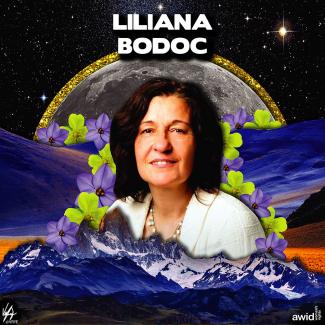
Liliana was a teacher, a weaver, and a well recognized writer from Argentina.
Her trilogy La saga de los confines received several awards and is unique in the fantasy genre for its use and re-imagining of South American Indigenous mythology.
Liliana’s commitment to feminism was expressed in the diverse, rich and strong women voices in her writing, and particularly in her extensive work for young readers. She also took public positions in favour of abortion, economic justice and gender parity.
Ключевая цель исследования – осветить финансовое положение различных феминистских движений, инициатив за права женщин, гендерную справедливость, ЛГБТКИ+ и смежных движений по всему миру и, основываясь на этом, еще больше усилить аргументы в пользу увеличения объема денежных средств и передачи власти феминистским движениям.
Aprende más sobre las realidades feministas
Por favor no dudes en contactarnos.
The COVID-19 pandemic showed the world how important essential workers are. We’re talking about cleaners, nurses, paramedics, domestic workers, transport workers, grocery shop workers, among others. Their work is to tend to and guarantee the wellbeing of others, and they make our economies function.
But while they take care of us…

Anna creció en Lewes, Sussex (Reino Unido) y se mudó a Bristol, donde se hizo plomera, luego de decidir que no iba a continuar con su carrera de Inglés en la Universidad de Sheffield.
Dedicó mucho de su tiempo a defender a las personas marginadas y sin privilegios, a participar de marchas antifascistas y a ofrecer apoyo a las mujeres de la Granja Dale cuando estuvieron bajo amenaza de desalojo. Vegana y amante de los animales, participó en sabotajes a partidas de caza y su nombre es honrado en el Monumento «Árbol de la vida», de PETA. En mayo de 2017, Anna se trasladó a Rojava llevada por su fuerte compromiso con el empoderamiento de las mujeres, la plena representación de todas las identidades étnicas y la protección del ambiente.
Murió el 15 de marzo de 2018, al ser alcanzada durante un bombardeo aéreo de fuerzas turcas a la ciudad de Afrin, en el norte de Siria. Anna cayó combatiendo junto a las Unidades de Protección de las Mujeres (YPJ).

كلا. نطلب فقط تعبئة استطلاع واحد لكل مجموعة.
六大主軸支持起論壇中女性主義理念實現的框架。每個主軸都以實現的女性主義理念、經驗和願景為中心,探討抵抗與主張、奮鬥與另類選擇之間持續不斷的關係。我們希望能共同探討出女性主義理念實現的構成要素,並找到讓女性主義理念實現在人生不同領域,欣欣向榮發展的推動力。
這些實現的理念可能以生活方式、夢想和構思中的想法充分表達,或是寶貴的經驗和重要的時刻。
這些主軸並不是孤立的主題,而是與論壇活動相互串連的載體。我們預期許多活動會處在這些主題的交匯處,不同的爭取方式、社群和運動之間的交匯處。這些說明只是初步的描述,會隨著女性主義理念實現之旅的開展而不斷地演變。
本議題主軸聚焦以下問題:個人、社群和運動如何滿足自身的基本需求,並用以人為本及自然為本的方式,確保我們所需繁盛發展的資源。「資源」指的是食物、水、清潔的空氣以及金錢、勞動力、資訊、知識和時間等等。
女性主義者對抗以剝削和榨取掛帥的主流經濟體制,對於組織我們的經濟與社會生活,女性主義提出了方案、累積經驗與付諸實踐,本主軸借重其經驗,表彰深具影響力與啟發性者。糧食和種子主權、女性主義的工作和勞動願景、公正和永續的貿易體系等等,只是將要探索的一部分問題而已。我們將勇敢面對在壓迫的經濟體制下為了生存而產生的矛盾。
女性主義針對經濟正義與創造財富進行了廣泛分析,本主軸以此為前提研究組織與運動獲得資金與資源的主題,探討如何將資源轉移到需要的地方,如何從稅捐正義和基本收入的模式轉移到不同的慈善模式以及運動該如何發揮創意並自主開源。
我們力求樹立新的願景,並擴展女性主義治理、當責和正義以實現的理念與經驗。面對全球危機以及法西斯主義和基本教義派崛起,這個主軸以女性主義的、激進又解放的模式、實務與理念為重心,從在地到全球,探討社會與政治生活的組織。
本議題主軸將探討女性主義治理的樣貌,從女性主義的地方自治經驗、在民族國家以外建立制度,再到我們對多邊主義的願景。我們將交流社群、組織和運動中正義和當責製程序的經驗,包括修復式、以社群為本、轉型正義模式,而這些模式拒絕國家暴力和監獄產業綜合體。
以旅行、移民和難民以及女性主義組織經驗為中心,我們追求一個沒有致命邊境政權的世界:一個可以自由移動,旅程令人雀躍的世界。
科技在我們生活中扮演的角色越來越吃重,線上與線下真實之間的分野越來越模糊。女性主義者廣泛應用科技與線上空間來營造社群、相互學習和動員行動。借助線上空間,我們可以拓寬實體世界的邊界。但另一方面,數位通訊主要歸企業所有,而其對用戶的責任卻很少。資料探勘、監視和安全漏洞已成為常態,網路暴力和騷擾也是。
本議題主軸探討了數位化現實下的女性主義機遇和挑戰。我們將探討主導數位環境私有平台的替代方案、探索網路空間時維持身心健康的策略,以及如何應用科技來克服取得服務的挑戰。關於愉悅、信任和人際關係,我們將探索科技可發揮的潛力。
女性主義理念實現也存在於自身:體現的經驗。父權、順性別異性戀與資本主義掛帥結構的核心依然為對勞動、移動、生殖以及性相的掌控。要顛覆這種壓迫,擁有多元性別、性相和能力的人相會,打造喜悅、關懷、愉悅及強烈欣賞自我與他人的空間以及次文化。
本議題主軸將探討不同社會與文化中。女性、跨性別者、非二元性別者、非常規性別者、陰陽人,對於授意權、能動性與慾望的多元想法、敘事、想像力及文化表現。
我們將分享贏得生育權和正義的戰略,並闡明能實現和尊重人身自主、完整和自由的社會實務。該議題主軸串連不同抗爭和運動,相互交流彼此關於身心健康和愉悅的經驗和觀點。
想像一顆女性主義的星球。水的聲音聽起來如何?空氣的味道聞起來如何?土壤的觸感摸起來如何?星球與包括人類在內的生命之間有什麼關係?實現的女性主義理念亦即環境和氣候正義的實現。女性主義、原住民、去殖民和生態抗爭通常源自轉型願景以及人與自然之間的關係。
本議題主軸以我們星球的福祉為中心,反映了人類與地球互動並重塑地球的方式。永續女性主義星球包含探索傳統知識和生物多樣性,並學習女性主義關於以下議題的實踐,包括去成長(degrowth)、公社共有實踐、平行經濟模式、農業生態、糧食和能源主權倡議等。
雖然我們認為所有的議題主軸息息相關,但此主軸確實是貫串所有主軸,因此無論您提交的活動與哪一類議題主軸串連,我們也邀請您在提案中加入組織面向。
當今的世界是如何組織女性運動的?這個問題將我們的注意力轉移到參與者、權力機制、資源、領導力,我們所處的經濟狀態,我們對正義和當責的認知,數位化時代,以及對自治、身心健康和集體關懷的經驗上。我們希望所有議題主軸都可以創造一個可以誠實反思的空間,思考運動中的權力分配、資源分配與協商。
該論壇不僅僅是一個四天的會議。它更為女權主義現實實踐的運動增強之旅提供了另一個驛站,該旅程早已開始也將在論壇結束後繼續。
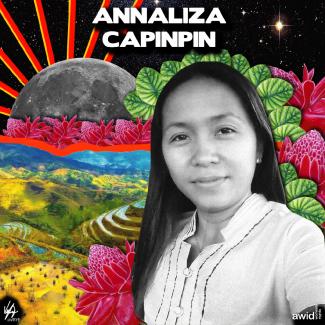
Annaliza était la présidente du Conseil de réforme agraire des pionniers de Mindanao, un groupe de coordination de la ville de Tacurong, aux Philippines.
Mère aimée de quatre enfants, sa communauté se souvient d’Annaliza comme de « celle qui dirige quand personne ne veut diriger, qui parle quand personne ne veut parler, qui a eu le courage d'aider les bénéficiaires de la réforme agraire à acquérir des terres ».
Annaliza a été abattue par des assaillants inconnus devant l'Université d'État de Sultan Kudarat (SKSU) alors qu'elle se rendait au lycée national Salabaca à Esperanza.
Sa famille a déclaré : « Naghihintay pa rin kami ng hustisya para sa kanya » (nous attendons toujours que justice lui soit rendue).
Resources to support feminist movements, policy-makers, and allies!
Да, доступ к опросу можно получить с помощью смартфона.
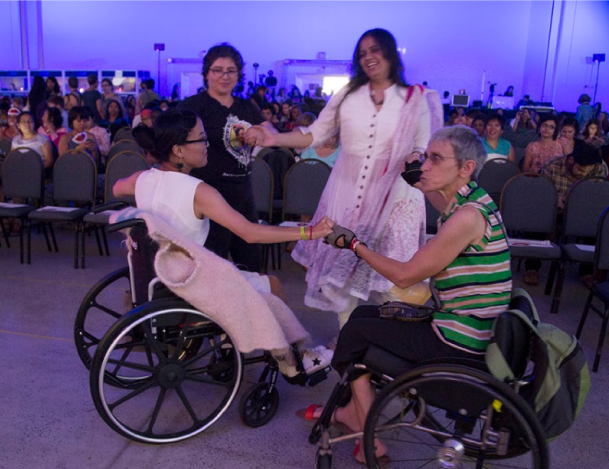
Para cada Foro de AWID, pedimos a un amplio espectro de movimientos feministas y por la justicia social que propongan actividades, para crear así el programa.
Para el 14° Foro Internacional de AWID queremos armar un programa que sea verdaderamente representativo de la diversidad de los movimientos.
Con este objetivo, hemos adoptado una forma nueva y atractiva para elegir las propuestas que generarán el programa final del Foro: el Proceso de Selección Participativa (PSP).
El Proceso de Selección Participativa es la etapa final de la revisión de las propuestas de actividades y de la selección de aquellas que formarán parte del programa oficial del Foro.
|
Paso
|
Paso 1: Llamado a presentar actividades para el Foro: Presentación de propuestas |
Paso 2:
|
Paso 3:
|
Paso 4:
|
| Cronograma |
diciembre 2019 - mediados de febrero 2020
|
enero - febrero 2020
|
Verano 2020
|
fechas a ajustar
|
|
|
Todxs lxs interesadxs en la creación conjunta del programa del Foro |
Equipo de AWID
|
Equipo de AWID; Comité de Contenido y Metodología; Comité de Acceso |
Candidatxs preseleccionadxs
|
Cantidad de actividades |
Alrededor de 838 actividades presentadas |
306 presentaciones seleccionadas |
126 actividades preseleccionadas |
Las 50-60 actividades más votadas seleccionadas para el programa final del Forod |
Pensamos que un PSP es relevante para el Foro de AWID porque:
Coloca en el centro del proceso de toma de decisiones a las comunidades que viven las realidades feministas que serán presentadas y discutidas en el Foro.
Es consistente con nuestra identidad y nuestro rol como organización de apoyo y acompañamiento a los movimientos
Concuerda con nuestra visión del Foro como creación conjunta con los diferentes movimientos feministas y por la justicia social que le dan forma al Foro a través de su participación en comités (contenido y metodología, acceso, artivismo y país anfitrión), de la creación y facilitación de actividades como contrapartes de AWID, y también mediante la toma de decisiones sobre el programa vía el PSP.
Posibilita una mayor diversidad de las texturas que conformarán el tejido del Foro (o de las voces que compondrán el canto del Foro). Garantiza que podamos trascender a la misma AWID y a los movimientos asociados que ya conocemos y con los que ya trabajamos: abre la puerta a lo inesperado.
La idea inicial surgió de las Co-directoras Ejecutivas y el equipo de AWID. Antes de comprometernos con una decisión, consultamos a algunos de los fondos comunitarios que vienen implementando procesos de selección participativa desde hace años, como FRIDA: El Fondo de Jóvenes Feministas, el Fondo Internacional Trans, UHAI (el fondo de África Oriental para minorías sexuales y trabajadorxs sexuales), y el Fondo Centroamericano de Mujeres. Los consultamos para aprender de sus amplias experiencias y recibir sus comentarios.
Autonomia financiera, el Rompedor de Silencio
ORGANISATION DES FEMMES AFRICAINES DE LA DIASPORA (OFAD) ASSOCIATION LES PETITES MERES PRODADPHE ASSOCIATION AMBE KUNKO (AAK)
Contribución de las organizaciones feministas a la lucha contra el extremismo violento en Niger
Femmes Actions et Développement (FAD)
Autofinanciamiento: lxs mujeres a prueba de los telebancos
Rassemblement des Femmes pour le développement endogène et solidaire RAFDES
Alimentacion y soberanía alimentaria de lxs mujeres rurales
Association Song-taaba des Femmes Unies pour le Développement (ASFUD)
Líderes feministxs, comprometidxs en invertir la masculinidad positiva en la construcción de un nuevo orden social equilibrado en las localidades de la Región de Cavally, en la parte oeste de la Costa de Marfil: ¿Cómo provocar un cambio de mentalidad?
Une societe cooperative, la chefferie traditionnelle des localites, les autorites administratives et les autres associations feminines ONG Centre Solidarite "Investir dans les Filles et les Femmes
Co-creación de una metodología de madrinazgo
NEGES MAWON
Miles de oportunidades para salvar la tierra (MOST) apoyando la justicia climática para las comunidades locales e indígenas en la cuenca del Congo
Jeunesse Congolaise pour les Nations Unies (JCNU), Association Genre et Environnement pour le Développement (AGED)
Imaginar una política feminista queer asiática
ASEAN Feminist LBQ Womxn Network Sayoni
Apoyando la autogestión: doulas de aborto, acompañantes y redes radicales de apoyo
inroads
Feminismos en línea: cómo están recuperando la tecnología las mujeres
Feminism In India
Comité para la eliminación de la discriminación contra las trabajadoras sexuales
Asia Pacific Network of Sex Workers (APNSW), The International Women's Rights Action Watch Asia Pacific (IWRAW AP)
Liderazgo y organización feminista sostenible: experiencias personales y colectivas
HER Fund, Institute for Women's Empowerment (IWE) ,Kalyanamita, AAF
Realidades del Caribe: Radio Sauna Negra
WE-Change Jamaica
Cuidado a través de líneas telefónica de ayuda y experiencia de las mujeres
Generation Initiative for Women and Youth Network (GIWYN),Youth Network for Community and Sustainable Development (YNCSD), Community Health Rights Network (CORENET)
La sensualidad como resistencia: taller de movimiento corporal
UHAI EASHRI
Discoteca lésbica de estilo europeo oriental
Sapfo Collective
Instalación Utopía Feminista de FitcliqueAfrica, campamento de sanación del trauma y de autodefensa
FitcliqueAfrica (Fitclique256 Uganda Limited)
Hacer que las comunicaciones sean más queer para una internet abierta
Astraea Lesbian Foundation for Justice
¿Es capacitista la forma en que piensas sobre la salud sexual y reproductiva (SSR)? Buenas prácticas para programas e incidencia en SSR inclusivos de las personas con discapacidad.
Asia Pacific Network of Women with Disabilities and Allies
Decolonizar la comunicación no violenta
API Equality-LA, Sayoni, ASEAN Feminist LBQ Womxn Network
Enfoques centrados en el feminismo para llevar a juicio el acoso sexual en el mundo del trabajo
Women's Legal Centre
Mujeres en conflicto en Myanmar
Women's League of Burma, Rainfall
Espacios creativos caribeños, expresiones creativas y prácticas espirituales para la transformación comunitaria
CAISO: Sex and Gender Justice
POP-UPS: Poder justo: herramientas de poder popular para un futuro feminista
JASS/Just Associates
No anónimo: haciendo más queer las prácticas feministas de la diáspora negra africana acerca de la sobriedad
Brujería digital: pensamiento mágico para los futuros ciberfeministas
The Digital Witchcraft Institute
Construyendo manifiestos de mujeres: la agenda de las mujeres de base para el cambio en Asia-Pacífico
Asia Pacific Forum on Women Law and Development
Diseñando tus viajes astrales
EuroNPUD, narcofeminists as a loose group
Cuidado colectivo
RENFA Rede Nacional de Feministas Antiproibicionistas
Música de nuestros movimientos
Radical imagination
De desecho a carbón amigable con la ecología
KEMIT ECOLOGY SARL
El cuidado colectivo y la insurgencia de movimientos feministas antirracistas bajo contextos autoritarios y violentos
CFEMEA - Feminist Center of Studies and Advisory Services, CRIOLA - black women`s organization, Iniciativa Mesoamericana de Mujeres Defensoras
Quebrando el dominio de la religión patriarcal sobre la legislación de familia que afecta nuestras vidas #FreeOurFamilyLaws [liberen nuestras leyes de familia]
Musawah
Enfoque feminista para reclamar y controlar tierras dentro de inversiones
Badabon Sangho, APWLD
Paro mundial de mujeres: nuestra resistencia, nuestro futuro
Asia Pacific Forum on Women, Law & Development, ESCR-Net, Women's March Global
Hacia una «Madre Tierra» inclusiva
Disability Rights Fund, Open Society Foundation
De la inclusión a la infiltración: estrategias para construir movimientos feministas interseccionales
Mobility International USA (MIUSA)
Las historias ocultas de las mujeres con discapacidades invisibles: arte en acción
The Red Door, Merchants of Madness, Improving Mental Wellbeing through Art
Asociación entre lo público y lo privado y derechos humanos de las mujeres: aprendizajes a partir de estudios de casos en el sur global
Development Alternatives with Women for a New Era (DAWN)
El viaje interconectado: nuestros cuerpos, nuestra ciencia ficción
The Interconnected Journey Project, Laboratorio de Interconectividades
Recopilar y construir: una visión feminista alternativa para desafiar el orden económico mundial dominante
IWRAW Asia Pacific
La autopublicación como acto feminista
International Women* Space
Buenas prácticas de protección legal para minorías de género y sexuales en Pakistán y su interseccionalidad
Activists Alliance Foundation, Khawja Sirah Society, Wajood Society, Wasaib Sanwaro
Enfoques feministas para contrarrestar el tráfico
IWRAW Asia Pacific, Business & Human Rights Resource Center
Críticas al individualismo y a las políticas estatales: organización internacional contra la violencia dirigida
Masaha: Accessible Feminist Knowledge
Decolonizando la intimidad: cómo las identidades queer cuestionan las estructuras familiares heteronormativas
WOMANTRA
Yeki Hambe – Teatro de lxs trabajadorxs sexuales
Sex Worker Education and Advocacy Task Force
Creando la realidad feminista indígena: honrando lo sagrado femenino y construyendo nuevos caminos para las mujeres indígenas
Cultural Survival, International Funders in Indigenous Peoples
Los ojos en el antiprohibicionismo por parte de las mujeres brasileras
Mulheres Cannabicas, Tulipas do Cerrado
Comisión de la verdad feminista negra: abordando las injusticias para revolucionar el feminismo interseccional como nueva realidad
Black Women in Development
El cuidado comunitario es autocuidado: en los espacios seguros se cuentan historias verdaderas
Eurasian Harm Reduction Association, Metzineres, Urban Survivor’s Union, Salvage women and children from drug abuse
Ningún movimiento prohibido: conexiones a través del baile entre los derechos de las personas con discapacidad, los derechos de las personas trans y los derechos sexuales contra la violencia
National Forum of Women with Disabilities, Autonomy foundation, Nazyk kyz
El impacto de la captura corporativa de las realidades feministas: desarrollando herramientas para la acción
ESCR-Net | Economic, Social, Cultural Rights Network
Reimaginando el SIDA: construyendo una respuesta feminista al VIH
Frontline AIDS, Aidsfonds, IPPI (Indonesian Network of Women Living with HIV), UHAI-EASHRI (East African Sexual Health and Rights Initiative)
Promoviendo la justicia económica para materializar nuestra visión de un planeta feminista
International Network for Economic, Social and Cultural Rights, ESCR-Net
Café de lxs trabajadorxs sexuales
Hydra e.V.
Adoptando un enfoque ecofeminista para lidiar con el cambio climático y la seguridad alimentaria
Umphakatsi Peace Ecovillage, Human Rights Educational Centre
Conectando la base con lo internacional: la experiencia de una movilización creativa de lxs trabajadorxs sexuales en Europa
International Committee on the Rights of Sex Workers in Europe, STRASS - French Sex Worker Union, APROSEX, Red Edition
Experimentar con cómo puede ayudarnos la tecnología innovadora a sentirnos más segurxs cuando nos movemos en nuestras ciudades
Soul City Institute for Social Justice, Safetipin, Womanity Foundation
¿Son INfeministas las jerarquías dentro de las organizaciones?
Gay and Lesbian Coalition of Kenya National, Gay and Lesbian Human Rights Commission
Todas somos diferentes, pero tenemos valores compartidos
UNWUD (Ukrainian network of women who use drugs), JurFem Association, Women's Prospects
Un mundo sin clases
Bunge La Wamama Mashinani (Grassroots Women's Parliament)
Las mujeres empoderan a la comunidad
Institute for Women's Empowerment (IWE), Solidaritas Perempuan, ASEC Indonesia, Komunitas Swabina Pedesaan Salassae (KSPS)
Organización feminista: liderazgo transformador- trabajadoras en América Latina creando un movimiento sindical feminista y un mundo laboral feminista
Solidarity Center
Representar, portarse mal: feminismo de las personas con discapacidad decolonizando las narrativas de estigma a través del teatro participativo
Rising Flame, National Indigenous Disabled Women Association, Nepal, The Spectrum & Union of Abilities, The Red Door
Valorando y poniendo en el centro el descanso, el placer y el juego
ATHENA Network
El proyecto de juicio africano feminista
The Initiative for strategic Ligation in Africa (ISLA)
Voces desde las líneas del frente: apoyando el poder colectivo para poner fin al encarcelamiento de mujeres en el mundo
International Drug Policy Consortium, Equis Justicia para las Mujeres, National Council for Incarcerated and Formerly Incarcerated Women and Girls, Women and Harm Reduction International Network
Activismo queer joven: imaginando en una era de derechos humanos y desarrollo sostenible
African Queer Youth Initiative, Success Capital Organisation
Nuestras luchas, nuestras historias, nuestras fortalezas
Oriang Lumalaban, Pambansang Koalisyon ng Kababaihan sa Kanayunan
Rompiendo las barreras para la acción indígena colectiva sobre el clima en el Sudeste Asiático
Cuso International, Asia Indigenous Peoples' Pact
Amar a las mujeres positivas: yendo más allá del amor romántico hacia el amor comunitario profundo y la justicia social
Eurasian Women's Network on AIDS
Intersexualidad y feminismo
Intersex Russia
Entendiendo las experiencias y necesidades de salud reproductiva de las personas transgénero y de género diverso
Asia Pacific Transgender Network (APTN)
Porque ella cuida: conversaciones críticas sobre el activismo en VIH como trabajo de (des)cuidado
Because We Care Collaborative
El Manifiesto de los sistemas alimentarios del Mississippi
Center for Ideas, Equity & Transformative Change, National Council of Appropriate Technology - Gulf South, MS Food Justice Collaborative, Malcolm X Grassroots Movement
La experiencia de la copresidencia del movimiento de mujeres kurdo como ejemplo de logro feminista radical: ¡la copresidencia es nuestra línea PÚRPURA!
The Free Women’s Movement (TJA)
«Caminando sobre cáscaras de huevos»
Eldoret Women For Development (ELWOFOD), Mama Cash, Young women against Women Custodial Injustices Network
Libertad
La cárcel no es feminista: analizando el efecto y las alternativas a depender de la policía y el encarcelamiento
Migrant Sex Workers Project, Showing Up For Racial Justice
Bondo sin sangre: una forma feminista de reimaginar los ritos de pasaje de Sierra Leona
Purposeful
Tierra y territorios liberados: una conversación panafricana
Thousand Currents (USA), Abahlali baseMjondolo (South Africa), Nous Sommes la Solution (west Africa/regional), Movilización de Mujeres Negras por el Cuidado de la Vida y los Territorios Ancestrales (Colombia), and Articulation of Black Rural Quilombola Communities (Brazil)
Educación popular y organización para una economía feminista
Jamaica Household Workers Union (JHWU), United for a Fair Economy, Centro de Trabajadores Unidos en la Lucha (CTUL)
¿Así que quieres movilizar con una billetera vacía? Hagámoslo realidad
Breakthrough India
Compartir experiencias para establecer una red de defensoras de derechos humanos en África del este: la perspectiva ugandesa
Women Human Rights Defenders Network Uganda
Clínica tecnológica
Stichting Syrian Female Journalists Netowrk
Construyendo movimientos inclusivos: más allá de la inclusión simbólica
Rising Flame
Justicia y sanación para las sobrevivientes de la violencia de género: un debate interactivo sobre la justicia reparadora y la anatomía de una disculpa
One Future Collective
Acciones colectivas para poner fin a la transfobia con una perspectiva feminista
Asia Pacific Transgender Network, Iranti, Transgender Europe
Mujeres LBQ y asilo
Sehaq
Aborto y discapacidad: hacia un enfoque interseccional basado en los derechos humanos
Women Enabled International
Aprender cómo apoyar a las comunidades auto-organizadas de indocumentadxs, migrantes y trabajadorxs sexuales criminalizadxs
Buttrerfly (Asian and Migrant Sex Workers Support Network)
Autocuidado: una herramienta fundamental para sostener el activismo LGBTQI y feminista
United and Strong Inc., S.H.E Barbados, Lez Connect
Reclamando las VOCES-REALIDADES-PODER feministas jóvenes africanas para la justicia climática
Young Feminist organization Gasy Youth Up, Young African Feminist Dialogues
Mujeres en acción y solidaridad: representando nuestras realidades (Asia y África)
Women Performing the World (Asia/Africa)
Juntas en esto: fondos de mujeres y movimientos feministas creando juntos realidades feministas
Women Forum for Women in Nepal (WOFOWON)
Las no-ciudadanas: asuntos de la ciudadanía de las mujeres en el contexto de comunidades migrantes y vulnerables de Asia meridional
NEthing
Imaginando para una voz en las crisis migratoria y climática
Women's Refugee Commission, The Feminist Humanitarian Network, ActionAid
Juntas en esto: fondos de mujeres y movimientos feministas creando juntos realidades feministas
Mama Cash, Global Fund for Women, Urgent Action Fund - Africa
Creando magia con los movimientos feministas jóvenes: prácticas participativas que provocan alegría
Feminist organizing, FRIDA The Young Feminist Fund (Community), Teia
Derecho de protección de las mujeres en realidades difíciles: tres organizaciones de mujeres de comunidades marginales
NGO Asteria, Ermolaeva Irena and Bayazitova Renata. NGO Ganesha Musagalieva Tatiana. NGO Ravniy Ravnomu Kucheryavyh Tanya
Feminal – tradiciones contra el arte y la expresión
Bishkek Feminist Initiatives
Resistencia a través del conocimiento, el arte y el activismo: creación de una biblioteca feminista en Armenia
FemHouse, Armenia
Conquistando el sistema de la ONU con estrategias feministas (no necesitas ser abogada para divertirte)
Kazakhstan Feminist Initiative "Feminita", IWRAW Asia Pacific, ILGA World
Datos. Huh. ¿Para qué sirven? Datos feministas y organización para resultados feministas
International Women's Development Agency, Women's Rights Action Movement, Fiji Women's Rights Movement
La voz, el liderazgo y la influencia de las mujeres criminalizadas en leyes, políticas y prácticas de Kenia
Keeping Alive Societies Hope-KASH, Katindi Lawyers and Advocates, Vocal Kenya
De Colombia hacia el mundo, mujeres africanas como fuerza de cambio
Proceso de Comunidades Negras en Colombia -PCN, Solidarité Féminine por la Paix el le Develppment Integral -SOFEPADI,
Espacio afro-queer para escuchar y contar historias
AQ Studios, None on Record, AfroQueer Podcast
Una reivindicación de la identidad corporal
GBV Prevention Network : Coordinated by Raising Voices
Aprendamos de la Diversidad
Circulo de Mujeres con Discapacidad -CIMUDIS, Alianza Discapacidad por nuestros Derechos -ADIDE, Fundación Dominicana de Ciegos -FUDCI, Filial Puerto Rico de Mujeres con Discapacidad
Fútbol como herramienta Feminista
Fundación GOLEES (Género, Orgullo, Libertad y Empoderamiento de Ellas en la Sociedad)
Constelaciones migrantes
LasVanders
Diálogos ecofeministas para la defensa de los territorios.
CIEDUR (Centro Interdisciplinario de Estudios sobre el Desarrollo), Equit, Foro permanente de Manaos y Amazonia
El movimiento "La Frida Bikes"
La Frida Bike
Brujeria, chamanismo y otros conocimientos insurrectos contra el patriarcado
Colectiva Feminista MAPAS-Mujeres Andando Proceso por Autonomías Sororales
Experiencias, aprendizajes y desafíos para la gestión de la seguridad holística de organizaciones horizontales feministas y de la disidencia sexogenérica en tiempos de crisis social y política. La experiencia del levantamiento popular del 18-O en Chile
Fudación Comunidades en Interfaz
Alimento que todxs sabemos
Las Nietas de Nonó, Parceleras Afrocaribeñas por la Transformación barrial (PATBA)
Prácticas de resistencia ante el cambio climático de mujeres indígenas de Perú y Guatemala
Thousand Currents, Red de Mujeres Productoras de la Agricultura Familiar, Asociación de Mujeres Ixpiyakok (ADEMI, Ixpiyakok Women's Association)
Construyendo ciudades feministas
CISCSA, Articulacion Feminista Marcosur
Ponte en Mi Lugar
Alianza Discapacidad por nuestros Derechos - ADIDE, Circulo de Mujeres con Discapacidad -CIMUDIS
Limpiando el camino para la plenitud de vida de las mujeres, sanando traumas colectivos e históricos
Grupo de Mujeres Mayas Kaqla
Mujeres indígenas zapotecas desafiadas por la naturaleza.
Casas de Cuidado y Sanación para Defensoras De Derechos Humanos como parte el enfoque de la Protección Integral Feminista: Una Realidad Feminista
Iniciativa Mesoamericana De Defensoras de Derechos Humanos, Consorcio Oaxaca para el Diálogo Parlamentario y la Equidad A.C, Red Nacional De Defensoras De Derechos Humanos en Honduras, Coletivo Feminista de Autocuidado
Sanando tu voz de unicornix: Tejiendo tecnologías ancestrales y digitales para afilar la lengua
Trayectorias feministas para un protocolo de maternidad asistida en mujeres con discapacidad
Circulo emancipador de mujeres y niñas con discapacidad de Chile, CIMUNIDIS, WEI
Escuela para la niñez trans feminista
Fundación Selena
REDTRASEX: Experiencia De Organización Y Lucha Por Los Derechos De Las Mujeres Trabajadoras Sexuales De Latinoamerica y El Caribe
RedTraSex Red de mujeres trabajadoras sexuales LAC
Violencia de género en el mundo del trabajo sexual en México
Brigada Callejera de Apoyo a la Mujer, "Elisa Martínez", A.C., Red Mexicana de Organizaciones Contra la Criminalización del VIH. Red Mexicana de Trabajo Sexual
La migración nos obliga hacer camino al andar.
Asociación de Trabajadoras del Hogar a Domicilio y de Maquila. ATRAHDOM
Nuevas narrativas para mujeres negras: cuerpo, curación y placer.
Tejiendo memorias y redes - Feministas nehtas fortaleciendo los feminismos negros en América Latina y el Caribe (LAC)
Red de Mujeres Afrolatinoamericanas, Afrocaribeñas y de la Diáspora, Articulação de Organizações de Mulheres Negras Brasileiras (AMNB), Voces Caribeñas

Riham was a lawyer and activist committed to monitoring rights violations in Yemen.
She worked with other activists to supply civilians trapped by Houthi militias in the outskirts of the city of Taiz with food and water.
Riham was killed in February 2018 and it is unconfirmed whether she was killed by a sniper or hit by an aircraft. Nobody has been held accountable for her murder.