
Young Feminist Activism
Organizing creatively, facing an increasing threat
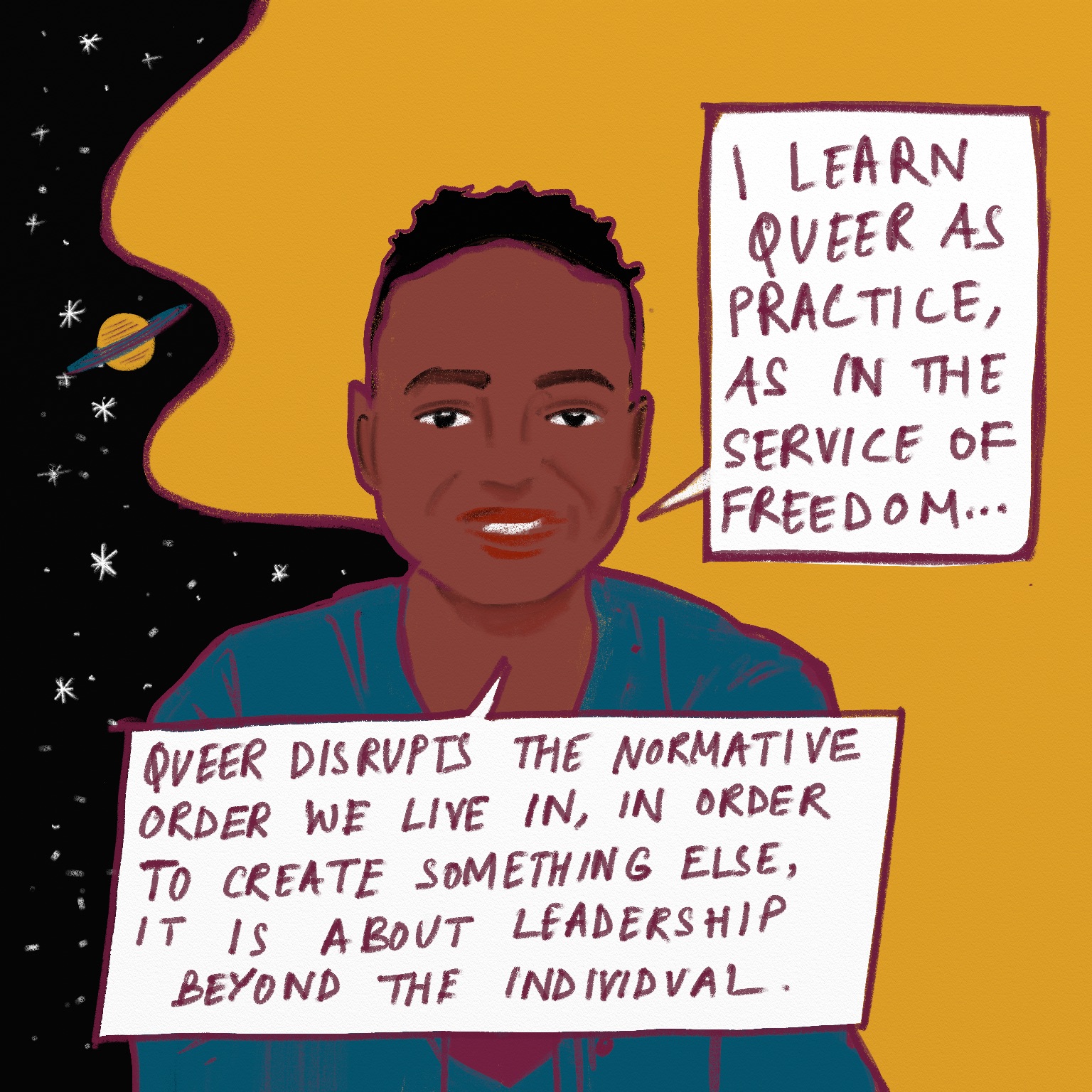
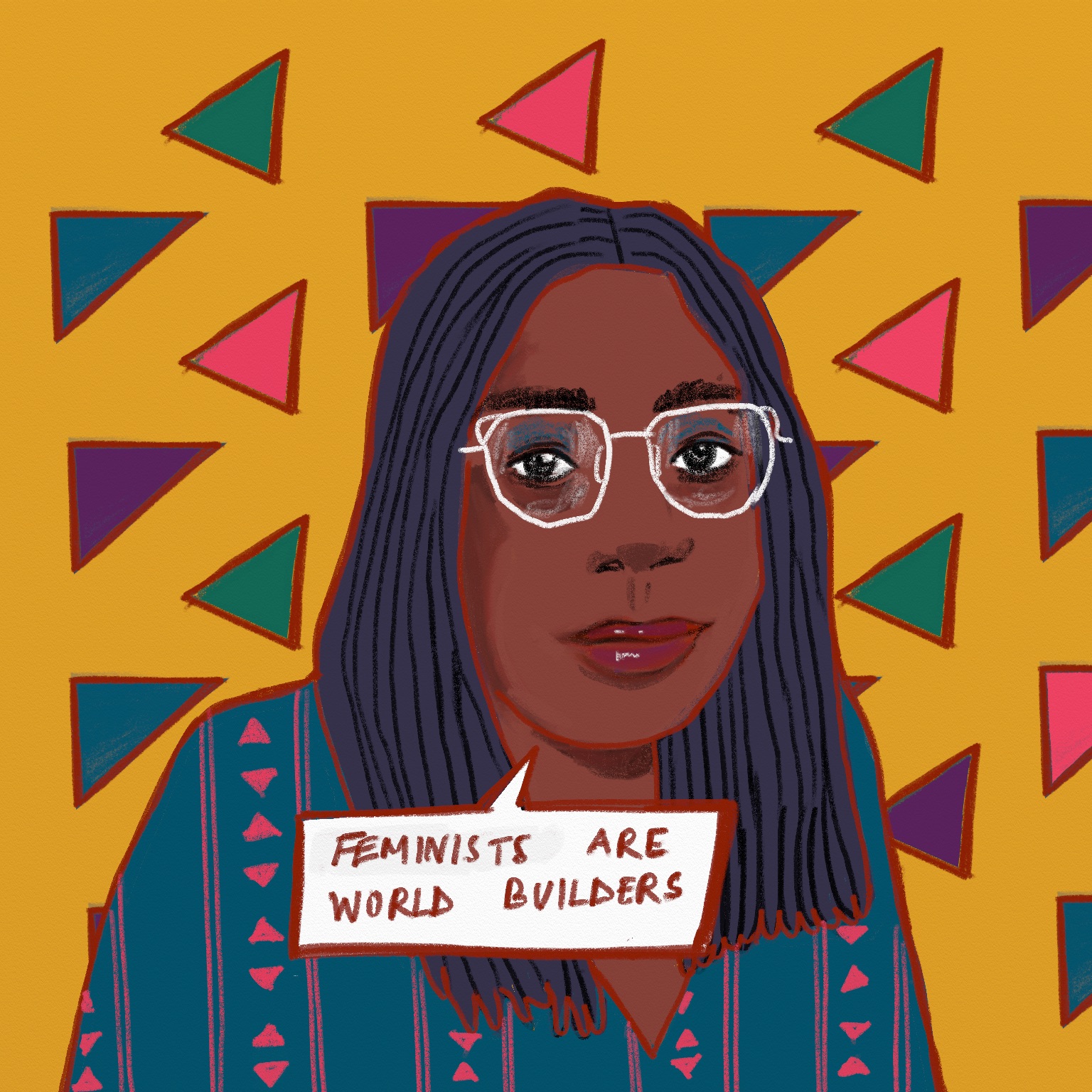
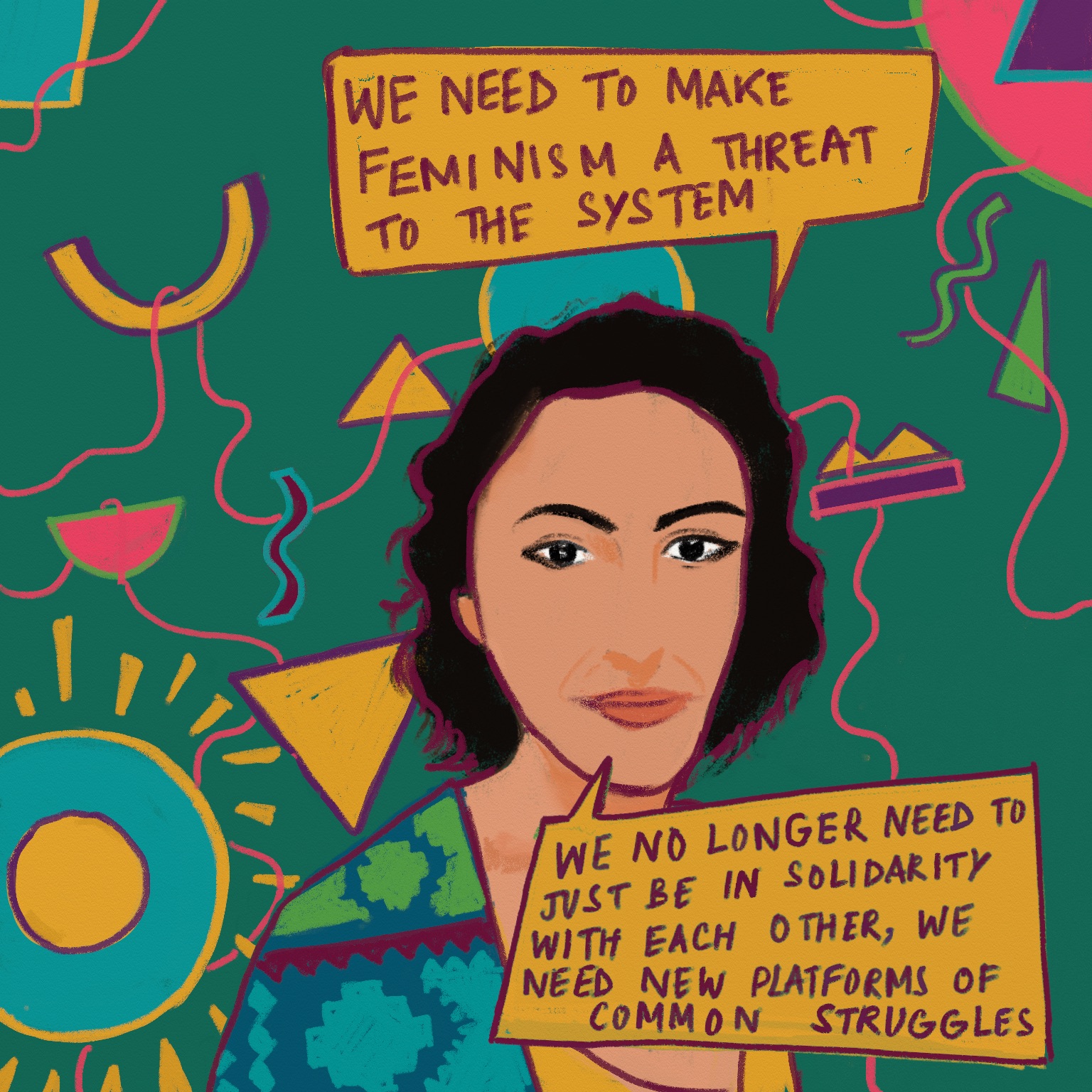
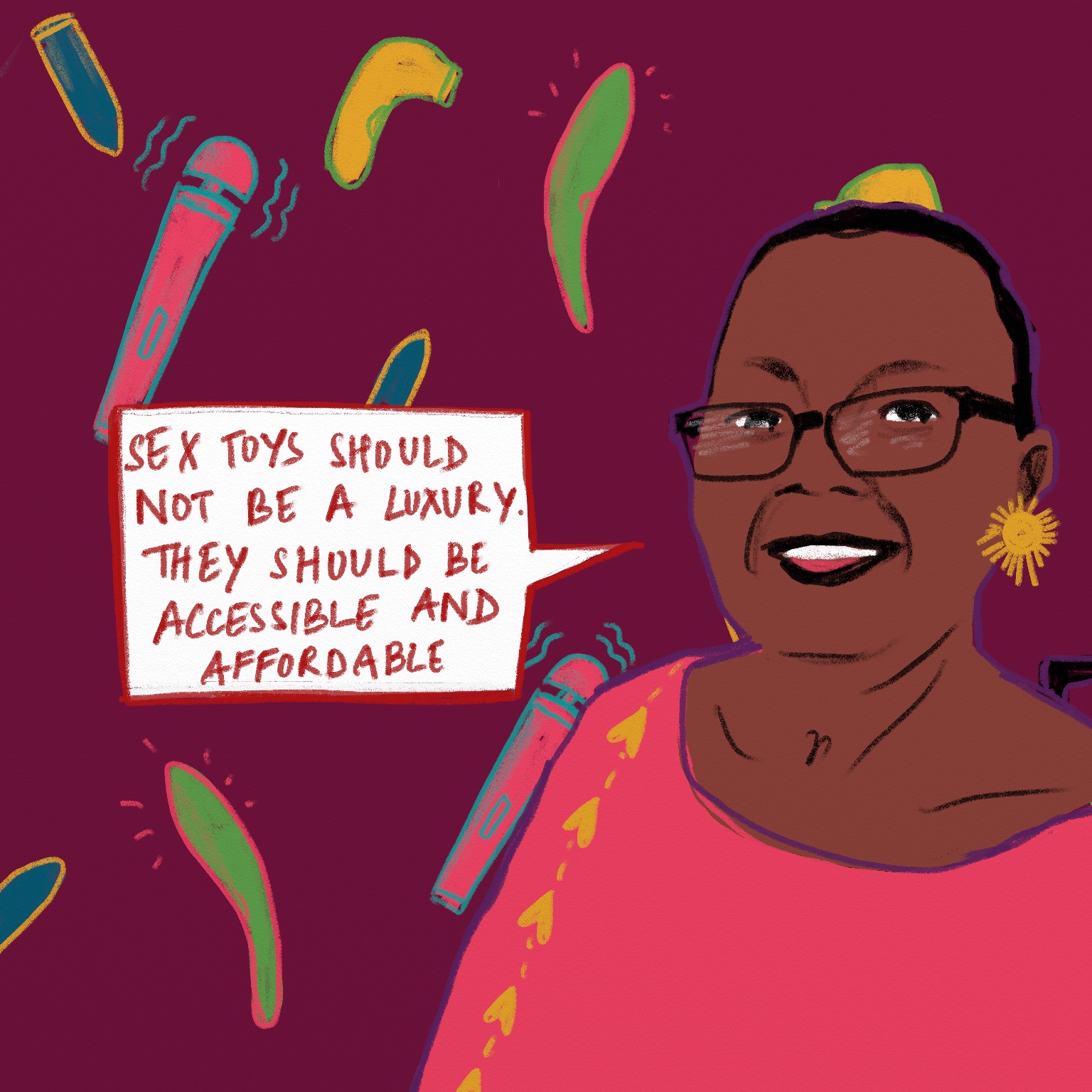
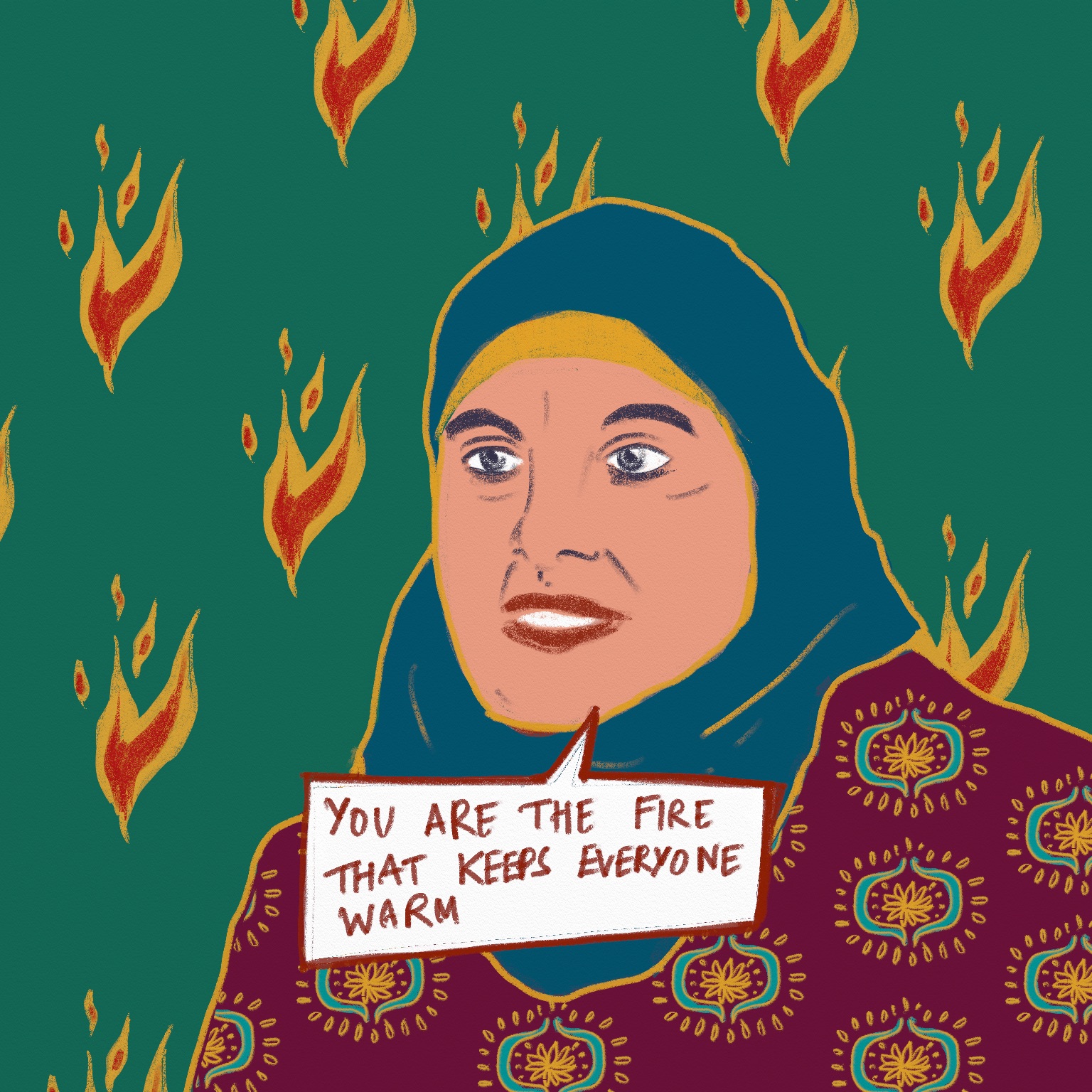
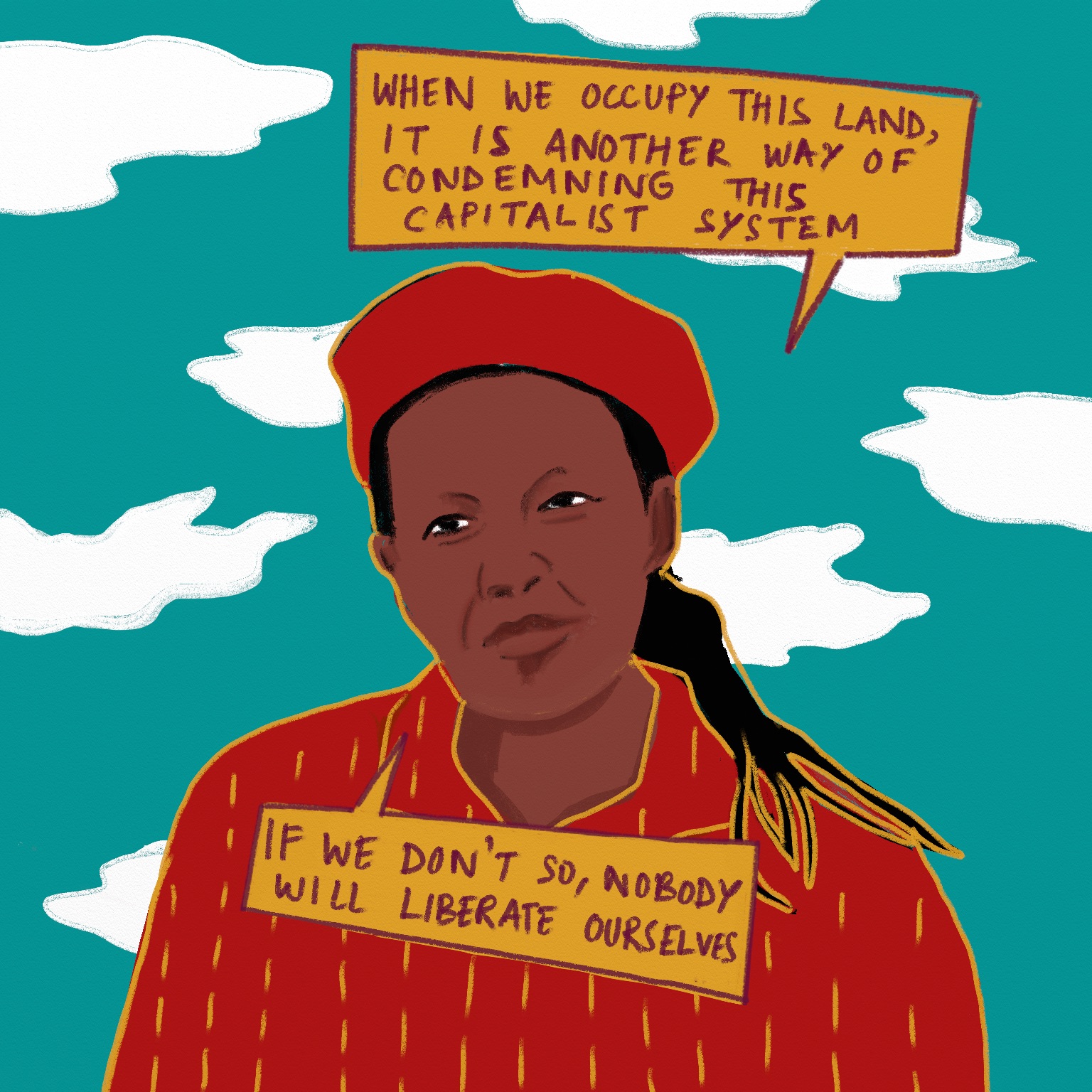
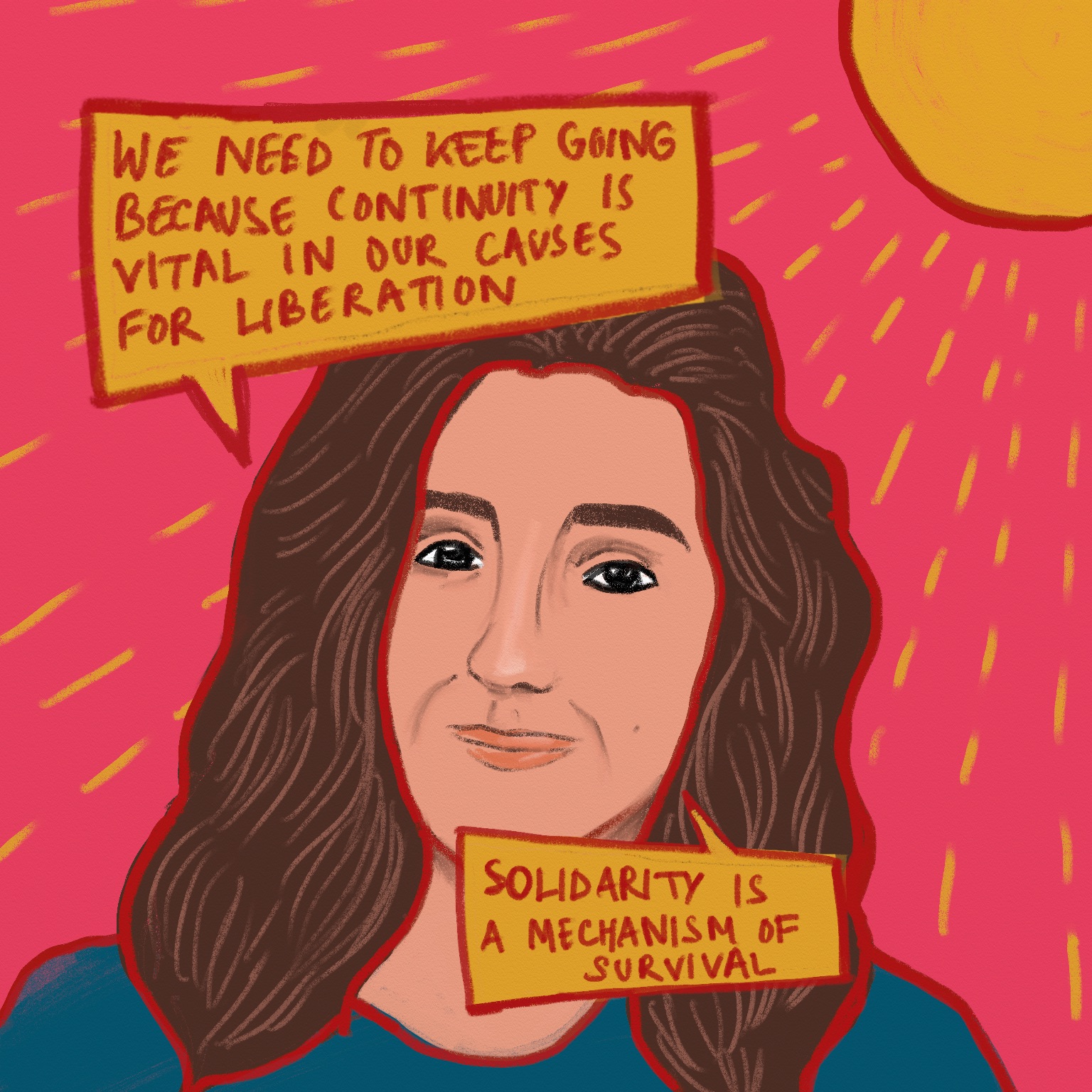
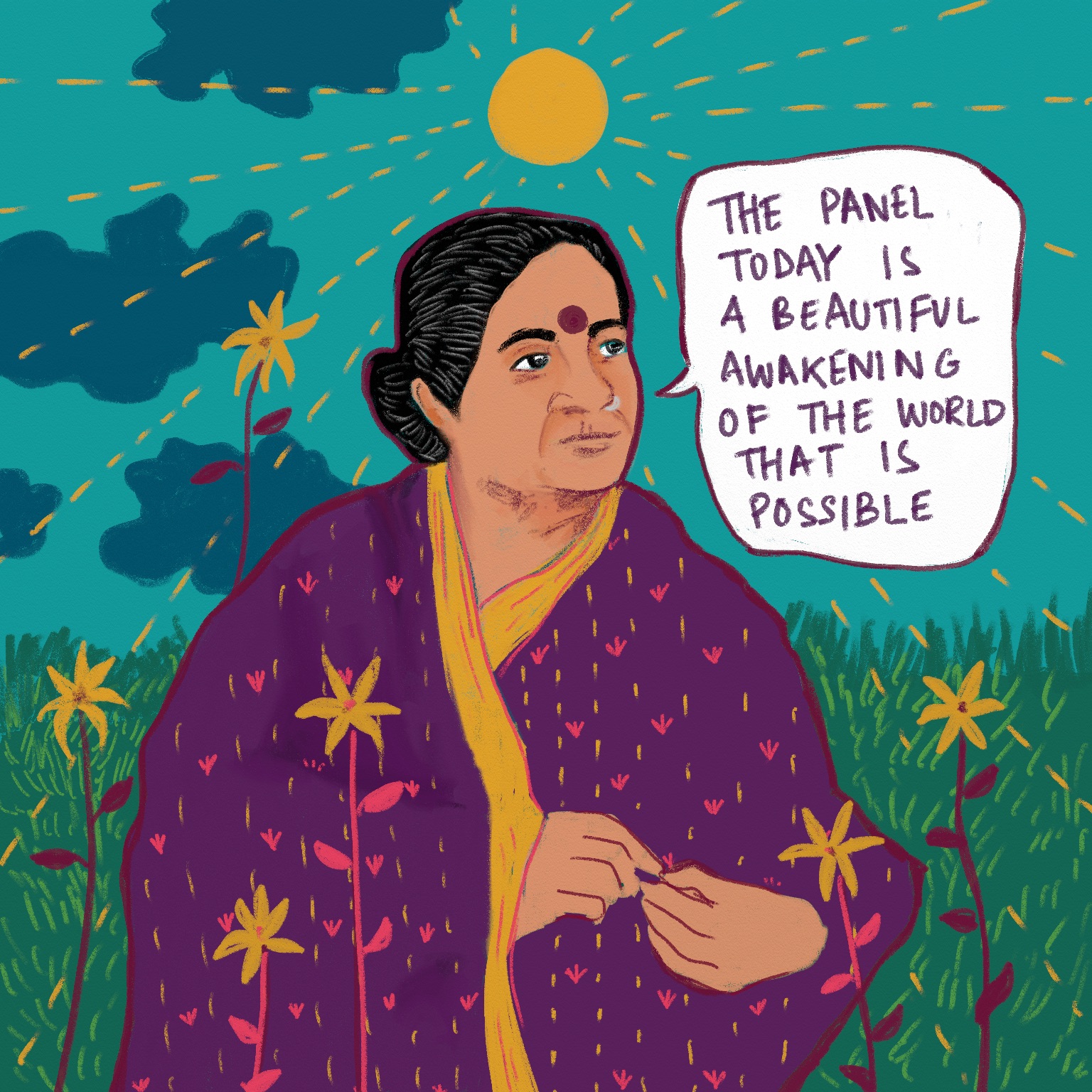
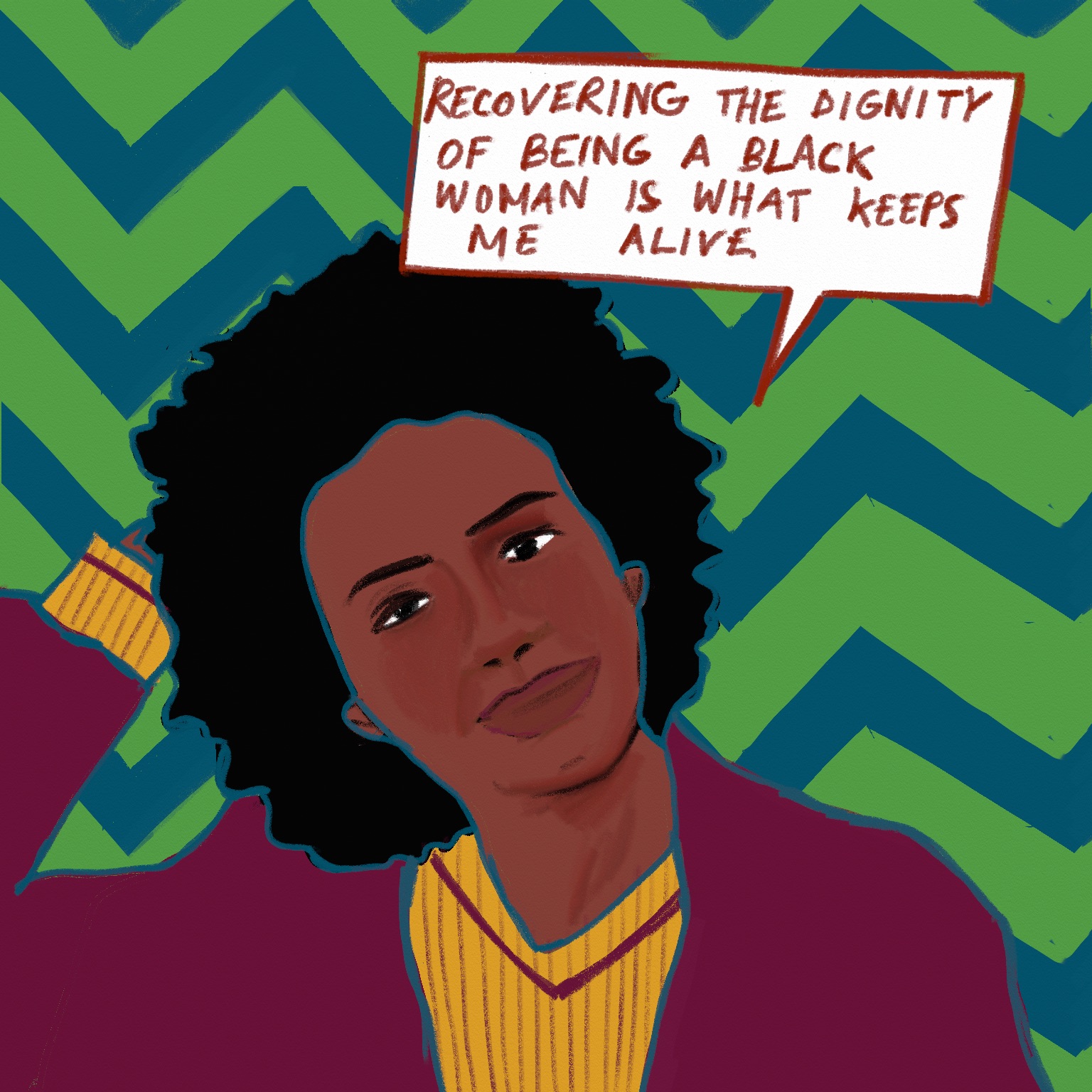
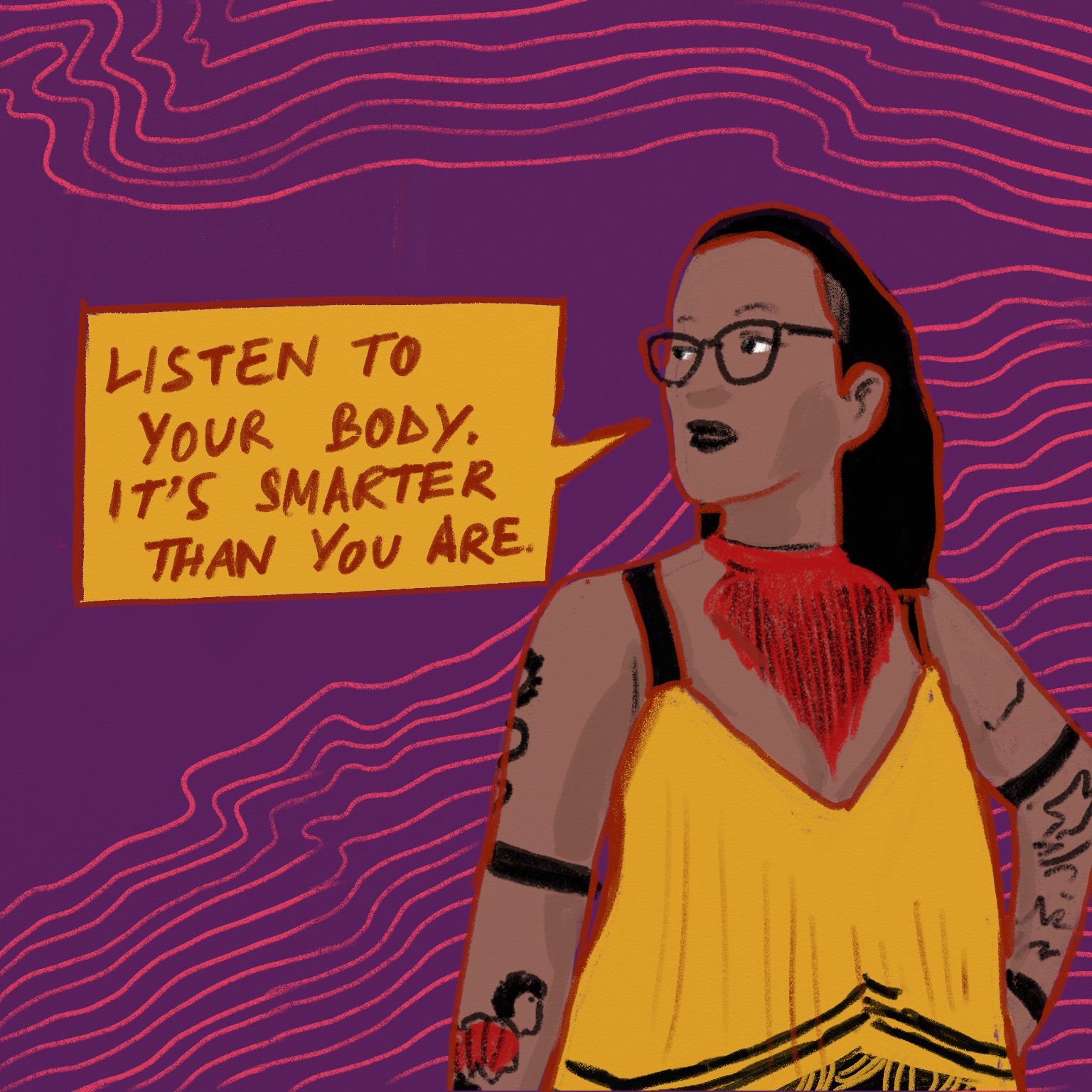
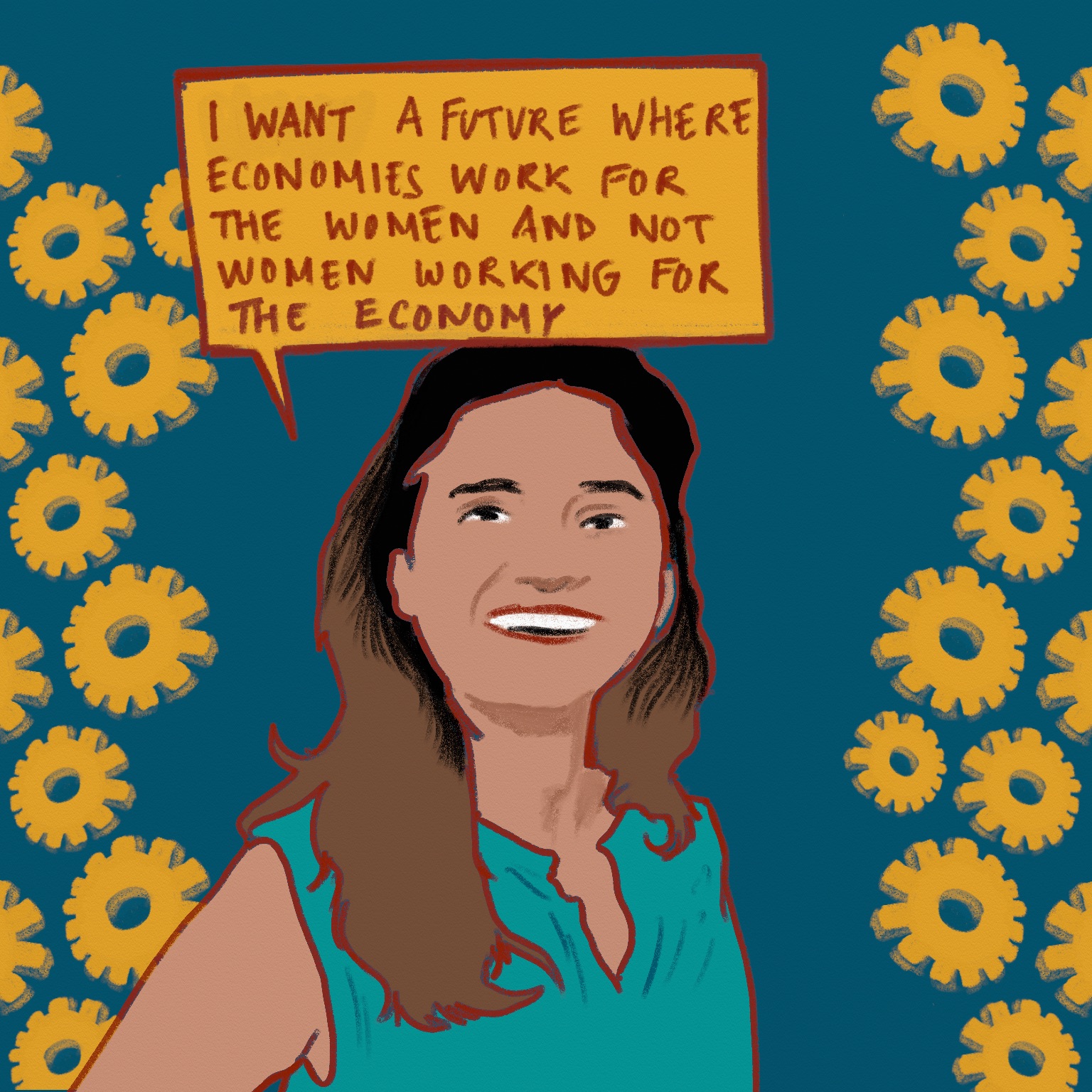
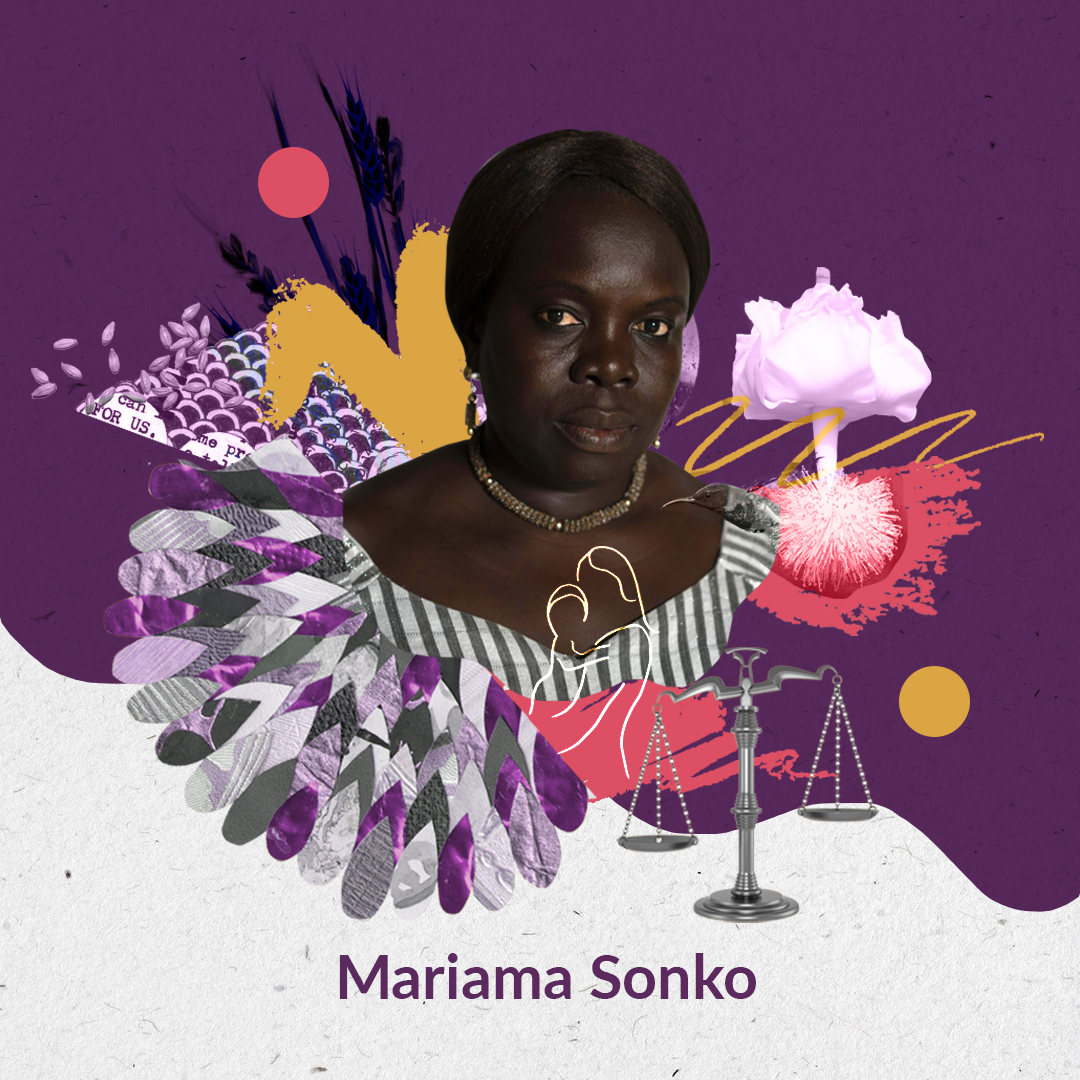
Young feminist activists play a critical role in women’s rights organizations and movements worldwide by bringing up new issues that feminists face today. Their strength, creativity and adaptability are vital to the sustainability of feminist organizing.
At the same time, they face specific impediments to their activism such as limited access to funding and support, lack of capacity-building opportunities, and a significant increase of attacks on young women human rights defenders. This creates a lack of visibility that makes more difficult their inclusion and effective participation within women’s rights movements.
A multigenerational approach
AWID’s young feminist activism program was created to make sure the voices of young women are heard and reflected in feminist discourse. We want to ensure that young feminists have better access to funding, capacity-building opportunities and international processes. In addition to supporting young feminists directly, we are also working with women’s rights activists of all ages on practical models and strategies for effective multigenerational organizing.
Our Actions
We want young feminist activists to play a role in decision-making affecting their rights by:
-
Fostering community and sharing information through the Young Feminist Wire. Recognizing the importance of online media for the work of young feminists, our team launched the Young Feminist Wire in May 2010 to share information, build capacity through online webinars and e-discussions, and encourage community building.
-
Researching and building knowledge on young feminist activism, to increase the visibility and impact of young feminist activism within and across women’s rights movements and other key actors such as donors.
-
Promoting more effective multigenerational organizing, exploring better ways to work together.
-
Supporting young feminists to engage in global development processes such as those within the United Nations
-
Collaboration across all of AWID’s priority areas, including the Forum, to ensure young feminists’ key contributions, perspectives, needs and activism are reflected in debates, policies and programs affecting them.
Related Content
Les organisations peuvent-elles devenir membres de l’AWID ?
Oui, nous encourageons l’adhésion institutionnelle.
Nous comptons actuellement parmi nos membres plusieurs centaines d’organisations parmi les plus connues et novatrices. Les critères d’adhésion sont les mêmes que pour les personnes, mais les cotisations diffèrent et les services proposés tentent de répondre à leurs besoins particuliers.
Beijing sans Entraves: le Pouvoir des Jeunes Mouvements Féministes
En partenariat avec de jeunes activistes féministes et des organisations dirigées par des jeunes, l'AWID co-organise Beijing sans Entraves en parallèle et indépendamment de Beijing + 25.
Sandhya Rao
Isabel Martinez Martinez
What is the AWID International Forum?
The AWID international Forum is a gathering of 2,000 women’s rights leaders and activists from around the world. The AWID Forum is the largest recurring event of its kind, and every Forum takes place in a different country in the global South.
The AWID International Forum is both a global community event and a space of radical personal transformation. A one-of-a-kind convening, the Forum brings together feminist, women’s rights, gender justice, LBTQI+ and allied movements, in all our diversity and humanity, to connect, heal and thrive.
When people come together on a global scale, as individuals and movements, we generate a sweeping force.
Join us in Bangkok, Thailand and online in December 2024.
Snippet Welcome Message_Fest (EN)
Welcome message
Hakima Abbas, AWID
"We're using the tools that we have to share our resistance, strategies and continue to build our power to take action and create new brave and just worlds."
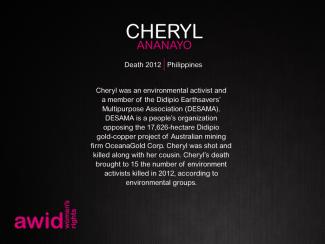
Cheryl Ananayo
2002: comienzan las conversaciones acerca de una agenda de Financiación para el Desarrollo
La Conferencia de Monterrey sobre la Financiación para el Desarrollo marcó el comienzo de las conversaciones acerca de una agenda de Financiación para el Desarrollo.
- El Consenso de Monterrey fue adoptado durante la primera Conferencia Internacional sobre la Financiación para el Desarrollo. Fue la primera reunión organizada por la ONU con nivel de cumbre para abordar aspectos esenciales del desarrollo global, entre ellos los temas financieros y otros conexos.
- Durante la Conferencia y sus procesos preparatorios se dio una cooperación sin precedentes entre las Naciones Unidas y el Banco Mundial (BM), el Fondo Monetario Internacional (FMI) y la Organización Mundial del Comercio (OMC) para promover mayor coherencia y cohesión entre los sistemas e instituciones monetarias, comerciales y financieras internacionales.
- Monterrey también marcó la primera ocasión en que se debatió la financiación para el desarrollo entre gobiernos, representantes de la sociedad civil y el sector empresarial. Estos actores llevaron la discusión más allá de lo ‘técnico’ para abordar cómo movilizar y canalizar recursos financieros a fin de alcanzar las metas internacionalmente convenidas en conferencias y cumbres de la ONU celebradas en la década de 1990, entre ellas los Objetivos de Desarrollo del Milenio (ODM).
- El WWG [Grupo de Mujeres] señaló el significado histórico de la conferencia, afirmando que tenía el potencial de abordar desafíos estructurales que continúan obstaculizando el desarrollo. Sin embargo, también planteó sus preocupaciones por los efectos del incremento de la militarización y del fundamentalismo sobre las mujeres, pese a que el Consenso de Monterrey dio por sentado que el sistema económico y financiero mundial funcionaba bien para todas las personas.
Para saber más sobre los seis temas centrales de Monterrey los mecanismos de seguimiento a esta conferencia, consulta Género y financiación para el desarrollo, de Maria Floro, Nilufer Çagatay, John Willoughby y Korkut Ertürk (INSTRAW, 2004).
Snippet Caribbean Feminist Spaces_Fest (ES)
Espacios feministas, expresiones creativas, y prácticas espirituales para la construcción de comunidad en el Caribe
Tonya Haynes, CAISO
Angelique V. Nixon, CAISO

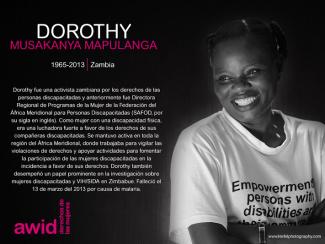
Dorothy Musakanya Mapulanga
2009: l´ONU organise une conférence sur l´impact de la crise économique
La Conférence des Nations Unies de 2009 sur la crise financière et économique mondiale et son incidence sur le développement
- La conférence de 2009 était l’aboutissement de celle de Doha en 2008. La Déclaration de Doha avait mandaté les Nations Unies pour organiser, sous l’égide du Président de l’Assemblée générale, une conférence consacrée à la crise financière et économique mondiale et à son incidence sur le développement.
- Pendant la conférence, les groupes de femmes, par le biais du WWG ont souligné l’impact de la crise financière mondiale sur les groupes les plus vulnérables. Dans sa déclaration aux membres (en anglais), le WWG a proposé une liste d’actions nécessaires que les États membres devraient mettre en œuvre pour pallier aux conséquences de la crise sur les femmes. Le groupe de travail a également déclaré que la prise en compte des autres groupes sociaux touchés par la crise était essentielle pour apporter une réponse qui soit en accord avec les normes et les engagements internationaux relatifs à l’égalité des genres, aux droits des femmes, aux droits humains et à l’autonomisation.
Snippet "un"Inclusive Feminism_Fest (FR)
Féminisme "non"Inclusif :
Les filles sans voix dans le mouvement féministe haïtien
Naike Ledan
Semi Kaefra Alisha Fermond, Trans Rights Activist ACIFVH
Natalie Desrosiers
Fédorah Pierre-Louis

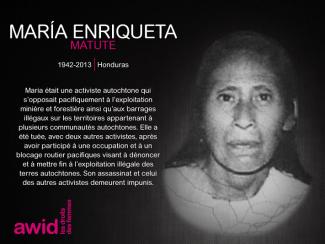
Maria Enriqueta Matute
ฟอรัม AWID นานาชาติ คืออะไร
ทุกสามถึงสี่ปี AWID จะเป็นเจ้าภาพงานประชุมนานาชาติที่สำคัญ โดยจะเป็นการประชุมขนาดใหญ่ระดับโลกที่หัวใจหลักอยู่ที่ขบวนการเฟมินิสต์และความเป็นธรรมทางเพศที่หลากหลาย เป็นการรวมตัวกันระดับโลกของนักกิจกรรมเฟมินิสต์ เครือข่ายพันธมิตร นักวิชาการ แหล่งทุน และผู้กำหนดนโยบาย โดยฟอรัมเปลี่ยนสถานที่จัดหมุนเวียนไปในต่างภูมิภาคและในประเทศต่างๆทั่วซีกโลกใต้
March 2015: The Zero-Draft Outcome Document is released
Release of the Zero-Draft Outcome Document, March 2015
- The zero-draft outcome document (dated 16 March), prepared by the Co-facilitators, was released for discussion at the 2nd drafting session from 13-17 April 2015.
- During the opening session, the WWG on FfD called for dedicated resources for gender equality and women’s empowerment as stated in both the Monterrey Consensus and Doha Declaration,to be added into the Zero draft.
Festival Film Club: Leitis in Waiting & Latin/Central American Program
In this selection of films you will find the voices of filmmakers who are not content with simply recording the feminist realities that palpitate in every corner of this vast and diverse territory. These are works that from their very conceptualization are questioning for what, by whom, and how films and videos are made. They understand film to be an instrument of struggle, something more than images to be enjoyed on a screen. These are individual or collective filmmakers who see film and video making as an instrument to promote discussion, open a debate, and thus serve as a resource for popular and feminist pedagogies.
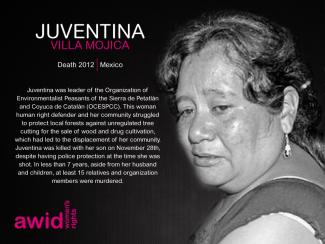
Juventina Villa Mojica
ฉันจำเป็นต้องเป็นสมาชิก AWID หรือไม่เพื่อเข้าร่วมฟอรัม
ไม่ คุณไม่จะเป็นต้องเป็นสมาชิก AWID เพื่อที่จะเข้าร่วมฟอรัม แต่สมาชิก AWID จะได้รับส่วนลดค่าลงทะเบียนรวมถึงสิทธิประโยชน์อื่นๆ เรียนรู้เพิ่มเติมเกี่ยวกับการเป็นสมาชิก AWID
¿Qué es el Proceso de la Financiación para el Desarrollo de Naciones Unidas?
El proceso de la Financiación para el Desarrollo (FpD) de Naciones Unidas (ONU) se propone abordar distintas formas de financiación y cooperación para el desarrollo. Según lo acordado en el Consenso de Monterrey, se centra en seis áreas prioritarias:
- Movilización de recursos financieros nacionales para el desarrollo;
- Movilización de recursos internacionales para el desarrollo: la inversión extranjera directa y otras corrientes de capitales privados;
- El comercio internacional como promotor del desarrollo;
- Aumento de la cooperación financiera y técnica internacional para el desarrollo;
- La deuda externa;
- Tratamiento de cuestiones sistémicas: fomento de la coherencia y la cohesión de los sistemas monetarios, financieros y comerciales internacionales en apoyo al desarrollo.