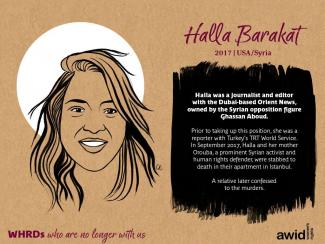
Halla Barakat

Feminist Realities are the living, breathing examples of the just world we are co-creating. They exist now, in the many ways we live, struggle and build our lives.
Feminist Realities go beyond resisting oppressive systems to show us what a world without domination, exploitation and supremacy look like.
These are the narratives we want to unearth, share and amplify throughout this Feminist Realities journey.
Create and amplify alternatives: We co-create art and creative expressions that center and celebrate the hope, optimism, healing and radical imagination that feminist realities inspire.
Build knowledge: We document, demonstrate & disseminate methodologies that will help identify the feminist realities in our diverse communities.
Advance feminist agendas: We expand and deepen our collective thinking and organizing to advance just solutions and systems that embody feminist values and visions.
Mobilize solidarity actions: We engage feminist, women’s rights and gender justice movements and allies in sharing, exchanging and jointly creating feminist realities, narratives and proposals at the 14th AWID International Forum.
As much as we emphasize the process leading up to, and beyond, the four-day Forum, the event itself is an important part of where the magic happens, thanks to the unique energy and opportunity that comes with bringing people together.
Build the power of Feminist Realities, by naming, celebrating, amplifying and contributing to build momentum around experiences and propositions that shine light on what is possible and feed our collective imaginations
Replenish wells of hope and energy as much needed fuel for rights and justice activism and resilience
Strengthen connectivity, reciprocity and solidarity across the diversity of feminist movements and with other rights and justice-oriented movements
Learn more about the Forum process
We are sorry to announce that the 14th AWID International Forum is cancelled
Given the current world situation, our Board of Directors has taken the difficult decision to cancel Forum scheduled in 2021 in Taipei.
Lost For Words |
 |
 |
| Chinelo Onwualu | Ghiwa Sayegh |
When we are desperate for change, as we are both in illness and insurrection, our language drains of complexity, becomes honed to its barest essentials... As illness and revolution persist, though, the language made in them and about them deepens, lets in more nuance, absorbed in the acutely human experience of encountering one’s limits at the site of the world’s end.
Johanna Hedva
When we began scheming for such an issue with Nana Darkoa, ahead of AWID’s Crear | Résister | Transform: a festival for feminist movements!, we departed from a question that is more of an observation of the state of the world – a desire to shift ground: why do our sexualities and pleasures continue to be tamed and criminalized even as we are told, over and over again, that they bring neither value nor progress? We came to the conclusion that when they are embodied, something about our sexualities works against a world order that continues to manifest itself in border controls, vaccine apartheids, settler colonialism, ethnic cleansing, and rampant capitalism. Could we speak, then, of the disruptive potential of our sexualities? Could we still do that when, in order to be resourced, our movements are co-opted and institutionalized.
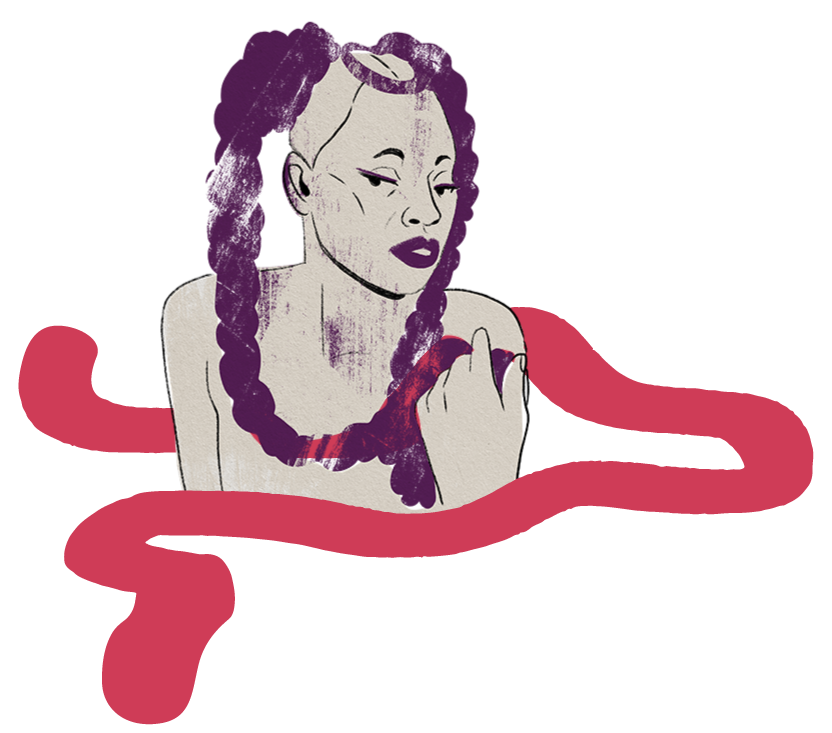
When our embodied labor becomes profit in the hands of the systems we seek to dismantle, it is no wonder that our sexualities and pleasures are once again relegated to the sidelines – especially when they are not profitable enough. In many instances during the production of this issue, we asked ourselves what would happen if we refused to accommodate the essential services of capitalism. But can we dare ask that question when we are exhausted by the world? Perhaps our sexualities are so easily dismissed because they are not seen as forms of care. Perhaps what we need is to reimagine pleasure as a form of radical care – one that is also anti-capitalist and anti-institutional.
As we enter our second full year of a global pandemic, our approach to transnational embodiments has had to focus on a single political realization: that taking care is a form of embodiment. And because right now so much of our work is being done without consideration for the borders between and within ourselves, we are all Transnationally Embodied – and we are all failing. We are failing to take care of ourselves and more critically, to take care of each other.
This failure is not of our own making.
Many of our parents thought of labor as transactional, something to be given in exchange for compensation and a guarantee of care. And while that exchange was not always honored, our parents did not expect that their work would provide them fulfillment. They had their leisure, their hobbies, and their communities for that. Today, we their children, who have been conditioned to think of our labor as intertwined with our passion, have no such expectations. We think of work and leisure as one and the same. For too many of us, work has come to embody our whole selves.
However, heteropatriarchal capitalism doesn’t value us, let alone our labor or our sexualities. This is a system that will only demand more and more until you die. And when you die, it will replace you with somebody else. Expectations to be online round the clock mean we simply can’t get away from work, even when we want to. This commercialization of labor, divorcing it from the person, has infiltrated every aspect of our lives and is being perpetuated even in the most feminist, the most radical and revolutionary circles.
Capitalist expectations have always been particularly pernicious to bodies who don’t fit its ideal. And those seeking to consolidate their powers have used the pandemic as an opportunity to target women, sexual minorities, and any others that they see as less than.
This special issue exists because of, and certainly in spite of this.
Almost every contributor and staff member was pushing themselves past their capacity. Every single piece was produced from a place of passion, but also incredible burnout. In a very real way, this issue is an embodiment of transnational labor – and in the digital world we live in, all labor has become transnational labor. As we have to contend with new borders that do not break an old order but reify it, we experienced firsthand, alongside our contributors, how capitalism drains our limits – how it becomes difficult to construct cohesive arguments, especially when these come with a deadline. We collectively became lost for words – because we are lost for worlds.
Feeling lost and alone in the world of heteropatriarchal capitalism is exactly why we need to re-evaluate and rethink our systems of care. In many ways, we turned this issue into a mission of finding pleasure in care. Because it has become more difficult to construct cohesive arguments, visual and creative mediums have come to the forefront. Many who used to write have turned to these mediums as ways to produce knowledge and cut through the mental fog that’s enveloped us all. We brought into the issue other voices, in addition to many whom you heard at the festival, as a way of opening up new conversations, and extending our horizons.
As we are robbed of our words, it is our political duty to continue to find ways to maintain and care for ourselves and each other. So much of our current realities are trying to erase and displace us, while still exploiting our labor. Our embodiment, therefore, becomes a form of resistance; it is the beginning of us finding our way out and into ourselves.
ترجمة لينا يحيى ومايا زبداوي
 |
هند وهند هم أوّل زوجين كويريين موثّقين في التاريخ العربي. وفي عالم اليوم، هم فنّان/ة كويري/ة من لبنان. |
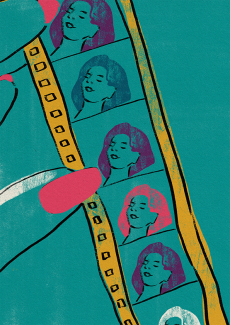
عندما كنت في السادسة من العمر، علِمت أنّ جدّي كان يملك داراً للسينما. أخبرَتني أمّي كيف أنه افتتحها في أوائل الستينيّات، وكانت هي حينها في مثل عمري، إذ كان عمرها قُرابة الستّ سنوات. تذكّرتُ أنهم في الليلة الأولى عرضوا فيلم «صوت الموسيقى».
كنت أمرّ بجانب دار السينما كلّ نهاية اسبوع وأرى جدّي يلعب طاولة النرد مع أصدقائه. لم أكن أعرف أنه كان يعيش داخل السينما في غرفة تقع تحت حجيرة بثّ الصور المتحرّكة على الشاشة. علمت فيما بعد أنه انتقل إلى هناك بعد إنفصاله عن جدّتي، وبعد أن أقفلت السينما في التسعينيات بُعيد انتهاء الحرب الأهلية اللبنانية.
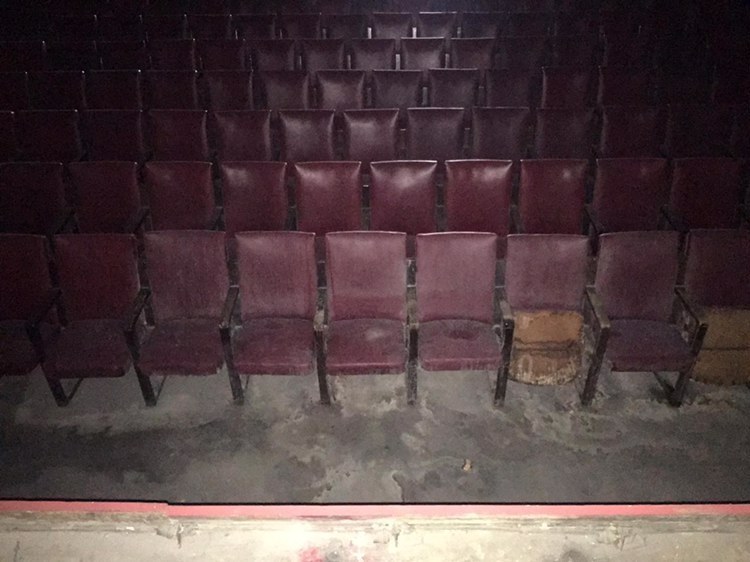
لسنوات وحتى وفاته، غالباً ما كنت أرى جدّي يلعب طاولة النرد مع اصدقائه في صالة الاستقبال المهجورة في السينما. كانت تلك المشاهد المتكرّرة كلّ ما أذكره عن جدّي. لم يتسنَّ لي أن أعرفه حق المعرفة، لم نتكلّم يوماً عن السينما، رغم أنه أمضى كلّ وقته في دار سينما متهالك. لم أسأله يومًا عن ماهية العيش في مكان كهذا. توفّي جدّي عندما كنت في الثانية عشرة من العمر، ليلة الميلاد، نتيجة سقوطه عن الدرج اللولبي الذي يؤدي إلى حجيرة عرض الصور على شاشة السينما. تكاد تكون طريقة موته رومانسية، إذ أنه توفي وهو يتحرك ضمن دارٍ اكتنفت صورًا عُلّقت حركتها بين حبال الزمن.

في ربيع عام 2020، اتصل بي إبن خالي ليخبرني أنه نظّف دار جدّي للسينما، وطلب منّي أن ألقاه هناك. لطالما حلم كلانا بإعادة ترميمها. سبقتُه في الوصول إلى المكان. في غرفة الاستقبال، كانت إطارات الصور ما زالت معلّقة، لكنها كانت خالية من الصور. عرفت أنه لابدّ من وجود أعقاب تذاكر في مكان ما، وجدتها مكدّسة في علبة حديدية صغيرة يعلوها الصدأ على رفٍّ في حجيرة التذاكر، أخذت بعضاً منها ووضعتها في جيبي.
جُلت في المكان. على المسرح الرئيسي كانت شاشة العرض متّسخة جدًا، وممزقة قليلًا عند الطرف. مرّرتُ سبّابتي على الشاشة لأزيل بعضًا من الغبار، ولاحظت أن الشاشة حافظت على لونها الأبيض وراءه. وبدا القماش بحالة جيدة أيضًا. نظرت إلى أعلى، ستائر جدّتي ما زالت معلقة في مكانها. كانت الستائر مصنوعة من قماش الستان، يزيّنها شعار صغير مُطرّزٌ عند وُصلة الستارة، يمثّل شعار دار السينما. كانت هناك صالة رئيسية للجلوس، وقاعة عُليا (بلكون) للغرض عينه. بدت الكراسي مهترئة. رأيت جهاز تسليط الصورة على الشاشة (البروجيكتور)، يُطلّ برأسه من نافذة صغيرة عند طرف الشرفة. ارتقيت الدرج اللولبي المؤدّي لحجيرة العرض. كانت الغرفة مظلمة، غير أن القليل من النور تسلل من النوافذ الصدئة، وسقط على كدسة من بكرات الأفلام المُلقاة في الزاوية. أشرطة بلاستيكية هامدة متشابكة، عند طرف قاعدة جهاز تسليط الصورة على الشاشة. كانت كلّ البكرات التي يكسوها الغبار، عائدة لأفلام وسترن وبوليوود وعلوم خرافية ذات عناوين سيئة مثل «لشهب الذي دمّر الأرض»، أو ما شابه ذلك. لفت انتباهي مجموعة من أشرطة أفلام مكسوّة بالغبار – على الأغلب أنها قصاصات مقتطعة من بكرات الأفلام. واحدة تلو الأخرى، أظهرت القصاصات مشاهد تقبيل مختلفة، وما بدا كأنّه رقصة خليعة، ومشهد يصعب وصفه لجمع من الأشخاص، ومشهد قريب لامرأة مستلقية وفمها مفتوح، وافتتاحيات لفيلم من إنتاج بوليوود، وعبارة «يُعرض حالياً»، عبارة تكرّرت في عدة صور.
ذكّرتني افتتاحيات فيلم بوليوود بأمي. كانت تخبرني كيف كانوا يوزّعون المناديل الورقية على المشاهدين وهم يغادرون بعد انتهاء العروض. احتفظت بقصاصات الأشرطة التي أظهرت مشاهد التقبيل والرقص الخلاعي. وافترضت أنّه تمّ اقتطاعها لدواعي الرقابة. ذكّرني المشهد القريب للمرأة بقولٍ لناقد الأفلام بيلا بالاش، عن أفلام «الرجل المرئي أي ثقافة الأفلام» و»روح الأفلام» و»نظرية الأفلام». قال إن اللقطات القريبة في الأفلام تدلِّل على:
مناجاة صامته، حيث تستطيع معالم الوجه التعبير بأفصح ظلال المعاني، دون تكلّف ودون استنهاض للإحساس بالبعد الذي قد يخالج المشاهدين. في هذه المناجاةِ الفردية الصامتة، تجد الروحُ الوحدانيّة لسانَ حالها مترجَمًا أمامها بصراحة وحرية لا نظير لها في أي شكل آخر من أشكال المناجاة الكلامية، لأنها تعبيرٌ غريزي وعفوي في تكوينه.
على الأرجح أنّ بالاش كان يصف اللقطات القريبة لـ «جوان» في الفيلم الصامت «آلام جان دارك»، مُشيرًا في ذاك الصدد إلى أنّ «...الفيلم الصامت وما يحتوي عليه من تركيز على تعابير الوجه ضمن كادرات تستبعد المحيط العام، قادرٌ على الولوج في أبعاد جديدة وغرائبيّة من الروح».
تفحّصتُ قصاصة الفيلم بدقّة أكبر. بدت المرأة ميتة، وبدا وجهها وكأنه قناع. ذكّرتني بلوحة «أوفيليا» للرسام جون ايفرت ميليه. تقول سوزان سونتاغ في كتابها عن التصوير، إنّ الصورة هي «أثر، شيء منحوت من معالم الواقع مباشرة. إنها كما أثر القدم أو قناع الجبصين». أقنعة الجبصين، ما هي إلا شكلٌ من الحضور الذي يذكّر بالغياب.
أذكر أنّي اطلعت على معالجةٍ حول الموت والتصوير، في سياق فيلم قديم لروبرتو روسيليني «الآلة التي تقتل الاشرار». في هذا الفيلم، يجول المصوّر في المكان ويلتقط صورًا لأشخاص، أشخاص يُصار إلى تجميدهم لاحقًا، ومن ثم يُترَكون معلّقين في حبال الزمن. كان الناقد الفرنسي أندريه بازين يعتبر أنّ التصوير يسرق الأجساد من تيار الموت الهادر، ويحفظها من خلال تحنيطها. لقد وصف هذا التحنيط الفوتوغرافي على أنه «حِفظ الحياة عبر تمثيل الحياة».
شعرت بحاجة ماسّة لحماية حجيرة بثّ الصور هذه، بكل ما فيها من أغراض تبدَّلَت أماكنها عبر الزمن، وقصاصات أشرطة الأفلام المُلقاة على الأرض، شعرت بحاجة لحماية كلّ ما حمل بصمات جدّي.
وجدت، تحت قصاصات الأشرطة، بكرة يعلوها الغبار لفيلم لم ينته عرضه. بدا وكأنما أحدهم كان يشاهد الفيلم يدويًا. في تلك اللحظة، صعد ابن خالي الدرج اللولبي ورآني أتفحص الشريط. فرك ذقنه بأصابعه وقال بلهجة واثقة، «وجدتِ الشريط الإباحي».

نظرتُ إلى شريط الفيلم الذي أحمله بيدي، ولاحظت أنه لم يكن مشهدًا للموت. القصاصة اقتُطعت من بكرة شريط فيلم إباحي. المرأة كانت تئنّ من النشوة. يُراد من اللقطات القريبة إظهار المشاعر المحمومة، رعشة الجماع. لكن لم يسبق لي أن استعنت بنظريات بالاش لأصف مشاهد إباحية. يقول في إحدى كتاباته، «الذروة الدرامية بين شخصين، تظهر دائمًا على شكل حوار تقوده تعابير الوجه موضوعةٌ ضمن لقطات قريبة». وضعت قصاصة الفيلم في جيبي وسمّيت المرأة عشتار. ومنذ تلك اللحظة، لم تغادر القصاصة محفظتي. بدا غريبًا أن أُقارن لقطة التصوير القريبة لمخاوف جان وشجاعتها، بتعابير النشوة على وجه عشتار.
كان ابن خالي قد أخبرني، أن شقيق جدّي كان ينتظر حتى يغادر جدّي المسرح، وعوضاً عن إقفال المكان، كان يدعو أصدقاءه لمشاهدة الأفلام بعد العروض. لم أفكّر بالأمر كثيرًا، كان ذلك أمرًا شائعًا خاصةً خلال وبعد الحرب الأهلية اللبنانية.
بعد الحرب انتشرت أجهزة التلفاز، فباتت متوافرة تقريبًا في كل منزل لبناني. أذكر أنّه وفي أواخر التسعينيات كان لدي جهاز تلفاز حتى في غرفة نومي، وكنت حينها في السادسة من العمر تقريبًا. أخبروني أن شراء أفلام الفيديو الإباحية، كان شائعًا في تلك الفترة. محمد سويد، كاتب ومخرج لبناني، أخبرني ذات مرة أنّ دور السينما كانت تعرض الأفلام الفنية والإباحية في الفترة الممتدة من أواسط الثمانينيات حتى أواسط التسعينيات، لتتمكّن من الاستمرار. وسمعتُ أيضًا أن أولئك الذين كانوا يعرضون الأفلام على الشاشة، كانوا يقتطعون قصاصات من أشرطة الأفلام الإباحية، للقيام بمونتاج مختلف يُمكّنهم من بثّ عروض مختلفة كل ليلة. إلا أنه في النهاية، أخذ الناس يفضّلون البقاء في منازلهم ومشاهدة أفلام الفيديو على التلفزيون. وبدأت دور السينما تُفلس وتُغلق أبوابها نهائياً.

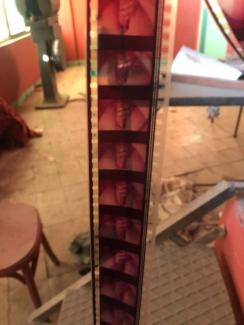
عاد ابن خالي إلى الطابق السفلي ليطّلع على أرشيف السجلّات المحفوظ في غرفة المكتب. بقيت في الحجيرة، بدأت أُقلّب قصاصة شريط الفيلم بين سبابتي والوسطى، وأحرّكها بإبهاميّ، وبتأنٍ أمرّر اللقطات بين يدي. رفعت القصاصة نحو النافذة المكسوّة بالغبار، ونظرت إليها بعينين شبه مغلقتين محاولة استيعاب هذه الصورة الباهتة اللون. رأيت، في هذه السلسلة من اللقطات، صورة قريبة جدًا لعضو ذكري دُفِع داخل مهبل. توالت هذه الصورة في عدة لقطات حتى وصلتُ إلى عقدة الفيلم، عندها تخيّلت البقيّة.
كان هانك يكشف عن عضوه أمام فيرونيكا، التي كانت مستلقية على السرير أمام مزينة هي تقليد لتلك التي كانت رائجة أيام لويس الرابع عشر. نهضَت ببطء، وأنزلَت بتأنٍّ حمّالة قميص نومها الشفاف من على كتفها الأيسر. اقترب هانك وحرّر روبها الذي كان يغطي جسدها، وأمسكها ولفّها بشكل نصف دائري، وصفعها على مؤخرتها، ودفعها إلى الأسفل نحو المزينة، ودفع عضوه داخل مهبلها بشكل متكرّر، فيما المزينة أخذت ترتطم بالحائط المزيّن بورق الجدران.
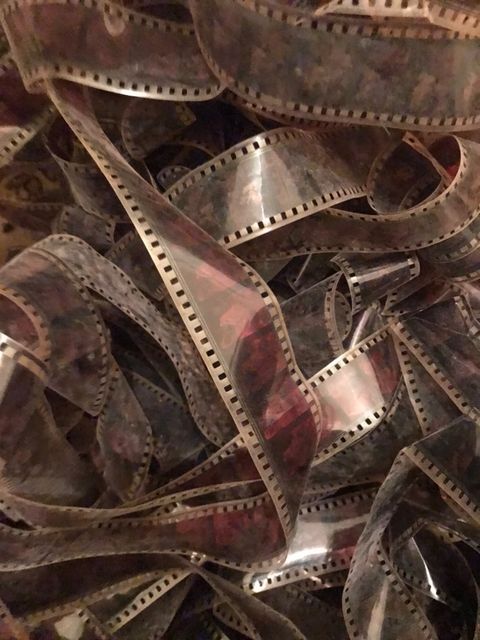
لطالما لفت الديكور الداخلي انتباهي منذ أن أخبرتني أستاذتي في «دراسات النساء في الإباحية»، أنّ أكبر الأرشيفات الإباحية في أميركا الشمالية كانت تُستخدم لتفحّص ودراسة الأثاث لدى الطبقة الوسطى في تلك الحقبة. لذا، وفيما كانت فيرونيكا منحنية وهانك يضاجعها من الخلف، كان يمكن لمساعد باحث جامعي، أن يتكهّن ماهية التصميم للشعار الذهبي على المزينة، أو دراسة نقش الركوك على كرسي خشبي في إحدى الزوايا.
للحظة، تتحوّل الحجيرة إلى فضاءٍ يشغله المخيال الجنسي الأُنثوي، الأمر الذي يُزعزع راحة مساحةٍ كانت قد كُرسّت من قبل لتغذية جنسانية الذكور. كنت واثقة من أن الرجال وحدهم كانوا القادرين على دخول دور السينما التي تعرض أفلاماً إباحية. في حجيرة لعرض الأفلام، كان شريط بكرة الفيلم متشابكًا جدًا ويصعب تسريحه، وتراكم الغبار فيها لأكثر من عقد من الزمن. لذا وضعتها في حقيبتي الصوفية وخرجت من المسرح.
لا أدري ما الذي أصابني، لكني شعرت بقوة تدفعني للاحتفاظ بها. أردت أن أشعر بنشوة حراسة شيء غامضٍ وإباحي. وفيما أنا أسير في الشارع، كنت واثقة بيني وبين نفسي أن الناس يعلمون أني أُخبِّئُ شيئًا ما. وغمرني شعور بالذنب ممزوج بالفرح في آنٍ معاً. بدا شعورًا غريبًا.
فتحت باب غرفتي أنا وعم فكّر ببكرة الفيلم الإباحي اللي بشنطتي والأفكار اللي خَطَرتلي بطريق الرجعة عالبيت. تذكّرت إنّو فيه حيط بيفصل أوضة نوم جارتي ليلى عن أوضتي. ممكن ما تكون بالبيت بهالوقت بس فيه إحتمال تسمعني. سكّرت الباب وطلّعت فيلم عشتروت.
تخيّلتها هيّي وعم ترقص قدّامي لتغريني وعم تهزّ بخصرها يمين وشمال. انرَسَمِتْ إبتسامة بعيونها كأن عم تناديلي. طلعت عالتخت وأشّطت البنطلون. فوّتت صابيعي بالكيلوت وبلّشت داعب كسّي ودلّلت فتحة صدري بصابيع إيدي الشمال. جسمي كلّه انتفض من الإثارة. كنت عم إلهت واتقلّب عالفرشة. حبَست أنفاسي وارتجفت أطرافي. لشلَش جسمي واللبن عم ينقط من كسّي. استلقيت وولّعت سيجارة…
عندما كنت طالبة في الجامعة، أخذت صفًّا سُمّي «مقدمة لدراسة الأفلام». البروفيسورة أريكا بالسوم، أستاذة المادة، حدّدت يومًا لعرض فيلم بيت غوردن «متنوّعة». كنت جدًا متحمّسة لمشاهدة أول فيلم لكريستين فاشون، قبل أن تتحوّل إلى إنتاج الأفلام التي تُعَدّ حاليًا جزءاً من حركة السينما الكويرية الجديدة. وُصِف فيلم «متنوّعة» بأنّه فيلم نسوي عن كريستين، امرأة بدأت عملها كموظفة لبيع التذاكر في دار سينما للأفلام الإباحية في مدينة نيويورك، تدعى «دار التنوّع». كانت كريستين تسمع ما يدور في الأفلام، لكنها لم تدخل صالة العرض يومًا. في نهاية الأمر، أثار اهتمامها أحد رواد السينما الدائمين، وأخذت تراقبه عن كثب. تبِعَته إلى متجرٍ للبالغين، وقفت جانبًا وأخذت تتصفّح مجلات للراشدين لأول مرّة في حياتها.
تلك النظرات التي استرقتها كريستين خلسة، جرى عرضها بطرقٍ مختلفة في الفيلم، وكان النصّ أيضًا يضجّ بكثير من المناجاة الفردية الشهوانية، والتي قد تُعتبَر فاسقة وفظّة.
في مشهد جرى تصويره في رواق للّعب، كانت تقرأ كتابات جنسية لصديقها، وكانت الكاميرا تتنقل بين مشهد قريب لمؤخرة صديقها مارك، وهو يلعب لعبة الكرة والدبابيس، ويؤرجح وركيه إلى الأمام والخلف، فيما هو مستند إلى آلة اللعب في الرواق، ومشهد قريب لوجه كريستين وهي تتلو مناجاتها.
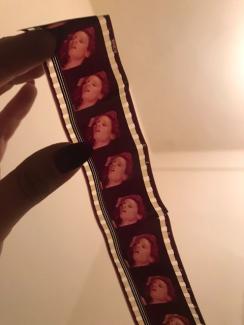
«كان سكاي يحاول إيقاف سيارة لتقلّه، فتوقفت له شاحنة صغيرة تقودها امرأة. كان الوقت قد تأخّر جدًا، وكان بحاجة لمكان يبيت فيه. فعرضت عليه أن يبقى في منزلها.
أرشدته إلى غرفته وقدّمت له شرابًا. شربا وتحدّثا، ثم قرّرا أن يخلدا للنوم. لكنه لم يستطع النوم، فارتد سرواله وسار عبر الردهة إلى غرفة الجلوس. كان قد وصل إلى مكان حيث كان يرى دون أن يُرى. كانت المرأة مستلقية على المنضدة عارية، وساقاها مُتدلّيتان للأسفل. بدا جسدها ناصع البياض، وكأنّما لم يعرف الشمس يومًا. كانت حلمتا ثديَيها زهريّة اللون، متوهّجة كالنار ومتهلّلة كالقمر – شفتاها مفتوحتين وشعرها الأحمر السِّرياح مسدولاً وكأنّه يَلْعَق سطح الأرض. كانت ذراعاها ممدودتين وأصابعها تلاعب الهواء وجسدها اللامع أملسٌ لا تشوبه لا زوائد ولا حواف، أما بين ثدييها فتنسلّ أفعى كبيرة ملتفّة حول أحدهما ومتدلّية عند حدود الآخر. لسان الأفعى ممتدّ بارتعاشة نحو المهبل القرمزيّ – مفتوحًا على مصراعيه، تحت وهج الضوء. شعور بحيرة مضطرمة غزت جوارحه، فعاد الرجل إلى غرفته وبصعوبة فائقة أجبر نفسه على النوم. في صباح اليوم التالي، وفيما هما يتناولان الفراولة، تطلب منه المرأة أن يبقى ليلة أخرى. ومن جديد، لم يستطع النوم …».
عندما كنت في الثالثة والعشرين من العمر، فاجأتني لين، الفتاة التي كنت أواعدها من صفّ «مقدّمة لدراسة الأفلام» بأن اصطحبتني لمشاهدة أفلام إباحية قصيرة بمناسبة عيد الحبّ. كانت الأفلام تُعرض في مسرح مايفير، وهي دار سينما خاص. كان تصميم المسرح يشبه مسارح نيكلوديون في أميركا الشمالية لكن مع لمسة من معسكرات التخييم. كانت شرفاته مزيّنة بقطع كرتونية كبيرة من ملصقات لأفلام «شيء مستنقع» و»كائنات فضائية».
في تلك السنة، جرى تقييم المهرجان من قبل النجمة الإباحية كاسي ماي وكان البرنامج يشمل ساعة ونصف من الأفلام القصيرة؛ وقد تنوّع المحتوى بين أفلام إباحية خفيفة إلى الرغبة الجنسية بأكل البراز.
شاهدنا بضعة دقائق من فيلمٍ بدا أنه فيلم إباحي خفيف للجنس المغاير. أظهر الفيلم رجلاً وامرأة يمارسان الجنس في غرفة جلوس عصرية ثم انتقلا إلى غرفة النوم. كان الفيلم بمعظمه يصوّرهما وهما يتبادلان القُبل ويتحسّسان بعضهما الآخر بينما تستلقي المرأة على ظهرها في أثناء المضاجعة. تسلّلت امرأة ذات شَعرٍ بنّي قصير وانسلّت في الفراش وهي تلعق سطح يدها كالقطة بضربات خفيفة. أصدرت مواءً وزحفت فوق الزوجين اللذين لم يعيراها انتباهًا مستمرّين بممارسة الجنس. زحفت خارج السرير واتجهت إلى المطبخ، رفعت الزبدية الفارغة بأسنانها ووضعتها على الوسادة. واستمرّت بالسير فوقهما حتى نهاية الفيلم القصير. بدا ذلك غريبًا جدًا. بدأتُ أضحك لكن لين بدت ممتعضة قليلاً. نظرتُ إلى يساري، فرأيت المشاهدين الآخرين يشربون البيرة ويأكلون الفشار فيما يضحكون بشكل جنوني. ضحكهم المستمر وتعليقاتهم بصوت عالٍ حدّدت معالم المهرجان. وأصبحت مشاهدة الجمهور أكثر متعة من مشاهدة الأفلام. اعتاد مسرح مايفير عرض أفلام الكالت (cult films)، ومشاهدة هكذا نوع من الأفلام لا يمكن إلا أن يكون ممارسة جماعيّة.
لم أتخيّل أن يكون شقيق جدّي قد شاهد الأفلام الإباحية في مسرح جدّي على هذا النحو. كانت دور السينما تعرض الأفلام الإباحية بشكل علني في تلك الحقبة، لكني لم استطع تخيّل ذلك يحدث في منزل والدتي. تخيّلته يشاهد الفيلم من جهاز بث الصور في الحجيرة، ليتمكن من إيقاف العرض بسرعة في حال قرّر أي ضيف غير متوقّع التوقف للزيارة. كان أصدقاؤه يجلسون على الشرفة في الخلف، حيث لا يستطيع الدخول إلا مَن كان معه مفتاح، لذا فالمكان آمن. كان عليهم التفكير بكل شيء، فالحيّ حيث كانوا يعيشون هو عبارة عن منطقة مسيحية محافظة. وكانوا يتحاشون المتاعب. على الأرجح أن شعورًا بالإثارة والذنب كان يغمرهم. واختلطت أصوات مزاح الإيروتيك المثلي مع أنين وظأظأة متقطعة، لكنهم كانوا يذكّرون بعضهم البعض بين الفنية والأخرى بضرورة خَفت الأصوات. كانوا يتبادلون الأدوار، إذ يقوم كلّ منهم بدوره ليتحقق من خلال النوافذ، إن كانت الأصوات مرتفعةً لدرجةٍ تلفت انتباه أيٍّ من الجيران. أحياناً، كانوا يُطفئون مكبّر الصوت فيخيّم شيء من الصمت.
عام 2019 وبعد مظاهرة سياسية، مررتُ بكشك كتب في شارع رياض الصلح، بالقرب من ساحة الشهداء وسط مدينة بيروت. رأيت عند طرف الطاولة، خلف كُتب هوغو ودو بوفوار، كدسة من الروايات الإباحية ومجلات للراشدين. كانت جميعها ترجمات لمنشورات وسترن. إخترت واحدة دونما أي تفكير، فكلّ ما كان يعنيني هو رغبتي بامتلاك نسخة لمجرد الشعور بالإثارة الذي يخالجني لامتلاكها. فأخذت واحدةً بصورة غلاف مُلفتة.
فيما كان يعطيني بقية الحساب، سألني البائع: «هل سبق والتقينا؟» نظر إلى صدري وانحدر بنظره إلى الأسفل. لا بد أنه افترض أني أعمل في مضمار الجنس أو الأفلام الإباحية. نظرت في عينيه وأجبته: «لا». استدرت، وهممت بالابتعاد والمجلّة في يدي، عندما استوقفني ليقول لي إنه يملك أرشيفًا كبيرًا في الطابق السفلي، وإنه يبيع دائمًا مجموعات إباحية ومنشورات على «إي باي» (eBay) لأوروبا وأميركا. ورغم أن البحث في ذلك الأرشيف كان مثيرًا للإهتمام، إلا أن شعورًا بعدم الارتياح منعني من الموافقة على العرض. لم أشعر بالأمان، سألته أين وجد تلك الروايات. ودُهشت حين علمت أنها مطبوعةٌ في لبنان.
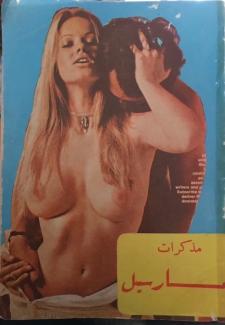
سرت نحو تمثال رياض الصلح. فتحت المجلة التي اشتريتها لأقرأها، فوجدت شكل النص مائل والخط ملطخ قليلاً، مما جعل قراءتها صعبة. والصور بداخلها كانت عبارة عن مجموعة قطع إباحية باهتة، بدَت الطباعة نزقة… أعجبني ذلك. القصة كانت بعنوان «يوميات مارسيل».
كان واضحًا أن الغلاف الفنّي هو عبارة عن صورة اقتُطعت من مجلّة وألصقت على ورقة زرقاء. بدت في الصورة امرأة لا ترتدي قميصًا، تُمسك برأس عشيقها وتدفع أصابعها في شعره، فيما هو يقبّل عنقها من الخلف. كان سحّاب تنورتها مفتوحاً ويد عشيقها على القسم الأسفل من وركها الأيمن، ويدها فوق يده. وقد فضنت شفتاها وكأنها تأنّ نشوةً، وشعرها الأشقر الأملس كما كان رائجًا في السبعينيات، ينسدل على صدرها ويغطي بعضًا من حلمتي ثدييها.
فتحت الصفحة الأولى. قرأت في التمهيد: «شهوات وشذوذ» والأخيرة ترجمة من النص الإنجليزي الذي قد يحمل معنيين: الشذوذ عن المألوف/المعياريّ أو الممارسات الجنسيّة الغرائبيّة.
قرأت الفصل الأول. إن الشخص الذي ترجم النص قام بتغيير إسم الشخصية الرئيسية للقصة فجعله فؤاد، إسم عربي. وخطر لي أن المترجم أراد بذلك أن يُشعر الرجال اللبنانيين الذين يقرؤون القصة بالتماثل مع تلك الشخصية. وأنا أتابع القراءة، لاحظت أن جميع عشيقاته كنّ يحملن اسماءً أجنبية مثل حنّة ومارلا ومارسيل ومارتا.
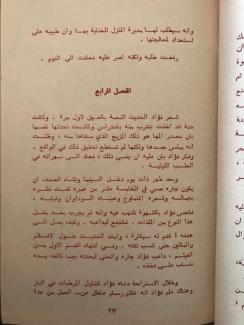
لاحظت في الصفحة 27، الفصل الرابع، أنّ مارسيل كان عشيق فؤاد.

جرت أحداث المشهد في دار سينما. كانت دور السينما في معظم الأحيان أمكنة للحرية الجنسية في أميركا الشمالية، خاصة في فترة السبعينيات وبعد الثورة الجنسية. وافترضت أيضًا أنهم أبقوا على جميع الأسماء الأجنبية الأخرى، لتبدو مثيرةً ومقبولة. فقد نُسب الأدب الإباحي والأفلام الجنسية لهوليوود الغرب بالرغم أنّ العالم العربي تاريخياً، أنتج نصوصًا شهوانية. أصبح الأدب الإباحي مُحرّماً، وكانت الطريقة الوحيدة الآمنة لإنتاجه هي تسويقه على أنه غريب وأجنبي.
إنه لَمن المثير للإهتمام كيف أنّ الهوية الأعجمية/»الأجنبية» هي ما يُشَرعن إجتماعيًا النصوص الشهوانية. إن الفارق بين الصفتين يعود إلى الأصول اليونانية للفظتي الإيروتيك (الشهوانية) والإكزوتيك (الأجنبيّة أو الأعجمية الغريبة العائدة الى ثقافة «الآخر» البعيد). فكلمة إيكزوتيك تشتقّ من تعبير إيكزو، «من الخارج»، بما معناه غريب أو أجنبي. وكلمة إيروتيك تشتق من عبارة إيروس، إله الجنس والحب. وعليه، فإن ما هو إيكزوتيكي هو أجنبي وغامض بالضرورة وما هو إيروتيك هو جنسي.
في لبنان، هناك خيط رفيع بين الأجنبيّ والجنسي في السينما. كما الخيط الرفيع الذي يميز الأفلام الفنية عن الأفلام الإباحية.
في عام 2015، وفي محادثة مع المخرجة جوسلين صعب في مطعم ڤييتنامي في باريس، عرفت منها أنها اضطُرّت أن تعيد تصوير فيلم «دنيا» لتغيير اللهجة من مصرية إلى لبنانية. أخبرتني أن الممثلين كانوا مصريين، وأنها لم تتشدد حيال النص. لم يسمحوا لها باستخدام اللهجة المصرية. كان يجب أن تكون اللهجة اللبنانية هي المُستخدمة لأن المنتجين كانوا قلقين حيال المشاهد الشبه شهوانية في الفيلم. لذا أصرّوا على جعل اللغة بأسرها أجنبية الطابع.
لأول مرة، يعرض منتدى جمعية حقوق المرأة في التنمية ثلاثة طرق للمشاركة
سيجتمع المشاركون/ات في بانكوك، تايلاند. ننتظر بفارغ الصبر!
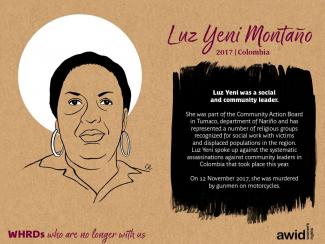

How does a movement start?
we get expelled by ghosts from a house, a family, and a nation
we arrive fatigued to a space (sometimes an actual address) but mainly to a state of being
preceded by a fallen star
perhaps our arrival isn’t accompanied by fatigue,
maybe accompanied by fear
perhaps our arrival isn’t accompanied by fear
maybe accompanied by anger
from issues that keep on repeating themselves:
a stab in the heart (read heartache)
a bullet in the back (read betrayal)
forced disappearances
bodies sentenced by marriage, disfiguration, and chronic fatigue
yet when we arrive, we gather, whisper, speak and weep.
This is how our movements begin when we arrive at each other
We become seeds,
This is how our movements start when we plant each other
Becoming flowers, sometimes just thorns, sometimes fruits,
we are each other’s oasis
to sing for the battles
to make remedies
to place the faces of our lovers, the shape of their smiles, the sound of their laughter
the secret of turning silences into language
the detailed instructions of witches
our movement is: for all of us
when we arrive as seeds with the purpose of flowering.
Sara AbuGhazal
www.badiya.blog

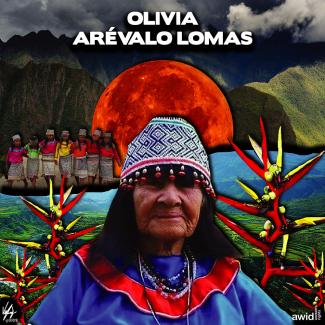
Olivia was the spiritual leader of the Shipibo Konibo indigenous peoples.
A wise Indigenous woman and grandmother, she was known for cultivating traditional medicine and the sacred songs of her people (Íkaros). Olivia Arevalo was an active defender of the cultural and environmental rights of her people. Olivia’s murder occurred in a context of territorial conflict between the Shipibo community and companies that desire to take over their land to cultivate palm oil.
Members of her community have said: “Her death is an aggression against the entire Shipibo community. She was the living memory of her people”.
Across the world and social movements, those who want to innovate tend to feel lonely and powerless before the ‘movement status quo’. Historically, the AWID Forums have played a role in supporting these innovators by offering them a platform where their ideas and practices are welcomed and strengthened by the thoughts and actions of others – in different regions and communities – who have already explored them. Sara Abu Ghazal, Palestinian feminist in Lebanon, tells the story of what the Forums meant for a new generation of feminists in the MENA (Middle East and North Africa) region that introduced new ways of organising, new understandings of feminism and new issues to the regional women’s rights landscape.
The Call for Activities lists a number of suggested formats and methodologies. Be creative and make sure to read the section “What you need to know”.
Madiha was a prominent Professor of Sociology who actively engaged with civil society as an advocate for women’s rights in the Arab region.
She chaired the Alliance for Arab Women and was a member of the Committee on Civil Society and the Committee on the Development of Minia Governorate with the National Council for Women. She produced numerous papers that shed light on, and analyzed, gender inequalities and discrimination against women.
She is remembered fondly by colleagues, students and friends.

Samira was a Syrian activist under Bashar al-Asad's regime.
From a young age Samira opposed all forms of despotism, particularly vis-a-vis the authoritarian regime in which she lived.
Samira was kidnapped in 2013 along with three other prominent activists. She is believed to have been taken from the Center for the Documentation of Violations in Duma, in rural Damascus.
The main suspect associated with her disappearance is the Army of Islam (which denies its involvement). There has been no formal investigation of Samira’s disappearance and she has not been heard from since. Samira was committed to her country and refused to leave Syria until she felt her role in empowering women and documenting crimes was no longer necessary.

لا، ليس من الضروري أن تكون عضوًا/ة في جمعية حقوق المرأة في التنمية للمشاركة ولكن أعضاء/ عضوات جمعية حقوق المرأة في التنمية يحصلون على رسوم تسجيل مخفضة بالإضافة إلى عدد من المزايا الأخرى. تعرف/ي على المزيد حول كيفية أن تصبح عضوًا/ة في جمعية حقوق المرأة في التنمية.
“Afterwards
After love the first time,
Our naked bodies and minds
A hall of mirrors,
Wholly unarmed, utterly fragile,
We lie in one another's arms
Breathing with care,
Afraid to break
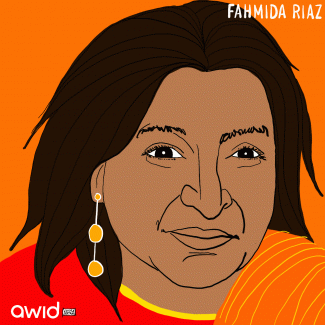
These crystal figurines.” - Fahmida Riaz
Her work faced harsh criticism from conservatives, who accused her of using erotic and “pornographic” expressions in her poetic language.
Fahimida was eventually blacklisted and charged with sedition under Section 124A of the Pakistan Penal Code) during the dictatorship of Zia Ul Haq. Forced into exile in 1981, she spent almost seven years in India before returning to Pakistan.
As part of the preface to “Badan Dareeda” ('The Torn-Bodied'), a collection of poetry published in 1974, she wrote:
The brilliance of Fahmida was in defying any singular logic or categories of gender, nation, religion or culture. She refused to be put in the role of a ‘woman poet’, breaking with traditional definitions of feminine poetry and concepts and themes (ranging from political consciousness, body, culture, desire, religion, home) and knocking down inhibitions put on her gender.
“You have to understand that culture can have no essence. Cultures move, flowing into one another, forming new cultures. Culture is born this way. There is no clash of cultures.”
Fahmida authored more than 15 books on poetry and fiction including her poem ‘Taaziyati Qaraardaaden’ (‘Condolence Resolutions’) that might serve as an appropriate tribute to her life and legacy and a collection of poems (Apna Jurm To Saabit He ‘My Crime Stands Proven’) published in 1988 during her time in exile.
Fahmida Riaz was born in Meerut, India on 28 July 1946 and passed away on 21 November 2018 in Lahore, Pakistan.
أنتم/ن مدعوون/ات لتقديم ما يصل إلى نشاطين كمنظم/ة. لا يزال بإمكانك أن تكون شريكًا/ة في المقترحات الأخرى.
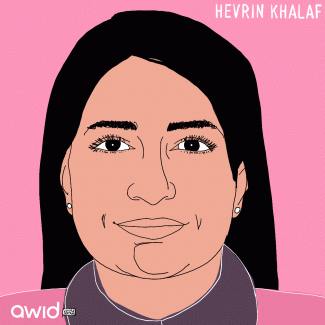
Hevrin Khalaf was a prominent Syrian Kurdish political leader in the autonomous region of Rojava where Kurdish women are risking their lives to resist the Turkish offensive and build a feminist system.
She was Secretary-General of the Future Syria Party (FSP), a group that aimed to build bridges, reconcile different ethnic groups and work towards a “democratic, pluralistic, and decentralized Syria.”
Hevrin was a symbol of this reconciliation effort. She also worked to promote equality between women and men and was a representative for visiting journalists, aid workers, and diplomats.
Hevrin was also a civil engineer from Derik, and was one of the founders of the Foundation for Science and Free Thought in 2012.
On 12 October 2019 she was tortured and murdered by the Turkish-backed militia, Ahrar al-Sharqiya during a military operation against Syrian Democratic Forces in Rojava.
“The killing of Khalaf is a turning point in Syria’s modern history. It once again demonstrated the old Kurdish proverb “no friends but the mountains.” I will always be a friend of Khalaf and her vision of a better world.” - Ahed Al Hendi
(نظرًا لأننا نقدم الطلب قبل عام تقريبًا من الحدث الفعلي.)
نعم! يطلب النموذج حاليًا إدراج مقدمي/ات المقترح حتى لو لم يتم تأكيدهم/ن بعد. نحن ندرك أنه من المحتمل أن تحدث التغييرات في غضون عام.
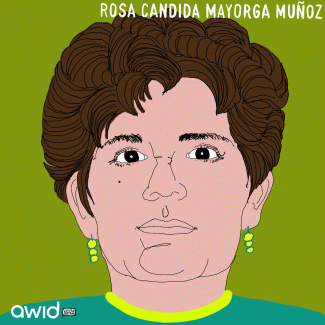
Rosa Candida Mayorga Muñoz was a Guatemalan social worker, union leader and labor rights defender. She was affectionately called Rosita and she inspired change.
In the 1980’s, Rosa became the first female member of the Executive Committee of the Union of Workers of the Institute of National Electrification (STINDE), a union she first joined to advocate for women’s labor rights. For her, this meant fighting for equal opportunities in a company where many women faced a discriminatory and violent system created by company authorities. Rosa had also suffered sexual harassment in her workplace, both by co-workers and managers. She was not to be kept quiet though.
Rosa continued fighting and was part of the effort to mould the struggle into a more specific form, that of the INDE-STINDE Collective Pact of Working conditions. This pact was a pioneer, the first in Guatemala to typify the concept of (sexual) harassment. It serves as a reference for the Guatemalan legislation on labor matters and is an encouragement for other unions.
“She had no fighting tools other than her own ideals... Many times she was intimidated, harassed to put the fight aside, but her courage generated the image of hope for grassroots unionists. Rosita created an image of respect, not only within her union, but before the authorities of the institution, before the women's movement; she was recognized as a pioneer of the trade union women's movement, in a space that had been more dominated by men.” - Maritza Velasquez, ATRAHDOM
Rosa passed away on 4 April 2018 at the age of 77.
เมื่อ AWID ถามตัวเองด้วยคำถามเดียวกัน เราเชื่อว่าไม่มีคำตอบง่ายๆสำหรับเรื่องนี้ สำหรับผู้เข้าร่วมจำนวนมาก AWID ฟอรัม อาจเป็นหนึ่งในการเดินทางระหว่างประเทศไม่กี่ทริปที่พวกเขาเคยทำในชีวิต การระบาของโรคโควิด19ได้ให้บทเรียนเราถึงความเป็นไปได้ต่างๆในการพบเจอกันรูปแบบอื่นๆที่ไม่ใช่ทางกายภาพ แต่ก็ให้บทเรียนเราถึงข้อจำกัดของพื้นที่เสมือนจริงสำหรับการสร้างการขบวนการด้วย ไม่มีรูปแบบใดที่เหมือนกับการเชื่อมต่อแบบตัวต่อตัว ขบวนการจำเป็นต้องมีการเชื่อมโยงข้ามพรมแดนเพื่อสร้างพลังร่วมในการเผชิญกับภัยคุกคามที่เรากำลังเผชิญหน้าอยู่ โดยเฉพาะอย่างยิ่งวิกฤตสภาพภูมิอากาศ เราเชื่อว่า AWID ฟอรัม ที่กำลังจะมาถึงสามารถเป็นพื้นที่เชิงกลยุทธ์ในการก่อให้เกิดพื้นที่สำหรับการสนทนาเหล่านี้ และทำให้เราได้สำรวจทางเลือกอื่นนอกเหนือจากการเดินทางระหว่างประเทศ การประชุมแบบผสม(ออนไลน์และกายภาพ)ของฟอรัมเป็นส่วนสำคัญของการสำรวจนี้