
Diana Staubli
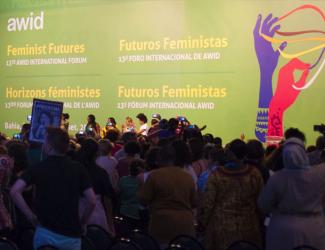
En septiembre de 2016, 1800 feministas y activistas por los derechos de las mujeres de todos los rincones de nuestros movimientos se congregaron en las costas de Bahia, en el 13º Foro Internacional de AWID.
En esta sección se destacan los logros, los aprendizajes y los recursos que surgieron de las ricas conversaciones mantenidas. Te invitamos a analizar, compartir y comentar.
Uno de los aportes más importantes del Foro fue la necesidad de ampliar y profundizar nuestro trabajo entre movimientos, frente a la confluencia de los fascismos en auge, fundamentalismos, codicia corporativa y cambio climático.
Nuestras Iniciativas Semilla han ayudado a 20 ideas que surgieron en el Foro para crecer en forma de acciones concretas
El vídeo «Defendiendo a las Personas y al Planeta» y la guía «Tejiendo la resistencia a través de la acción» estan protagonizados por defensoras de derechos humanos y presentan estrategias concretas para confrontar al poder corporativo
Con nuestras animaciones El estado de nuestros movimientos feministas y Justicia climática y ambiental, los movimientos ahora tienen herramientas creativas para apoyar su trabajo.
La compilación de las expresiones artísticas «Los Movimientos Importan», sigue inspirando una organización más fuerte y creativa en todo el mundo.
Los movimientos también pueden beneficiarse de nuevas metodologías para imaginar nuestros futuros feministas (¡pronto!)
AWID se ha comprometido, mediante su próximo plan estratégico y su proceso del Foro, a continuar y profundizar las relaciones, las lecciones y los procesos iniciados en el Foro 2016 y basándonos en el momento actual.
Los Foros de AWID comenzaron en 1983 en Washington DC. Desde entonces, el evento ha crecido hasta convertirse en muchas cosas para muchas personas: un proceso iterativo para darle forma a nuestros análisis, objetivos y acciones; un hito crucial que fortalece los feminismos de lxs participantes e infunde energías a sus procesos de organización; un hogar político donde lxs defensoras de derechos humanos encuentran un santuario y solidaridad.
This bibliography intends to contribute to the desire for learning and engagement identified by activists in the Middle East and North Africa region when reflecting on the aftermath of fast unfolding transitions in the region. Such transitions, while specific to the context of MENA, are not unique in their occurrences around the world. Experiences and practices of feminists from around the world engaged in similar, even if not identical, struggles towards the democratization of their countries with a gendered lens and a feminist politics constitute an important knowledge bank that activists can draw upon, learn from, and engage with. This resource mapping aims to fill the gap realized in various convenings and conversations of a lack of information sharing and knowledge bridging among feminists across the regions that experienced similar uprisings; particularly along south-south and east-south lines.
This publication represents a research mapping of key resources, publications and materials on transitions to democracy and women’s rights in different countries of the world that have undergone such processes, such as: Indonesia, Chile, South Africa, Nepal, Mexico, Argentina, Poland, Ukraine, as well as within the Middle East and North Africa (MENA). It provides bibliographic information and short summaries of resources which succinctly identify the contextual changes and challenges facing women in those particular transitional moments, as well as clearly delineates the ways in which women’s rights activists sought to confront those challenges and what lessons were learned.
We hope that this collection of ideas, research, analysis and experiences provides the kind of rich ingredients needed to create new recipes for confronting old and new challenges. By sharing these texts, our goal is to make links across borders, expand possibilities and knowledge, and invite debate, reflection, and inspiration for women’s rights organizations and activists in the MENA region. While every moment and space has its own unique flavor and history, highlighting connections to similar challenges and aspirations allows us all to bring things in conversation with one another, imagine a new vantage point into a problem, and increase our sense of belonging and purpose and thus our capacity to stay strong in the face of the seemingly impossible. It is the collective strength of a movement that gives it the power to create change. The goal with this publication is not that one specific text will necessarily help illuminate new solutions, but that the combined knowledge and analysis from a variety of sources will provide readers with an opportunity to expand their horizons and foster connections. In our small way, we hope to contribute to furthering the democratization of knowledge, and supporting women’s rights movements in the MENA to continue building an inclusive transition process that will result in advancements of social justice and gender equality.
Сделать видимой сложность обеспечения ресурсами различных феминистских организаций
El salario mínimo de Georgia se encuentra en un porcentaje inferior al de todos los países del mundo. Esta realidad afecta mayoritariamente a las mujeres.
El país no solo tiene una brecha salarial de género significativa, sino que las mujeres también trabajan más horas y más horas no reguladas antes de irse a casa para ocuparse de las tareas domésticas y de sus familias. No hay licencia por maternidad, no hay aumentos de salario por horas extras, no hay seguro de desempleo, y no hay licencias por enfermedad u otra protección social. Presionados por organizaciones occidentales, los partidos políticos oligárquicos georgianos han estado implementando reformas que están destruyendo el estado de bienestar, aumentando las medidas de austeridad y empeorando la explotación de lxs trabajadorxs, todo para los beneficios de grandes corporaciones que aplauden al país por su "facilidad para hacer negocios". Los medios de comunicación, cooptados por intereses privados y corporativos, están sesgados sobre estos temas o los silencian. La organización sindical sigue siendo una de las pocas opciones para luchar por los derechos humanos básicos y para hacer que el Estado y las empresas rindan cuentas ante las violaciones y persecuciones diarias y generalizadas contra lxs trabajadorxs, especialmente contra las mujeres.
Fuentes: Minimum-Wage y entrevista con Sopo Japaridze en Democracia Abierta
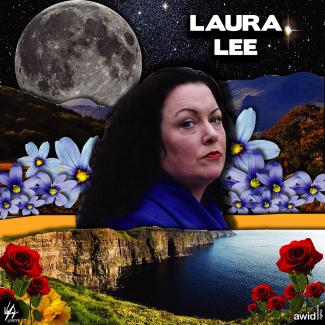
Laura was a leading activist and lawyer who campaigned fearlessly for the decriminalisation of sex work in Ireland.
She is remembered as “a freedom fighter for sex workers, a feminist, a mother to a daughter and a needed friend to many.”
Laura advocated for individuals in the sex industry to be recognised as workers deserving of rights. She advanced demands for decriminalisation, including initiating a judicial review at Belfast’s high court in respect of the provisions criminalising the purchase of sex. Laura stated that her intention was to bring the case to the European Court of Human Rights.

الرجاء اختيار لغتك في الزاوية اليمنى الرجاء اختيار اللغة المفضلة للإجابة على الاستطلاع في أقصى يمين الصفحة
ذا كنت ترغب في معرفة المزيد، انضم إلى لقاء للأعضاء/ العضوات: أين المال؟ يوم الاثنين 27 مايو (أيار) الساعة 9:00 بالتوقيت العالمي - مع ترجمة
فورية باللغتين الفرنسية والإنجليزية.
14:00 بالتوقيت العالمي - مع ترجمة فورية باللغتين الإسبانية والإنجليزية
سنستمع إلى فريق الحركات النسوية لتوفير الموارد التابع لجمعية حقوق المرأة في التنمية (جمعية حقوق المرأة في التنمية) حول خصوصيات وعموميات تمويل التنظيمات النسوية.
انضم/ي إلينا كعضو/ة في وكن/وني جزءًا من جلسة التواصل هذه.
الرد على الدعوة هنا
(Registration only available in English)
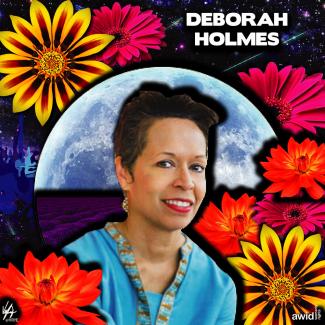
Al momento de su muerte, luego de una corta pero denodada batalla contra el cáncer, Deborah era la Jefa de Comunicaciones y Participación en la Women’s Funding Network (WFN, Red de financiamiento para mujeres).
Deborah también trabajó para el Fondo Global de Mujeres entre 2008 y 2017. Era sumamente querida y respetada por el consejo asesor, el personal y lxs colaboradorxs de la organización.
Kavita Ramdas, anterior directora ejecutiva del Fondo, acertadamente señaló que Deborah era un «pequeño paquete que explotaba de calidez, generosidad, inteligencia, estilo y un apasionado compromiso por unir la belleza con la justicia. Ella entendía el poder de las historias. El poder de la voz de las mujeres. El poder de la experiencia vivida. El poder de levantarse de las cenizas y decirle a otrxs que era posible. Y todavía nos levantamos».
Musimbi Kanyoro, actual directora ejecutiva del Fondo Global de Mujeres, añadió: «Hemos perdido a una hermana y su vida ilumina valores que nos unen y nos inspiran. Al reunirnos para llorar el fallecimiento de Deborah, recordemos y celebremos su notable, audaz y apasionada vida».
Cuando planifiquen la actividad que les gustaría presentar en el Foro, por favor también tengan en cuenta cómo podrían financiar su participación. Los costos a tener en cuenta son: alojamiento, viaje, visa, inscripción al Foro, y otros.
Es importante señalar que este Foro tendrá muchos ‘espacios abiertos’ y momentos para que los distintos movimientos puedan intercambiar entre sí y aprender, pero menos sesiones formales. (Consulten la sección sobre “Cómo describir el Foro para movilizar recursos” debajo).
Antes que nada, hablen con sus donantes actuales.
Asegúrense de hacerlo con anticipación. (Les recomendamos contactarlxs como máximo durante los primeros meses de 2020). Muchxs donantes que apoyan a organizaciones feministas han asignado recursos para que sus copartes puedan viajar al Foro. Otrxs podrían asignarles esos recursos cuando les renueven su apoyo o como parte de un fondo para viajes.
Si su organización/grupo tiene donantes, podrían contarles que quieren asistir al Foro AWID para aprender, vivenciar, compartir y contactarse con otrxs, aun si su actividad no resulta seleccionada para el programa final. Para poder apoyar su participación, lxs donantes tendrán que saber que ustedes quieren asistir al Foro cuanto antes (ya deben estar decidiendo cómo van a repartir sus fondos en 2020).
Buscar nuevos donantes:
Si no tienen donantes que les apoyen o lxs que tienen no pueden asignarles fondos para viajar al Foro, tal vez podrían buscar nuevos donantes.
Los plazos y requisitos varían de un donante a otro, y los procesos para aprobar una donación pueden llevar meses. Si piensan solicitar fondos a un donante nuevo, por favor háganlo cuanto antes.
Desde siempre los movimientos feministas hemos desplegado nuestra creatividad para financiar nuestro activismo. A continuación encontrarán algunas ideas que podrían inspirarlxs para pensar formas alternativas de movilizar recursos:
Podrán encontrar más ideas en la serie de publicaciones de AWID sobre feministas que se autofinancian, que incluye ideas específicas para movilizar fondos y participar en eventos.
AWID intenta hacer del Foro un evento verdaderamente global con participación de una variedad de movimientos, regiones y generaciones. Con este fin, movilizamos recursos para un Fondo Acceso (FA) limitado que asistirá a lxs participantes a cubrir los costos que implica asistir al Foro.
El Fondo Acceso de AWID podrá apoyar a un número limitado de participantes del Foro y personas que faciliten sesiones/actividades. Este apoyo no está garantizado y lxs alentamos a buscar formas alternativas de financiar su participación en el Foro, incluyendo sus gastos de viaje.
En su formulario de aplicación pueden indicar que les gustaría ser tenidxs en cuenta para el Fondo Acceso de AWID. Por favor tengan presente que estos recursos son muy limitados y que no vamos a poder apoyar a todxs. Aun si indican que les gustaría ser tenidxs en cuenta para el Fondo Acceso, les alentamos a continuar explorando otras opciones para financiar su participación en el Foro. A fines de junio de 2020 confirmaremos las decisiones acerca del Fondo Acceso.
A continuación encontrarán algunos mensajes simples que pueden utilizar cuando hablen con sus donantes o con personas de su comunidad. Por favor no duden en adaptarlos como les pueda resultar más útil.
El Foro AWID es un espacio que los movimientos feministas crean juntos y que permite a lxs participantes renovar energía para su activismo, fortaleciendo sus vínculos con muchos movimientos por los derechos y la justicia. Lxs participantes pueden encontrar allí esperanza, energía e imaginación radical, al mismo tiempo que profundizan análisis compartidos, aprenden y desarrollan la solidaridad entre movimientos que permite agendas más integradas y estrategias conjuntas.
Nuestra organización está buscando fondos para asistir al Foro y poder vincularnos con otrxs activistas y movimientos de todo el mundo, fortalecer nuestras estrategias y compartir el trabajo que hacemos. Nos inspira la experiencia de otrxs que han participado en el Foro y que describieron la fuerza de esta convocatoria feminista global:
“Durante cuatro días … las voces se entretejieron para articular una perspectiva global sobre el estado de la igualdad de género. Y cuando digo ‘global’ quiero decir por ejemplo que había traducción simultánea en siete idiomas…”
“Nos recordó que no estamos solas. El Foro nos permitió traducir lo colectivo a nuestros movimientos. Con diferencias en cuanto a ideologías, identidades o fronteras, nuestra fortaleza yace en nuestra visión y en cómo nos apoyamos unas a otras”.
Es importante señalar que este Foro tendrá muchos ‘espacios abiertos’ y momentos para que los movimientos puedan aprender e intercambiar entre sí, pero menos sesiones formales. Si bien muchxs participantes no podrán facilitar sesiones formales, para ellxs también será un espacio valioso en el que aprender, pensar estrategias y vivenciar el poder colectivo de los movimientos feministas en acción.
Para calcular los costos y saber cuánto dinero necesitarán recaudar, es importante que tengan en cuenta que su participación podrá requerir todos o algunos de los siguientes gastos:
El 14o Foro de AWID tendrá lugar del 11 al 14 de enero de 2021 en Taipéi, Taiwán.
El Foro es más que una reunión de cuatro días. Es una estación en un recorrido más largo para fortalecer nuestros movimientos en torno a la noción de Realidades Feministas que ya ha comenzado y que continuará más allá de las fechas del Foro.
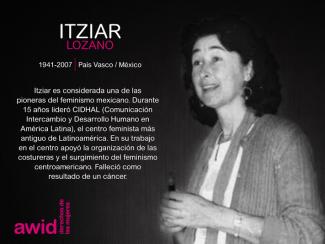
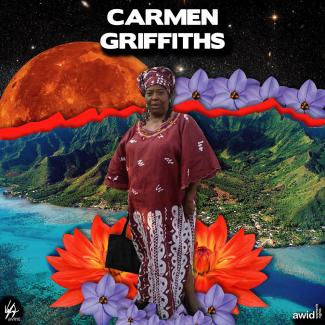
Carmen dirigeait le Construction Resource and Development Collective et a joué un rôle de premier plan en faveur de la participation des femmes dans l’industrie de la construction en Jamaïque.
Elle a également œuvré à la préparation aux catastrophes de femmes rurales et urbaines. Elle a travaillé en étroite collaboration avec les femmes (en particulier les mères célibataires) pour leur apprendre à utiliser les sangles anti-ouragan ainsi que d’autres technologies pour sécuriser leur foyer. Elle a travaillé dans le domaine de l’eau et de l’assainissement et a été une ardente défenseure d’une gestion durable de l’environnement et du développement.
Elle faisait partie de la Commission Huairou et plaidait en faveur des femmes de la base sur des questions telles que le logement, l'énergie et les moyens de subsistance durables.
Nous avons ensuite organisé une série complète de visites au Népal, en Malaisie, au Sri Lanka, en Thaïlande, en Indonésie et (plus tard) à Taïwan. Sur place, chaque visite comprenait non seulement un examen de l’infrastructure logistique, mais aussi des réunions avec des activistes et des groupes féministes locales·aux afin de mieux comprendre la situation et leur analyse des risques et opportunités potentielles quant à un Forum de l’AWID dans leur contexte.
Ils ont souvent exprimé des sentiments partagés entre risques et opportunités liées à la visibilité apportée par un événement comme le Forum. Durant l’une des réunions, les activistes présent·e·s soulignèrent à l'unanimité, au cours des 30 premières minutes, que le Forum de l’AWID pouvait entraîner de nombreux contrecoups, que les droits LGBTQ étaient un sujet politique particulièrement sensible et que les groupes fondamentalistes chercheraient de toutes leurs forces à interrompre l’événement. Lorsque nous répliquâmes « ok, donc vous ne pensez pas que ce soit une bonne idée », leur réponse également unanime fut « bien sûr que si, nous voulons changer les récits !».
Il était difficile d’entendre et de voir dans certains endroits le nombre d’activistes féministes qui voulaient utiliser l’opportunité de visibilité d’un tel événement comme levier, prêt·e·s à faire face aux risques locaux ; mais l’accueil de près de 2000 personnes venues du monde entier nécessitait de prendre en compte d’autres calculs de risque et de faisabilité.
Nous avons également débattu de questions sur ce qu’implique l’organisation d’un forum féministe en cohérence avec les principes d’inclusion, de réciprocité et d’autodétermination, là où les politiques et les pratiques étatiques vont généralement à leur encontre (même si les représentant·e·s des Ministères du Tourisme ont tenté ardemment de concilier ce point).
Dans beaucoup d’endroits, suivre le contexte donnait des impressions de balancier pouvant pencher vers l’ouverture et la sécurité des débats féministes à un moment donné, et vers la répression totale et la xénophobie l’instant d’après, sacrifiant les priorités féministes dans les négociations politiques cherchant à apaiser l’extrême droite ou les forces anti-droits.
Ce processus a donné lieu à des réflexions sur le contexte extrêmement difficile pour l’activisme des droits des femmes et de la justice de genre au niveau mondial.
Pour autant, nous ne pourrions aujourd’hui organiser un Forum de l’AWID à Istanbul comme nous l’avions fait en 2012, ou au Brésil comme en 2016.
L’organisation du Forum de l’AWID implique pour nous la création et la disposition d’un espace qui s’ajuste au mieux à une diversité de formes d’expression de solidarité, d’indignation, d’espoir et d’inspiration. Celles-ci sont au cœur de nos mouvements féministes.
Actuellement, Taipei nous semble donc être l’emplacement de la région Asie-Pacifique qui nous permet au mieux de bâtir un espace sécurisé et désobéissant pour notre communauté féministe mondiale.
Le fait est qu’il n’existe pas d’emplacement idéal dans le monde actuel pour tenir un Forum qui se concentre sur les Réalités féministes. Peu importe où nous irons, nous devrons construire cet espace ensemble !