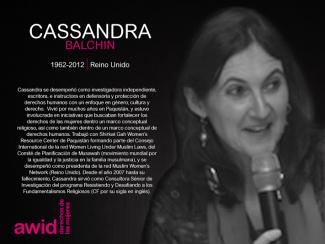
Cassandra Balchin

Young feminist activists play a critical role in women’s rights organizations and movements worldwide by bringing up new issues that feminists face today. Their strength, creativity and adaptability are vital to the sustainability of feminist organizing.
At the same time, they face specific impediments to their activism such as limited access to funding and support, lack of capacity-building opportunities, and a significant increase of attacks on young women human rights defenders. This creates a lack of visibility that makes more difficult their inclusion and effective participation within women’s rights movements.
AWID’s young feminist activism program was created to make sure the voices of young women are heard and reflected in feminist discourse. We want to ensure that young feminists have better access to funding, capacity-building opportunities and international processes. In addition to supporting young feminists directly, we are also working with women’s rights activists of all ages on practical models and strategies for effective multigenerational organizing.
We want young feminist activists to play a role in decision-making affecting their rights by:
Fostering community and sharing information through the Young Feminist Wire. Recognizing the importance of online media for the work of young feminists, our team launched the Young Feminist Wire in May 2010 to share information, build capacity through online webinars and e-discussions, and encourage community building.
Researching and building knowledge on young feminist activism, to increase the visibility and impact of young feminist activism within and across women’s rights movements and other key actors such as donors.
Promoting more effective multigenerational organizing, exploring better ways to work together.
Supporting young feminists to engage in global development processes such as those within the United Nations
Collaboration across all of AWID’s priority areas, including the Forum, to ensure young feminists’ key contributions, perspectives, needs and activism are reflected in debates, policies and programs affecting them.
Gracias, Ángela y Pilar.

 |
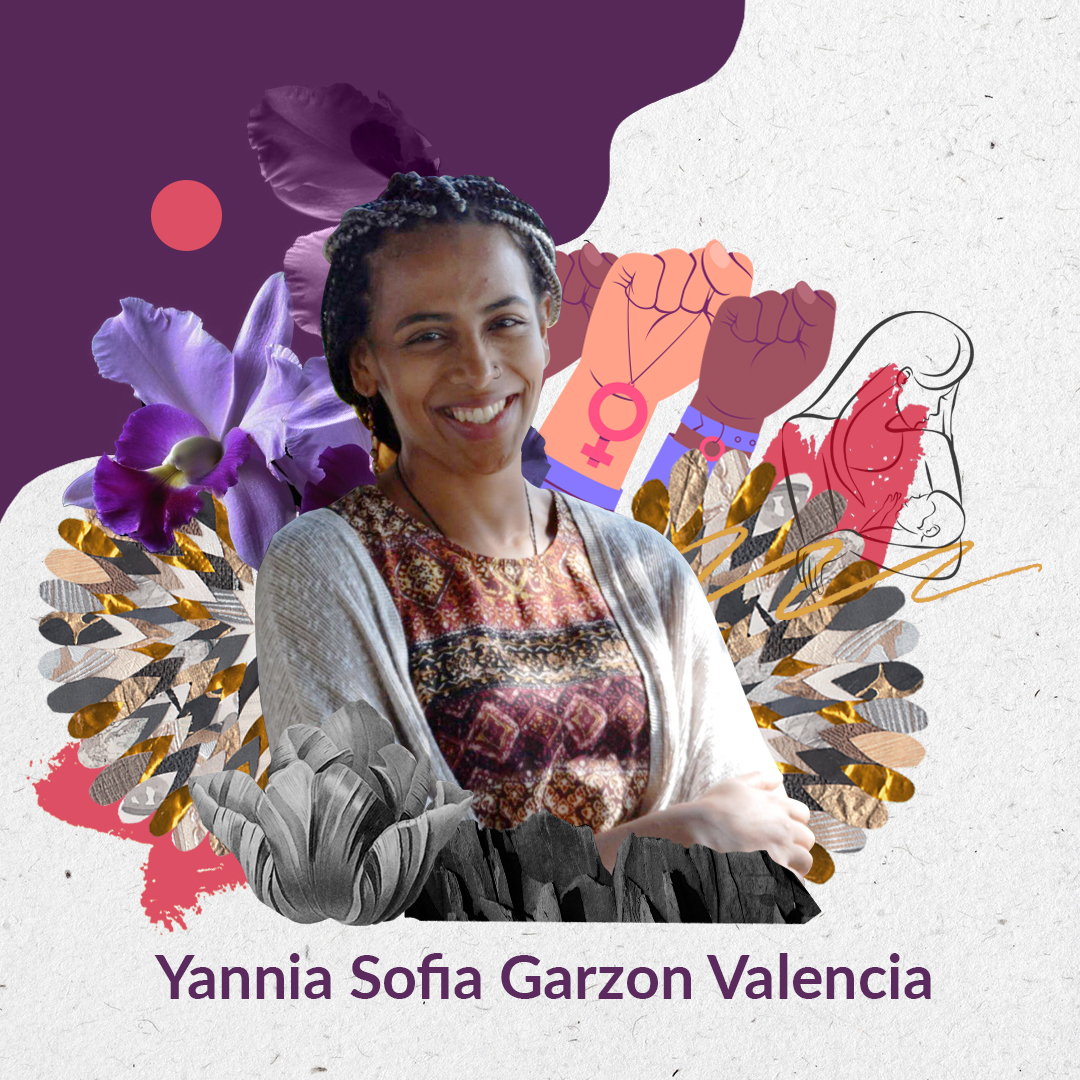
Yannia Sofía Garzón Valencia: Soy Mujernegra y tejedora comunitaria. Vivo en Santander de Quilichao, Cauca, Colombia. Me interesan los procesos creativos que producen organización para sostener la vida colectiva. Me gusta conversar y cocinar, investigar y analizar, sembrar y aprender de plantas, leer y jugar. Actualmente coordino el Observatorio sobre violencia basada en género contra personas Afrodescendientes en Colombia. (@VigiaAfro). |

Como pocas veces ocurre, había una amplia área verde para jugar y nos sentamos en unos banquitos de madera bajo un árbol de sauco. Por fin experimentábamos la sensación de otras formas del amor – estar por el gusto de estar y el placer de escucharnos. Estas conversas para mí hacen parte de las más recientes expresiones de amor que la vida me ha permitido. Formas que no sabía que eran posibles, que se quedan afuera de un taller o de un espacio militante, de un salón de clases o de una oficina de trabajo. Pasamos la tarde entre amigas donde el color de piel de las tres no fuese un tema para hacernos las ciegas y sí una experiencia para intimar sobre los parecidos y diferencias entre nuestras experiencias de infancia y juventud.
Hasta hoy me resultan nutritivas y resignificadoras aquellas charlas que se eximen de alguna tarea pendiente del movimiento negro en Colombia con la cercanía tejida del encuentro, de reconocernos, y en ese reconocernos, de identificar las particularidades que tiene liberarnos. Y de que no hay un solo camino sino muchos caminos de liberación – caminos que habitamos cada vez que dijimos no y nos rebelamos, y que lejos de incomodarnos, nos encontramos en nuestra autenticidad hecha de debilidad y fortaleza, que en lugar de separarnos, nos junta.
Nuestro propósito para hacer esa hermosa tarde fue estar. Ser conscientes de estar entre nosotras. Transitamos para que los recuerdos que quedaran sean aquellos que imaginamos por decididos, sean nuestros y no los que el miedo filtra, acomoda y permite. Recordamos fragmentos exactos de programas; cantamos coros de canciones y a lxs artistas que nos educaron en qué iba eso de amar bien, odiar bien, insultar como la mejor villana, sufrir como la mejor protagonista. Nos contamos travesuras en el colegio, lo que nos quedaba dentro del inconsciente después de la exposición a tantas formas mediáticas de decir lo mismo: durante la época del colegio, desde las maestras y las religiosas, la sobreexposición se nos hace a las mujeres para que nos identifiquemos en la aspiración de cenicienta, la conducción y apropiación para nuestras vidas del drama de la muchacha empobrecida y disminuida que precisa completar el valor de ella misma en el acto redentor de nuestra condición, y del que solo es capaz la mirada de un hombre, que como mínimo ha de ser blanco, merecedor de nuestra entrepierna – su supuesta “máxima aspiración” – y la “perfecta realización de nuestros sueños” la que debe ser nuestra.
Aquella tarde éramos tres, y cada una de nosotras criadas en diferentes lugares del país, pero era fascinante coincidir al repetir de memoria frases y situaciones de canciones y novelas, que a veces – nos dimos cuenta hablando, conociéndonos – mantuvieron algunos códigos, símbolos que se reprodujeron con algunas variaciones en nuestras casas, en nuestras relaciones primeras dentro del barrio y en el colegio. Educadas en y para el “drama” – ¿así se llama al género taquillero? – que llega a ser más drama y mayor merecimiento, el tema de “cómo y en qué situaciones es válido y legítimo sufrir” se transforma también – y esto es importante – en cómo debe ser la actitud, cómo debe verse y cómo debe hacer y ser quien sufre. Por tanto, algunas conseguimos sacarnos de nosotras mismas, y por todo significado de amor “aprendimos” que aquel que nos toca a nosotras, solo lo podíamos aprender adultas, rompiendo las ilusiones, aceptando el pecado natural, el conocimiento de la producción industrial de una virgen maría a la que no queremos parecernos, a la que no nos cabe dentro de lo que entendemos, y los desengaños que esta alineación nos reserva.
Luego de cantar, pasamos por las exploraciones sexuales tempranas. Nunca pensé que la mayoría de personas pasamos por ahí antes de los nueve años, y que aún en la adultez, hoy esas experiencias, esos recuerdos, son carga pesada y que incluso hoy, en miles de lugares, millones de niñas y niños son cercenados en su inocencia por la ausencia de confianza y la ignorancia que les ofrecemos para que reconozcan sus cuerpos. Culpar la curiosidad, valiosa fórmula de control. Retomamos conversas breves que habíamos tenido derivadas de nuestro rehacernos la historia de nuestra vida desde nuestro ser maldecido negro y por nosotras renacido. Recordamos que muchas de nuestras tías y primas fueron saliendo de sus casas, de ombligo, de su arraigo, para buscar un futuro afuera, en otro lugar.
El futuro exige el precio de reacomodar las relaciones que nos han hecho desde la infancia y colocarlas en un cuarto de olvido, fundantes, pero no relevantes para avanzar. Progresar fue para nosotras memorizar qué nos hacemos a nosotras mismas con las oportunidades que encontramos en otro lugar, que el otro lugar y no nosotras es dónde habita la oportunidad, que estamos disponibles, que hay que estar afuera. Sin embargo, para muchas de nuestras tías y primas, a cambio de la oportunidad que pocas veces llegaba de ser matriculadas y mantenidas en el colegio nocturno o un sabático por su trabajo doméstico, lo que sí llegaba con puntualidad de factura de servicio público, era la de convertirse en la primera experiencia sexual de parientes que vivían en ese futuro por el que ellas mismas y otrxs antes de ellas ya habían pagado y cuyo precio habían olvidado. Ese legado no lo seguiremos.
"Aprendió que el cuidado del vientre es un asunto de mantener sus tejidos en calor, de evitar los fríos que entran por la molleja encima de la cabeza, por los pies, por las orejas, para que no doliera especialmente en tiempos en que la luna baja, que para eso hay que cuidar lo que se come y no se come, cómo se viste y cómo se camina, que esto tiene que ver en todo momento con la salud de las niñas."
En Colombia y en América Latina se implementó con mucho éxito un manual de conducta llamado “La Urbanidad de Carreño.” Hasta la década de los 90’s y tanto en colegios públicos como privados fue de obligatoria lectura. Mi mamá que fue recogida por monjas carmelitas, lo conocía de pe a pa: el manual efectivamente condicionaba la mirada sobre los cuerpos. La primera vez que lo leí tuve que parar varias veces para sobarme el estómago que me dolía de tanto reír. Tiene instrucciones tan ridículas como la de ducharse con los ojos cerrados y apagar la luz al momento de ponerse la ropa de dormir. Los capítulos hacían referencia a cómo estar en la casa, en la calle, en una cena, en una comida – en otras palabras, las normas del buen gusto y de la etiqueta. El deber ser de la ciudadanía de bien, la civilidad que permitía distanciarse de los valores de la vida en el campo. El mismo manual indicaba que saludar de grito a alguna persona conocida que se encontrara al otro lado de la calle era indecoroso; la buena educación es cruzar la calle, así como los hombres deben quitarse sus abrigos, para ponerlos en los charcos de agua toda vez que fueran acompañados de mujeres que no debían mojarse el calzado. Pensaba en los saludos de un lado al otro lado del río, y en el calor que hace en los lugares donde hacemos la vida que no nos pide abrigo.
Este señor Carreño se contrasta grandemente con el abuelo de otra mujer mayora oriunda de Turbo. Ella compartió una vez que su abuelo era un sabio, que de él aprendió a partiar, a cuidarse el cuerpo. Aprendió que el cuidado del vientre es un asunto de mantener sus tejidos en calor, de evitar los fríos que entran por la molleja encima de la cabeza, por los pies, por las orejas, para que no doliera especialmente en tiempos en que la luna baja, que para eso hay que cuidar lo que se come y no se come, cómo se viste y cómo se camina, que esto tiene que ver en todo momento con la salud de las niñas. La mayora dice que de su abuelo devoto aprendió que los cólicos se hicieron más comunes cuando las casas dejaron de tener piso de tierra y/o madera. Cuando llegó el concreto y la baldosa, cuando el material de la casa permitió que el frio entrara por los pies, con ellos aumentó la tensión en el tejido de los vientres.
Sorprendidas de nuevo. La distancia entre la consciencia de la vida de Don Carreño y la del sabio abuelo, es la misma distancia entre lo que se dicta para el comportamiento adecuado, y cómo se ven incapacitados el impulso y los sentidos, incluso el sentido común que gusta de la salud. En ese momento podía entender otra de las tantas maneras en cómo el cemento obstruye nuestra forma de respirar de la tierra, y de nosotras como parte de ella. No había dimensionado que hubo, y aún hay, arquitecturas y materiales pensados para el cuido de nuestros cuerpos. En Colombia como en muchos otros países, el material del que está hecha la vivienda hace parte de los indicadores del índice de pobreza multidimensional: la vivienda que está construida en cemento aleja al hogar de ser leído como pobre, y así podríamos seguir rastreando el desaliento con el que el progreso nos arrastra en abandonar la relación de nuestro entorno con nuestro cuerpo. El buen gusto y la civilidad nos encamina hacia afuera: avanzar – mienten – está allá afuera.
Nos molestó un poco caer en cuenta juntas de cómo nuestras mamás o nuestros papás no nos dijeron palabra alguna de la menstruación, salvo cuando la mancha marrón ya había embadurnado los calzones. Ni nos alejaron de la vergüenza que se supone era apenas natural sentir una vez estuviera allí, acompañada de los retortijones en el vientre muchas veces acallados por las labores de faena, que se llaman quistes, miomas, hematomas – asesinaron y olvidaron a nuestras abuelas que habían averiguado y olvidaron los tratamientos para sanarlos. Que su aliento, enfriado cada vez más por ese afuera, heló la familiaridad y en lugar de calentar nuestros vientres, sentenció consejos parecidos más a las advertencias sobre lo único que les importa a los hombres. Generalizando a todos los hombres – legitimando el rol saqueador del pene, y que la única opción para esos cuerpos con pene es tomar aquello que tenemos entre las piernas. La inmutable e instalada naturalización de las múltiples variaciones de esta verdad. Y generalizar para todas las mujeres que debemos preservarlo para uno, el que lo meta primero, el que dé algo a cambio, y que somos mujeres únicamente por eso, por aspirar a/y dejarlo meter. De niña exploré penesitos y clitorisitos, y entre juegos la pregunta al oído que en esas ocasiones hacía cuando era entre mujeres fue: ¿esta vez a quién le toca hacer de hombre y a quién hacer de mujer? Por respuesta: principios de orgasmitos independientemente de con quién. Supongo que ocurre parecido entre los cuerpos de los hombres también.
"Podía entender otra de las tantas maneras en cómo el cemento obstruye nuestra forma de respirar de la tierra, y de nosotras como parte de ella. No había dimensionado que hubo, y aún hay, arquitecturas y materiales pensados para el cuido de nuestros cuerpos."
Experiencias y exploraciones de nuestras tías, primas y conocidas se volcaron hacia el cuerpo y su desnudez como tabú. Evadieron expresarla, enunciarla, hasta el punto de encubrirla, asignando nombres para sus funciones, de excretar, de expulsar, de procrear, y para nosotras de recibir. A propósito, compartí una reflexión que salió de escuchar una mayora en un taller; ella decía que, en el tiempo de vivir con su abuela, la recordaba durmiendo con un ojo abierto y otro cerrado y con una escopeta al lado del colchón. Al menor ruido en la noche, la accionaba sin chistar, situación no poco habitual en algunos territorios del pacífico colombiano donde hay un comportamiento nocivo y normalizado; y es que hombres casados y solteros que sienten gusto por una joven, se le meten en la habitación de noche – “gateada” entendemos, “gateada” decimos. El asunto de hacerle justicia a la joven, era un cálculo de riesgo: si las autoridades de la casa se daban cuenta y había o no abuso, podían herirlo y hasta matarlo.
Una práctica de justicia propia y directa, que tiene consecuencias que hasta hoy no han acabado con el gateo. En ese mismo taller – seguía compartiendo con mis hermanas – otras participantes dijeron que ni ellas ni sus mamás dejaban a sus hijas con sus padres a la hora del baño, a menos que llevaran ropa interior. En esas recordé la voz de mi papá diciéndome cuando yo tenía siete años, su mamá nunca ha dejado que yo la bañe. Les compartí esto y, todo lo contrario, una de ellas nos compartió que en cambio su papá la bañaba desnudita en el patio de su casa de infancia hasta que tuvo siete años, y que luego hasta los nueve lo hacía su hermano mayor. Ella nunca sintió un dejo de mirada extraña por parte de ellos; para ellos, decía, era parte de las tareas del cuidado con la consentida. Recuerda ser vista como lo que era: una niña hija, una niña hermana peleada con el agua.
De nuevo la infancia, ayer y hoy. Nos sorprendió escucharla, me consoló saberlo. Ya había sido diferente en otros lugares y el padre de mi hija hasta casi los dos años la bañó en la tina. Incluso antes de que cumpliera dos años le pegaba un poco en las nalgas hacia arriba, según él, para hacerlas más grandes. Acá se pueden conversar sobre otras dimensiones de cómo hacemos los cuerpos, pero es para otro cuento. Para mí, se trataba de una tarea de cuidado entre tantas del reparto que acordamos antes de que ella naciera. Y la decisión de no ver en cada hombre un violador al acecho, no significa que no lo sean, sino que también pueden dejar de serlo. También hay hombres y cuerpos de hombres que por crianza nunca lo han sido.
También pasa ahora. Le pasó a nuestra amiga y a mi hija. Me quedé pensando: ¿cómo puede ser que algunas mujeres pudieran formar una pareja en la que no les pueden dejar el cuidado de sus hijas? Estoy segura que mi mamá amó a mi papá. Y aunque pocas veces hablamos sobre la mujer que fue antes de ser mi mamá, sé que sus experiencias de abuso no se comparan en brutalidad y permisividad como las de ahora y sin embargo es una decisión – de muchas mujeres en muchos lugares. Lo que me lleva a otras preguntas: ¿Qué tan frecuente, tan reiterados los casos de abuso que en nuestra familia extensa fueron, que las madres prohibieron perceptible o imperceptiblemente a sus parejas bañar a sus hijas?, ¿Tiene que ver con toda esa sobreexposición mediática a la que somos expuestxs casi desde el nacer?, ¿Qué hace posible el desdibujamiento del lazo familiar y lo deja solo en un lazo de satisfacción corporal?, ¿Es la proximidad a los valores de la urbanidad que con tanto celo cuida de las correctas formas de los cuerpos femeninos como objetos de deseo, e impulsa a los cuerpos masculinos a actuar como poseedores y conquistadores, cumpliendo el mandato que debe ser imitado de la representación a la que mediáticamente les exponen para sentirse tranquilos en su identidad?, ¿Es el cemento y otros códigos como el de la urbanidad de Carreño el que lo soporta?, ¿El olvido de las relaciones que establecemos en función de obtener progreso, lo que lo provoca, el insistente hacer para afuera?, ¿Qué pasa con los aprendizajes de nuestra época, de quienes a escondidas o no, tuvimos exploración sexual infantil?, ¿Anulados por la culpa?, ¿Germen de la desconfianza y la vergüenza hacia la desnudez?, ¿Germen de la desconfianza y la vergüenza hacia estar adentro de si mismx? ¿No son estos aprendizajes, posibilidades para confiar en abordar la desnudez de los cuerpos dentro del respeto a sí mismx y otrxs? Estas preguntas nacen porque hay espacios de confianza, donde el miedo a decir cómo se piensa y siente está espantado por el propósito de acompañarnos. Imagino cuantas hay en tantos rincones de este planeta y estoy muy segura que no son preguntas nuevas, que hay mensajes repetidos en ellas y que nos encontramos viviendo sus respuestas.
Esta edición en alianza con Kohl: una publicación para Body and Gender Research analizará soluciones, propuestas y realidades feministas para transformar nuestro mundo actual, nuestros cuerpos y nuestras sexualidades.
نصدر النسخة هذه من المجلة بالشراكة مع «كحل: مجلة لأبحاث الجسد والجندر»، وسنستكشف عبرها الحلول والاقتراحات وأنواع الواقع النسوية لتغيير عالمنا الحالي وكذلك أجسادنا وجنسانياتنا.
لغات العمل في جمعية حقوق المرأة في التنمية هي الإنجليزية والفرنسية والإسبانية. ستتم إضافة اللغة التايلاندية كلغة محلية، بالإضافة إلى لغة الإشارة وإجراءات الاتصال الأخرى. يمكن إضافة لغات أخرى إذا سمح التمويل بذلك، لذا تحقق/ي مرة أخرى بانتظام للحصول على التحديثات. نحن نهتم بالعدالة اللغوية وسنحاول تضمين أكبر عدد ممكن من اللغات بقدر ما تسمح به مواردنا. نأمل في خلق فرص متعددة للكثيرين/ات منا للتواجد بلغاتنا والتواصل مع بعضنا البعض.
Pour toutes questions liées à l’Appel aux propositions d'activités, merci de nous contacter via notre formulaire de contact en choisissant « Proposition d'activité » comme sujet de votre message.
Chers mouvements féministes,
Vous nous avez accueillies à bras ouverts lorsqu’il a été annoncé en 2016 au Forum de l’AWID à Bahia que nous serions toutes deux codirectrices exécutives de l’AWID. Nous pensions alors que tout était possible, nous allions construire une oasis féministe qui nourrirait nos combats collectifs à venir. Nous avons quitté Bahia avec un sens aigu de nos nouvelles responsabilités, nous engageant à vous servir de notre mieux et à diriger l’AWID de la manière la plus efficace et la plus soutenante pour vous.
Il est maintenant temps pour nous de laisser la place à un nouveau leadership !
Plus de cinq ans après le début de cette aventure, nous avons décidé de faire coïncider la fin du cycle stratégique actuel de l’AWID avec l’arrêt de notre codirection. Nous pensons que c’est le moment idéal de quitter nos fonctions et de soutenir la relève. Nous pensons en effet que le leadership féministe transformateur est cyclique.
Nous avons pleinement conscience de l’opportunité qui nous a été donnée de jouer un rôle dans les 40 ans d’histoire de l’AWID, de soutenir et mener l’organisation tout au long du difficile contexte de la pandémie mondiale et des nombreuses crises qui se sont succédé.
Mouvements féministes, nous savons que vous ferez partie de notre prochaine aventure, quelle qu’elle soit. Vous nous enseignez sans relâche la force et la résilience. Nous changeons de fonction, mais nous continuerons collectivement à progresser ensemble.
Nous avons des souvenirs très clairs de ceux d’entre vous en Indonésie, en Malaisie, au Népal, en Thaïlande, en Taiwan et ailleurs encore, avec qui nous avons co-créé le Forum de l’AWID, dans la générosité et la spontanéité. Sans aucun doute, notre plus grand regret de ces cinq dernières années est de n’avoir pas pu vous offrir un autre Forum en présentiel.
Dès que la difficile (quoique nécessaire) décision d’annuler le forum de l’AWID a été prise, nous nous sommes centrées sur les questions existentielles avec lesquelles de si nombreuses organisations se débattaient : comment transformer nos manières de travailler pour continuer à être pertinentes, comment prendre en compte la fatigue, la maladie et le deuil qui nous touchent toutes et tous de diverses manières ? Comment construire des relations porteuses de sens, lorsque l’on doit se cantonner aux interactions en ligne ? Il n’y a toujours pas de réponses évidentes à ces questions mais, mouvements féministes, vous avez ouvert la voie.
Nous étions si fières de voir la manière dont les féministes prenaient les rênes d’initiatives visant à atténuer les effets de la COVID-19 sur nos communautés. Les féministes sont les intervenant·es de première ligne dans les crises et nous continuerons à réclamer la reconnaissance et des ressources pour ce travail. Vous avez souvent répondu avec enthousiasme à nos mobilisations, participant de manières toujours plus géniales à notre campagne pour un Sauvetage féministe et ensuite au Festival Crear Résister Transform. Vous vous êtes spontanément jointes à nos actions de plaidoyer, lors d’interventions dans les espaces les droits humains, auprès de responsables des politiques ou de bailleurs de fonds.
Nous voulons témoigner à l’équipe actuelle, et précédente, de l’AWID (tant le personnel que les membres du CA), avec qui nous avons eu l’honneur de travailler au cours de ces années, tout notre amour et notre respect. Nous avons appris de chacun·e d’entre vous et sommes profondément reconnaissantes de toutes vos contributions à l’AWID au fil des ans.
Nous avons été les toutes premières codirectrices exécutives de l’AWID. Nous avons beaucoup appris des multiples traditions activistes et communautaires de leadership collectif et des organisations féministes qui l’avaient fait avant nous. Nous savons que nous n’aurions pas pu faire ce travail sans l’autre. Nous avons pu nous appuyer sur les forces l’une de l’autre et nous nous sommes soutenues mutuellement pour faire le meilleur travail possible.
Nous sommes arrivées à cette fonction ensemble, et repartons ensemble, même si nous décalons nos dates de départ. Nous voulons toutes les deux assurer une transition aussi douce que possible et une arrivée maîtrisée de la nouvelle direction.
Mouvements féministes, vous êtes entre de bonnes mains avec l’équipe de l’AWID. Elle sait ce qu’elle fait. Et nous sommes fières de quitter l’organisation alors qu’elle est si forte et si résiliente. Nous espérons voir bon nombre d’entre vous au Forum de l’AWID en 2024 – vous nous reconnaîtrez facilement, nous serons les deux personnes totalement relax dans l’assemblée !
Nous vous envoyons de l’amour et de la reconnaissance pour tout ce que vous avez fait avec et pour nous. L’impact que vous avez dans nos vies s’étend sur bien plus que les cinq dernières années et continuera, sans aucun doute, bien au-delà.
Cindy et Hakima
يرجى حساب تكاليف السفر إلى بانكوك، والإقامة والبدل اليومي، والتأشيرة، وأي احتياجات خاصة بإمكانية الوصول، والنفقات الطارئة، بالإضافة إلى رسوم التسجيل التي سيتم الإعلان عنها قريبًا. تتراوح أسعار الفنادق في منطقة سوكومفيت في بانكوك ما بين 50 دولارًا أمريكيًا إلى 200 دولار أمريكي في الليلة الواحدة في حالة حجز غرفة مزدوجة.
يحصل أعضاء جمعية حقوق المرأة في التنمية على خصم عند التسجيل، لذلك إذا لم تكن عضوًا/ة بعد، فإننا ندعوك إلى التفكير في أن تصبح عضوًا/ة والانضمام إلى مجتمعنا النسوي العالمي.
Cette information ne sera disponible qu’à l’ouverture de l’inscription.
Every year, AWID seeks to renew and enrich the perspectives and experience reflected in our Board of Directors by bringing in new members.
Currently, we are looking for individuals to serve 3-year terms on AWID’s Board, starting in early 2023. This is an opportunity to contribute to our organisation’s governance and to be part of an amazing group of feminists from around the world.
Please help us to identify thoughtful and bold feminists to nominate for election by July 29, 2022.
Please also share this invitation to nominate with your networks!
First and foremost, we are looking for candidates who are committed to AWID’s mission, who can make connections between local and global struggles, and who can help us to be thoughtful about how to best leverage AWID's positioning and strengths in a constantly evolving context. Candidates must be willing to uphold the legal duties and responsibilities of the AWID Board in the best interests of the organization.
This is a voluntary role that requires commitment and engagement throughout the year. Board members are expected to commit a minimum of 10-15 days per year to attend in-person and virtual meetings, and contribute to other communications.
We aspire for our Board to reflect diversity in all its forms, particularly in terms of gender identity, sexual orientation, age, geography and background. Additionally, we seek Board members with experience relevant to AWID’s priority areas of work.
While we will consider all candidates, in light of the current composition of the board, priority consideration will be given to:
Candidates with experience working at the intersections of women’s rights/gender justice and :
Candidates from the following regions:
The Board of Directors is key to inform AWID’s strategic direction and support our organisation to fulfill its mission in coherence with the world we live in and the needs of our movements.
Board members contribute to the organization in many ways: bringing governance experience from other spaces, perspectives from diverse sectors of feminist movements, and substantive expertise in areas relevant to AWID’s strategy.
The candidates who are ultimately elected will be joining the AWID Board in 2023, accompanying us for the launch of our new strategic plan led by AWID’s new Co-Executive Directors, and the planning of our next international Forum.
(You can nominate yourself or someone you know - with their consent)
Please also share this invitation to nominate with your networks!
Thank you, in advance, for helping us find our next wonderful Board members to support AWID in its journey ahead!
لقد كان منتدى جمعية حقوق المرأة في التنمية دائمًا مساحة لا تخجل من النقاشات الصعبة والمطلوبة بشدة. نحن نرحب بهذه المشاركات عندما يتمكن المنظمون/ات بعناية من توفير الاحترام والأمان في المساحة للمشاركين/ات.
Anglais, français, espagnol et chinois mandarin.
Como podrás o no saber, AWID está celebrando su 40º aniversario en 2022 y, para festejarlo, se eligieron los lemas «Reunir, sembrar e irrumpir». En honor a esta ocasión, hemos invitado a lxs afiliadxs, aliadxs y al personal de AWID a escribir sus propias «Cartas de Amor a los Movimientos Feministas». En conjunto, hemos encendido una constelación de movimientos feministas. Nos mantengamos cerca mientras forjamos el viaje y seguimos reuniéndonos, sembrando y desmantelando.
Nota sobre nuestra Colección de Cartas de Amor
Todas estas cartas de amor fueron escritas por activistas que están compartiendo sus diversas experiencias en los movimientos feministas. Algunas pueden incluir contenido delicado o complejo sobre abuso sexual, violencia sexual, conflictos, exclusión, entre otras piezas potencialmente perturbadoras o provocadoras. Aunque las cartas están llenas de amor, cuídate al leerlas.
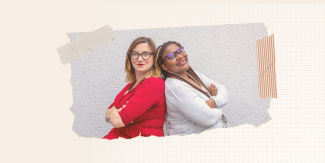
Las dos amigas se llaman a sí mismas las «Triple Cripples» [«Triples Inválidas»] porque, como mujeres discapacitadas negras, se ven sometidas a tres niveles de discriminación. Jay, actualmente de 31 años, contrajo polio cuando era bebé y utiliza una férula y unas muletas como sostén, mientras que Kym, de 25 años, tiene esclerosis múltiple y se moviliza en silla de ruedas. El nombre del dúo surge de un esfuerzo por redefinir la palabra «inválida» que, según ellas, «ha sido un término habitualmente usado contra las personas discapacitadas como injuria, como una forma infalible de recordarnos que estábamos “falladas” y que siempre íbamos a ser “menos que”.»
Como mujeres negras, Kym y Jay han sido víctimas del estereotipo racial globalizado que hipersexualiza la piel oscura. En su libro Heart of the Race: Black Women’s Lives in Britain [Corazón de la raza: las vidas de las mujeres negras en Gran Bretaña], Beverley Bryan, Stella Dadzie y Suzanne Scafe describen cómo las mujeres negras han sido históricamente definidas como un «riesgo de alta promiscuidad» por los doctores, debido a su libido y su fertilidad. Jay explica que «la gente piensa que estoy siempre dispuesta a hacer de todo y cualquier cosa todo el tiempo porque soy una mujer negra». Aunque ambas mujeres han sido sometidas a una intensa fetichización debido a su color de piel, sus discapacidades han confundido a muchas personas. Kym describe así su experiencia como mujer con curvas: «Tengo el tipo de cuerpo que la gente quiere manosear, y les parece que yo debería poder aceptarlo, pero, al mismo tiempo, existe esta idea de que yo no debería tener pretensiones, por mi discapacidad.»
En las plataformas de citas en línea, a Jay le han preguntado si puede realizar ciertas posiciones sexuales, dado que ciertas potenciales parejas «han decidido que quieren estar contigo de este modo y quieren saber si tu corporalidad puede facilitarlo.» Durante una consulta de control, Kym hizo disculparse a unx profesional médicx que, mientras completaba un formulario de admisión, le preguntó cuántas parejas sexuales ha tenido con un tono que implicaba «yo sé que estas preguntas no son aplicables en tu caso, pero tenemos que seguir el proceso estándar del cuestionario.»
El error de pensar que la falta de autonomía física equivale a una falta de deseo sexual es generalizado.
En la escuela, Jay era excluida de las clases de educación sexual, porque se presuponía que estaba incapacitada para tener sexo. Ella explica que incluso las organizaciones bien intencionadas que promueven el acceso a los servicios de salud sexual y reproductiva a menudo no tienen en cuenta las necesidades específicas de las mujeres discapacitadas. Por ejemplo, las píldoras son consideradas con frecuencia un método anticonceptivo efectivo, sin ninguna mención de que pueden agravar los riesgos de coágulos de las mujeres que usan sillas de ruedas.
Con sede en Londres, las Triple Cripples esperaban ansiosamente participar, junto con el equipo Decolonising Contraception [descolonizar la contracepción], en el SexFest2020, un festival de un día organizado para personas de color y dedicado a la salud y el bienestar sexuales. Desafortunadamente, el evento fue cancelado debido a la pandemia del COVID-19. A pesar de ello, sin desanimarse, Jay y Kim se volcaron a sus plataformas de activismo en línea, para oponerse a la forma en que la sexualidad es vista desde una perspectiva estrictamente heteronormativa y para desafiar la idea de que la femineidad está definida por la capacidad de procrear. El dúo inauguró un canal de YouTube y un podcast (también llamado «The Triple Cripples») para promover la representación de las personas discriminadas de múltiples formas como seres humanos holísticos. Sus planes a futuro incluyen un documental creativo y una muestra fotográfica dedicada a luchar contra la discriminación y a difundir las voces de personas de color discapacitadas.
La experiencia de discriminación basada en la raza, el género y la discapacidad es más que acumulativa.
Si bien las mujeres discapacitadas de color comparten experiencias de discriminación por motivos de discapacidad con otras personas discapacitadas, experiencias de sexismo con otras mujeres, y experiencias de racismo con otras personas de color, estas experiencias interactúan y no pueden ser separadas: las mujeres discapacitadas de color experimentan una discriminación singular como mujeres discapacitadas de color.
Si bien las Triple Cripples reconocen que las ideas anticuadas y superficiales sobre la diversidad no se transformarán, como por arte de magia, en espacios inclusivos de un día para otro, siguen confiando en que sus pequeños hachazos finalmente lograrán derribar los grandes robles que las prácticas discriminatorias representan para ellas.
La alegría de aceptarse y crecer al calor de esa luz.

La mujeridad obligatoria es un dispositivo colonial heterocispatriarcal de violencia hacia cuerpos asignados femeninos al nacer. Los cuerpos trans seguimos resistiendo a pesar de la invisibilización y apagamiento histórico. No soy mujer, me asignaron un género a partir de mis genitales.
![“Asignado Nderentendei Al Nacer” [Assigned Nderentendei at Birth] by Bastión Moral](https://web.archive.org/web/20210928161447/https://www.awid.org/sites/default/files/thumbnails/image/web_bastion-nderentendei.png "“Asignado Nderentendei Al Nacer” [Assigned Nderentendei at Birth] by Bastión Moral")
نحن ندرك تمامًا العقبات العملية والضغوط العاطفية المرتبطة بالسفر الدولي، وخاصة من الجنوب العالمي. تعمل جمعية حقوق المرأة في التنمية مع TCEB (مكتب تايلاند للمؤتمرات والمعارض) لدعم المشاركين/ات في المنتدى في الحصول على التأشيرات. سيتم توفير المزيد من المعلومات حول هذه المساعدة للحصول على التأشيرة عند التسجيل، بما في ذلك معلومات الاتصال الخاصة بمكان وكيفية التقديم.
Related content
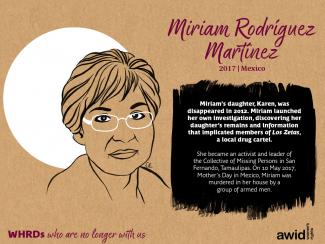
The Guardian: Mexican woman who uncovered cartel murder of daughter shot dead
The Economist: Obituary: Miriam Rodríguez Martínez died on May 10th
New York Times: Gunmen Kill Mexican Activist for Parents of Missing Children
United Nations Human Rights Office of the High Commissioner: Mexico: UN rights experts strongly condemn killing of human rights defender and call for effective measures to tackle impunity