Contenu lié
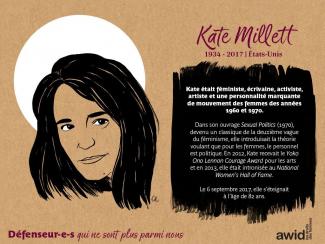
TV5Monde: Kate Millett, décès d'une féministe qui combattait avec caresses et plaisir

Young feminist activists play a critical role in women’s rights organizations and movements worldwide by bringing up new issues that feminists face today. Their strength, creativity and adaptability are vital to the sustainability of feminist organizing.
At the same time, they face specific impediments to their activism such as limited access to funding and support, lack of capacity-building opportunities, and a significant increase of attacks on young women human rights defenders. This creates a lack of visibility that makes more difficult their inclusion and effective participation within women’s rights movements.
AWID’s young feminist activism program was created to make sure the voices of young women are heard and reflected in feminist discourse. We want to ensure that young feminists have better access to funding, capacity-building opportunities and international processes. In addition to supporting young feminists directly, we are also working with women’s rights activists of all ages on practical models and strategies for effective multigenerational organizing.
We want young feminist activists to play a role in decision-making affecting their rights by:
Fostering community and sharing information through the Young Feminist Wire. Recognizing the importance of online media for the work of young feminists, our team launched the Young Feminist Wire in May 2010 to share information, build capacity through online webinars and e-discussions, and encourage community building.
Researching and building knowledge on young feminist activism, to increase the visibility and impact of young feminist activism within and across women’s rights movements and other key actors such as donors.
Promoting more effective multigenerational organizing, exploring better ways to work together.
Supporting young feminists to engage in global development processes such as those within the United Nations
Collaboration across all of AWID’s priority areas, including the Forum, to ensure young feminists’ key contributions, perspectives, needs and activism are reflected in debates, policies and programs affecting them.
Si, quelle qu’en soit la raison, vous souhaitez que votre participation soit annulée et vos réponses supprimées, vous en avez le droit. Merci de nous contacter par le biais de ce formulaire, en indiquant « Enquête WITM (Où est l’argent?) » dans l’objet de votre message. Nous annulerons votre participation et supprimerons vos réponses.
Contenu lié
TV5Monde: Kate Millett, décès d'une féministe qui combattait avec caresses et plaisir
En esta sección se enumeran los principales recursos con los que AWID te recomienda contar para poder realizar la investigación WITM.
En esta sección
Herramientas en línea
Una vez que hayas reunido todos estos recursos, podrás calcular los costos de la investigación utilizando nuestra Planilla «¿Estoy listx?»
If you have any questions or concerns, please contact us via the form here, indicating “WITM Survey” as the title of your message. You can also write to us at witm@awid.org.
EN CHIFFRES
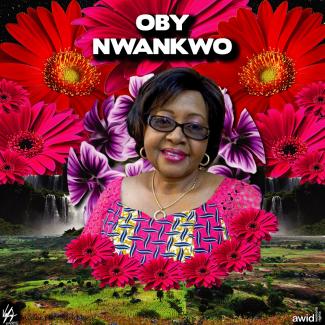
With a legal career spanning more than 30 years, Oby was known across Africa and around the world as a champion for gender justice and human rights.
She founded and served as Executive Director of the Civil Resource Development and Documentation Centre (CIRDDOC), a Nigerian NGO which sponsors trainings and network-building activities for members of civil society, parliamentarians and other key stakeholders to promote human rights, good governance and access to justice and rule of law.
Oby is remembered fondly by activists in Nigeria as an “extraordinary activist who displayed energy and passion towards the fight for gender equality and gender justice in Nigeria and across Africa.”
Las entrevistas generan información en profundidad que no puedes obtener fácilmente de la encuesta. Mientras que la encuesta se centra sobre todo en información cuantificable y preguntas cerradas, las entrevistas son el espacio para las opiniones expertas de activistas y donantes, así como para las preguntas abiertas que pueden poner en contexto los resultados de la encuesta.
En esta sección
- Consejos generales
1. Antes de realizar las entrevistas
2. Durante las entrevistas- Entrevistas especializadas
1. Entrevistas con donantes
2. Entrevistas con organizaciones y activistas por los derechos de las mujeres- Resultados preliminares
Envía una nota conceptual a las personas que vas a entrevistar, explicando tus objetivos para la entrevista y para la investigación en general, así como una lista de preguntas.
Esto les permitirá prepararse para responder a las preguntas más complicadas y buscar información que tal vez no tengan a mano sin previo aviso.
No bases las preguntas en supuestos acerca de lo que saben las personas a las que entrevistas. Por el contrario, averigua primero qué saben, porque eso también te aportará información.
Las entrevistas con donantes te permitirán forjar vínculos más profundos con ellxs, lo que te será útil cuando hagas incidencia una vez concluida la investigación. También te ayudarán a conocer mejor los procesos de toma de decisiones de las financiadoras.
Preguntas sugeridas para las entrevistas con donantes:
Ver ejemplos de entrevistas con donantes
Las entrevistas con organizaciones y activistas por los derechos de las mujeres te ayudarán a conocer mejor las realidades sobre el terreno. También te permitirán profundizar tus vínculos con ellas y luego tal vez integrarlas al trabajo de incidencia, sobre todo para alentar la colaboración entre donantes y activistas.
Temas que sugerimos abordar durante las entrevistas con organizaciones y activistas por los derechos de las mujeres:
Ver ejemplos de entrevistas con organizaciones y activistas por los derechos de las mujeres
Te recomendamos analizar resultados preliminares durante toda la investigación WITM. Presentar los resultados preliminares te da la oportunidad de realizar más entrevistas y escuchar opiniones sobre el proceso de investigación y los resultados iniciales. Esas opiniones las puedes incorporar a la investigación en su formato final.
AWID organiza «reuniones de WITM» durante las que comparte los resultados preliminares de la encuesta y las entrevistas. En estas reuniones, activistas, organizaciones por los derechos de las mujeres y donantes pueden debatir y discutir los resultados, esclarecer el contexto, sentir la investigación como propia y hacer aportes para la versión final de la investigación.
Por ejemplo, en la Cumbre Mundial de la IFP sobre Filantropía Indígena (en inglés), se utilizó el Centro de Movilización de Recursos por los Derechos de las Mujeres Indígenas como espacio para presentar los resultados preliminares.
Ver la presentación de esa reunión (en inglés)
4. Recoge la información y analízala

• 1,5 - 3 meses
• 1 persona (o más) de investigación
• Lista de los donantes, organizaciones y activistas para las encuestas
• Preguntas preparadas
• Documento de Síntesis (que creó en la sección "Prepara el marco")
• Ejemplo de preguntas: Financiadores
• Ejemplo de preguntas: Activistas y organizaciones
4. Recoge la información y analízala
6. Realiza una investigación secundaria
Para partilhar a sua experiência vivida com o financiamento da sua organização;
Laura fue una abogada y líder activista que luchó valientemente por la descriminalización del trabajo sexual en Irlanda.
Es recordada como «una combatiente por la libertad de lxs trabajadorxs sexuales, una feminista, una madre para su hija y una amiga necesaria para mucha gente».
Laura promovió el reconocimiento de las personas de la industria del sexo como trabajadorxs merecedorxs de derechos. Presentó demandas por la descriminalización, e inició una revisión judicial en la Corte Suprema de Belfast respecto de las provisiones que criminalizan la compra de servicios sexuales. Declaró que su intención era llevar el caso a la Corte Europea de Derechos Humanos.

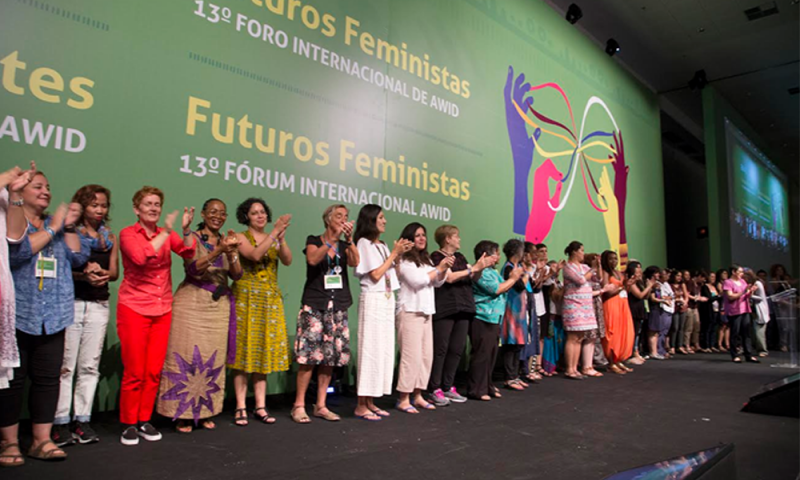
Toute l'équipe de l'AWID vous remercie de nous avoir rejoint pour ces quatre jours d'apprentissage et de célébrations, pour envisager, rêver et co-créer nos Horizons féministes.
Nous avons été incroyablement inspiré-e-s et enthousiasmé-e-s par tout ce travail collectif que nous avons accompli ensemble !
Bonne lecture !
Феминистские движения, движения за права женщин, гендерную справедливость, ЛГБТКИ+ и смежные движения по всему миру переживают критический момент, сталкиваясь с мощной негативной реакцией на ранее завоеванные права и свободы. Последние годы привели к быстрому росту авторитаризма, жестоким репрессиям в отношении гражданского общества и криминализации правозащитниц(-ков) с разнообразной гендерной самоидентификацией, эскалации войн и конфликтов во многих частях света, продолжающейся экономической несправедливости, – и все это на фоне кризиса в области здравоохранения, экологии и климата.
La Cooperativa Textil Nadia Echazú lleva el nombre de una pionera en la lucha por los derechos de las personas trans y travesti en Argentina. En muchos sentidos, el trabajo de la cooperativa celebra la vida y el legado de Nadia Echazú, que tuvo una notable trayectoria activista.
Era una de las cofundadoras de "El Teje", el primer periódico trans de América Latina, junto a Lohana Berkins, Diana Sacayán y Marlene Wayar. Nadia formó parte de la Asociación de Travestis, Transexuales y Transgéneros de Argentina (ATTTA) y fundó la Organización de Travestis y Transexuales de Argentina (OTTRA).
Poco después de su muerte, sus compañeras activistas fundaron la cooperativa en su nombre, para honrar la profunda huella que dejó en el activismo trans y travesti en Argentina.
