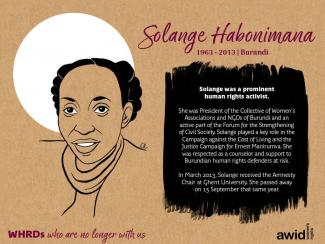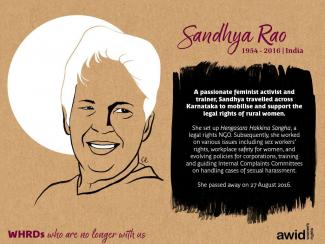
Sandhya Rao

Young feminist activists play a critical role in women’s rights organizations and movements worldwide by bringing up new issues that feminists face today. Their strength, creativity and adaptability are vital to the sustainability of feminist organizing.
At the same time, they face specific impediments to their activism such as limited access to funding and support, lack of capacity-building opportunities, and a significant increase of attacks on young women human rights defenders. This creates a lack of visibility that makes more difficult their inclusion and effective participation within women’s rights movements.
AWID’s young feminist activism program was created to make sure the voices of young women are heard and reflected in feminist discourse. We want to ensure that young feminists have better access to funding, capacity-building opportunities and international processes. In addition to supporting young feminists directly, we are also working with women’s rights activists of all ages on practical models and strategies for effective multigenerational organizing.
We want young feminist activists to play a role in decision-making affecting their rights by:
Fostering community and sharing information through the Young Feminist Wire. Recognizing the importance of online media for the work of young feminists, our team launched the Young Feminist Wire in May 2010 to share information, build capacity through online webinars and e-discussions, and encourage community building.
Researching and building knowledge on young feminist activism, to increase the visibility and impact of young feminist activism within and across women’s rights movements and other key actors such as donors.
Promoting more effective multigenerational organizing, exploring better ways to work together.
Supporting young feminists to engage in global development processes such as those within the United Nations
Collaboration across all of AWID’s priority areas, including the Forum, to ensure young feminists’ key contributions, perspectives, needs and activism are reflected in debates, policies and programs affecting them.
Día 3
La comunicación del deseo
Anfitrionx: Tendemos a pensar en la comunicación del deseo como algo circunscrito a la intimidad de la alcoba y nuestras relaciones personales. Sin embargo, ¿podemos también pensar este tipo de comunicación como una estructura, una práctica que nutre nuestro trabajo, y cómo somos, y cómo actuamos en el mundo?
LindiweCreo que, desafortunadamente, en el pasado expresar tu sexualidad tenía sus limitaciones. Se te permitía expresarla dentro de los confines del matrimonio, lo cual estaba permitido; siempre el tabú y el estigma estuvieron asociados a todo intento de expresarla de una forma distinta. Cuando se trata de comunicar, obviamente, el hecho de que ciertos estigmas se asocien a la expresión de tu sexualidad o la expresión de tu deseo hace mucho más difícil comunicar eso en la alcoba o en la intimidad con tu pareja. Desde mi experiencia personal creo que, obviamente, si me siento más cómoda expresándome fuera de la alcoba acerca de otros asuntos u otros temas, para mí es más fácil construir esa confianza, porque comprendes la resolución de conflictos con esa persona en particular, comprendes exactamente qué hacer para que esa comunicación sea especial para esa persona en particular. No es fácil. Se hace constantemente en todo tipo de relación, ya sea la pareja, algo casual o solo un momento. Pero creo que la confianza en el afuera puede traducirse definitivamente en cómo comunicas tu deseo.
Manal
Desde la infancia, a una mujer se la cría con eso de: «no tienes permiso para hablar de tu cuerpo, no tienes permiso para hablar de tu deseo», lo que hace recaer una enorme responsabilidad en las mujeres, sobre todo en las niñas en su adolescencia, cuando necesitan expresarse y hablar de estos temas. Por lo tanto, en mi opinión, este es un gran problema. ¿Sabes? Llevo casada más de 25 años, pero todavía, hasta el día de hoy, no puedo hablar de mis deseos. No puedo decir lo que quiero o prefiero, porque es como si no tuviera permitido cruzar esa línea. Es como un pecado, a pesar de ser mi derecho. Lo mismo sucede con todas mis amigas, no pueden expresarse de forma correcta.
Louise
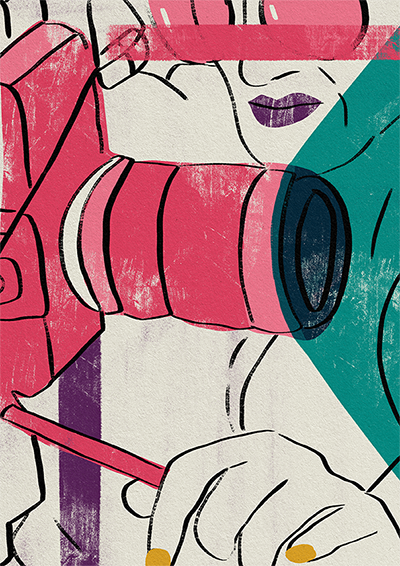
Personalmente creo que expresar nuestros deseos, mis deseos, sea como sea que se expresen, tiene que ver con la otra persona y la mirada que esa otra persona tenga sobre mí. Así que esto también es algo que podemos vincularlo con el cine. Y la mirada que tenga sobre mí misma también: lo que creo que soy como persona, pero también lo que la sociedad espera de mí y mi sexualidad. En el pasado, de algún modo, solía establecer una analogía entre lo que sucede en la alcoba y lo que sucede en el lugar de trabajo, porque a veces se da esta dinámica de poder, lo quiera o no. Y a menudo, la comunicación verbal es más difícil de lo que pensamos. Pero cuando se trata de representarlo en el cine, es un juego absolutamente distinto. Estamos muy lejos de lo que supongo que a todxs lxs presentes nos gustaría ver en la pantalla cuando se trata de comunicar deseos sexuales dentro y fuera de la alcoba.
Anfitrionx: Podemos pensar en el mundo digital como hecho cuerpo: aunque sea virtual, no es menos real. Y eso quedó claro en el contexto del festival de las Realidades Feministas de AWID, el cual se celebró íntegramente en línea. Entonces, ¿qué implica hablar de sexualidad de forma colectiva, política, en los espacios en línea? ¿Navegamos por los espacios virtuales con nuestros cuerpos y afectos y, en dicho caso, cuáles son las distintas consideraciones en juego? ¿Qué implica para la comunicación y la representación?

LindiweLas redes sociales te hacen sentir en comunidad. Cuando expresas lo que quieres o lo que te agrada, habrá alguien que va a estar de acuerdo o en desacuerdo, pero quienes concuerdan contigo te hacen sentir que perteneces a una comunidad. Así que es más fácil lanzarlo al universo, o que otras personas lo vean, y potencialmente que no se te juzguen tanto. Y digo esto muy libremente porque a veces, según lo que expreses, serás humilladx o aprobadx. Pero cuando se trata de la alcoba, hay una intimidad y casi una vulnerabilidad que te expone a ti y a diferentes partes tuyas sobre las cuales no es fácil opinar. Cuando se trata de expresar tu deseo, hablarlo y manifestarlo y, quizás crear un tuit o un posteo en una red social, o incluso darle un «me gusta» y leer a otras comunidades con ideas afines, eso es más fácil que decirle a tu pareja, «así es como quiero recibir placer» o «así quiero que hagas ahora», debido al temor al rechazo. Pero no es eso únicamente. Sólo el aspecto de la vulnerabilidad – permitirte desnudarte a tal punto que la otra persona vea lo que estás pensando, sintiendo, deseando –, creo que es ahí donde radica la diferencia. Siento que en las redes sociales hay más comunidad y es más fácil involucrarse en conversaciones. Mientras que en la habitación, no quieres arruinar el momento necesariamente. Pero creo que eso, en cierta forma, te ayuda a comprender, según la relación con la persona, cómo te relacionarías de allí en más. Así que siempre sé que si intento comunicar algo y no lo logro en el momento, siempre puedo mencionarlo fuera de ese momento y ver cuál sería la reacción para saber cómo abordarlo en el futuro.
Louise¿Sabes? La cuestión con las películas es que no sé si la mirada masculina es intencionada o no. En verdad no lo sabemos. Lo que sí sabemos es la razón por la que la sexualidad en general ha sido tan heteronormativa y se ha centrado en la penetración, y por qué a las mujeres no se les da ningún espacio para realmente pedir algo en el cine: es porque la mayoría de la gente que ha trabajado en esta industria y tomado decisiones en cuanto a, ya sabes, la narración y la edición, han sido varones blancos. La venganza por violación es este género cinematográfico tan extraño que nació en la década de 1970, en donde la mitad de la historia sería sobre una mujer que fue violada por una o varias personas y, en la otra mitad, ella busca vengarse. Generalmente la mujer asesinará y matará a la persona que la violó y, en algunos casos, a otras personas cercanas al violador. Cuando este género comenzaba a surgir y, durante 30 años como mínimo, los varones eran quienes escribían, producían y dirigían esas películas. Por eso también buscamos tanto la representación. Muchxs feministas y pionerxs en la cinematografía queer también usaron el acto de filmar para hacerlo y reivindicar su propia sexualidad. Se me viene a la mente Barbara Hammer, una pionera queer y feminista del cine experimental de los Estados Unidos, que decidió filmar a mujeres teniendo sexo en 16mm., y, al hacerlo, reclamó un espacio dentro de la narrativa que se exhibía en el cine en aquel momento. Y también está el tema de la invisibilización: ahora sabemos, por Internet y el intercambio de conocimientos, que cineastas mujeres y queer vienen intentando y filmando desde los inicios del cine. Recién ahora nos damos cuenta porque tenemos acceso a bases de datos y al trabajo de activistas y curadorxs y cineastas.
Anfitrionx: Y esto abre la conversación sobre la importancia de mantener vivas las historias feministas. Los mundos en línea también han desempeñado un rol crucial en la documentación de las protestas y las resistencias. Desde Sudán hasta Palestina, pasando por Colombia, los feminismos han tomado nuestras pantallas por asalto y desafiado las realidades de la ocupación, el capitalismo y la opresión. Entonces, ¿podemos hablar de la comunicación del deseo, del deseo de algo más, como la descolonización?
ManalQuizás porque en mi pueblo hay apenas 600 habitantes y es una única familia – la Tamimi – no hay barreras entre varones y mujeres. Hacemos todo de manera conjunta. Entonces, cuando comenzamos nuestra resistencia no violenta o cuando nos unimos a la resistencia no violenta en Palestina, nadie discutió si las mujeres debían participar o no. Asumimos un papel muy importante en el movimiento aquí en el pueblo. Pero cuando otros pueblos u otros lugares comenzaron a sumarse a nuestras protestas semanales, algunos hombres pensaban que, si estas mujeres participaban o se unían a las manifestaciones, ellas lucharían con los soldados y entonces serían mujeres fáciles. Algunos hombres que no eran del pueblo intentaron acosar sexualmente a las mujeres. Pero una mujer fuerte que es capaz de enfrentar a un soldado puede también confrontar el acoso sexual. En ocasiones, cuando otras mujeres de otros lugares se suman a nuestra protesta, en un principio son tímidas; no se quieren acercar porque hay muchos hombres. Si quieres participar en la protesta, si quieres ser parte del movimiento no violento, tienes que quitarte todas esas restricciones y todas esas ideas de la cabeza. Tienes que enfocarte simplemente en luchar por tus derechos. Desafortunadamente, la ocupación israelí conoce todo esto. Por ejemplo, la primera vez que me arrestaron, tenía puesta la hijab, entonces intentaron quitármela, intentaron sacarme la ropa, frente a todo el mundo. Había entre 300 y 400 personas y lo intentaron. Cuando me llevaron para interrogarme, el interrogador dijo: «lo hicimos para castigar a otras mujeres a través suyo. Conocemos su cultura». Yo le respondí: «No me importa, creo en lo que hice. Aun si me quitaran toda la ropa, todo el mundo sabe que Manal está resistiendo».
LindiwePienso que incluso desde una perspectiva cultural, lo cual es muy irónico, si observas la cultura en África, antes de ser colonizada, se ve que mostrar la piel no era un problema. Usar piel animal o cuero para protegerte, no era ningún problema y la gente no estaba sexualizada salvo que se diera en un contexto determinado. Pero nos hemos condicionado a decir «deberías cubrirte» y cuando no te cubres, quedas expuesta y, por lo tanto, estarás sexualizada. La desnudez se sexualiza en lugar de estar simplemente desnuda; no quieres que a una niña pequeña la vean desnuda. ¿Qué tipo de sociedad nos hemos condicionado a ser si vamos a sexualizar a alguien que está desnudx fuera del contexto del vínculo sexual? Pero el entorno definitivamente juega un papel importante, porque tu madre y tu padre y tus abuelas y abuelos y tías y tíos dicen «no, no te vistas de manera inapropiada», o «no, eso es muy corto». Entonces, primero escuchas todo eso en el hogar, y luego, en el momento en que te expones al exterior, según el entorno, ya sea eurocéntrico o más occidentalizado que el que estás acostumbrada, entonces eres un poco libre de hacerlo. E incluso entonces, por más libre que seas, eso trae consigo muchas otras cuestiones en términos de abucheos y la gente que todavía sexualiza tu cuerpo. Puedes vestir una falda corta, y alguien se siente con derecho de tocarte sin tu permiso. Hay tanto asociado a la regulación y el control sobre el cuerpo de las mujeres, y la narrativa comienza en casa. Y luego sales a la comunidad, a la sociedad, y la narrativa se perpetúa, y te das cuenta de que la sociedad te sexualiza en general, sobre todo si eres una persona de color.

Anfitrionx: Por último, ¿cómo puede nuestra resistencia traspasar lo que está permitido? ¿Hay un lugar para el placer y el gozo para nosotrxs y nuestras comunidades?
LouiseEncontrar placer en la resistencia y resistencia en el placer; en primer lugar, para mí está la idea del cine de guerrilla o el acto de filmar cuando se supone que no deberías o cuando alguien te dijo que no lo hagas, lo cual es el caso de muchas realizadoras, incluidas lxs realizadorxs queer, en el mundo de hoy. Por ejemplo, en el Líbano, que es un terreno cinematográfico que conozco muy bien, la mayoría de las historias de lesbianas que he visto las han rodado estudiantes en formatos muy cortos «sin valor de producción», como se diría en Occidente: sin dinero, debido a la censura en el ámbito institucional, pero también en la esfera familiar y privada. Creo que filmar lo que sea, pero también filmar el placer y el placer en la narrativa lesbiana, es un acto de resistencia en sí mismo. Muchas veces, tan solo tomar una cámara y conseguir que alguien edite y que alguien interprete es sumamente difícil y requiere de mucha convicción política.
LindiweTengo un grupo de apoyo para casos de violación. Intento asistir a las mujeres para que se restablezcan desde una perspectiva sexual: si quieren volver a tener intimidad, que los traumas del pasado no influyan a la hora de seguir adelante. No es fácil, pero es individual. Por eso siempre comienzo por comprender el cuerpo. Creo que cuanto más lo comprendes y lo amas y más orgullo sientes por él, serás mucho más capaz de recibir a alguien en ese espacio. Lo denomino entrenamiento en la sensualidad, donde hago que comiencen a verse a sí mismas no como objetos sexuales, sino como objetos de placer y deseo que pueden ser intercambiables. De ese modo eres tan digna de recibir como de dar. Pero no solo desde un punto de vista psicológico, también es físico. Cuando sales de la ducha, sales de la tina, y te pasas loción por el cuerpo, miras cada parte de tu cuerpo, sientes cada parte de tu cuerpo, sabes cuando hay cambios, conoces tu cuerpo tan bien que si te sale un grano nuevo en la rodilla, eres tan consciente de ello porque hasta hace unas horas no lo tenías. Con este tipo de cosas intento hacer que las personas se amen a sí mismas desde su interior, se sientan que son dignas de recibir amor en un espacio seguro, así las guío hacia la reivindicación de su sexualidad y su deseo.
Manal
¿Sabes? Comenzamos a ver mujeres de Nablus, de Jerusalén, de Ramallah, incluso de las 48 zonas ocupadas, que tienen que conducir entre tres y cuatro horas solo para sumarse a las protestas. Luego intentamos ir a otros lugares, hablar con las mujeres, decirles que no sean tímidas, que simplemente tienen que creer en sí mismas y que no hay nada de malo en lo que estamos haciendo. Puedes protegerte, entonces, ¿qué tiene de malo participar o sumarte? Cuando les pregunté a algunas de ellas por qué se habían sumado, respondieron, «si las mujeres Tamimi pueden, nosotras también». Con toda honestidad, escuchar esa respuesta me hizo muy feliz porque éramos una especie de modelo para otras mujeres. Si tengo que defender mis derechos, deberían ser todos mis derechos, no apenas uno o dos. Los derechos no se dividen.

¿Cuánto sabes sobre financiamiento feminista? 📊 Pon a prueba tu conocimiento sobre la movilización de recursos para el financiamiento de la organización feminista, respondiendo al cuestionario "¿Dónde está el dinero?":
Completa el quiz en línea Descarga la versión para imprimir
Queremos expresar nuestro más sincero agradecimiento a todos los diversos grupos, colectivos y organizaciones feministas de todo el mundo que respondieron a la encuesta WITM. Su participación y sus puntos de vista han sido inestimables y enriquecerán enormemente nuestra comprensión colectiva de los recursos feministas a nivel mundial.
نصدر النسخة هذه من المجلة بالشراكة مع «كحل: مجلة لأبحاث الجسد والجندر»، وسنستكشف عبرها الحلول والاقتراحات وأنواع الواقع النسوية لتغيير عالمنا الحالي وكذلك أجسادنا وجنسانياتنا.


Pour rendre visible la diversité des formes de financement de l’organisation des mouvements féministes.
Photos by Mariam Mekiwi
Costume design and modeling by El Nemrah