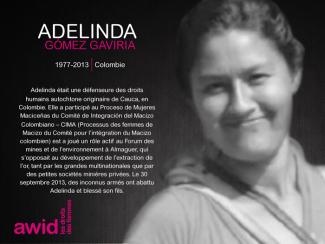
Adelinda Gomez

Over the past few years, a troubling new trend at the international human rights level is being observed, where discourses on ‘protecting the family’ are being employed to defend violations committed against family members, to bolster and justify impunity, and to restrict equal rights within and to family life.
The campaign to "Protect the Family" is driven by ultra-conservative efforts to impose "traditional" and patriarchal interpretations of the family, and to move rights out of the hands of family members and into the institution of ‘the family’.
Since 2014, a group of states have been operating as a bloc in human rights spaces under the name “Group of Friends of the Family”, and resolutions on “Protection of the Family” have been successfully passed every year since 2014.
This agenda has spread beyond the Human Rights Council. We have seen regressive language on “the family” being introduced at the Commission on the Status of Women, and attempts made to introduce it in negotiations on the Sustainable Development Goals.
AWID works with partners and allies to jointly resist “Protection of the Family” and other regressive agendas, and to uphold the universality of human rights.
In response to the increased influence of regressive actors in human rights spaces, AWID joined allies to form the Observatory on the Universality of Rights (OURs). OURs is a collaborative project that monitors, analyzes, and shares information on anti-rights initiatives like “Protection of the Family”.
Rights at Risk, the first OURs report, charts a map of the actors making up the global anti-rights lobby, identifies their key discourses and strategies, and the effect they are having on our human rights.
The report outlines “Protection of the Family” as an agenda that has fostered collaboration across a broad range of regressive actors at the UN. It describes it as: “a strategic framework that houses “multiple patriarchal and anti-rights positions, where the framework, in turn, aims to justify and institutionalize these positions.”
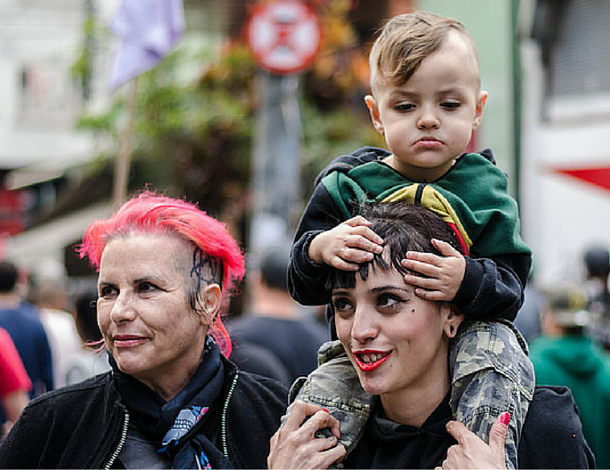
We celebrate everyone's right to choose their identities, relationships, goals, work, dreams and pleasures, and what they do with their mind, body and spirit. We believe in working towards access to resources, information and safe and enabling environments that allow this to happen.
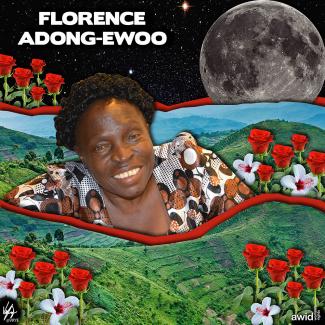
Florence était une militante des droits des personnes handicapées qui travaillait avec plusieurs organisations de femmes handicapées en Ouganda.
Elle a également occupé le poste de présidente de l’Association des femmes handicapées du district de Lira, ainsi que du caucus des conseillères du district de Lira. Formée en tant que conseillère pour personnes handicapées et parents d'enfants handicapés, elle a soutenu de nombreux projets appelant à une plus grande représentation des personnes handicapées.
Elle est morte dans un accident de moto.
Tendo em conta que o inquérito WITM foca-se nas realidades do financiamento de organizações feministas, a maioria das perguntas aborda o tópico do financiamento do seu grupo entre 2021-2023. Será preciso ter essas informações facilmente acessíveis para preencher o inquérito (por exemplo, os seus orçamentos anuais e as principais fontes de financiamento).
Eni Lestari is an Indonesian domestic worker in Hong Kong and a migrant rights activist. After escaping her abusive employer, she transformed herself from a victim into an organizer for domestic workers in particular, and migrant workers in general. In 2000, she founded the Association of Indonesian Migrant Workers (ATKI-Hong Kong) which later expanded to Macau, Taiwan, and Indonesia. She was the coordinator and the one of the spokesperson of the Asia Migrants Coordinating Body (AMCB) - an alliance of grassroots migrants organisations in Hong Kong coming from Indonesia, Philippines, Thailand, Nepal and Sri Lanka. She is also the current chairperson of International Migrants Alliance, the first-ever global alliance of grassroots migrants, immigrants, refugees, and other displaced people.
She has held important positions in various organizations including and current Regional Council member of Asia Pacific Forum on Women, Law and Development (APWLD), former Board Member of Global Alliance Against Traffic in Women (GAATW), spokesperson for Network of Indonesian Migrant Workers (JBMI), advisor for ATKI-Hong Kong and Macau as well as the Association of Returned Migrants and Families in Indonesia (KABAR BUMI). She has been an active resource person in forums organized by academics, interfaith groups, civil societies, trade unions and many others at national, regional, and international arenas.
She has actively participated in United Nations assemblies/conferences on development and migrants’ rights and was chosen as a speaker at the opening of the UN General Assembly on Large Movement of Migrants and Refugees in 2016 in New York City, USA. She received nominations and awards such as Inspirational Women by BBC 100 Women, Public Hero Award by RCTI, Indonesian Club Award, and Non-Profit Leader of Women of Influence by American Chamber Hong Kong, and Changemaker of Cathay Pacific.
Por Alejandra Laprea
Que difícil condensar la potencia y diversidad de voces que se levantan en América Latina para contar las otras realidades que se gestan en este vasto territorio, las realidades feministas que construimos desde el movimiento y las organizaciones populares.
Por mucho tiempo traté de establecer parámetros para la búsqueda y selección de esas películas que les permitieran a ustedes asomarse un poco a tantos sueños y proyectos que se materializan de a poco en los territorios Nuestroamericanos, como nos gusta llamarnos. Fue un trabajo arduo que pasó por intentar establecer parámetros como presencia geográfica, justicia lingüística, representación de la diversidad de pueblos: indios, afrodescendientes, migrantes y la multiplicidad de banderas y luchas que se levantan desde todas esas voces. Llegué a la conclusión de que construir ese compilado era un trabajo de años, uno de esos proyectos de perpetua construcción.
Para esta muestra me incliné por buscar trabajos que nacieran de la organización y de la militancia así como realizaciones que son quizá las iniciadoras de grandes debates que aún nos quedan por dar.
En esta selección de películas encontrarán las voces de realizadoras que no solo se contentan con plasmar las realidades feministas que palpitan en cada rincón de este vasto y diverso territorio sino también trabajos que desde su gestación misma están cuestionando el para qué, quién y cómo se hace cine o audiovisual. Que entienden al cine como una herramienta de lucha, como algo más que imágenes que se disfrutan en una pantalla. Realizadoras o colectivos de realización que ven al cine y al audiovisual como instrumentos para potenciar una discusión o abrir un debate; en fin, como un recurso para la pedagogía popular y feminista.
Es así que esta pequeña muestra es un viaje por realidades feministas en dos niveles; por un lado el de las historias que verán y por otro el de las cineastas que están buscando, experimentando, creando otras realidades feministas en las formas de hacer audiovisual y de contar las historias.
Disfruten este viaje por películas que Resisten, Crean y Transforman.
Dirección: Giovana García Soto
Docu-ficción
Español con subtítulos Inglés
En Lima is Burning tenemos un trabajo que juega con la ficción y el documental para introducirnos en la vida de Gía, una persona de género no binario, que utiliza el arte del performance como herramienta de transgresión y denuncia, como un manifiesto vital contra la transfobia en todos los espacios. incluso en ámbitos gays. Con Gia también nos asomamos al transfeminismo una comunidad segura en la que Gia se siente acogida y con la que comparte sentires y querencias.
Giovana Garcia Sojo joven Productora visual/audiovisual peruana. Especializada en producción de bajo presupuesto, creación para infancias y adolescencias en la cinematografía y guión cinematográfico por la Escuela Internacional de Cine y Tv – EICTV en San Antonio de Baños – Cuba. Giovana ha desarrollado su desarrollo como cineasta en las mujeres y las identidades feminizadas, Lima is Burning es uno de sus primeros trabajos
Dirección Patricia Ortega
Ficción
Títulos en Inglés
Patricia Ortega, directora de «Yo Imposible», explora a través de Ariel — una joven cuya intersexualidad fue violentada quirúrgicamente cuando niñe — las múltiples formas en que se intenta normalizar la diversidad sexual y de género.
La película nos narra cómo Ariel descubre que nació intersexual y que fue sometida a varias cirugías de normalización de sus genitales. Este descubrimiento enfrenta al personaje al redescubrimiento de su cuerpo y la reconstrucción de su identidad y a quienes miramos el film al cuestionamiento de una sociedad dominada por la heteronormatividad que invisibiliza a otres y les condena a la infelicidad.
Patricia Ortega, cineasta venezolana residenciada en Argentina, estudió en la Escuela Internacional de Cine y Televisión de Cuba, especializándose en dirección de cine. Patricia aborda desde la ficción situaciones límites por las que pasan las mujeres o los cuerpos feminizados y cómo se sobreponen a ellas.
«Yo Imposible» es una postura ante la concepción de un mundo concebido solo desde lo masculino y lo femenino que hace invisible a otres. «No están enfermos. Solo son genéticamente diferentes. Se les intervienen sus genitales y sus cuerpos a través de hormonas sin pedirles permiso, siendo una violación a los derechos humanos y a su identidad, buscando que encajen en los cánones establecidos». - Patricia Ortega
Dirección: Maria Torrellas Liebana
Documental
Títulos en inglés
María Torrellas nos narra la revolución cubana a través de las mujeres que le dieron vida: Vilma Espín, Celia Sánchez y Haydee Santamaría, entre otras. Pero contar la revolución cubana para las mujeres no puede quedar solo en el pasado, es una lucha cotidiana que Torrellas muestra a través de las voces de campesinas, profesionales, estudiantes y obreras cubanas del presente. En «Cubanas, mujeres en revolución» encontramos los retos actuales de las cubanas frente a prejuicios que perduran, nuevas formas de violencia y el desafío constante por crear nuevas realidades feministas para ellas y quienes vienen después de ellas en un territorio asediado desde hace más de setenta años por el imperialismo norteamericano.
María Torrellas es comunicadora y documentalista. Cuenta con una larga trayectoria fílmica y ha obtenido, entre otros, el premio Santiago Álvarez in Memoriam por su documental «Memoria de una hija de Oshun».
«En el documental he querido hilvanar las luchas de las heroínas de ayer con las mujeres actuales. Son historias contadas por ellas mismas en las que también describen a aquellas luchadoras que más admiran. Me impresionó escuchar de ellas: ‘La Revolución nos ha dado todo’ o ‘¿Qué sería de mi familia sin la Revolución?’, en la voz de compañeras de origen humilde, campesino o negras». - María Torrellas
Gabriela Arnal y Marzel Ávila para Fondo de Acción Urgente - LAC
Ecuador 2019
Títulos en Inglés
CUIDANDERAS, junta las palabras ‘cuidar’ y ‘curanderas’ es una síntesis de lo que son una serie de mujeres en Latinoamérica en sus territorios: mujeres que ponen el cuerpo y toda su energía para la protección de los Comunes, de lo que nos ofrece la Pachamama con el compromiso de que lo usemos tan sabiamente como el resto de los seres vivos. Esta mini serie de documentales nos presenta las historias de tres colectivos de mujeres latinoamericanas, comprometidas con cuidar sus territorios, curar sus cuerpos y enfrentar los modelos extractivistas y racistas en Ecuador, Colombia y Bolivia.
Provincia de Orellana, Ecuador. Las mujeres Waorani sostienen hace siglos una lucha por su territorio amazónico y por la preservación de su cultura indígena. En la actualidad hacen frente a las amenazas de la industria petrolera y su modelo de producción de muerte. Desde la selva, líderes pertenecientes a la Asociación de Mujeres Waorani de la Amazonía Ecuatoriana (AMWAE), relatan la motivación detrás de su resistencia y muestran su más grande poder: su alegría inagotable.
Buenaventura, Colombia. En el puerto más grande y violento de Colombia, azotado por décadas de conflicto armado, racismo y machismo, un grupo de mujeres se niegan a sucumbir ante el miedo y resisten a pesar de las adversidades. La Red Mariposas de Alas Nuevas reúne a mujeres negras de la costa pacífica colombiana, que trabajan juntas para proteger su territorio, recuperar sus tradiciones ancestrales y sanar las heridas de esta violencia sistemática y estructural.
El cuidado y la protección del cuerpo-tierra-territorio es el llamado de indígenas, campesinas y regantes (encargadas del riego de agua) en Bolivia frente a un modelo extractivo que atenta contra sus vidas, su salud, su integridad física y sexual, la pervivencia de sus comunidades y territorios. La Red de Defensoras de la Madre Tierra ha reunido mujeres de 12 comunidades originarias para defender el derecho al agua y denunciar las violaciones de derechos humanos y derechos de la naturaleza por parte de las empresas extractivas, a la vez que recuperan sus saberes y prácticas ancestrales de cuidado colectivo.
«CUIDANDERAS, una palabra que junta “cuidadoras” y “curanderas”, presenta historias de mujeres defensoras latinoamericanas, dedicadas a cuidar sus territorios y curar sus cuerpos. La fuerza colectiva de estas mujeres, ha cambiado la historia de sus comunidades en Ecuador, Colombia y Bolivia, enfrentadas a modelos extractivistas y racistas.»
Dirección Carolina Reynoso
Argentina 2013
Español
Si algo ha marcado las luchas feministas en América latina es el grito de todo el continente por aborto libre, seguro y gratuito. De norte a sur los movimientos feministas se levantan y toman las calles luchando por la liberación de nuestro primer territorio: nuestros cuerpos. Es así que tener en esta muestra un documental sobre el aborto es indispensable para entender la potencia de las mujeres nuestramericanas.
«Yo aborto, Tu Abortas, Todxs Callamos» nos presenta las historias de siete mujeres, incluída la directora del documental, provenientes de distintas clases socioculturales que reflexionan sobre una problemática que todas vivieron en sus cuerpos: el aborto clandestino.
A través de sus testimonios se intenta derribar mitos en relación a la interrupción voluntaria del embarazo, desestigmatizar el tema y renovar la mirada sobre una de las violencias más cotidianas en las Américas.
Directora, investigadora y productora de cine feminista. A su vez, es militante feminista, realiza talleres de creación de guión con perspectiva de género para generar mas películas que muestren otras realidades e historias contrahegemónicas. Carolina Reynoso conjuga equilibradamente militancia y creación en cada una de sus obras.
«Somos un grupo de realizadorxs audiovisuales que realizamos un documental para seguir luchando por lograr que el aborto sea libre, seguro y gratuito en Argentina. El film trata sobre los testimonios de siete mujeres, incluida la directora del documental, provenientes de distintas clases socioculturales que reflexionan sobre una problemática que todas vivieron en sus cuerpos: el aborto clandestino.» El equipo de realización
Nosotras Audiovisuales, colectiva de cineastas chilenas
Chile 2020
Enlace al micro documental:
Español
«Historias Urgentes» es una serie creada por mujeres para visibilizar necesidades y vivencias de importancia para la población de los territorios que conforman el Chile actual. Esta serie audiovisual nace para mantener viva la llama que encendió la revuelta social en octubre de 2019 del Chile diverso que despertó y dijo basta.
«Resistencia en ollas comunes» es la primera de estas “«Historias Urgentes» y nos muestra desde las voces de cuatro mujeres de Iquique, Valparaíso, Chillán y Santiago cómo desde los cuidados están en la primera línea de resistencia creando otras realidades feministas para ellas y las comunidades donde habitan las mujeres latinoamericanas.
Nosotras audiovisuales
Organización que surge en el 2017 y agrupa a mujeres vinculadas al audiovisual chileno desde la necesidad de conectar a las mujeres que trabajan en el mundo audiovisual. Es así que impulsa redes de trabajo, espacios de colaboración e información para mujeres del audiovisual, sus trabajos y puntos de vista sobre el campo laboral .
Nosotras Audiovisuales se suma a la revuelta en Chile desde el registro y la generación de materiales de creación colectiva.
Micol Metzner
Argentina 2019
Castellano
A partir de su experiencia personal la directora Micol Metzner presenta un trabajo que mezcla el documental y la ficción, con su voz como realizadora comprometida con la de miles de mujeres que son víctimas de la trata en el continente y finalmente muestra cómo la solidaridad entre las mujeres es la mejor protección.
Realizadora audiovisual, formada en el Instituto de Arte Cinematográfico de Avellaneda. Directora de Arte y montajista. Forma parte del Cluster audiovisual de la Ciudad de Buenos Aires, espacio comunitario y cooperativo multisectorial para llevar a cabo proyectos independientes.
Es docente de talleres de cine en barrios y dentro de contextos de encierro (Institutos de menores y cárceles de mujeres). Forma parte de la productora audiovisual MVM.
«La productora MVM nació de esa importancia de poder expresar un montón de cosas que habitualmente manifestamos en las calles y también poder hacerlo de una manera creativa desde el dibujo, el audiovisual, la fotografía. La productora MVM es un lugar de investigación del lenguaje, lo gráfico, el audiovisual desde el feminismo. Es también un lugar para la catarsis de todo lo que vivimos y para generar a partir del arte cosas a veces para sanar, a veces para generar espacios para el debate como sucede con el corto. .. No me imaginé que iba a suceder eso, pero cuando se presenta el corto salen un montón de cosas, se generan charlas que son mucho más enriquecedoras que el corto en sí, entonces que eso pueda provocarse a partir de lo que realizamos está buenísimo...» - Micol Metzner
Facebook: @AWIDWomensRights
Instagram: @awidwomensrights
Twitter ENG: @awid
Twitter ES: @awid_es
Twitter FR: @awid_fr
LinkedIn: Association for Women's Rights in Development (AWID)
Al unirme a AWID, espero poder ayudar a la movilización del movimiento feminista. No solo para las mujeres privilegiadas, sino para TODAS las mujeres y activistas feministas.- Angelina Mootoo, feminista interseccional y caribeña, Guyana/EEUU

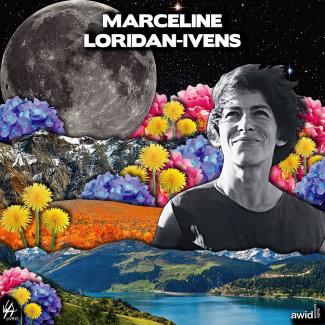
Born in 1928, Marceline worked as an actress, a screenwriter, and a director.
She directed The Birch-Tree Meadow in 2003, starring Anouk Aimee, as well as several other documentaries. She was also a holocaust survivor. She was just fifteen when she and her father were both arrested and sent to Nazi concentration camps. The three kilometres between her father in Auschwitz and herself in Birkenau were an insurmountable distance, which she writes about in one of her seminal novels “But You Did Not Come Back.”
In talking about her work, she once said: "All I can say is that everything I can write, everything I can unveil — it's my task to do it.”
أكيد. سيتم محي اجوبتك بعد عملية معالجة المعطيات وتحليلها وسيتم استعمالها لأهداف بحثية فقط. لن تتم أبداً مشاركة المعطيات خارج AWID وسيتم معالجتها فقط عن طريق طاقم AWID والمستشارات/ين اللواتي/ اللذين يعملن/وا في مشروع "أين المال" معنا. خصوصيتكم/ن وسرّيتكم/ن هي في أعلى سلم أولوياتنا. سياسة الخصوصية متواجدة هنا.
Caroline a travaillé régulièrement pour l'AWID, organisant auparavant les forums de 2005 et 2008 à Bangkok et au Cap, et à travers d'autres fonctions au sein de l'organisation. Avant de rejoindre l'AWID, elle a enseigné l'anglais en licence, puis a quitté l’université pour diriger le Reel Asian International festival de film de Toronto et travailler sur d'autres projets. Plus récemment, elle a occupé le poste de responsable des opérations chez Spring Strategies. En dehors du travail, Caroline se retrouve généralement dans son jardin, communiant avec ses chères plantes et faisant la paix avec les insectes et les rongeurs qui s’invitent.
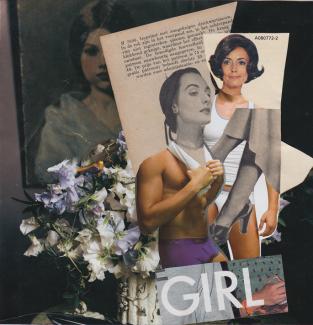
Bunga ou fleur en francais est un symbole qui est souvent associé aux femmes en Indonésie. Ce qui signifie qu'une fleur peut également être associée aux femmes transgenres. Parce que les femmes transgenres sont des femmes. Aussi belles, aussi fortes, l’une comme l’autre a vécu sans attendre d'être "cueillie", mais en grandissant, en s'épanouissant et en mourant à sa guise. Cette œuvre est un hommage à mes ami·e·s transgenres à l'occasion de la Journée Internationale de la Visibilité des Personnes Transgenres.

Vous avez des questions concernant le Forum de l’AWID ou les activités connexes ? Nous avons des réponses !
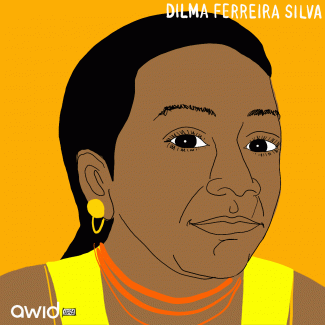
She herself was among the 32,000 people displaced by the Tucuruí, a mega-hydroelectric power plant, built in Brazil during the 1964-1985 military dictatorship.
In 2005 Dilma was invited to join the Movement of Dam-Affected Peoples in Brazil (MAB), and in 2006 she formed the women’s collective, eventually becoming regional coordinator of the movement.
In speaking about her activism, her colleagues commented:
“She stood out very fast because she was always very fearless in the struggle.”
Dilma lived in the rural settlement of Salvador Allende,50 kilometers from Tucuruí, and dedicated her life to better protect communities and the land affected by the construction of mega projects. She was especially concerned with the gendered impacts of such projects and advocated for women’s rights.
At a national MAB meeting in 2011, Dilma spoke to women affected by the dams, saying:
“We are the real Marias, warriors, fighters who are there, facing the challenge of daily struggle”.
In the following years, Dilma organized grassroots MAD groups and worked with the community to form farming cooperatives that created a better distribution of food for the community. They improved the commercialization of fishing, and developed a cistern project for safe drinking water. She was also an advocate for farmers whose lands were being coveted by ‘grileiros’ (land grabbers).
On 22nd March 2019, at the age of 48, Dilma, her husband and their friend were all brutally murdered. The three killings came as part of a wave of violence in the Amazon against the Movimento dos Trabalhadores Sem Terra (translates as ‘landless workers’ movement’), environmental and indigenous activists.
Опрос будет доступен до конца августа 2024 года. Пожалуйста, заполните его в течение этого срока, чтобы ваши ответы были включены в анализ.
Brenda Salas Neves is a feminist queer strategist born and raised in the southern Andes. They organize to shift narratives and mobilize resources to support racial and climate justice movements around the world. They have produced media projects to uplift migrant power and rise against U.S. military intervention across Latin America, with Deep Dish TV and the Portland Central America Solidarity Committee. They are a proud member of the Audre Lorde Project and a graduate of the United World Colleges (UWC) movement.
While fundamentalisms, fascisms and other systems of oppression shapeshift and find new tactics and strategies to consolidate power and influence, feminist movements continue to persevere and celebrate gains nationally and The rising power of anti-rights actors is not happening in a vacuum. Understanding the rise of ultra-nationalism, unchecked corporate power, growing repression, and diminishing civic space is key to contextualize the anti-rights threats we face today.
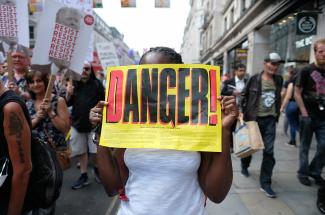
Today, considerably more than half of the world’s population is governed by far-right leaders. Against this backdrop, human rights defenders and feminists are working hard to “hold the line” and protect multilateralism and the international human rights system. They also face the risk that their engagement may bring with it violent reprisals. At the same time, these institutions are increasingly subject to private sector interests. Large businesses, particularly transnational corporations, are occupying seats at the negotiating table and leadership positions in a number of multilateral institutions, including the UN. This nexus of ultra-nationalism, closing civic space, and corporate capture is having a tremendous impact on whether human rights for all can ever be achieved.