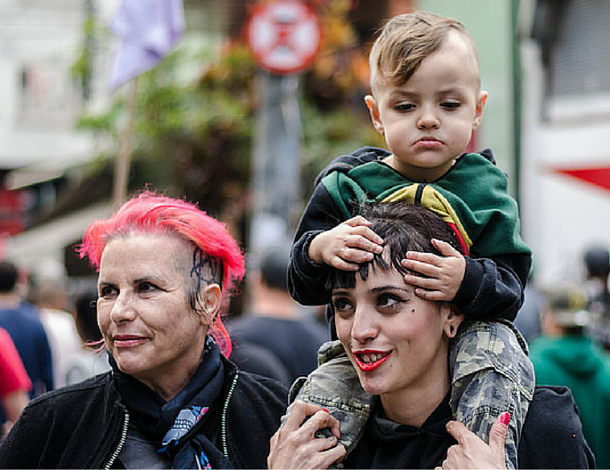
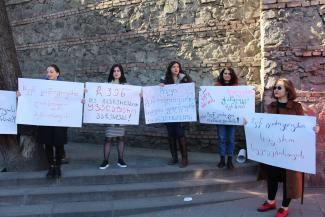
Flickr/Leonardo Veras (CC BY 2.0)

Special Focus

AWID is an international, feminist, membership organisation committed to achieving gender equality, sustainable development and women’s human rights

Protection of the Family

The Issue

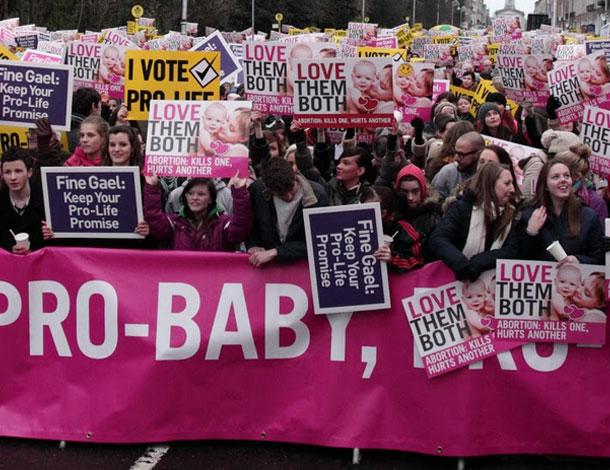
Over the past few years, a troubling new trend at the international human rights level is being observed, where discourses on ‘protecting the family’ are being employed to defend violations committed against family members, to bolster and justify impunity, and to restrict equal rights within and to family life.

The campaign to "Protect the Family" is driven by ultra-conservative efforts to impose "traditional" and patriarchal interpretations of the family, and to move rights out of the hands of family members and into the institution of ‘the family’.

“Protection of the Family” efforts stem from:

  • rising traditionalism,
  • rising cultural, social and religious conservatism and
  • sentiment hostile to women’s human rights, sexual rights, child rights and the rights of persons with non-normative gender identities and sexual orientations.

Since 2014, a group of states have been operating as a bloc in human rights spaces under the name “Group of Friends of the Family”, and resolutions on “Protection of the Family” have been successfully passed every year since 2014.

This agenda has spread beyond the Human Rights Council. We have seen regressive language on “the family” being introduced at the Commission on the Status of Women, and attempts made to introduce it in negotiations on the Sustainable Development Goals.


Our Approach

AWID works with partners and allies to jointly resist “Protection of the Family” and other regressive agendas, and to uphold the universality of human rights.

In response to the increased influence of regressive actors in human rights spaces, AWID joined allies to form the Observatory on the Universality of Rights (OURs).  OURs is a collaborative project that monitors, analyzes, and shares information on anti-rights initiatives like  “Protection of the Family”.

Rights at Risk, the first OURs report, charts a map of the actors making up the global anti-rights lobby, identifies their key discourses and strategies, and the effect they are having on our human rights.   

The report outlines “Protection of the Family” as an agenda that has fostered collaboration across a broad range of regressive actors at the UN.  It describes it as: “a strategic framework that houses “multiple patriarchal and anti-rights positions, where the framework, in turn, aims to justify and institutionalize these positions.”


Related Content

Clone of CFA 2023 - Hybrid like never before: in person - FR

Hybride comme jamais auparavant

Pour la première fois, le Forum de l'AWID propose trois modes de participation :

En personne

Les participant.e.s se réuniront à Bangkok, en Thaïlande. Nous sommes impatient.e.s de vous y retrouver!

Clone of Privacy Policy

Effective as of 25 Apr 2023. 

Please click here to view the previous version of our Privacy Policy.

This Privacy Policy describes how the Association for Women’s Rights in Development and our subsidiaries and affiliates (“AWID,” “we,” “us” or “our”) handles personal information that we collect through our website that links to this Privacy Policy (the “Site”), as well as through social media, our marketing activities, our live events and other activities described in this Privacy Policy (“Service”).  

You can download a printable copy of this Privacy Policy here

Index

Personal information we collect

How we use your personal information

How we share your personal information

Your choices

Other sites and services 

Security

International data transfers

Children

Changes to this Privacy Policy

How to contact us

Notice to European users

Personal information we collect

Information you provide to us.  Personal information you may provide to us through the Service or otherwise includes:

  • Contact data, such as your first and last name, salutation, email address, billing and mailing addresses, professional title and company name, and phone number.
  • Demographic data, such as your city, state, country of residence, postal code, date of birth, gender, pronouns, preferred language of communication, and information about how you identify (race/ethnicity, disabilities, migrant, sex worker, etc.).
  • Communications data, based on our exchanges with you, including when you contact us through the Service, social media, or otherwise. 
  • Marketing data, such as your preferences for receiving our marketing communications and details about your engagement with them.
  • User-generated content data, such as profile pictures, photos, images, music, videos, comments, questions, messages, works of authorship, and other content or information that you generate, transmit, or otherwise make available on the Service, as well as associated metadata.  Metadata includes information on how, when, where and by whom a piece of content was collected and how that content has been formatted or edited.  Metadata also includes information that users can add or can have added to their content, such as keywords, geographical or location information, and other similar data. 
  • Payment data needed to complete transactions, including payment card information or bank account number.
  • Other data not specifically listed here, which we will use as described in this Privacy Policy or as otherwise disclosed at the time of collection.

Automatic data collection.  We, our service providers, and our business partners may automatically log information about you, your computer or mobile device, and your interaction over time with the Service, our communications and other online services, such as:

  • Device data, such as your computer or mobile device’s operating system type and version, manufacturer and model, browser type, screen resolution, RAM and disk size, CPU usage, device type (e.g., phone, tablet), IP address, unique identifiers, language settings, mobile device carrier, radio/network information (e.g., Wi-Fi, LTE, 3G), and general location information such as city, state or geographic area.
  • Online activity data, such as pages or screens you viewed, how long you spent on a page or screen, the website you visited before browsing to the Service, navigation paths between pages or screens, information about your activity on a page or screen, access times and duration of access, and whether you have opened our emails or clicked links within them.

Cookies and similar technologies. Some of the automatic collection described above is facilitated by cookies, which are small text files that websites store on user devices and that allow web servers to record users’ web browsing activities and remember their submissions, preferences, and login status as they navigate a site. Cookies used on our sites include both “session cookies” that are deleted when a session ends, “persistent cookies” that remain longer, “first party” cookies that we place and “third party” cookies that our third-party business partners and service providers place. 

How we use your personal information

We may use your personal information for the following purposes or as otherwise described at the time of collection:


Service delivery and business operations.  We may use your personal information to:

  • provide, operate and improve the Service;
  • communicate with you about the Service, including by sending announcements, updates, security alerts, and support and administrative messages;
  • communicate with you about events or contests in which you participate;
  • understand your needs and interests, and personalize your experience with the Service and our communications; and
  • provide support for the Service, and respond to your requests, questions and feedback.

Research and development.  We may use your personal information for research and development purposes, including to analyze and improve the Service. As part of these activities, we may create aggregated, de-identified and/or anonymized data from personal information we collect.  We make personal information into de-identified or anonymized data by removing information that makes the data personally identifiable to you.  We may use this aggregated, de-identified or otherwise anonymized data and share it with third parties for our lawful business purposes, including to analyze and improve the Service and promote our business.

Marketing.  We and our service providers may collect and use your personal information to send you direct marketing communications.  You may opt-out of our marketing communications as described in the Opt-out of marketing section below. 

Compliance and protection.  We may use your personal information to:

  • comply with applicable laws, lawful requests, and legal process, such as to respond to subpoenas or requests from government authorities;
  • protect our, your or others’ rights, privacy, safety or property (including by making and defending legal claims); 
  • audit our internal processes for compliance with legal and contractual requirements or our internal policies; 
  • enforce the terms and conditions that govern the Service; and 
  • prevent, identify, investigate and deter fraudulent, harmful, unauthorized, unethical or illegal activity, including cyberattacks and identity theft.  

With your consent.  In some cases, we may specifically ask for your consent to collect, use or share your personal information, such as when required by law.  

Cookies and similar technologies. In addition to the other uses included in this section, we may use the Cookies and similar technologies described above for the following purposes:

  • Technical operation. To allow the technical operation of the Service, such as by remembering your selections and preferences as you navigate the site.
  • Functionality. To enhance the performance and functionality of our services.
  • Analytics. To help us understand user activity on the Service, including which pages are most and least visited and how visitors move around the Service, as well as user interactions with our emails. For example, we use Google Analytics for this purpose. You can learn more about Google Analytics and how to prevent the use of Google Analytics relating to your use of our sites here: https://tools.google.com/dlpage/gaoptout?hl=en

Retention. We generally retain personal information to fulfill the purposes for which we collected it, including for the purposes of satisfying any legal, accounting, or reporting requirements, to establish or defend legal claims, or for fraud prevention purposes.  To determine the appropriate retention period for personal information, we may consider factors such as the amount, nature, and sensitivity of the personal information, the potential risk of harm from unauthorized use or disclosure of your personal information, the purposes for which we process your personal information and whether we can achieve those purposes through other means, and the applicable legal requirements.   

When we no longer require the personal information we have collected about you, we may either delete it, anonymize it, or isolate it from further processing.  

How we share your personal information

We may share your personal information with the following parties and as otherwise described in this Privacy Policy or at the time of collection.  

Affiliates.  Our corporate parent, subsidiaries, and affiliates, for purposes consistent with this Privacy Policy.

Service providers.  Third parties that provide services on our behalf or help us operate the Service or our business (such as hosting, information technology, customer support, email delivery, marketing, consumer research and website analytics). 

Payment processors. Any payment card information you use to make a purchase on the Service is collected and processed directly by our payment processors, such as Stripe.  Stripe may use your payment data in accordance with its privacy policy, https://stripe.com/en-gb/privacy. You may also sign up to be billed by your mobile communications provider, who may use your payment data in accordance with their privacy policies.

Third parties designated by you. We may share your personal data with third parties where you have instructed us or provided your consent to do so. We will share personal information that is needed for these other companies to provide the services that you have requested. Moreover, you may choose to translate user-generated content using Google Translate. Google may use your user-generated content in accordance with its privacy policy, https://policies.google.com.Professional advisors.  Professional advisors, such as lawyers, auditors, bankers and insurers, where necessary in the course of the professional services that they render to us.

Authorities and others. Law enforcement, government authorities, and private parties, as we believe in good faith to be necessary or appropriate for the compliance and protection purposes described above. 

Other users.  Your profile and other user-generated content data (except for messages)     may be visible to other users of the Service. For example, other users of the Service may have access to your information if you chose to make your profile or other personal information available to them through the Service, such as when you provide comments, reviews, survey responses, or share other content.   This information can be seen, collected and used by others, including being cached, copied, screen captured or stored elsewhere by others (e.g., search engines), and we are not responsible for any such use of this information.

Your choices 

In this section, we describe the rights and choices available to all users. Users who are located in the United Kingdom, Switzerland, and the European Economic Area can find additional information about their rights below.

Opt-out of marketing communications.  You may opt-out of marketing-related emails by following the opt-out or unsubscribe instructions at the bottom of the email, or by contacting us.  Please note that if you choose to opt-out of marketing-related emails, you may continue to receive service-related and other non-marketing emails.  

Declining to provide information. We need to collect personal information to provide certain services.  If you do not provide the information we identify as required or mandatory, we may not be able to provide those services.

Delete your content or end your membership. You can choose to delete certain content you have provided to us.  If you wish to request to end your membership, please contact us.

Other sites and services

The Service may contain links to websites, mobile applications, and other online services operated by third parties.  In addition, our content may be integrated into web pages or other online services that are not associated with us.  These links and integrations are not an endorsement of, or representation that we are affiliated with, any third party.  We do not control websites, mobile applications or online services operated by third parties, and we are not responsible for their actions. We encourage you to read the privacy policies of the other websites, mobile applications and online services you use.

Security 

We employ a number of technical, organizational and physical safeguards designed to protect the personal information we collect.  However, security risk is inherent in all internet and information technologies and we cannot guarantee the security of your personal information. 

International data transfer

We are headquartered in the United States and may use service providers that operate in other countries. Your personal information may be transferred to the United States or other locations where privacy laws may not be as protective as those in your state, province, or country.  

Users in the United Kingdom, Switzerland, and the European Economic Area should read the important information provided below about transfer of personal information outside of the European Union. 

Children  

The Service is not intended for use by anyone under 18 years of age. If you are a parent or guardian of a child from whom you believe we have collected personal information in a manner prohibited by law, please contact us.  If we learn that we have collected personal information through the Service from a child without the consent of the child’s parent or guardian as required by law, we will comply with applicable legal requirements to delete the information.

Changes to this Privacy Policy 

We reserve the right to modify this Privacy Policy at any time. If we make material changes to this Privacy Policy, we will notify you by updating the date of this Privacy Policy and posting it on the Service or other appropriate means.  Any modifications to this Privacy Policy will be effective upon our posting the modified version (or as otherwise indicated at the time of posting). In all cases, your use of the Service after the effective date of any modified Privacy Policy indicates your acknowledgment that the modified Privacy Policy applies to your interactions with the Service and our business.

How to contact us

  • Email: Contact Us 
  • Mail: 192 Spadina Ave, Suite 300, Toronto, ON L1T 0G7
  • Phone: 416 594 3773

Notice to European Users

Where this Notice to European users applies. The information provided in this “Notice to European users” section applies only to individuals located in the EEA or the UK (EEA and UK jurisdictions are together referred to as “Europe”).

Personal information. References to “personal information” in this Privacy Policy should be understood to include a reference to “personal data” (as defined in the GDPR) – i.e., information about individuals from which they are either directly identified or can be identified. It does not include “anonymous data” (i.e., information where the identity of individual has been permanently removed). The personal information that we collect from you is identified and described in greater detail in the section “Personal information we collect”.

Controller. AWID is the controller in respect of the processing of your personal information covered by this Privacy Policy for purposes of European data protection legislation (i.e., the EU GDPR and the so-called ‘UK GDPR’ (as and where applicable, the “GDPR”)). See the How to contact us section above for our contact details. 

Our legal bases for processing. In respect of each of the purposes for which we use your personal information, the GDPR requires us to ensure that we have a “legal basis” for that use. 

Our legal bases for processing your personal information described in this Privacy Policy are listed below.

  • Where we need to process your personal information to deliver our Services to you (including our Site) (“Contractual Necessity”).
  • Where it is necessary for our legitimate interests and your interests and fundamental rights do not override those interests (“Legitimate Interests”). More detail about the specific legitimate interests pursued in respect of each Purpose we use your personal information for is set out in the table below.
  • Where we need to comply with a legal or regulatory obligation (“Compliance with Law”).
  • Where we have your specific consent to carry out the processing for the Purpose in question (“Consent”).  

We have set out below, in a table format, the legal bases we rely on in respect of the relevant Purposes for which we use your personal information – for more information on these Purposes and the data types involved, see How we use your personal information above.

Purpose

Categories of personal information involved

Legal basis

Service delivery and operations

  • Contact data
  • Demographic data
  • User-generated content data
  • Communications data
  • Payment data

Contractual Necessity 

Research and development 

Any and all data types relevant in the circumstances

Legitimate interest. We have legitimate interest in understanding what may be of interest to our customers, improving customer relationships and experience, delivering relevant content to our customers, measuring and understanding the effectiveness of the content we serve to customers.


Consent, in respect of any optional cookies used for this purpose.

Direct marketing

  • Contact data
  • User-generated content data
  • Payment data
  • Communications data
  • Marketing data

Legitimate Interests. We have a legitimate interest in promoting our operations and goals as an organisation and sending marketing communications for that purpose.

Consent, in circumstances or in jurisdictions where consent is required under applicable data protection laws to the sending of any given marketing communications.

Compliance and protection

Any and all data types relevant in the circumstances

Compliance with Law.

Legitimate interest. Where Compliance with Law is not applicable, we and any relevant third parties have a legitimate interest in participating in, supporting, and following legal process and requests, including through co-operation with authorities. We and any relevant third parties may also have a legitimate interest of ensuring the protection, maintenance, and enforcement of our and their rights, property, and/or safety.

Further uses 

Any and all data types relevant in the circumstances

The original legal basis relied upon, if the relevant further use is compatible with the initial purpose for which the Personal Information was collected. 

Consent, if the relevant further use is not compatible with the initial purpose for which the personal information was collected.

Retention. We retain personal information for as long as necessary to fulfill the purposes for which we collected it, including for the purposes of satisfying any legal, accounting, or reporting requirements, to establish or defend legal claims, or for compliance and protection purposes, unless specifically authorized to be retained longer.  

To determine the appropriate retention period for personal information, we consider the amount, nature, and sensitivity of the personal information, the potential risk of harm from unauthorized use or disclosure of your personal information, the purposes for which we process your personal information and whether we can achieve those purposes through other means, and the applicable legal requirements. 

When we no longer require the personal information, we have collected about you, we will either delete or anonymize it or, if this is not possible (for example, because your personal information has been stored in backup archives), then we will securely store your personal information and isolate it from any further processing until deletion is possible. If we anonymize your personal information (so that it can no longer be associated with you), we may use this information indefinitely without further notice to you.

Other information

No obligation to provide personal information. You do not have to provide personal information to us. However, where we need to process your personal information either to comply with applicable law or to deliver our Services to you, and you fail to provide that personal information when requested, we may not be able to provide some or all of our Services to you. We will notify you if this is the case at the time.

No Automated Decision-Making and Profiling. As part of the Services, we do not engage in automated decision-making and/or profiling, which produces legal or similarly significant effects. We will let you know if that changes by updating this Privacy Policy.

Security. We have put in place procedures designed to deal with breaches of personal information. In the event of such breaches, we have procedures in place to work with applicable regulators. In addition, in certain circumstances (including where we are legally required to do so), we may notify you of breaches affecting your personal information.

Your rights

General. European data protection laws give you certain rights regarding your personal information. If you are located in Europe, you may ask us to take any of the following actions in relation to your personal information that we hold:

  • Access. Provide you with information about our processing of your personal information and give you access to your personal information.
  • Correct. Update or correct inaccuracies in your personal information.
  • Delete. Delete your personal information where there is no lawful reason for us continuing to store or process it, where you have successfully exercised your right to object to processing (see below), where we may have processed your information unlawfully or where we are required to erase your personal information to comply with local law. Note, however, that we may not always be able to comply with your request of erasure for specific legal reasons that will be notified to you, if applicable, at the time of your request. 
  • Portability. Port a machine-readable copy of your personal information to you or a third party of your choice, in certain circumstances. Note that this right only applies to automated information for which you initially provided consent for us to use or where we used the information to perform a contract with you.
  • Restrict. Restrict the processing of your personal information, if, (i) you want us to establish the personal information's accuracy; (ii) where our use of the personal information is unlawful but you do not want us to erase it; (iii) where you need us to hold the personal information even if we no longer require it as you need it to establish, exercise or defend legal claims; or (iv) you have objected to our use of your personal information but we need to verify whether we have overriding legitimate grounds to use.
  • Object. Object to our processing of your personal information where we are relying on legitimate interests (or those of a third party) and there is something about your particular situation that makes you want to object to processing on this ground as you feel it impacts on your fundamental rights and freedom – you also have the right to object where we are processing your personal information for direct marketing purposes.
  • Withdraw Consent. When we use your personal information based on your consent, you have the right to withdraw that consent at any time. This will not affect the lawfulness of any processing carried out before you withdraw your consent.  

Exercising These Rights. You may submit these requests by email. See the How to contact us section above for our contact details. We may request specific information from you to help us confirm your identity and process your request. Whether or not we are required to fulfill any request you make will depend on a number of factors (e.g., why and how we are processing your personal information), if we reject any request you may make (whether in whole or in part) we will let you know our grounds for doing so at the time, subject to any legal restrictions.  Typically, you will not have to pay a fee to exercise your rights; however, we may charge a reasonable fee if your request is clearly unfounded, repetitive or excessive. We try to respond to all legitimate requests within a month. It may take us longer than a month if your request is particularly complex or if you have made a number of requests; in this case, we will notify you and keep you updated.

Your Right to Lodge a Complaint with your Supervisory Authority. In addition to your rights outlined above, if you are not satisfied with our response to a request you make, or how we process your personal information, you can make a complaint to the data protection regulator in your habitual place of residence. 

  • For users in the European Economic Area – the contact information for the data protection regulator in your place of residence can be found here: https://edpb.europa.eu/about-edpb/board/members_en.
  • For users in the UK – the contact information for the UK data protection regulator is below:

The Information Commissioner’s Office

Water Lane, Wycliffe House

Wilmslow - Cheshire SK9 5AF

Tel. +44 303 123 1113

Website: https://ico.org.uk/make-a-complaint/

Data Processing outside Europe; we are a US-based company and many of our service providers, advisers, partners or other recipients of data are also based in the US. This means that, if you use the Services, your personal information will necessarily be accessed and processed in the US. It may also be provided to recipients in other countries outside Europe.  

It is important to note that that the US is not the subject of an ‘adequacy decision’ under the GDPR – basically, this means that the US legal regime is not considered by relevant European bodies to provide an adequate level of protection for personal information, which is equivalent to that provided by relevant European laws. 

Where we share your personal information with third parties who are based outside Europe, we try to ensure a similar degree of protection is afforded to it in accordance with applicable privacy laws by making sure one of the following mechanisms is implemented: 

  • Transfers to territories with an adequacy decision. We may transfer your personal information to countries or territories whose laws have been deemed to provide an adequate level of protection for personal information by the European Commission or UK Government (as and where applicable) (from time to time).
  • Transfers to territories without an adequacy decision. 
    • We may transfer your personal information to countries or territories whose laws have not been deemed to provide such an adequate level of protection (e.g., the US, see above).  
    • However, in these cases:
      • we may use specific appropriate safeguards, which are designed to give personal information effectively the same protection it has in Europe – for example, standard-form contracts approved by relevant authorities for this purpose; or 
      • in limited circumstances, we may rely on an exception, or ‘derogation’, which permits us to transfer your personal information to such country despite the absence of an ‘adequacy decision’ or ‘appropriate safeguards’ – for example, reliance on your explicit consent to that transfer. 

You may contact us if you want further information on the specific mechanism used by us when transferring your personal information out of Europe.

#6 - Sexting like a feminist Tweets Snippet EN

Always be willing to explore new experiences!

Image of a tweet with the photo of American tv Host Steve Harvey. Text says - Me: Sir, have you tried pegging? Him: No, I haven't. Me: Think about it, cuz I would love to screw you the way the workplaces screw employees out of a livable wage.

Binta Sarr

Binta Sarr était une activiste pour la justice sociale, économique, culturelle et politique, en plus d’avoir occupé le poste d’ingénieure hydraulique au Sénégal. Après 13 années de service, celle-ci a choisi de quitter le fonctionnariat pour travailler auprès de femmes rurales et marginalisées. 

Cet engagement a donné lieu à la création de l’Association pour la promotion des femmes sénégalaises (APROFES), un mouvement de base auquel est venu se greffer une organisation fondée par Binta en 1987. L’une de ses approches était la formation au leadership, non seulement dans le cadre d’activités économiques mais également en lien avec les droits des femmes et leur accès à des fonctions décisionnelles.

“« Les populations à la base doivent s’organiser, se mobiliser, assumer le contrôle citoyen et exiger une gouvernance démocratique dans tous les secteurs de l’espace public. La priorité des mouvements sociaux doit aller au-delà de la lutte contre la pauvreté et être axée sur des programmes de développement articulés et cohérents en adéquation avec les principes des droits humains, tout en prenant en compte leurs besoins et leurs préoccupations tant au niveau national, sous régional que dans une perspective d’intégration africaine et mondiale. » – Binta Sarr

Ancrée dans la conviction de Binta, à savoir que les changements essentiels dans le statut des femmes nécessitent la transformation des attitudes masculines, APROFES a adopté une approche interdisciplinaire et s’est appuyée sur la radio, les séminaires et le théâtre populaire, offert une éducation publique innovante et apporté un soutien culturel aux actions de sensibilisation. Sa troupe de théâtre populaire a créé des pièces sur le thème des castes dans la société sénégalaise, de l’alcoolisme et de la violence conjugale. Binta et son équipe ont également pris en compte l’interconnexion essentielle entre la communauté et le monde élargi.

« Pour APROFES, il s’agit d’étudier et de prendre en compte les interactions entre le micro et le macro, le local et le mondial, ainsi que les différentes facettes du développement. De l’esclavage à la colonisation, le néo-colonialisme et la marchandisation du développement humain, qui représentent la majeure partie des ressources d’Afrique et du Tiers-Monde (pétrole, or, minéraux et autres ressources naturelles), demeurent sous le contrôle des cartels financiers et autres multinationales qui dominent ce monde mondialisé. » – Binta Sarr

Binta était également l’une des membres fondatrices de la section féminine de l’Association culturelle et sportive Magg Daan, et a reçu des mentions élogieuses de la part du gouverneur régional et du ministre de l’Hydrologie pour sa « dévotion aux populations rurales ».

Née en 1954 dans la petite ville de Guiguineo, Binta est décédée en septembre 2019.


Hommages:

 « La perte est incommensurable, la douleur est lourde et profonde mais nous allons résister pour ne pas pleurer Binta; nous allons garder l’image de son large sourire en toutes circonstances, pour résister et nous inspirer d’elle, maintenir, consolider et développer son œuvre... » – Page Facebook de l’APROFES, 24 septembre 2019

« Adieu, Binta! Nul doute que ton immense héritage sera préservé. » – Elimane FALL, président de l’ACS Magg-Daan 

Snippet - COP30 - Feminist Demands Title

Feminist Demands for COP30

CFA 2023 - Forum Theme - thai

 ลุกขึ้นพร้อมกัน: เชื่อมต่อ เยียวยา และเติบโต

ประเด็นหลักของเวที – ลุกขึ้นพร้อมกัน (Rising Together) เป็นการเชิญชวนให้ทุกคนกลับมาอยู่กับตัวเองเพื่อเชื่อมต่อซึ่งกันและกันอย่างมีสมาธิ เอาใจใส่ และกล้าหาญ เพื่อให้เราสามารถรู้สึกถึงจังหวะการเต้น ของหัวใจของการเคลื่อนไหวทั่วโลก และลุกขึ้นมารับมือกับความท้าทายในยุคนี้ไปด้วยกัน

นักสตรีนิยม นักปกป้องสิทธิสตรี ความยุติธรรมทางเพศ LBTQI+ และขบวนการพันธมิตรทั่วโลกกำลังอยู่ ในช่วงหัวเลี้ยวหัวต่อที่สำคัญ คือเผชิญกับแรงตอบโต้สิทธิเสรีภาพที่เคยได้รับก่อนหน้านี้ ช่วงไม่กี่ปีที่ผ่านมา ลัทธิอำนาจนิยมเติบโตอย่างรวดเร็ว การปราบปรามภาคประชาสังคมอย่างรุนแรง และการทำให้สตรีและ นักปกป้องสิทธิมนุษยชนที่มีความหลากหลายทางเพศกลายเป็นอาชญากร สงครามและความขัดแย้งที่ ทวีความรุนแรงขึ้นในหลายส่วนของโลก ความอยุติธรรมทางเศรษฐกิจยังคงดำเนินต่อไป รวมทั้งวิกฤตการณ์ ด้านสุขภาพ นิเวศวิทยาและสภาพภูมิอากาศ

การเคลื่อนไหวของเรากำลังสั่นคลอน และในขณะเดียวกันเราก็พยายามสร้างและดำรงความเข้มแข็งและ อดทนเพื่องานข้างหน้า เราไม่สามารถทำงานนี้โดยลำพังในห้องเล็กๆของเราได้ การเชื่อมต่อและ การเยียวยาจึงเป็นสิ่งสำคัญในการปรับเปลี่ยนความไม่สมดุลของพลังงานและข้อบกพร่องภายในการเคลื่อน ไหวของเราเอง เราต้องทำงานและวางยุทธศาสตร์ในลักษณะที่เชื่อมโยงกัน เพื่อที่เราจะสามารถเติบโต ไปด้วยกันได้ เวที AWID จะส่งเสริมองค์ประกอบสำคัญของการเชื่อมโยงถึงกันกับพลังความสามารถ การเติบโต และการสร้างความเปลี่ยนแปลงของนักสตรีนิยมทั่วโลก

Calendario feminista de AWID 2025

AWID 2025 Calendar cover


Este calendario es un obsequio para ti y para todes les 8000 integrantes de nuestra comunidad feminista global. Es nuestra promesa de conexión futura y de encuentro con los movimientos en el año próximo. Este año que pasó ha sido testigo de injusticias inenarrables. Damos la bienvenida a un nuevo año pleno de un potente espíritu de movimiento, de soluciones y estrategias esperanzadas. Por un mundo mejor para todes.

Cuando pases las páginas, nota la diversidad artística de nuestres integrantes artistas, que utilizan su obra para difundir e interconectar a nuestros distintos movimientos bajo el paraguas feminista. ¿Te ves a ti misme, a tu movimiento, a tus comunidades, en estas páginas? Te alentamos a utilizar este calendario como herramienta práctica para marcar el tiempo y el espacio, pero también para anotar las ocasiones de conectarte con feministas y activistas.

Úsalo, imprímelo, compártelo. Que este calendario sea una compañía diaria en tu viaje, un recordatorio constante de nuestra interconexión y de nuestras visiones compartidas para un mundo mejor. Deja que te inspire, como nos inspira a todes nosotres, para continuar avanzando juntes.

¡Consíguelo en tu idioma preferido!

English

Français

Español

Português

عربي

Русский

Thai

La comunicación del deseo y otras praxis políticas del cuerpo | Title Snippet ES

La comunicación del deseo y otras praxis políticas del cuerpo

con Manal Tamimi, Lindiwe Rasekoala y Louise Malherbe
Crédito del podcast: Zuhour Mahmoud

Maritza Quiroz Leiva

Maritza Quiroz Leiva was an Afro Colombian social activist, a community leader and women human rights defender. Among the 7.7 million Colombians internally displaced by 50 years of armed conflict, Maritza dedicated her advocacy work to supporting the rights of others, particularly in the Afro Colombian community who suffered similar violations and displacement.

Maritza was the deputy leader of the Santa Marta Victim's Committee, and an important voice for those seeking justice in her community, demanding reparations for the torture, kidnapping, displacement, and sexual violence that victims experienced during the armed conflict. She was also active in movement for land redistribution and land justice in the country. 

On 5 January 2019, Maritza was killed by two armed individuals who broke into her home. She was 60 years old. 

Maritza joined five other Colombian social activists and leaders who had been murdered just in the first week of 2019. A total of 107 human rights defenders were killed that year in the country. 

Snippet - COP30 - Partner intro - EN

This campaign is held by 8 partner organizations across continents, building feminist alternatives to the climate crisis, ecocides and genocides.

Snippet Forum FAQ - General Information - EN

General Information

Domaine prioritaire : Co-Création des réalités féministes

Alors que nous rêvons d’un monde féministe, il y en a qui sont déjà en train de le construire et de le vivre. Ce sont nos réalités féministes ! 

Que sont les réalités féministes ?

Les réalités féministes sont les exemples concrets des mondes justes que nous sommes en train de co-créer. Elles existent aujourd’hui, dans les manières, dont les personnes et les mouvements vivent, luttent et se construisent.

Ces réalités féministes vont au-delà de la résistance aux systèmes oppressifs pour nous montrer à quoi ressemble un monde sans domination, sans exploitation et sans suprématie.

Ce sont ces histoires-là que nous voulons mettre en lumière, partager et amplifier à travers notre aventures des réalités féministes.

Transformer des visions en des expériences vécues

Au travers de cette initiative, nous voulons:

  • Créer et élargir les alternatives: Ensemble, nous créons de l’art et des expressions artistiques qui placent au centre et célèbrent l’espoir, l’optimisme, la guérison et l’imagination radicale que les réalités féministes inspirent.

  • Enrichir nos connaissances: Nous documentos, démontrons & diffusons des méthodologies qui permettront d’identifier les réalités féministes de nos différentes communautés.

  • Promouvoir des programmes féministes: Nous élargissons et approfondissons notre réflexion et notre organization collectives afin de promouvoir des solutions et des systèmes justes incarnant les valeurs et les visions féministes.

  • Mobiliser des actions solidaires: Nous incitons les mouvements féministes, en faveur des droits humaines et de la justice de genre et leurs allié-e-s à partager, échanger et co-créer des réalités, des récits et des propositions féministes lors du 14ème Forum international de l’AWID.


Le Forum international de l’AWID

Bien que nous mettions l’accent sur le processus avant, pendant et après les quatre jour du Forum, c’est lors de l’événement lui-même que la magie opère. Grâce à l’unique énergie des participant·e·s et à l’opportunité de rassembler les gens.

Nous espérons que le prochain Forum :

  • Construira le pouvoir des réalités féministes, en nommant, célébrant, amplifiant et en alimentant l’énergie autour des expériences et propositions qui font émerger les possibilités et nourrissent notre imagination

  • Remplira nos puits d’énergie et d’inspiration comme le carburant de notre activisme et de notre résilience pour les droits et la justice

  • Renforcera la connectivité, la réciprocité et la solidarité au sein des divers mouvements féministes et avec les mouvements en faveur des droits et de la justice.

En savoir plus sur le processus du Forum

Le prochain forum de l'AWID aura lieu du 20 au 23 september 2021 à Taipei, Taiwan.

En savoir plus

Related Content

Forum 2024 - FAQ - General Information

General Information

Love letter to Feminist Movements #3

Love Letter to Feminism

By: Marianne Mesfin Asfaw

Scrapbook envelopes that say Love Letters to Feminist Movements. The envelope on top says From Marianne Mesfin Asfaw

I have many fond memories in my journey with feminism, but one in particular that stands out. It was during my time at graduate school, at a lecture I attended as part of a Feminist Theory course. This lecture was on African feminism and in it the professor talked about the history of Pan Africanism and the ways in which it was patriarchal, male-centric, and how Pan Africanist scholars perpetuated the erasure of African women. She talked about how African women’s contributions to the anti-colonial and decolonial struggles on the continent are rarely, if ever, discussed and given their due credit. We read about the African feminist scholars challenging this erasure and actively unearthing these stories of African women led movements and resistance efforts. It seems so simple but what stood out to me the most was that somebody put the words African and feminist together. Better yet, that there were many more of us out there wrestling with the complicated history, politics and societal norms in the various corners of the continent and we were all using a feminist lens to do this. I came out of that lecture feeling moved and completely mind-blown. After the lecture three of my friends (all African feminists) and I spent some time debriefing outside the classroom. We were all so struck by the brilliance of the lecture and the content but, more than anything, we all felt so seen. That feeling stood out to me. 

Falling in love feminism was thrilling. It felt like finally getting to talk to your longtime crush and finding out that they like you back. I call it my crush because in high school I referred to myself as a feminist but I didn’t feel like I knew enough about it. Was there a right way to be feminist? What if I wasn’t doing it right? Attending my first Women’s Studies lecture answered some of these questions for me. It was thrilling to learn about stories of feminist resistance and dismantling the patriarchy. I felt so affirmed and validated, but I also felt like something was missing.

Deepening my relationship with feminism through academia, at an institution where the students and teaching staff were mostly white meant that, for those first few years, I noticed that we rarely had discussions about how race and anti-blackness show up in mainstream feminist movements. In most courses we had maybe 1 week, or worse 1 lecture, dedicated to race and we would usually read something by bell hooks, Kimberly Crenshaw’s work on intersectionality, and maybe Patricia Hill Collins. The following week we were back to sidelining the topic. I dealt with this by centring race and black feminism in almost all my assignments, by writing about black hair and respectability politics, the hypersexualization of black women’s bodies, and so much more. Over time I realized that I was trying to fill a gap but didn’t quite know what it was. 

Encountering and learning about African feminism was a full circle moment. I realized that there was so much more I had to learn.

Mainly that my Africanness and my feminist politics did not have to be separate. In fact, there was so much that they could learn from each other and there were African feminists out there already doing this work. It was the missing piece that felt so elusive during my exploration of feminism throughout my academic journey.

Feminism to me is the antithesis to social and political apathy. It also means once you adopt a feminist lens, nothing can ever be the same. My friends and I used to talk about how it was like putting on glasses that you can never take off because you now see the world for what it is, mess and all. A mess you can’t simply ignore or walk away from. Therefore my vow to the feminist movement is to never stop learning, to keep stretching the bounds of my empathy and to never live passively. To dedicate more time and space in my life to feminist movements and to continue to amplify, celebrate, document and cite the work of African feminists. I also commit to centring care and prioritizing pleasure in this feminist journey because we can’t sustain our movements without this.
 

Samira Khalil

Samira was a Syrian activist under Bashar al-Asad's regime.

From a young age Samira opposed all forms of despotism, particularly vis-a-vis the authoritarian regime in which she lived.

Samira was kidnapped in 2013 along with three other prominent activists. She is believed to have been taken from the Center for the Documentation of Violations in Duma, in rural Damascus.

The main suspect associated with her disappearance is the Army of Islam (which denies its involvement). There has been no formal investigation of Samira’s disappearance and she has not been heard from since.  Samira was committed to her country and refused to leave Syria until she felt her role in empowering women and documenting crimes was no longer necessary.


Samira Khalil, Syria

Can speakers or other activity details be changed during 2024?

 As we are submitting the application almost one year before the actual event. 

Yes! Currently the form requests to list presenters even if they are not confirmed yet. We understand that changes are likely to occur within a year.

Love letter to Feminist Movements #10

I never knew I have a close family who loves me and wants me to grow, My mum has always been there for me, but I never imagined I would have thousands of families out there who are not related to me by blood.

Collage of Kraft paper envelopes with the words "Love letters to Feminist Movements" written at the top. Near the bottom it says "From: FAITH ONUH". On the upper left corner there is a postal stamp. Under the envelope there is a card with a type writer printed on it.

I found out family are not just people related by blood ties, but people who love you unconditionally, not minding your sexual orientation, your health status, social status, or your race.

Thinking about the precious moments I listened to all my sisters around the world who are strong feminists, people I have not meet physically, but who support me, teach me, fight for me: I am short of words, words cannot express how much I love you mentors and other feminists, you’re a mother, a sister, a friend to millions of girls.

You are amazing, you fought for people you don’t know - and that is what makes you so special.

It gladdens my heart to express this through writing.

I love you all and will continue to love you. I have not seen any one of you physically but it seems we have known each other for decades.

We are feminists and we are proud to be women.

We will keep letting the world know that our courage is our crown.

A love letter from FAITH ONUH, a young feminist from Nigeria


Fahmida Riaz

“Afterwards
After love the first time,
Our naked bodies and minds
A hall of mirrors,
Wholly unarmed, utterly fragile,
We lie in one another's arms
Breathing with care,
Afraid to break
These crystal figurines.” - Fahmida Riaz

Fahmida Riaz broke social taboos by writing about female desire in her poetry, creating alternative narratives about women’s bodies and sexuality, and setting new standards in Urdu literature.

Her work faced harsh criticism from conservatives, who accused her of using erotic and “pornographic” expressions in her poetic language. 

Fahimida was eventually blacklisted and charged with sedition under Section 124A of the Pakistan Penal Code) during the dictatorship of Zia Ul Haq. Forced into exile in 1981, she spent almost seven years in India before returning to Pakistan. 

As part of the preface to “Badan Dareeda” ('The Torn-Bodied'), a collection of poetry published in 1974, she wrote: 

If, indeed, I am forced to stand before this maqtal today and face the gallows, I should face them with my head held high. My poems are the trace of a mangled head: emanating sounds even as it is suspended from ropes... A Body Torn has taken the form of a razmia, or the sound of rupture. And if such rupture indeed shocks a people, then consider the poet as having achieved her purpose: she has managed to disturb them. (translation from Urdu by Asad Alvi)

The brilliance of Fahmida was in defying any singular logic or categories of gender, nation, religion or culture. She refused to be put in the role of a ‘woman poet’, breaking with traditional definitions of feminine poetry and concepts and themes (ranging from political consciousness, body, culture, desire, religion, home) and knocking down inhibitions put on her gender. 

“You have to understand that culture can have no essence. Cultures move, flowing into one another, forming new cultures. Culture is born this way. There is no clash of cultures.” 

Fahmida authored more than 15 books on poetry and fiction including her poem ‘Taaziyati Qaraardaaden’ (‘Condolence Resolutions’) that might serve as an appropriate tribute to her life and legacy and a collection of poems (Apna Jurm To Saabit He ‘My Crime Stands Proven’) published in 1988 during her time in exile. 

Fahmida Riaz was born in Meerut, India on 28 July 1946 and passed away on 21 November 2018 in Lahore, Pakistan.

หากฉันเป็นแหล่งทุนหรือ ผู้บริจาคแบบปัจเจก ฉันสามารถสนับสนุนฟอรัมนี้ได้อย่างไร

เราขอเชิญชวนให้คุณติดต่อเราเพื่อสามารถสร้างการมีส่วนร่วมอย่างมีความหมายต่อฟอรัม

The 2024 AWID Feminist Calendar

Image of a calendar on a wall. https://www.awid.org/sites/default/files/2024-02/calendar-mockup_gif_0.gif

This calendar invites us to immerse ourselves in the inspiring world of feminist artistry. Each month, as it gently unfolds, brings forth the vivid artwork of feminist and queer artists from our communities. Their creations are not mere images; they are profound narratives that resonate with the experiences of struggle, triumph, and undying courage that define our collective quest. These visual stories, bursting with color and emotion, serve to bridge distances and weave together our diverse experiences, bringing us closer in our shared missions.

This calendar is our call to you: Use it, print it, share it. Let it be a daily companion in your journey, a constant reminder of our interconnectedness and our shared visions for a better world.

Let it inspire you, as it inspires us, to keep moving forward together.

Image of a section of the 2024 calendar cover. Is show the top of a pyramid, a celestial object orbited by dancing naked bodies and a face with a third eye have open emerging from the water in the horizon.

Use it. Print it. Share it. 

Get it in your preferred language!

English
Français
Español
Português
عربي
Русский
Thai

Hevrin Khalaf

Hevrin Khalaf was a prominent Syrian Kurdish political leader in the autonomous region of Rojava where Kurdish women are risking their lives to resist the Turkish offensive and build a feminist system.

She was Secretary-General of the Future Syria Party (FSP), a group that aimed to build bridges, reconcile different ethnic groups and work towards a “democratic, pluralistic, and decentralized Syria.”

Hevrin was a symbol of this reconciliation effort. She also worked to promote equality between women and men and was a representative for visiting journalists, aid workers, and diplomats. 

Hevrin was also a civil engineer from Derik, and was one of the founders of the Foundation for Science and Free Thought in 2012. 

On 12 October 2019 she was tortured and murdered by the Turkish-backed militia, Ahrar al-Sharqiya during a military operation against Syrian Democratic Forces in Rojava.

“The killing of Khalaf is a turning point in Syria’s modern history. It once again demonstrated the old Kurdish proverb “no friends but the mountains.” I will always be a friend of Khalaf and her vision of a better world.” - Ahed Al Hendi

AWID ให้ทุนสำหรับการเข้าร่วมหรือไม่

จากงบประมาณในส่วนของการสร้างการเข้าถึงของเราจะสามารถมีทุนจำกัดจำนวนสำหรับสนับสนุนการเข้าร่วมของนักกิจกรรมที่ไม่สามารถหาทางอื่นๆได้และอีกทั้งยังไม่มีความสัมพัยธ์กับแหล่งทุนที่สามารถสนับสนุนการเข้าร่วมของพวกเขา โดยหากคุณมีหนทางเป็นไปได้อื่นๆกรุณาลองติดต่อประสานงานดูก่อน ส่วนพวกเราจะพยายามอย่างสุดความสามารถที่จะจัดให้มีทุนสนับสนุนให้มากที่สุดเท่าที่จะมากได้ และเราจะแจ้งรายละเอียดของกระบวนการสมัครเพื่อรับทุนนี้ในช่วงต้นปี 2567

Rosa Candida Mayorga Muñoz

Rosa Candida Mayorga Muñoz was a Guatemalan social worker, union leader and labor rights defender. She was affectionately called Rosita and she inspired change. 

In the 1980’s, Rosa became the first female member of the Executive Committee of the Union of Workers of the Institute of National Electrification (STINDE), a union she first joined to advocate for women’s labor rights. For her, this meant fighting for equal opportunities in a company where many women faced a discriminatory and violent system created by company authorities. Rosa had also suffered sexual harassment in her workplace, both by co-workers and managers. She was not to be kept quiet though. 

Rosa continued fighting and was part of the effort to mould the struggle into a more specific form, that of the INDE-STINDE Collective Pact of Working conditions. This pact was a pioneer, the first in Guatemala to typify the concept of (sexual) harassment. It serves as a reference for the Guatemalan legislation on labor matters and is an encouragement for other unions.

“She had no fighting tools other than her own ideals... Many times she was intimidated, harassed to put the fight aside, but her courage generated the image of hope for grassroots unionists. Rosita created an image of respect, not only within her union, but before the authorities of the institution, before the women's movement; she was recognized as a pioneer of the trade union women's movement, in a space that had been more dominated by men.” - Maritza Velasquez, ATRAHDOM

Rosa passed away on 4 April 2018 at the age of 77.  

ฉันเสนอกิจกรรมไปในฟอรัมที่ผ่านมา ฉันยังจำเป็นต้องสมัครใหม่อีกครั้งหรือไม่

กรุณาสมัครใหม่อีกครั้ง โลกได้เปลี่ยนไปจากปี 2564 และเราขอเชิญชวนให้คุณเสนอกิจกรรมที่ถ่ายทอดความจริงและสิ่งที่คุณให้ความสำคัญในปัจจุบัน

CFA FAQ - Accessibility and Health - Thai

สุขภาพและการช่วยในการเข้าถึง

Snippet - CSW68 Intro

Reclaiming Feminist Power

This year, we, alongside feminist activists from across the world, will be at CSW68 in New York, to challenge capitalist, neoliberal narratives and false solutions around poverty, development and financing. Through in-person events, lives on our socials, an exhibit booth and more; we are showing up to convene, amplify and support the voices and participation of our members, partners and allies.

Learn more about our program this year below.

Snippet - Shines light - EN

Shines a light on the financial status of diverse feminist, women’s rights, gender justice, LBTQI+ and allied movements in all regions and all contexts

Snippet - WITM Our objectives - EN

Our research objectives

1

Provide AWID members, movement partners and funders with an updated, powerful, evidence-based, and action-oriented analysis of the resourcing realities of feminist movements and current state of the feminist funding ecosystem.

2

Identify and demonstrate opportunities to shift more and better funding for feminist organizing, expose false solutions and disrupt trends that make funding miss and/or move against gender justice and intersectional feminist agendas.

3

Articulate feminist visions, proposals and agendas for resourcing justice.

How can I access the survey?

The survey is available on KOBO, an open-source platform for collecting, managing, and visualizing data. To participate, simply click on the survey link here and follow the instructions to complete the survey. 

I have responded to the survey but changed my mind and want our response to be withdrawn, what do I do?

If, for any reason, you want your response to be withdrawn and deleted, you have the right to do so. Please contact us via the form here, indicating “WITM Survey” as the title of your message, and we will withdraw and delete your response.

Snippet - WITM To share - RU

Чтобы поделиться опытом финансирования в вашей организации

Snippet - WITM Start the survey 1 - PT


Globe

O inquérito está disponível em árabe, inglês, francês, português, russo e espanhol!


Communiquer le désir | Content Snippet FR

Communiquer le désir

et autres pratiques politiques incarnées


Communiquer le désir

Hôte: On pense souvent que la communication de notre désir se cantonne à l’intimité des quatre murs de nos chambres et à nos relations personnelles. Mais est-il également possible d’envisager ce genre de communication comme étant structurelle, une pratique qui éclairerait notre travail et la manière dont nous sommes, dont nous existons dans le monde?

LindiweJe pense que, malheureusement, l’expression de notre sexualité par le passé était restreinte. On était autorisées à l’exprimer dans le strict cadre du mariage, ce qui était permis, mais il y a toujours eu des tabous et une stigmatisation relative à toute autre forme d’expression. Évidemment, lorsqu’il est question de communication, le fait que certaines stigmatisations sont liées à l’expression de notre sexualité ou de nos désirs complique largement la communication dans la chambre ou de manière intime avec notre partenaire. Mon expérience personnelle me fait croire que si je suis beaucoup plus à l’aise à m’exprimer sur d’autres sujets thématiques ou sujets en dehors de la chambre, il m’est plus facile de construire cette confiance parce que je comprends la modalité de résolution de conflits avec cette personne en particulier, je comprends exactement comment rendre la communication spéciale avec cette personne. Ce n’est pas facile. C’est quelque chose que l’on fait tout au long de notre engagement, quel qu’il soit, qu’il s’agisse d’une relation durable ou que cela soit plus informel et ponctuel. Mais je crois que la confiance à l’extérieur peut assurément traduire la manière dont nous communiquons notre désir.

Manal
Depuis la petite enfance, les femmes sont éduquées à coups de « tu n’es pas autorisée à parler de ton corps, tu n’es pas autorisée à parler de ton désir », qui posent une lourde responsabilité sur leurs épaules, et particulièrement des filles à l’adolescence lorsqu’elles ont besoin de s’exprimer et de parler de ces questions. Donc moi, je pense que c’est un gros problème. Tu sais, je suis mariée depuis plus de 25 ans, mais encore aujourd’hui, je ne peux pas parler de mes désirs. Je ne peux pas dire ce que je veux ou ce que je préfère, parce que c’est comme si je n’étais pas autorisée à franchir cette ligne. C’est comme si c’était péché, bien que ce soit mon droit. Et c’est le cas pour toutes mes amies, elles ne peuvent pas s’exprimer de la bonne manière.

Louise
Personnellement, je trouve que l’expression de nos désirs, de mes désirs, quelle que soit la forme que prend cette expression, a à voir avec l’autre, avec le regard que cet autre poserait sur moi. Donc c’est également quelque chose que l’on peut relier au cinéma. Et sur le regard que je poserais sur moi-même aussi : ce que je pense être en tant que personne, mais également ce que la société attend de moi et de ma sexualité. J’ai, par le passé, en quelque sorte fait l’analogie entre ce qui se passe dans la chambre et ce qui se passe sur le lieu du travail, parce qu’il y a parfois cette dynamique de pouvoir, que je le veuille ou non. Et souvent, la communication verbale est plus difficile qu’on ne le pense. Mais quand il est question de représentation dans les films, c’est alors complètement différent. Lorsqu’il est question de simplement communiquer des désirs sexuels dans la chambre ou en dehors, on est très loin de ce que je suppose que nous toutes ici voudrions voir à l’écran.


En ligne et incarné

Hôte: On peut considérer le monde numérique comme étant incarné : alors qu’il peut être virtuel, il n’en est pas moins réel. Et cela a été clairement démontré dans le contexte du Festival des réalités féministes de l’AWID, qui s’est tenu entièrement en ligne. Qu’est-ce que cela signifie, alors, de parler de sexualité, collectivement, politiquement, dans des espaces en ligne? Est-ce que nous naviguons dans les espaces virtuels avec nos corps et nos affects? Et dans ce cas, quels sont les différents éléments à prendre en compte? Qu’est-ce que cela fait à la communication et à la représentation?


LindiweLes réseaux sociaux nous donnent l’impression d’être dans la communauté. Quand on exprime ce qu’on veut ou ce qu’on aime, il y a toujours une personne qui sera d’accord ou pas d’accord, mais celles qui sont d’accord vous donnent le sentiment d’appartenir à une communauté. Donc, c’est plus facile de lancer ça dans l’univers, ou au vu de tout le monde, et de potentiellement ne pas recevoir autant de jugements. Et je parle là en termes très vagues parce que, selon ce que tu exprimes, tu seras vilipendée ou célébrée. Mais quand on est dans la chambre, il y a une certaine intimité à laquelle s’ajoute presque une vulnérabilité qui t’exposent et qui exposent différentes parties de toi, sur lesquelles il n’est pas aussi facile de donner son avis. Quand il est question d’exprimer ton désir, il est beaucoup plus facile d’en parler, de le dire et peut-être même de faire un tweet ou un billet sur les réseaux sociaux, ou même d’aimer et de lire ce que disent d’autres communautés qui pensent de la même manière, que de dire à ta ou ton partenaire « c’est comme ça que je veux ressentir du plaisir » ou « voilà comment je veux que tu fasses ensuite », à cause de la peur du rejet. Mais ce n’est pas tout, rien que la vulnérabilité – de permettre à l’autre personne de te voir à nu au point de savoir à quoi tu penses, ce que tu ressens et ce que tu veux – je pense que c’est là que la différence se ferait pour moi, personnellement. Je pense que c’est beaucoup plus communautaire sur les réseaux sociaux, et c’est plus facile de se lancer dans le récit. Alors que dans la chambre, tu n’as pas forcément envie de tout gâcher. Mais je pense que ça nous aide aussi, en quelque sorte, à comprendre, selon la relation avec la personne, comment agir par la suite. Donc, je sais toujours que si j’essaie de communiquer quelque chose et que je n’y parviens pas sur le moment, je peux toujours essayer d’en parler plus tard et voir quelle est la réaction, pour savoir comment l’aborder ensuite.

LouiseTu sais, la question dans les films c’est que je ne sais pas si le regard masculin est vraiment intentionnel ou pas. On n’en sait vraiment rien, en fait. Ce qu’on sait, c’est que la raison pour laquelle la sexualité en général a toujours été si hétéronormative et centrée sur la pénétration et qu’elle ne donne pas de place aux femmes pour qu’elles puissent vraiment demander quoi que ce soit dans les films, c’est parce que la plupart des gens qui travaillent dans cette industrie et qui prennent les décisions en matière de, tu sais, le déroulement de l’histoire et du montage, sont des hommes blancs. Donc, la revanche suite au viol, c’est ce genre de film très bizarre qui est apparu dans les années 1970, où pendant la moitié de l’histoire, il y aurait une femme qui est violée par une personne ou par plusieurs personnes, et dans l’autre moitié elle obtiendrait sa revanche. Donc, généralement, elle en viendrait à assassiner et à tuer les personnes qui l’ont violée, et parfois d’autres personnes de proximité. Au début de la naissance de ce genre et pendant une trentaine d’années au moins, ces films étaient produits et réalisés par des hommes. C’est aussi pour ça que nous voulons une telle représentation. Beaucoup de féministes et de pionnières dans la réalisation de films queer se sont également servies du fait de filmer pour y parvenir ainsi que pour réclamer leur propre sexualité. Je pense à Barbara Hammer, qui est une féministe et une pionnière queer du cinéma expérimental aux États-Unis, qui a décidé de filmer des femmes faisant du sexe en 16 mm et, ce faisant, réclamé un espace au sein des récits dans les films à cette époque. Il y a également la question de l’invisibilisation : on sait maintenant, grâce à Internet et au partage des connaissances, que les réalisatrices femmes et queer essaient de faire des films depuis les débuts du cinéma. On ne s’en rend compte que maintenant, parce qu’on a accès aux bases de données d’activistes, de conservatrices et de réalisatrices.


Résister face à la colonisation

Hôte: Ça nous permet d’ouvrir la discussion sur l’importance de maintenir nos histoires féministes vivantes. Les mondes en ligne ont également joué un rôle essentiel dans la documentation des protestations et de la résistance. Du Soudan à la Palestine et à la Colombie, les féministes ont déferlé sur nos écrans, remettant en question les réalités de l’occupation, du capitalisme et de l’oppression. Pourrions-nous alors parler de communiquer le désir – le désir de quelque chose d’autre – comme d’une décolonisation?


ManalC’est peut-être parce que mon village ne compte que 600 habitantes et habitants et qu’il n’est constitué que d’une seule famille, les Tamimi, mais il n’y a aucun obstacle entre les hommes et les femmes. Nous faisons tout ensemble. Donc, lorsque nous avons commencé notre résistance non violente ou lorsque nous avons rejoint la résistance non violente en Palestine, il n’était nullement question de savoir si les femmes devraient ou non y participer. Nous avons assumé un rôle très important au sein de ce mouvement ici au village. Mais lorsque d’autres villages et d’autres lieux ont commencé à se joindre à nos manifestations hebdomadaires, certains hommes se sont dit que si des femmes participaient ou rejoignaient les mobilisations, elles se battraient alors avec des soldats, signifiant qu’elles seraient des femmes faciles. Il y a eu des hommes qui n’étaient pas du village et qui ont essayé de harceler sexuellement les femmes. Mais une femme forte qui est capable de se tenir face à un soldat peut également se tenir face au harcèlement sexuel. Parfois, lorsque des femmes d’autres lieux se joignent à nos protestations, elles sont tout d’abord timides, elles n’osent pas s’approcher parce qu’il y a de nombreux hommes. Si tu veux rejoindre une manifestation, si tu veux faire partie du mouvement non violent, tu dois éliminer toutes ces restrictions et toutes ces pensées de ton esprit. Tu ne dois te concentrer que sur la lutte pour tes droits. Malheureusement, l’occupation israélienne est consciente de cette question. Par exemple, la première fois où j’ai été arrêtée, comme je porte le hijab, ils ont essayé de me l’enlever; ils ont essayé de m’enlever mes vêtements, devant tout le monde. Il y avait quelque 300 à 400 personnes, et ils ont essayé de me déshabiller. Quand ils m’ont emmenée pour l’interrogatoire, l’interrogateur m’a dit : « On a fait ça parce qu’on veut punir d’autres femmes par ton biais. On connaît ta culture. » Alors je lui ai répondu : « Je m’en fous, j’ai fait quelque chose en quoi je crois. Même si tu enlèves tous mes vêtements, tout le monde sait que Manal est en résistance. »

LindiweJe pense que même d’un point de vue culturel, ce qui est très ironique si on prend en compte la culture en Afrique, montrer sa peau n’était pas un problème avant d’être colonisée. Porter des peaux ou des cuirs d’animaux pour se protéger n’était pas un problème et les gens n’étaient pas aussi sexualisés, sauf dans un contexte approprié. Mais nous, nous sommes conditionnées à dire : « Tu devrais te couvrir », et dès que l’on n’est pas couverte on est exposée, et ça, c’est sexualisé. La nudité est sexualisée, contrairement à juste être nue; ils ne veulent pas qu’une petite fille soit nue. Mais quel genre de société avons-nous conditionnée pour nous-mêmes, si c’est pour sexualiser une personne qui est nue en dehors du contexte d’une relation sexuelle? Mais l’environnement joue un rôle prépondérant, parce que nos parents, nos grands-mères et nos tantes nous disent : « Ne t’habille pas de manière inappropriée » ou « Non, ça c’est trop court ». Donc, on entend ça d’abord à la maison, et ensuite quand on est exposée à l’extérieur, selon l’environnement, qu’il soit eurocentré ou plus occidentalisé que ce à quoi tu es habituée, alors tu es en quelque sorte libre d’être comme tu veux. Et même là, aussi libre que tu sois, il y a quand même beaucoup de choses qui vont avec, entre les remarques dans la rue et les gens qui continuent à sexualiser ton corps. Tu pourrais porter une jupe courte, et quelqu’un se dirait qu’il a le droit de te toucher sans ta permission. Tellement de choses sont associées avec la réglementation et le contrôle des corps des femmes, et cette rhétorique commence à la maison. Et après, quand tu vas dans ta communauté et dans la société, cette rhétorique continue et tu te rends compte que tu es sexualisée par la société dans son ensemble, particulièrement en tant que personne de couleur.

Decorative Element

La résistance en tant que plaisir

Hôte: Et enfin, de quelle manière notre résistance peut-elle être davantage que ce à quoi nous sommes autorisées? Y a-t-il un endroit pour le plaisir et pour la joie, pour nous et nos communautés?


LouiseTrouver le plaisir en tant que résistance et la résistance dans le plaisir, il y a pour moi tout d’abord cette idée du cinéma comme guérilla, ou l’action de filmer quand on ne devrait pas, ou lorsque quelqu’un t’a dit de ne pas le faire, ce qui est le cas pour de nombreuses réalisatrices femmes et queer dans le monde actuellement. Au Liban, par exemple, qui est une scène du cinéma que je connais très bien, la plupart des histoires lesbiennes que j’ai vues avaient été filmées par des étudiantes en format très court avec « aucune valeur de production » comme on le dit en Occident – ce qui signifie sans argent, à cause de la censure au niveau institutionnel, mais également au sein de la famille et de la sphère privée. À mon avis, filmer quoi que ce soit, mais aussi filmer le plaisir et le plaisir dans les histoires lesbiennes, est un acte de résistance en soi. Très souvent, s’emparer d’une caméra et trouver quelqu’un pour le montage et quelqu’un pour jouer est extrêmement difficile et nécessite un fort positionnement politique.

LindiweJ’ai un groupe de soutien pour les victimes de viol. J’essaie d’aider les femmes à se réintégrer d’un point de vue sexuel : vouloir à nouveau avoir des relations intimes, ne pas laisser leur traumatisme avoir une telle influence sur leur avenir. Ce n’est pas chose facile, mais c’est individuel. Donc, je commence toujours par la compréhension de son corps. Je pense que plus on le comprend et l’aime et plus on en est fière, plus on est capable de permettre quelqu’un d’autre dans cet espace. J’appelle ça « la formation à la sensualité », et je les accompagne pour qu’elles commencent à se voir non pas comme des objets sexuels, mais comme des objets de plaisir et de désir qui peuvent être interchangeables. Donc, on mérite de recevoir et de donner. Mais ce n’est pas simplement d’un point de vue psychologique, c’est aussi physique. Quand tu sors de la douche, quand tu sors du bain, et que tu enduis ton corps avec du lait de toilette, regarde toutes les parties de ton corps, touche toutes les parties de ton corps, découvre là où il y a des changements, apprends à connaître ton corps de telle manière que tu sais quand un nouveau bouton apparaît sur ton genou, tu te connais si bien que tu sais qu’il y a quelques heures, il n’était pas là. Donc, des choses comme ça, où je fais en sorte que les femmes s’aiment de l’intérieur, pour sentir qu’elles méritent d’être aimées dans un lieu sûr, c’est comme ça que je les oriente pour qu’elles réclament leur sexualité et leur désir.

ManalTu sais, nous avons commencé à voir des femmes arriver de Naplouse, de Jérusalem, de Ramallah, même des territoires occupés de 1948, qui ont conduit trois ou quatre heures juste pour venir manifester avec nous. Après ça, nous avons essayé d’aller dans d’autres lieux, de parler avec les femmes, de leur dire qu’elles ne doivent pas être timides, qu’elles doivent simplement croire en elles-mêmes et qu’il n’y a rien de mal à ce qu’elles font. Tu peux te protéger, donc où est le mal à participer ou à nous rejoindre? Un jour, j’ai demandé à des femmes : « Pourquoi vous rejoignez-nous? » Et elles ont répondu : « Si les femmes Tamimi peuvent le faire, nous aussi on peut le faire ». En toute honnêteté, j’étais très contente d’entendre ça, parce qu’on était comme un modèle pour d’autres femmes. Si je dois me battre pour mes droits, ça doit être pour tous mes droits, pas juste un ou deux. Les droits, ça ne se divise pas.

Roxana Reyes Rivas

Roxana Reyes Rivas, filósofa, feminista, lesbiana, poeta, política y activista por los derechos humanos de las mujeres y las personas LGBTI en Costa Rica. Dueña de una pluma afilada y un humor agudo, con la risa a flor de piel. Nació en 1960 y creció en San Ramón de Alajuela, cuando era una zona rural, y su vida entera rompería con los mandatos de lo que significaba ser mujer. 

Desde El Reguero (grupo de lesbianas en Costa Rica) organizó festivales lésbicos por más de 10 años, espacios lúdico-formativos de encuentro en momentos donde el gobierno y la sociedad costarricense perseguía y criminalizaba la existencia lésbica. Para cientos de mujeres los festivales lésbicos eran el único lugar donde podían ser ellas mismas y encontrarse con otras como ellas.

Roxana decía que fundar partidos políticos era uno de sus pasatiempos. “Es importante que en Costa Rica la gente entienda que hay otras formas de hacer política, que muchos temas es necesario resolverlos colectivamente”. Fue una de lxs fundadores de los partidos Nueva Liga Feminista y VAMOS, un partido centrado en los derechos humanos.  

“El oficio de la filosofía es meter la puya, ayudar a que la gente empiece a preguntarse cosas. La filósofa que no irrita a nadie, no está haciendo bien su trabajo”. Durante 30 años, Roxana fue profesora de filosofía en universidades públicas costarricenses. De su mano generaciones enteras de estudiantes reflexionaron sobre los dilemas éticos en la ciencia y la tecnología. 

La herramienta favorita de Roxana era el humor, ella creó el premio del Chiverre Incandescente, un reconocimiento a la estupidez que otorgaba vía redes sociales a diferentes figuras públicas, ridiculizando sus exabruptos y afirmaciones anti-derechos.

Un cáncer agresivo se llevó a Roxana a fines del 2019, antes de que alcanzara a publicar la compilación de sus poemas, un último regalo de la mente creativa de una feminista que siempre levantó la voz para denunciar la injusticia. 

COP30: Homepage Banner - FR

COP30: Reclaim climate action from corporate capture

Tandis que les dirigeant·es du monde entier se réunissent au Brésil, les mouvements féministes manifestent, se rassemblent et bouleversent le statu quo à la COP30 et partout ailleurs ! Nous voilà en route vers Belém au Brésil, aux côtés d’autres féministes, pour assister à la COP30 du 10 au 21 novembre 2025. Nous continuerons d’y dénoncer les fausses solutions.

En savoir plus

Forum 2024 - FAQ - Accessibility and Health FR

Accessibilité et santé

Communicating Desire | Content Snippet AR

التعبير عن الرغبة وغ

وغيرها من الممارسات السياسيّة الأيديولوجيّة المجسَّدة


التعبير عن الرغبة

المضيفة: نحن نميل إلى الاعتقاد أنّ التعبير عن الرغبة يقتصر على العلاقة الحميمة داخل غرفة النوم وعلى علاقاتنا الشخصيّة. ولكن هل يمكننا أيضًا اعتبار هذا النوع من التعبير كبُنية، أو ممارسة أيديولوجيّة توجّه عملنا، وما نحن عليه، وكيف سنكون في هذا العالم؟

لينديوي: أنا أعتقد للأسف أنّ القيود قد فُرضَت في الماضي على التعبير عن الحياة الجنسيّة/ الجنسانيّة. فكان يُسمَح فقط بالتعبير عنها ضمن إطار الزواج المشروع. ولطالما كان التعبير عنها بأيّ طريقة أخرى مرتبطًا بالمحرّمات والوصمات. وحين يتعلّق الأمر بالتواصل، لا شكّ أن بعض الوصمات المرتبطة بالتعبير عن حياتك الجنسية أو عن رغباتك تجعل إيصال ذلك في غرفة النوم أو لشريكك أمرًا صعبًا جدًا. أنا أؤمن بناءً على تجربتي الشخصيّة أنه إذا شعرت براحة أكبر في التعبير عن أمور أو مواضيع أخرى خارج غرفة النوم، سيصبح من الأسهل أن أبني تلك الثقة، فحين تُدرك كيفيّة حلّ الخلاف مع هذا الشخص المعيّن، تُدرك بالتالي كيف تجعل التواصل مميّزًا معه بالتحديد. المسألة ليست سهلة أبدًا. فهي عمليّة متواصلة تتطوّر طوال فترة تفاعلك، مهما كانت طبيعة هذا التفاعل، سواء كان الأمر يخصّ علاقتك أو علاقة عاديّة ومرتبطة فقط باللحظة التي تعيشها. لكنني أؤمن أن الثقة التي تتمتّع بها في الخارج يمكن أن تجسّد بالتأكيد كيفية التعبير عن رغبتك.
 

منال: تُربّى المرأة منذ نعومة أظافرها على تلك المفاهيم والقيود، «لا يجوز أن تتحدّثي عن جسدك، لا يجوز أن تتحدّثي عن رغبتك»، ممّا يلقي مسؤولية كبيرة على كاهل النساء، وخاصة الفتيات المراهقات حين يشعرن بالحاجة إلى التعبير عن أنفسهنّ والتحدّث عن هذه المسائل. برأيي، هذه مشكلة كبيرة. فأنا متزوّجة منذ أكثر من 25 عامًا، وحتى الآن، لا يمكنني التحدّث عن رغباتي. لا يمكنني التعبير عمّا أريده أو ما أفضّله، كما لو أنّه لا يحقّ لي تجاوُز هذا الخطّ. كما لو أنّه حرام رغم أنه من حقّي. والأمر سيّان بالنسبة إلى جميع صديقاتي، إذ لا يستطعن التعبير عن أنفسهنّ كما يرغبن.
 

لويز:
أنا شخصيًا أرى أنّ التعبير عن رغباتنا، أو عن رغباتي، إذا صحّ القول، يتعلّق بالآخر، ونظرته إليّ. وهذا أمرٌ يمكننا ربطه أيضًا بالسينما. ونظرتي إلى نفسي أيضًا: ما أعتقد أنني أجسّده كفرد، ولكن أيضًا ما يتوقّعه المجتمع منّي ومن حياتي الجنسية. قمتُ في السابق إلى حدٍّ ما بمقارنة ما يحدث في غرفة النوم وفي مكان العمل، فنحن نشهد أحيانًا ديناميكية القوة نفسها، شئنا أم أبينا. وفي معظم الأحيان، يكون التواصل اللفظي أصعب مما نعتقد. ولكن عندما يتعلّق الأمر بما تصوّره الأفلام، فالأمر يختلف تمامًا. نحن بعيدون كلّ البعد عمّا نودّ جميعنا هنا رؤيته على الشاشة عندما يتعلّق الأمر ببساطة بالتعبير عن الرغبات الجنسية داخل غرفة النوم أو خارجها. 


العالم الافتراضي والمجسَّد

المضيفة: يمكن أن نرى العالم الرقمي متجسّدًا: في حين قد يكون افتراضيًّا، غير أنه ليس أقلّ واقعيّة. وقد برز ذلك بشكل جليّ في سياق «مهرجان الحقائق النسوية» التابع لـ»جمعية حقوق المرأة في التنمية»، والذي تمّ تنظيمه بالكامل عبر الإنترنت. ماذا يعني إذًا الحديث عن الحياة الجنسيّة، بصورة جماعيّة، وسياسيّة، وفي فضاءات الإنترنت؟ فهل ننتقل في الفضاءات الافتراضية بأجسادنا ومشاعرنا، وفي هذه الحالة، ما هي الاعتبارات المختلفة؟ وما هو تأثيرها على التواصل والتمثيل؟

لينديوي:     تجعلكِ وسائل التواصل الاجتماعي تشعرين بأنّك مرتبطة بجماعة. فعندما تعبّرين عمّا تريدين أو تحبّين، ستجدين دائمًا من يوافقك أو يخالفك الرأي، لكن أولئك الذين يوافقونك الرأي يجعلونك تشعرين بأنك تنتمين إلى جماعة معيّنة. لذلك من الأسهل أن تطرحي فكرتك أو رأيك بشكل مطلق، أو لكي يطّلع عليها الآخرون، ومن المحتمل أن يخفّف ذلك من الأحكام التي قد يطلقها الناس. وأنا أقول هذا بتصرّف مطلق لأنه أحيانًا، وحسب ما تعبّرين عنه، ستتعرّضين للذمّ أو تكونين جديرةً بالإشادة. ولكن عندما يتعلّق الأمر بغرفة النوم، فهناك نوع من الحميميّة وشبه شعور بالضعف يكشفانِك أنتِ وأجزاء مختلفة منك ولا يمكنكِ بالسهولة نفسها أن تُبدي رأيك بالموضوع. عندما يتعلّق الأمر بالتعبير عن رغبتك، قد يكون التحدّث والإفصاح عنها وربما مشاركة تغريدة أو منشور على وسائل التواصل الاجتماعي، أو حتى الإعجاب بجماعات أخرى متقاربة التفكير وقراءة منشوراتها، أسهل بكثير من أن تقولي لشريكك «أودّ أن تمتعني بهذه الطريقة» أو «هذا ما أريدك أن تفعله بعد ذلك»، والسبب هو الخوف من الرفض. ولكن لا يتعلّق الأمر بذلك فقط، جانب الضعف فقط – السماح لنفسك بأن تكون عارية لدرجة السماح للشخص الآخر بمعرفة ما تفكّرين فيه وتشعرين به وتريدينه – أعتقد أن هنا يكمن الاختلاف بالنسبة إليّ شخصيًا. أشعر أنّ المسألة مرتبطة أكثر بالجماعة على وسائل التواصل الاجتماعي، ومن الأسهل المشاركة في النقاش. بينما في غرفة النوم، لا تريدين بالضرورة قتل اللحظة. لكن أعتقد أن هذا أيضًا يساعدك وأنت تمضين قدمًا، وبحسب العلاقة التي تربطك بالشخص، على فهم كيفية التفاعل بعد ذلك. لذلك أنا أدرك دائمًا أنه إذا حاولتُ إيصال فكرة معيّنة وفشلتُ في ذلك في اللحظة نفسها، فيمكنني دائمًا محاولة طرحها مجددًا خارج تلك اللحظة لأرى ردّ الفعل حتى أعرف كيفية التعامل مع هذا الموضع في المستقبل.

لويز:    ما يثير حيرتي في الأفلام هو عدم معرفتي ما إذا كانت النظرة الذكورية مقصودة أو غير مقصودة. فنحن لا نعرف حقيقة ذلك بالفعل. ما نعرفه هو أن السبب الذي جعل الحياة الجنسيّة بشكل عام معياريّة غيريّة إلى حدّ كبير ومتمحورة حول الإيلاج من دون منح المرأة أيّ إمكانيّة لطلب أي شيء بشكل فعليّ في الأفلام، يعود إلى أن معظم الأشخاص الذين كانوا يعملون في هذه الصناعة ويتخذون القرارات في مجال السرد والتحرير هم من الرجال البيض. الانتقام والاغتصاب هو نوع غريب جدًا من الأفلام التي أبصرت النور في السبعينيات، وتقتصر نصف أحداث القصة على أن هناك امرأة تتعرّض للاغتصاب من قبل شخص واحد أو عدة أشخاص، أمّا النصف الآخر، فيدور حول سعيها إلى الانتقام. لذلك عادة ما تقتل الأشخاص الذين اغتصبوها، وأحيانًا أشخاصًا آخرين معهم. منذ نشأة هذا النوع السينمائيّ ولمدّة 30 عامًا على الأقلّ، تولّى رجال كتابة هذه الأفلام وإنتاجها وإخراجها. لهذا السبب نحن بحاجة أيضًا إلى الكثير من التمثيل. لجأ الكثير من النسويات والرائدات في صناعة أفلام الكوير أيضًا إلى التصوير من أجل تحقيق ذلك واستعادة حياتهم الجنسية. وأذكر من بينهم باربرا هامر، وهي نسوية ورائدة في مجال السينما التجريبية في الولايات المتحدة حيث قرّرت تصوير نساء يمارسن الجنس على فيلم بكرة 16 ملم، واستعادت بهذه الطريقة مساحة في مجال السرد كانت مكشوفة في السينما في تلك الفترة. وهناك أيضًا مسألة المحو: نحن ندرك الآن، بسبب الإنترنت ومشاركة المعرفة، أن النساء وصانعي الأفلام الكوير كانوا يحاولون ويصنعون الأفلام منذ بدايات السينما. نحن ندرك ذلك الآن فقط لأنّه بات بإمكاننا الوصول إلى قواعد البيانات وعمل النشطاء والقيّمين وصانعي الأفلام.


مقاومة الاستعمار

المضيفة: وهذا يفتح باب النقاش حول أهمية الحفاظ على تاريخنا النسوي حيّاً. لعِبَت العوالم الافتراضية أيضًا دورًا مهمّاً في توثيق المظاهرات والمقاومة. من السودان مرورًا بفلسطين وصولًا إلى كولومبيا، اجتاحت النسويات شاشاتنا، وتحدّت واقع الاحتلال والرأسمالية والقمع. فهل يمكن أن نتحدث عن التعبير عن الرغبة – الرغبة في شيء آخر – على أنه إنهاء للاستعمار؟


منال: ربّما لأنّ عدد السكّان في قريتي لا يتجاوز 600 نسمة والقرية بأكملها تسكنها عائلة واحدة – عائلة التميمي – فليس هناك حواجز بين الرجال والنساء. نحن نفعل كلّ شيء معًا. لذلك عندما بدأنا المقاومة اللاعنفية أو عندما انضممنا إلى المقاومة اللاعنفية في فلسطين، لم يؤدِّ ذلك إلى إثارة أيّ نقاش حول مشاركة المرأة أو عدم مشاركتها. لقد لعبنا دورًا مهمّاً للغاية ضمن الحراك هنا في القرية. ولكن عندما بدأت قرى وأماكن أخرى بالانضمام إلى مظاهراتنا الأسبوعية، ظنّ بعض الرجال أنه إذا شاركت هؤلاء النساء أو انضممن إلى المظاهرات، فسوف يتشاجرن مع الجنود، وسيبدو الأمر كما لو أنهنّ نساء سهلات المنال. حاول بعض الرجال من خارج القرية التحرّش جنسيًّا بالنساء. لكن المرأة القوية التي بإمكانها الوقوف أمام الجنود يمكنها أيضًا التصدّي للتحرّش الجنسي. في بعض الأحيان، عندما تنضمّ نساء أخريات من مناطق أخرى إلى مظاهرتنا، يشعرن بالخجل في البداية؛ لا يردن الاقتراب لأن هناك الكثير من الرجال. إن كنت ترغبين في الانضمام إلى المظاهرة، وإذا كنت تريدين أن تكوني جزءًا من حركة اللاعنف، فعليك التخلّص من هذه القيود كلّها وإزالة هذه الأفكار كلّها من ذهنك. عليك التركيز فقط على النضال من أجل حقوقك. وللأسف يُدرك الاحتلال الإسرائيلي هذا الأمر. فعلى سبيل المثال، في المرة الأولى التي تمّ فيها اعتقالي، حاولوا نزع حجابي؛ وحاولوا تجريدي من ملابسي أمام الجميع. حاولوا القيام بذلك رغم وجود نحو 300 إلى 400 شخص. عندما اقتادوني إلى التحقيق، قال المحقق: «لقد فعلنا ذلك لأننا نودّ معاقبة النساء الأخريات من خلالك. فنحن نعرف ثقافتك». فأجبته: «أنا لا أبالي بذلك، لقد فعلتُ شيئًا أؤمن به. وحتى لو جرّدتموني من كلّ ملابسي، فالجميع يعلم أن منال تقاوم».

لينديوي:أعتقد أنّه حتى من المنظور الثقافي، وهو أمر مثير للسخرية، إذا نظرت إلى الثقافة في إفريقيا، قبل الاستعمار، ستلاحظين أن إظهار الجلد لم يكن مشكلة. وارتداء جلود الحيوانات لحمايتك، لم يكن مشكلة أيضًا ولم تتمّ جنسنة الناس إلّا ضمن السياق المناسب. لكننا تكيّفنا مع الوضع فأصبحنا نقول، «يجب أن تستتري» وحين لا تكوني مستترة تكونين عارية، وبالتالي ستخضعين للجنسنة. يصبح العُري مُجَنسنًا بدل أن تكوني عارية ببساطة؛ لا يريدون أن يرى أحد فتاة صغيرة عارية. ما هو هذا المجتمع الذي تكيّفنا معه إن كنت ستُجنسِنين شخصًا عاريًا خارج سياق العلاقة الجنسية؟ لكن البيئة تلعب بالتأكيد دورًا مهمّاً لأن والديك وجدّتيك وخالاتك وعمّاتك يقولون لك «لا، لا ترتدي ملابس غير محتشمة» أو «لا، هذا قصير جدًا». لذلك تسمعين هذه الملاحظات في المنزل أولاً، ثم في اللحظة التي تنكشفين فيها في الخارج، وذلك بحسب البيئة، سواء كانت بيئة يطغى عليها الطابع الأوروبي أو تهيمن عليها الأجواء الغربية أكثر ممّا أنت اعتدت عليه، فتصبحين حرّة نوعًا ما للقيام بذلك. وحتى في هذه الحالة، مهما كنتِ حرّة، ما زلتِ ستتعرّضين بسبب ذلك لكثير من المعاكسات وسيستمرّ الناس في جنسنة جسدك. قد تكونين مرتدية تنورة قصيرة، ويشعر أحدهم أنّه يحقّ له لمسك من دون إذنك. هناك الكثير من الأمور المرتبطة بالقوانين التي تخضع لها أجساد النساء وتتحكّم فيها، وتبدأ هذه القصص في المنزل. وبعد ذلك تخرجين إلى بيئتك ومجتمعك وتستمرّ هذه القصص نفسها، وتدركين أنك تتعرّضين للجنسنة من قبل المجتمع ككلّ أيضًا وعلى نطاق واسع، لا سيما إن كنتِ شخصًا ملوّنًا.

Decorative Element

المقاومة كمتعة

المضيفة:   وأخيرًا، كيف يمكن أن تتخطّى مقاومتنا ما يُسمح به لنا؟ هل هناك مكان للمتعة والفرح لنا ولمجتمعاتنا؟


لويز:
اعتبار المتعة مقاومة والمقاومة في المتعة، أولاً بالنسبة إليّ هناك هذه الفكرة عن صناعة السينما غير التقليدية أو عمليّة التصوير عندما لا يُفترَض بك لقيام بذلك أو عندما يُطلَب منك عدم القيام بذلك، وهذا هو الحال بالنسبة إلى كثير من النساء وصانعي الأفلام الكوير في العالم الآن. فعلى سبيل المثال، في لبنان، حيث أنا مُطلعة جدًا على الواقع السينمائي، قام طلّاب بتصوير معظم قصص المثليات جنسيًا التي شاهدتها وفق تنسيقات قصيرة جدًا «بدون قيمة إنتاج» كما يُقال في الغرب – أي من دون تمويل، وذلك بسبب الرقابة التي تحدث على المستوى المؤسسي، ولكن أيضًا ضمن الأسرة وإطار الحياة الخاصّة. أعتقد أن التصوير بحدّ ذاته، لا بل أيضًا تصوير المتعة والمتعة ضمن إطار سرد قصص المثليات هو بحدّ ذاته تعبير عن المقاومة. في كثير من الأحيان، يكون مجرد التقاط كاميرا وجعل أحدهم يقوم بالتحرير وآخر بالتمثيل مهمّة صعبة للغاية وتتطلّب الكثير من المواقف السياسية.

لينديوي:
لديّ مجموعة لدعم ضحايا الاغتصاب. فأنا أحاول مساعدة النساء على إعادة الاندماج من منظور جنسي: استعادة الرغبة في العلاقة الحميمة، وعدم السماح لصدمات الماضي بالتأثير بشكل كبير على كيفية مضيّهن قدمًا. وهذا ليس أمرًا سهلًا، لكنّها مسألة فرديّة. لذلك أبدأ دائمًا بتشجيعهنّ على فهم جسدهنّ. فأنا أشعر أنّه كلما فهمتِ جسدك وأحببته وافتخرت به، زادت قدرتك على السماح لشخص آخر بالدخول إلى تلك المساحة. أسمّي ذلك التدريب على الشهوانيّة/ الحسّيّة، حيث أدفعهنّ إلى البدء بعدم رؤية أنفسهنّ كسلع جنسيّة، إنّما كمصدر متعة ورغبة يمكن أن يكون قابلًا للتبادل. إذًا فأنت تستحقين التلقّي تمامًا كما تعطين. لكنّ هذه المسألة ليست من وجهة نظر نفسيّة فقط، لا بل هي جسديّة أيضًا. حين تخرجين من الدوش، أو تنتهين من الاستحمام، وتضعين مرطبًا على جسمك، تأمّلي كلّ جزء من أجزاء جسمك، واشعري بكلّ جزء منه، لاحظي ظهور أيّ تغييرات، تعرّفي على جسمك بشكل جيّد لدرجة أنّه إذا ظهرت بثرة جديدة على ركبتك، فستكونين واثقة تمامًا من أنها لم تكن موجودة قبل بضع ساعات. أقوم بأمور من هذا القبيل حيث أجعل النساء يحببن أنفسهنّ من الداخل، لذلك يشعرن أنهنّ يستحققن الحبّ في مكان آمن، وهذه هي الطريقة التي أتّبعها لأرشدهنّ نحو المطالبة بحياتهنّ الجنسية ورغبتهنّ.

منال:
بدأنا نرى نساء قادمات من نابلس، ومن القدس، ومن رام الله، حتى من مناطق الـ48 المحتلة، وكان عليهنّ القيادة لمدّة 3-4 ساعات، فقط للمشاركة في المظاهرات. حاولنا بعد ذلك الانتقال إلى أماكن أخرى، والتحدّث مع النساء، وإخبارهنّ أنّه لا يجب أن يخجلن، وأنّه عليهنّ فقط الإيمان بأنفسهنّ، وأنّه لا عيب في ما نفعله. يمكنك حماية نفسك فأين العيب في المشاركة أو الانضمام إلى المظاهرة؟ سألت مرّة بعض النساء، «لماذا تشاركن في المظاهرة؟» فأجبن، «إذا تمكَّنت نساء التميمي من القيام بذلك، فنحن أيضًا بإمكاننا فعله»، بكلّ صدق، كنتُ سعيدة جدًا لسماع ذلك لأننا كنّا قدوة للنساء الأخريات. إن كان عليّ الدفاع عن حقوقي، فسأدافع عن حقوقي كلّها، وليس مجرّد واحد أو اثنين منها. لا يمكننا تقسيم الحقوق.