
Resourcing Feminist Movements
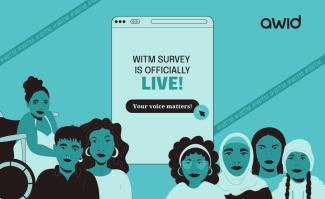
The “Where is the Money?” #WITM survey is now live! Dive in and share your experience with funding your organizing with feminists around the world.
Learn more and take the survey
Around the world, feminist, women’s rights, and allied movements are confronting power and reimagining a politics of liberation. The contributions that fuel this work come in many forms, from financial and political resources to daily acts of resistance and survival.
AWID’s Resourcing Feminist Movements (RFM) Initiative shines a light on the current funding ecosystem, which range from self-generated models of resourcing to more formal funding streams.
Through our research and analysis, we examine how funding practices can better serve our movements. We critically explore the contradictions in “funding” social transformation, especially in the face of increasing political repression, anti-rights agendas, and rising corporate power. Above all, we build collective strategies that support thriving, robust, and resilient movements.
Our Actions
Recognizing the richness of our movements and responding to the current moment, we:
-
Create and amplify alternatives: We amplify funding practices that center activists’ own priorities and engage a diverse range of funders and activists in crafting new, dynamic models for resourcing feminist movements, particularly in the context of closing civil society space.
-
Build knowledge: We explore, exchange, and strengthen knowledge about how movements are attracting, organizing, and using the resources they need to accomplish meaningful change.
-
Advocate: We work in partnerships, such as the Count Me In! Consortium, to influence funding agendas and open space for feminist movements to be in direct dialogue to shift power and money.
Related Content
Our values - Justice and systemic change
Justice and systemic change
We work towards a world based on social, environmental, and economic justice; and interdependence, solidarity, and respect. We work towards dismantling systems of oppressive power and against all its manifestations, including patriarchy, fundamentalisms, militarisms, fascisms and corporate power that threaten our lives and our world. We want a just world where resources and power are shared in ways that enable everyone to thrive.
Snippet - WITM To Strengthen - AR
لتقوية صوتنا وقوتنا الجماعية لنصل لتمويل أكبر وأفضل للتنظيمات النسائية والنسوية وحركات الميم - عين وحلفائها/يفاتها عالمياً
FRMag - Anatomy of a survivor's story
Anatomy of a Survivor's Story
by Maryum Saifee
When you do a search for “Female Genital Mutilation” or “FGM” online, an image of four line-drawings of the female anatomy pop up next to its Wikipedia entry. (...)
artwork: “Dreams” by Neesa Sunar >
Snippet - WITM about research - PT
Sobre o inquérito WITM
O inquérito global do WITM é um pilar fundamental da terceira edição da nossa investigação orientada para a ação: "Onde está o dinheiro para a organização feminista" (abreviado, "Onde está o dinheiro" ou WITM). Os resultados do inquérito serão aprofundados e explorados através de conversas profundas com ativistas e financiadores, e comparados com outras análises e investigações existentes sobre o estado do financiamento para feministas e para a igualdade de género globalmente
O relatório completo "Onde está o dinheiro para a organização feminista" será publicado em 2026.
 Para mais informações sobre como a AWID tem chamado a atenção para o dinheiro a favor de e contra os movimentos feministas, consulte a nossa história do WITM e os nossos relatórios anteriores aqui.
FRMag - Resistance Series
Feminist Resistance Series
ما هو الهدف من استطلاع "أين المال"؟
الهدف الأساسي من وراء استطلاع "أين المال" هو تسليط الضوء على على وقائع التمويل المتنوّعة والمركّبة للحركات النسوية، حركات النساء، حركات العدالة الجندرية وحركات مجتمع الميم - عين والحركات الحليفة لها على المستوى العالمي. بناءاً على هذا، وبناءً على ذلك - تعزيز قضية تحويل أموال أكثر وأفضل وتحويل السلطة باتجاه الحركات النسوية.
ours chapter 5
Chapter 5
Anti-Rights Tactics, Strategies, and Impacts
Anti-rights actors adopt a double strategy. As well as launching outright attacks on the multilateral system, anti-rights actors also undermine human rights from within. Anti-rights actors engage with the aim of co-opting processes, entrenching regressive norms, and undermining accountability.
Мы распределяем деньги среди наших грантополучающих партнерок(-ров) и являемся феминистским и/или женским фондом – можем ли мы участвовать в опросе?
Нет, мы высоко ценим вашу работу, но в данный момент мы не просим откликов от женских и феминистских фондов. Мы будем рады, если вы поделитесь информацией об опросе со своими партнерками(-рами) и контактами внутри феминистской сети.
Snippet Kohl - Plenary | She is on her way: Alternatives, feminisms and another world
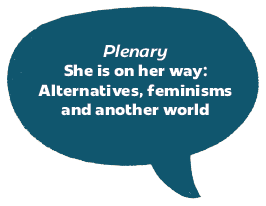
with Dr. Vandana Shiva, Dr. Dilar Dirik, and Nana Akosua Hanson.
Posso aceder a e realizar o inquérito no meu telemóvel?
Sim, o inquérito pode ser acedido através de um smartphone.
#7 - Sexting like a feminist Tweets Snippet EN
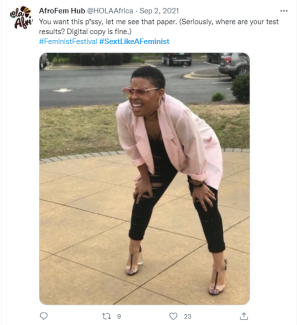
Come correct! And show your sources…
هل ستكون لي الفرصة بمشاركة افكاري بأمور لا تغطيها أسئلة الاستطلاع؟
نعم. ندعوكم/ن لمشاركتنا بالأمور التي تجدونها مهمة بالنسبة لكم/ن عن طريق الإجابة على الأسئلة المفتوحة في نهاية الاستطلاع.
Lindiwe Rasekoala | Snippet AR

لينديوي راسيكوالا مدربة حياتية، متخصصة في التدريب على العلاقات الحميمة. إنها متخصصة بالصحة الجنسية ولديها مساهمات في هذا الموضوع عبر الإنترنت. من خلال تجاربها الخاصة وأساليب البحث غير التقليدية التي تنتهجها، تعتقد لينديوي أنها تستطيع سد الفجوة التعليمية، فيما خص الصحة الجنسية وإشكالية الوصول إلى المعلومات حول الموضوع. لها العديد من المساهمات في البرامج الإذاعية والتلفزيونية، وقد أكملت تعليمها كمدرب مع تحالف المدربين المعتمدين CCA. تتمثل مهمة لينديوي في كسر الحواجز التي تحول دون قيام المحادثات حول الصحة الجنسية، وتمكين زملائها من تحقيق فهم أكبر لأنفسهم، حتى يتمكنوا من تجربة نمط حياة وعلاقات أكثر صحية وتكامليّة.
Является ли мое участие конфиденциальным?
Да. Ваши ответы будут удалены по окончании обработки и анализа данных и будут использованы исключительно в исследовательских целях. Данные НИКОГДА не будут переданы за пределы AWID и будут обрабатываться только сотрудниками AWID и консультантками(-тами), работающими с нами над проектом «Где деньги?». Для нас ваша конфиденциальность и безопасность– приоритет. С нашей политикой конфиденциальности можно подробно ознакомиться здесь.
Disintegration | Content Snippet AR
وصلتني رسالة يوم الأربعاء
مصحوبة بعنوانٍ على ظهرها.


الخامسة مساءً، اليوم
خطّ كتابة الدعوة –
متحفّظ وجاف –
رأيته خمس مرّات في خمس سنوات.
جسدي مُستنفَر،
محموم.
أحتاج لمضاجعة نفسي أوّلًا.
المدُّ عالٍ الليلة
وأنا
أنتشي.
أريدُ إبطاءَ كلَّ شيء،
واستطعام الوقت والفراغ،
أن أحفرهما
في الذاكرة.
*
لم آتِ أبدًا إلى هذا الجزء من البلدة.
الأماكن المجهولة تثيرني،
[كذلك] الطريقة التي تقاوم بها الأشلاء والعروق والعظام
الاضمحلال،
مصيرهم غامض.
عند الباب أعيدُ التفكير.
الرواق قاتم السواد
يجعلني أتوقّف.
على الناحية الأخرى،
مثل اللعنة، يُفتَح باب
من الروائح والألوان
على عَصْرٍ مُشمس.
النسيم
يجعل شعري يرقص،
يثير فضوله،
يدفعه للحركة.
أسمعُ أزيزَ الكرسي المتحرّك،
يشكّل الظلال.
عندها أراهم:
وجه فهد
وجسدٌ مثل جسدي
وأجِدني راغبة بكليهما
مرّة أخرى.


يقترب المخلوق منّي.
إيماءاتهم تكتب جملة؛
كلّما اقتربت منهم،
أتبيّن تفاصيلها:
ذبول، لحم، غِبطة
بأمر ٍمنهم، تزحف الكرمة
التي تغطّي الرُواق
مُعانقةً الصخور الدافئة
وتتسلّق الحائط كالأفعى.
لقد أصبح فعلًا،
«أن تقفز»،
أُعيدَ توجيهي عندما أشارت مخالبهم
نحو سرير الكرم في المنتصف.
أسمع العجلات خلفي،
ثم أسمع ذلك الصوت.
يُدوي
بشكلٍ لا مثيل له.
أجنحتهم الطويلة السوداء
ترتفع نحو السقف
ثم تندفع للأمام.
عينا الهرّة تفحص كلّ تفصيلة،
كلّ تغيّر،
كلّ تَوق.
هل يمكن أن تُذيب الرغبة عضلاتك؟
هل يمكن أن تكون أحلى من أقوى المهدّئات؟
فهدٌ يخيط العالم،
عبرَ اختلافاتنا،
غازلًا الدانتيل حول ركبتيَّ.
هل يمكن للرغبة أن تسحق تباعُد العالم،
أن تكثّف الثواني؟
مازالوا يقتربون،
تلتقي عين الفهد بعين الإنسان،
تتنشّق الهواء،
تُحوِّل الجسد إلى
إلحاح.
يخفقون بأجنحتهم للأسفل.
هائجة،
تلتفّ الكرمة حول خصري/ خسارتي.


لسانهم يرقّق الوقت،
تتبدّل الآراء،
يُسكِّن، بسحرهم،
ما يشتعل أسفل [السطح].
أرى العالم فيك، والعالم مُنهَك.
ثم يتوسّلون:
دعيني أقتات عليك.
Desejam recolher quantas respostas ao questionário?
O nosso objetivo é alcançar um total de 2000 respostas, quase o dobro do último questionário WITM em 2011.
A Collective Love Print | Small Snippet AR
هل يمكنني التواصل مع أي أحد إن كانت لدي أسئلة أو أمور تثير قلقي؟
إن كانت لديكم/ن أسئلة أو أمور تثير قلقكم/ن، الرجاء التوجه الينا عن طريق هذا النموذج وكتابة "استطلاع أين المال" في العنوان أو راسلنا على witm@awid.org
Crear | Résister | Transform: A Walkthrough of the Festival - smaller snippet AR
“ابدعي، قاومي، غيّري”: جولة في المهرجان
مع استمرار الرأسمالية الأبوية الغيريّة في دَفعِنا نحو الاستهلاكية والرضوخ، نجد نضالاتنا تُعزَل وتُفصَل عن بعضها الآخر من خلال الحدود المادّية والحدود الافتراضية على حدٍّ سواء.
Snippet - CSW69 spaces to watch out for - EN
CSW69 spaces to watch out for
Learn more about upcoming CSW69 events that AWID is co-organizing