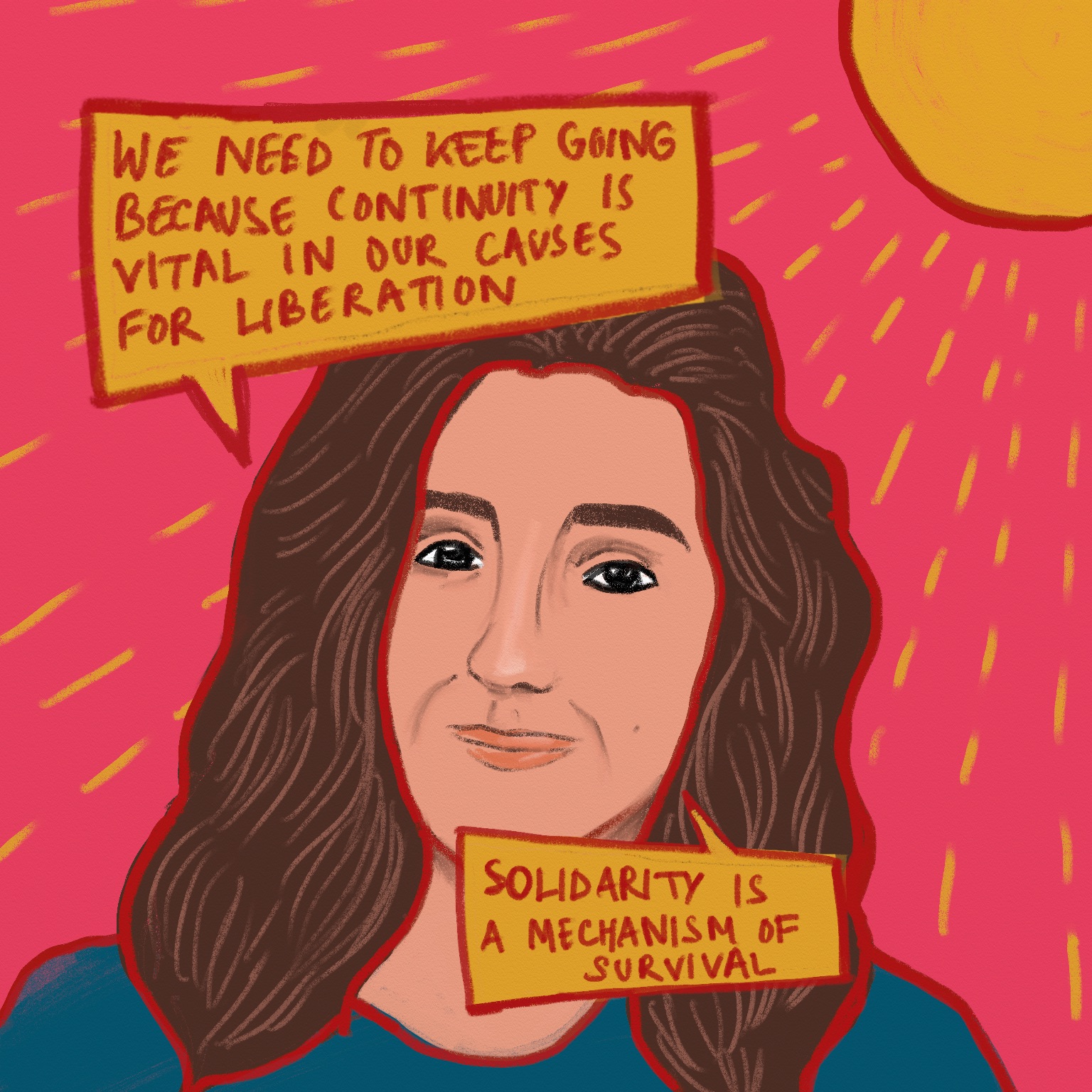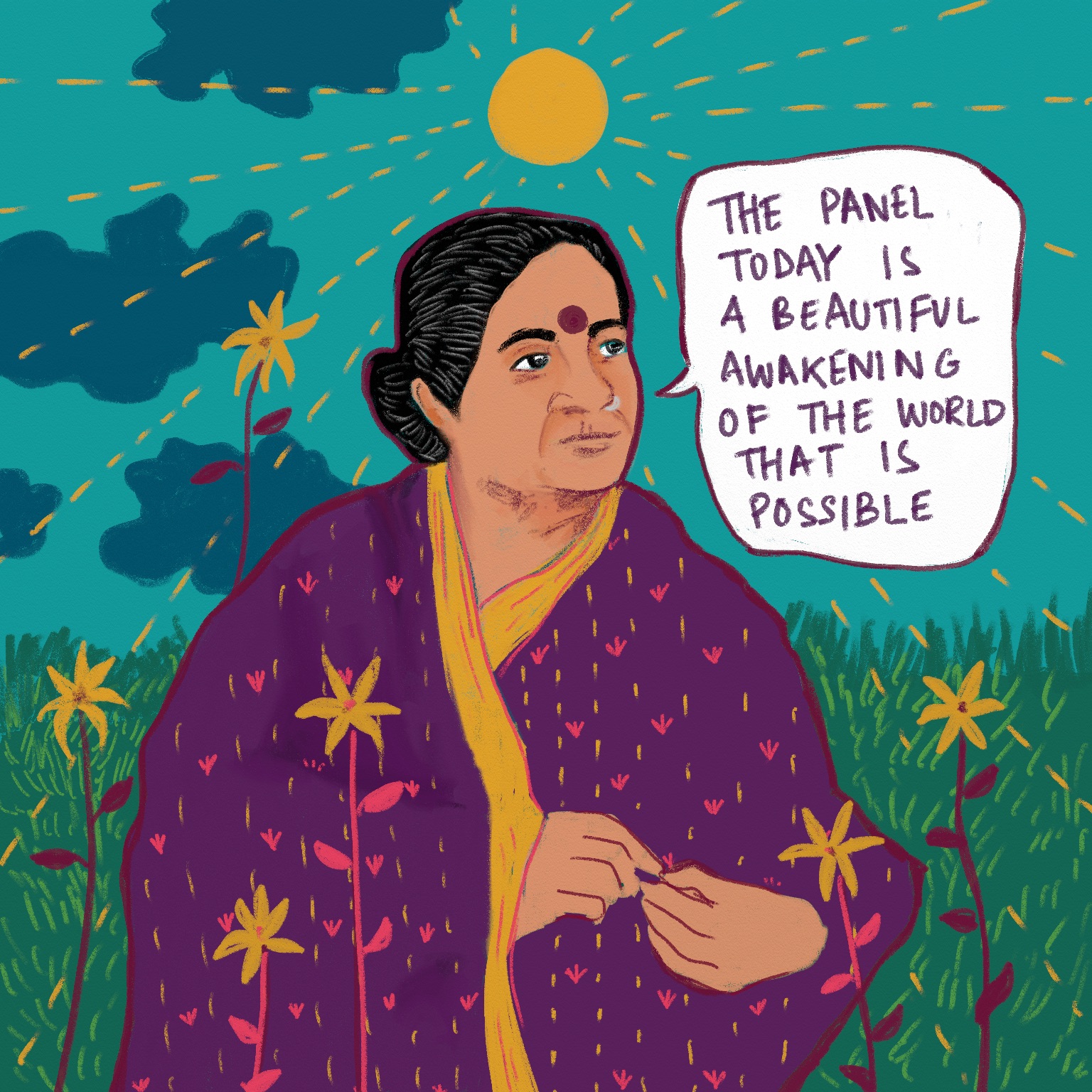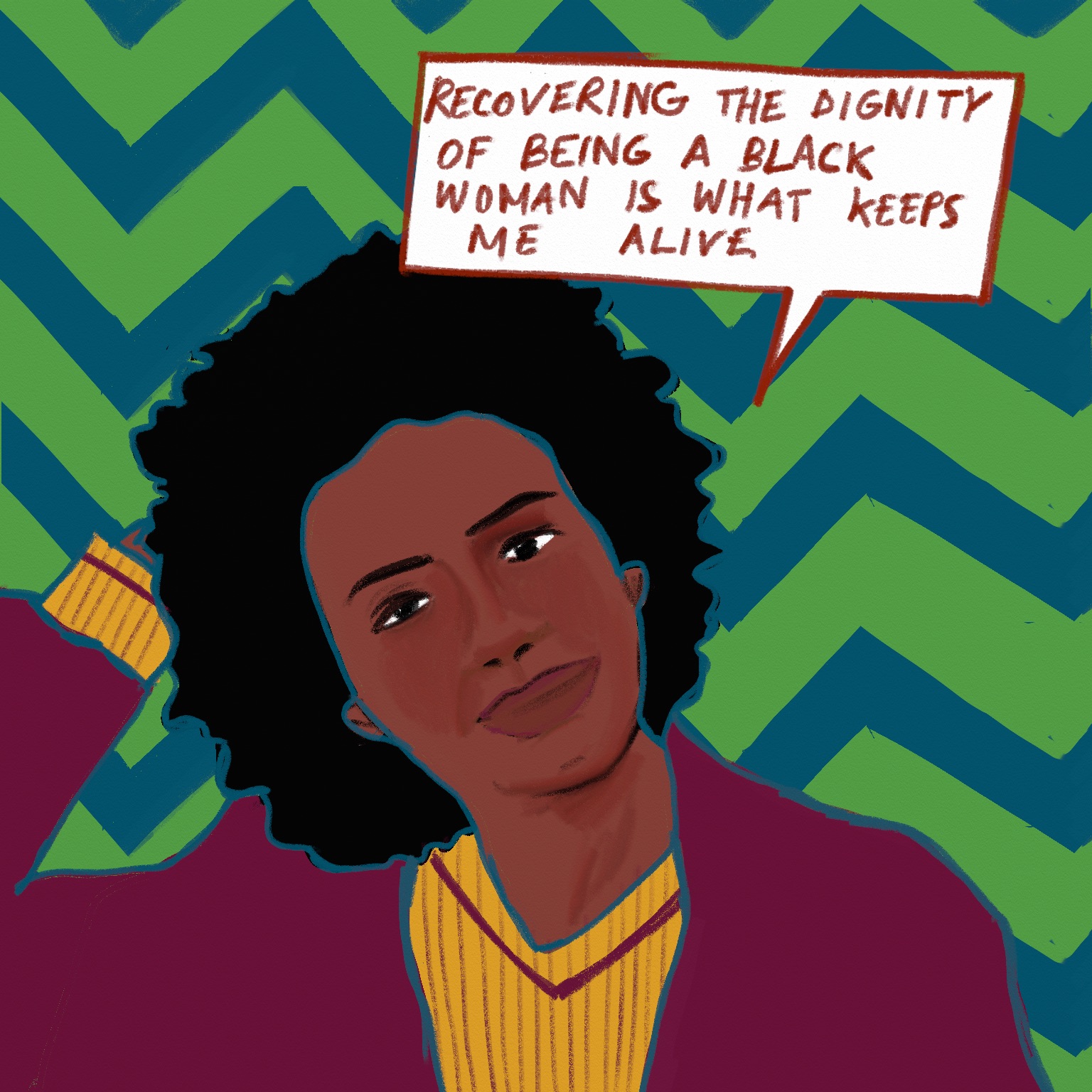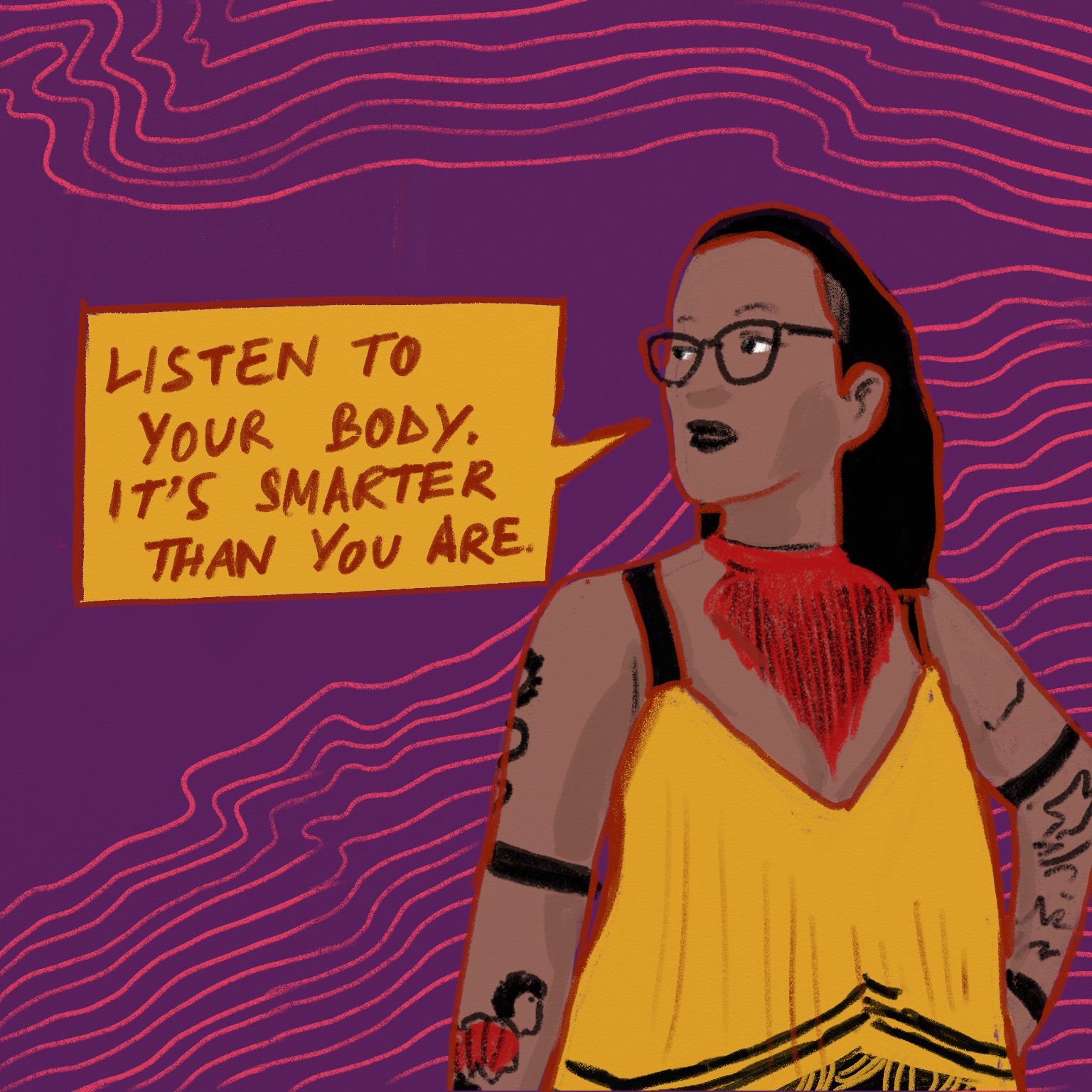
Anit-Racism Movement (ARM) / Flickr (CC BY-NC-ND 2.0)

Priority Areas

Supporting feminist, women’s rights and gender justice movements to thrive, to be a driving force in challenging systems of oppression, and to co-create feminist realities.

Resourcing Feminist Movements

Banner image announcing that WITM Survey is live.


The “Where is the Money?” #WITM survey is now live! Dive in and share your experience with funding your organizing with feminists around the world.

Learn more and take the survey


Around the world, feminist, women’s rights, and allied movements are confronting power and reimagining a politics of liberation. The contributions that fuel this work come in many forms, from financial and political resources to daily acts of resistance and survival.


AWID’s Resourcing Feminist Movements (RFM) Initiative shines a light on the current funding ecosystem, which range from self-generated models of resourcing to more formal funding streams.

Through our research and analysis, we examine how funding practices can better serve our movements. We critically explore the contradictions in “funding” social transformation, especially in the face of increasing political repression, anti-rights agendas, and rising corporate power. Above all, we build collective strategies that support thriving, robust, and resilient movements.


Our Actions

Recognizing the richness of our movements and responding to the current moment, we:

  • Create and amplify alternatives: We amplify funding practices that center activists’ own priorities and engage a diverse range of funders and activists in crafting new, dynamic models  for resourcing feminist movements, particularly in the context of closing civil society space.

  • Build knowledge: We explore, exchange, and strengthen knowledge about how movements are attracting, organizing, and using the resources they need to accomplish meaningful change.

  • Advocate: We work in partnerships, such as the Count Me In! Consortium, to influence funding agendas and open space for feminist movements to be in direct dialogue to shift power and money.

Related Content

2007: CSO engagement rises with the creation of the WWG on FfD

The Women’s Working Group on Financing for Development (WWG on FfD), an alliance of women’s rights organizations and networks, was launched in October 2007 to advocate for the advancement of gender equality, women’s empowerment and human rights in the FfD related UN processes.  

  • The Third High-level Dialogue on Financing for Development, 23-25 October 2007 saw an upsurge in civil society participation. Aside from the six round table sessions, there were hearings for civil society and the business sector.
  • AWID delivered a statement at the plenary on behalf of Civil Society calling for governments to give greater attention to the importance of women’s rights organizations as agents of development, and the need to promote new mechanisms for financing for women in developing and least developed countries. The statement urged governments to give greater support to gender architecture in the United Nations so that the system as a whole could make progress in terms of its commitment to gender equality, women’s empowerment and human rights, including the economic, social, cultural and environmental rights of all persons. 

Snippet - CSW68 - Challenging Corporate Power - EN

Challenging Corporate Power

to Reduce Poverty & Strengthen Human Rights

📅Wednesday, March 13 🕒10.30am-12pm EST
Organisers: AWID, ESCR-Net, Franciscan International, Womankind Worldwide as part of Feminists For a Binding Treaty
🏢 Church Center of the United Nations, 777 United Nations Plaza, New York, 11th Floor

What are some of the debates and conflict areas?

Snippet - WITM Why now_col 1 - EN

Why should I take it now?

A monochromatic orange illustration of a woman with curly hair with her hand on her chin. She seems to inquisitive or posing a question.

Feminist, women’s rights, gender justice, LBTQI+ and allied movements around the world are at a critical juncture, facing a powerful backlash on previously-won rights and freedoms. Recent years have brought the rapid rise of authoritarianism, violent repression of civil society, criminalization of women and gender-diverse human rights defenders, escalating war and conflict in many parts of our world, continued perpetuation of economic injustices, and the intersecting health, ecology and climate crises.

Will the AWID Forum still be in Taipei in light of the COVID-19?

AWID is closely monitoring the global COVID 19 situation and for now anticipates continuing with the Forum as planned.

If at any moment the situation demands  something different, we  will let you know right away.

The 14th AWID International Forum is scheduled to take place 20-23 September 2021 in Taipei,.

More information

Our group, organization and/or movement is not registered, should we take the survey anyway?

Absolutely, we want to hear about your experience with resourcing.

How much time does the survey take to complete?

The estimated time to complete the survey is 30 minutes.

Snippet - Intro WITM - PT

Com base na nossa história de 20 anos de mobilização de mais fundos de melhor qualidade para a mudança social liderada por feministas, a AWID convida a participar da nova edição da nossa pesquisa principal:

"Onde está o dinheiro para a organização feminista?"

(WITM)

PARTICIPE NO INQUÉRITO!Veja o tutorial

Please select your language in the upper right corner of the page.

Snippet - WITM To make - AR

لجعل الواقع المركّب لتمويل الأشكال المختلفة من التنظيم النسوي، مرئي

Body

Resources to support feminist movements, policy-makers, and allies!

English title

This is an English article

- translated from the French article

Snippet - WITM About the survey - RU

Об опросе

  • Глобальный и разнообразный: Размышления о ресурсных реалиях феминистских организаций в глобальном и региональном масштабе.
  • Контекстуализированный: Объединение голосов, точек зрения и опыта феминистских движений во всем их богатстве, смелости и разнообразии.
  • Совместно созданный: Разработка и апробация опроса в тесном сотрудничестве с членами AWID и партнерками(-рами) по движению.
  • Дополняющий: С помощью активисток(-тов), феминистских грантодательниц(-телей) и союзниц(-ков), дополняет и усиливает имеющуюся информацию о состоянии ресурсов организаций, занимающихся вопросами феминизма, прав женщин и гендерной справедливости.
  • Многоязычный: Доступен на арабском, английском, французском, португальском, русском и испанском языках.
  • Конфиденциальность и безопасность прежде всего: Мы обязуемся обеспечить конфиденциальность и неприкосновенность ваших данных. Ознакомьтесь с нашей политикой конфиденциальности, чтобы понять, какие меры мы принимаем, чтобы защитить полученные от вас сведения.
  • Доступный: Доступен для людей с различными нарушениями слуха, зрения, движений и когнитивных способностей. Прохождение опроса занимает около 30 минут.
  • Воспроизводимый: Может быть воспроизведен различными организациями в специфических контекстах; инструменты для проведения опроса будут доступны для широкой аудитории для проведения дополнительных исследований и адвокации.
Body

1. Gather your resources

This section highlights key resources recommended by AWID so you can conduct your own WITM research.

In this section

People needed

  • 1 or more person(s) to lead overall implementation of research methodology and ensure all key pieces are on track (Sections 2-11)
  • 1 or more person(s) to conceptualize the key research objectives and guiding questions
  • 1 or more person(s) to refine and conduct the research methodology, including collecting data
  • 1 or more person(s) to conduct relevant qualitative and quantitative analysis of collected data
  • 1 or more person(s) to document and package research findings for desired audience(s)
  • 1 or more person(s) to serve as an editor to your final products
  • 1 or more person(s) to conduct outreach to spread the word about your survey and advocacy using your research results

Back to top


Potential expenses

  1. Staff and/or consultant salaries
  2. Data analysis software if conducting analysis of large dataset in-house. Options:
    - SPSS
    - Stata
    - R (this is free)
  3. Cost of producing publications and research products
  4. If desired, incentive prize that survey participants can win if they complete the survey
  5. If desired, incentives to offer your advisors

Back to top


Estimated time

  • For research process: 6 to 18 months, depending on size of dataset(s) and staff capacity
  • For advocacy: 1-2 years, as determined by your organizational goals

Back to top


Resources needed

  • List of advisor organizations, donors and activists
  • List of online spaces and events/networks to distribute your survey and present your survey results
  • List of donors, activists, and women’s rights organizations to interview
  • Prepared interview questions
  • List of publication sources to use for desk research

Back to top


Resources available

Online tools

Once you gather these resources, you can estimate the costs for your research using our “Ready to Go? Worksheet”

Back to top


Previous step

Before you begin

Next step

2. Frame your research


Previous step

Before you begin

Next step

2. Frame your research


The Ready to Go? Worksheet helps you estimate resources, staff and budget needed for your research

Download the toolkit in PDF

Snippet - WITM FAQ - AR

الأسئلة الأكثر شيوعاً

Community knowledge to build just futures

Context

Today, many community knowledge systems are at risk.

Fast-paced economic, political, and cultural changes are bulldozing environments, practices and livelihoods. Various forms of knowledge are being erased from practice, commodified and colonized in the massive swallow of globalisation and in the promise of short-term gains or band aid solutions.

Definition

Buen Vivir, a concept adapted from Andean Indigenous peoples’ knowledges, is described as the collective achievement of a life in fulfillment, based
on harmonic and balanced relations among human beings and all living beings, in reciprocity and complementarity. It means acknowledging that human beings are a part
of nature, we depend on nature and are inter-dependent among ourselves.

Inherent in Buen Vivir is a vision that integrates production and reproduction as inseparable processes of the economy, of wealth production and living conditions.

Feminist perspective

In this sense, a broad understanding of Buen vivir from a feminist lens values relationships and resources mobilized in production and reproduction cycles—favouring equilibrium of not just the market kind—to guarantee continuity and changes as long as they are compatible with economic justice and life sustainability.

From a feminist perspective there have also been criticisms of the binary conceptions of gender and complementary of men and women. Binary conceptions leave little space for a deeper discussion on heteropatriarchy and non-conforming gender relationships.

Nevertheless, one of the main contributions of centralizing the principle of Buen Vivir to political, economic and social frameworks, is that equality is no longer the paradigm of individual rights, but the transformation of society as a whole.


Learn more about this proposition:

Part of our series of


  Feminist Propositions for a Just Economy