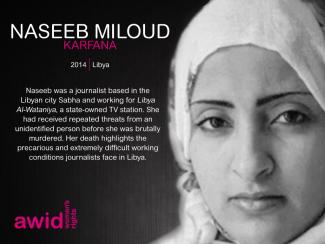
Naseeb Miloud Karfana

Feminist Realities are the living, breathing examples of the just world we are co-creating. They exist now, in the many ways we live, struggle and build our lives.
Feminist Realities go beyond resisting oppressive systems to show us what a world without domination, exploitation and supremacy look like.
These are the narratives we want to unearth, share and amplify throughout this Feminist Realities journey.
Create and amplify alternatives: We co-create art and creative expressions that center and celebrate the hope, optimism, healing and radical imagination that feminist realities inspire.
Build knowledge: We document, demonstrate & disseminate methodologies that will help identify the feminist realities in our diverse communities.
Advance feminist agendas: We expand and deepen our collective thinking and organizing to advance just solutions and systems that embody feminist values and visions.
Mobilize solidarity actions: We engage feminist, women’s rights and gender justice movements and allies in sharing, exchanging and jointly creating feminist realities, narratives and proposals at the 14th AWID International Forum.
As much as we emphasize the process leading up to, and beyond, the four-day Forum, the event itself is an important part of where the magic happens, thanks to the unique energy and opportunity that comes with bringing people together.
Build the power of Feminist Realities, by naming, celebrating, amplifying and contributing to build momentum around experiences and propositions that shine light on what is possible and feed our collective imaginations
Replenish wells of hope and energy as much needed fuel for rights and justice activism and resilience
Strengthen connectivity, reciprocity and solidarity across the diversity of feminist movements and with other rights and justice-oriented movements
Learn more about the Forum process
We are sorry to announce that the 14th AWID International Forum is cancelled
Given the current world situation, our Board of Directors has taken the difficult decision to cancel Forum scheduled in 2021 in Taipei.
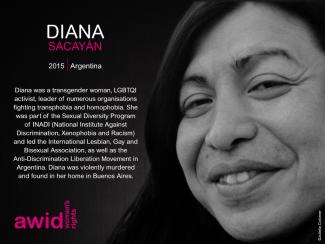
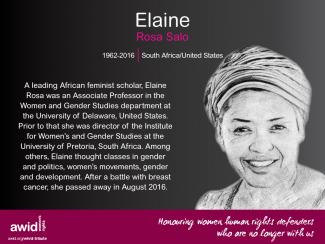
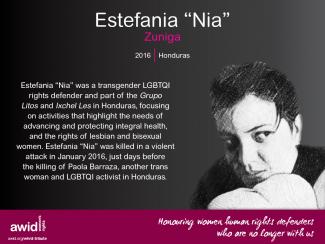
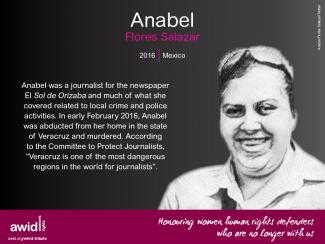
The data from our tribute indicate that Mexico is a particularly dangerous country for defenders. Out of the 12 Mexican Women Human Rights Defenders (WHRDs) we commemorate in this years’ Tribute, 11 were murdered. They were journalists, women’s rights advocates, trans* rights and social activists. Join us in remembering and honoring these WHRDs, their work and legacy by sharing the memes below and tweeting by using the hashtags #WHRDTribute and #16Days.
Please click on each image below to see a larger version and download as a file


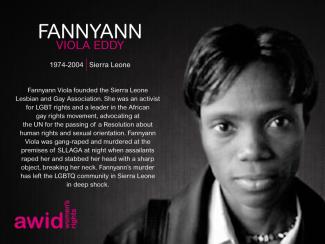
THE EXCLUSION, STIGMA AND INSTITUTIONAL ABUSE
that trans and travesti people continue to face on a daily basis
Now that you have analyzed all your data – from your survey, interviews, desk research and potentially other sources – you can create your final product.
In this section:
- Create your final product
1. Write clearly
2. Make it pretty- Gather review and inputs
1. Polish your results
2. Facilitate the feedback
Your final product will be the document that will summarize, analyze and criticize your data. That will be the piece that you will share with your community to present and explain your research to your audience.
At AWID, we often write a comprehensive written report that analyzes each set of data and synthesizes all of our findings, then later create smaller products, such as infographics and summaries (explained in the subsequent section “Finalize and format”).
Importance of the editor
An editor will proofread, ensure concise writing, conduct fact-checking, point out inconsistencies that need to be resolved, arrange the flow of the document and possibly suggest titles.
Your editor should preferably be someone who understands and knows your WITM work but who was not directly involved in the research. This will bring in a fresh perspective.
Use the data collected to create graphs and tables. These type of visuals are a compelling way to highlight the main findings of your research and validate your analysis.
Source relevant images that can illustrate your report.
Highlight key-numbers and/or powerful testimonials.
Remember: The more accessible your product is, the more people will want to read (and share!) it.
At this point, you have collected all your data, analyzed it and transformed it into your final product, likely in a long report.
Before moving on to the next steps – you should share your final research product with your advisor organizations, activists, and donors.
This is a great moment to check the following points:
Once you have inputted all feedback from your advisors, be sure to run it by your editor once more.
This will now be the final, completed version of your report. If you intend to publish the final report in other languages, now is the time to send it for translation.
This is a significant contribution from your advisors. Consider offering them some form of recognition.

• 2 - 5 months
• 1 or more research person(s)
• 1 Editor (or web-editor if you create an online product)
• Translator(s), if done in more than one language
• List of advisor organizations, activists, and donors.
• Concept note (from “Frame your research” section)
• Survey topline results
• Prepared interview questions
• Interview results
• Desk research data
• All other data used in report
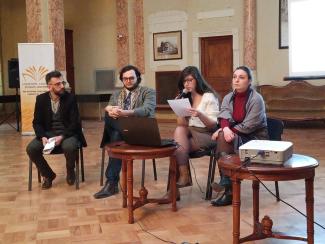

Ассоциация «Права женщин в развитии» и Фонд «Красный зонт» приглашают Вас принять участие в диспуте-семинаре на тему феминизма и секс-работы.

10 ноября 2020г. в 14:00 по UTC (сверьтесь с вашим местным временем)
В рамках данной сессии, сотрудницы (-ки) Ассоциации «Права женщин в развитии» будут делиться своими знаниями и опытом работы в условиях виртуального общения. Мы поговорим об основных сложностях и интерсекциональности в работе секс-работниц (-ков) и феминисток (-ов).
Подумайте над своими вопросами!
Для участниц (-ков) будет предоставлен перевод на испанский, французский и русский языки.
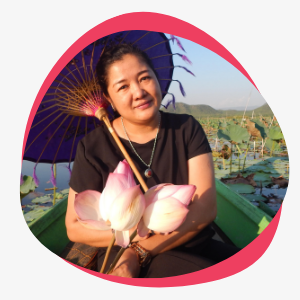
Кей Тхи является секс-работницей и с 2007 года лоббирует вопросы здоровья и прав секс-работниц (-ков). За последние девять лет она участвовала в программе по предупреждению ВИЧ среди женщин, работающих в секс-индустрии, и мужчин, имеющих половые связи с мужчинами, в Мьянме. В настоящее время Кей Тхи является региональной координаторкой Азиатско-Тихоокеанской сети секс-работниц (-ков) (АТССР) и работает с партнерами по всему Азиатско-Тихоокеанскому региону.
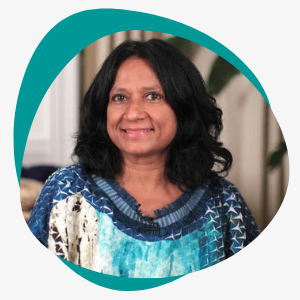
Гитанджали является соосновательницей и исполнительной директоркой организации CREA (Нью-Дели). Она феминистка и любительница кино, работала по вопросам сексуальности, репродуктивного здоровья, гендера, прав человека и насилия в отношении женщин на различных уровнях - в качестве активистки, грантодательницы и на директивном уровне.
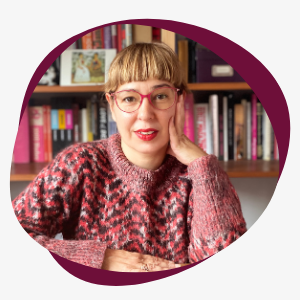
Вера присоединилась к фонду «Красный зонт» в августе 2017 года в качестве сотрудницы по программам. Вера родилась в Испании, где окончила факультет журналистики Университета Сан Пабло в Валенсии. Последние 7 лет она является активной участницей организации «X-talk», очень вовлечена в работу Коллектива Стриптизерш (-ров) Восточного Лондона, а также является участницей съемочной группы «Опера секс-работниц (-ков)».
Заинтересованы в том, чтобы вскоре стать частью этого диспут-семинарa и других обучения?!
What does an AWID Forum mean to those who have been there? What is this magic that happens when feminists from around the world gather to celebrate, strategize, learn and share joy?
AWID spoke to over forty Forum participants to hear their stories of the transformations that happened to them as activists, to their organizations and to the movements they are part of. We also learned about what we should keep and build on that makes an AWID Forum different and how we can improve.
This report holds lessons and advice invaluable to anyone planning in-person regional and thematic convenings and for us as we plan for the 15th AWID International Forum.
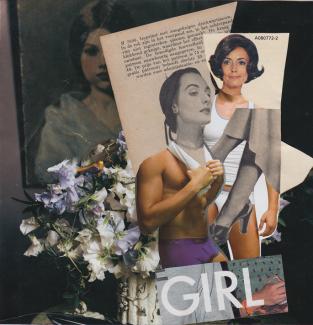
Bunga or flower in English is something that is often associated with women in Indonesia. Meaning, a flower can also be associated with transgender women. Because transgender women are women. As beautiful, as strong, and they both lived not only waiting to be 'picked' but instead grew and bloom and died as they pleased. This work is a tribute to my transgender women friends on The International Transgender Day of Visibility.
