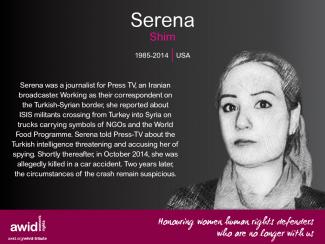
Serena Shim

Feminist Realities are the living, breathing examples of the just world we are co-creating. They exist now, in the many ways we live, struggle and build our lives.
Feminist Realities go beyond resisting oppressive systems to show us what a world without domination, exploitation and supremacy look like.
These are the narratives we want to unearth, share and amplify throughout this Feminist Realities journey.
Create and amplify alternatives: We co-create art and creative expressions that center and celebrate the hope, optimism, healing and radical imagination that feminist realities inspire.
Build knowledge: We document, demonstrate & disseminate methodologies that will help identify the feminist realities in our diverse communities.
Advance feminist agendas: We expand and deepen our collective thinking and organizing to advance just solutions and systems that embody feminist values and visions.
Mobilize solidarity actions: We engage feminist, women’s rights and gender justice movements and allies in sharing, exchanging and jointly creating feminist realities, narratives and proposals at the 14th AWID International Forum.
As much as we emphasize the process leading up to, and beyond, the four-day Forum, the event itself is an important part of where the magic happens, thanks to the unique energy and opportunity that comes with bringing people together.
Build the power of Feminist Realities, by naming, celebrating, amplifying and contributing to build momentum around experiences and propositions that shine light on what is possible and feed our collective imaginations
Replenish wells of hope and energy as much needed fuel for rights and justice activism and resilience
Strengthen connectivity, reciprocity and solidarity across the diversity of feminist movements and with other rights and justice-oriented movements
Learn more about the Forum process
We are sorry to announce that the 14th AWID International Forum is cancelled
Given the current world situation, our Board of Directors has taken the difficult decision to cancel Forum scheduled in 2021 in Taipei.
The Sex Workers' Trade Union Organisation (Organización de Trabajo Sexual, OTRAS) is the first union of sex workers in the history of Spain. It was born out of the need to ensure social, legal and political rights for sex workers in a country where far-right movements are on the rise.
After years of struggles against the Spanish legal system and anti-sex workers groups who petitioned to shut it down, OTRAS finally obtained its legal status as a union in 2021.
Its goal? To decriminalize sex work and to ensure decent working conditions and environments for all sex workers.
The union represents over 600 professional sex workers, many of whom are migrant, trans, queer and gender-diverse.
“If we can inherit trauma, can we inherit an imprint related to love?”
Through labor and union organizing, Sopo, Sabrina and Linda are not only fighting for the rights of essential workers, women workers, migrant workers and sex workers, but the rights of all workers.
The fight to end workers’ exploitation is a feminist struggle, and shows us that there are no feminist economies without feminist unions.
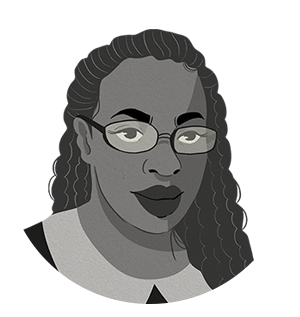
تشينيلو أونوالو، مستشارة في الشؤون التحرِيرية، مع 10 سنوات من الخبرة في صياغة الاتصالات الاستراتيجية للمنظمات غير الربحية في جميع أنحاء العالم. من بين عملائها منظمة ActionAid Nigeria و BBC World Trust و Open Society Initiative for West Africa و AWID. حائزة على درجة الماجستير في الصحافة من جامعة سيراكيوز. عملت كاتبة ومحررة وباحثة في نيجيريا وكندا والولايات المتحدة. وهي أيضًا محررة في مجلة Anathema والمؤسس المشارك في Omenana، وهي مجلة من قصص الخيال الأفريقي. ظهرت قصصها القصيرة في العديد من المختارات الحائزة على جوائز، ورُشّحت لجوائز الخيال العلمي البريطانية، وجوائز نومو للخيال الأفريقي المضارب، وجائزة يوم القصة الافريقية القصيرة. تشينيلو من نيجيريا لكنها تعيش في تورنتو مع شريكها وطفلها.
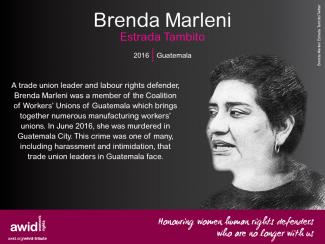
By joining AWID, you are becoming part of worldwide feminist organizing, a collective power that is rooted in working across movements and is based on solidarity.
As part of our commitment to engage more deeply with artists and the practice of co-creating Feminist Realities, AWID collaborated with an Artist Working Group to advance and strengthen feminist agendas and realities in their communities and movements through their creative expression. Our intention here is to bring feminist creatives together in a powerful and brave space where they grow and live freely, and where they shatter toxic narratives to replace them with transformative alternatives.
This exhibition gathers the work of artists and collectives from across the globe, those who are actively creating the difference that we want to see in the world. These feminist creatives include Upasana Agarwal, Nicole Barakat, Siphumeze Khundayi, Katia Herrera, Ali Chavez Leeds, Colectivo Morivivi, Ika Vantiani, and the curators behind the #MeToo in China exhibition. Their voices stand strong in their refusal to accept the limitations imposed by patriarchy, and amplify their commitments to the communities they are working in and with. In their own way, each artwork represents daily acts of resistance, untold stories and identities, connections to land and ancestry, and most importantly, the solidarity that exists within and amongst feminist movements and struggles. These artists are both inspired by and inspire creative strategies of feminist resistance and initiatives that show us how we can all live in a more just world - a world that centers care and healing.
Related content
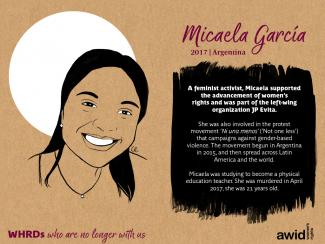
TeleSUR: Outrage Shakes Argentina After Murder of Anti-Femicide Activist
With up to 2,500 participants on-site and 3,000 virtual/hybrid participants, it will be the largest AWID Forum ever. We envision multiple spaces for meaningful connection, learning, exchange, strategic conversations, healing and celebration. It is the first time we gather in this space since the pandemic, and we can’t wait.

ประเด็นหลักของเวที – ลุกขึ้นพร้อมกัน (Rising Together) เป็นการเชิญชวนให้ทุกคนกลับมาอยู่กับตัวเองเพื่อเชื่อมต่อซึ่งกันและกันอย่างมีสมาธิ เอาใจใส่ และกล้าหาญ เพื่อให้เราสามารถรู้สึกถึงจังหวะการเต้น ของหัวใจของการเคลื่อนไหวทั่วโลก และลุกขึ้นมารับมือกับความท้าทายในยุคนี้ไปด้วยกัน
นักสตรีนิยม นักปกป้องสิทธิสตรี ความยุติธรรมทางเพศ LBTQI+ และขบวนการพันธมิตรทั่วโลกกำลังอยู่ ในช่วงหัวเลี้ยวหัวต่อที่สำคัญ คือเผชิญกับแรงตอบโต้สิทธิเสรีภาพที่เคยได้รับก่อนหน้านี้ ช่วงไม่กี่ปีที่ผ่านมา ลัทธิอำนาจนิยมเติบโตอย่างรวดเร็ว การปราบปรามภาคประชาสังคมอย่างรุนแรง และการทำให้สตรีและ นักปกป้องสิทธิมนุษยชนที่มีความหลากหลายทางเพศกลายเป็นอาชญากร สงครามและความขัดแย้งที่ ทวีความรุนแรงขึ้นในหลายส่วนของโลก ความอยุติธรรมทางเศรษฐกิจยังคงดำเนินต่อไป รวมทั้งวิกฤตการณ์ ด้านสุขภาพ นิเวศวิทยาและสภาพภูมิอากาศ
การเคลื่อนไหวของเรากำลังสั่นคลอน และในขณะเดียวกันเราก็พยายามสร้างและดำรงความเข้มแข็งและ อดทนเพื่องานข้างหน้า เราไม่สามารถทำงานนี้โดยลำพังในห้องเล็กๆของเราได้ การเชื่อมต่อและ การเยียวยาจึงเป็นสิ่งสำคัญในการปรับเปลี่ยนความไม่สมดุลของพลังงานและข้อบกพร่องภายในการเคลื่อน ไหวของเราเอง เราต้องทำงานและวางยุทธศาสตร์ในลักษณะที่เชื่อมโยงกัน เพื่อที่เราจะสามารถเติบโต ไปด้วยกันได้ เวที AWID จะส่งเสริมองค์ประกอบสำคัญของการเชื่อมโยงถึงกันกับพลังความสามารถ การเติบโต และการสร้างความเปลี่ยนแปลงของนักสตรีนิยมทั่วโลก
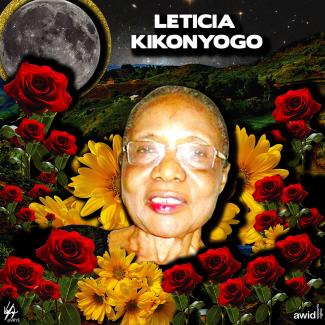
Prior to her retirement, she held many high profile positions including member of the Court of Appeal of Uganda and Deputy Chief Justice of Uganda. She was the first Ugandan woman to hold the position of Chief Magistrate between 1973 and 1986 and the first woman to be appointed High court judge in 1986.
She was one of the first ever women papal knights in the history of the Catholic Church in Africa. She died of a heart attack.
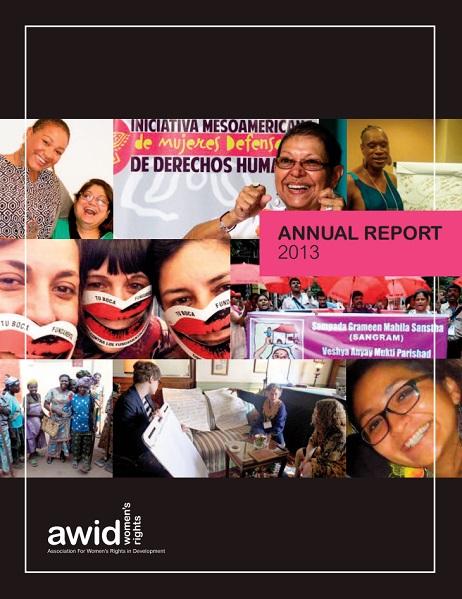
2013 marked the beginning of our 2013-2016 Strategic Plan, developed in response to the current global context. This report provides highlights of our analysis of the global context, how we position ourselves as a global feminist membership organization in this context, the outcomes we seek to achieve, and how our work is organized to achieve these outcomes.