Sabriya Simon
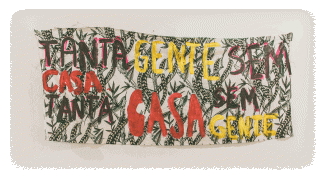
Marcha da Mulheres Negras 2016

Priority Areas

Supporting feminist, women’s rights and gender justice movements to thrive, to be a driving force in challenging systems of oppression, and to co-create feminist realities.

Co-Creating Feminist Realities

While we dream of a feminist world, there are those who are already building and living it. These are our Feminist Realities!

What are Feminist Realities?

Feminist Realities are the living, breathing examples of the just world we are co-creating. They exist now, in the many ways we live, struggle and build our lives.

Feminist Realities go beyond resisting oppressive systems to show us what a world without domination, exploitation and supremacy look like.

These are the narratives we want to unearth, share and amplify throughout this Feminist Realities journey.

Transforming Visions into Lived Experiences

Through this initiative, we:

  • Create and amplify alternatives: We co-create art and creative expressions that center and celebrate the hope, optimism, healing and radical imagination that feminist realities inspire.

  • Build knowledge: We document, demonstrate & disseminate methodologies that will help identify the feminist realities in our diverse communities.

  • Advance feminist agendas: We expand and deepen our collective thinking and organizing to advance just solutions and systems that embody feminist values and visions.

  • Mobilize solidarity actions: We engage feminist, women’s rights and gender justice movements and allies in sharing, exchanging and jointly creating feminist realities, narratives and proposals at the 14th AWID International Forum.


The AWID International Forum

As much as we emphasize the process leading up to, and beyond, the four-day Forum, the event itself is an important part of where the magic happens, thanks to the unique energy and opportunity that comes with bringing people together.

We expect the next Forum to:

  • Build the power of Feminist Realities, by naming, celebrating, amplifying and contributing to build momentum around experiences and propositions that shine light on what is possible and feed our collective imaginations

  • Replenish wells of hope and energy as much needed fuel for rights and justice activism and resilience

  • Strengthen connectivity, reciprocity and solidarity across the diversity of feminist movements and with other rights and justice-oriented movements

Learn more about the Forum process

We are sorry to announce that the 14th AWID International Forum is cancelled

Given the current world situation, our Board of Directors has taken the difficult decision to cancel Forum scheduled in 2021 in Taipei. 
Read the full announcement

Find out more!

Related Content

Snippet FEA Lohana Berkins (EN)

One of the founding leaders of the cooperative was Lohana Berkins, an activist, defender and promoter of transgender identity. Lohana played a crucial role in the struggle for the rights of trans and travesti people. 

This brought about, among many other things, the passing of the Gender Identity Law. It is one of the most progressive legislations in the world, guaranteeing fundamental rights to trans and travesti people. Now, people can change their names and genders only with an affidavit, and have access to comprehensive healthcare without judicial or medical intervention/approval (Outright International, 2012).

9. Advocate and tell the world!

The results of your research will also shape your advocacy – for example, your results will have revealed which sectors fund the most and which sectors you feel need donor education.

In this section

Build your advocacy strategy

In the “Frame your research” section of this toolkit we recommend that you plot out what goals you hope to accomplish with your research. These goals will allow you to build an advocacy strategy once your research is complete.

An advocacy strategy is a plan of distributing your research results in a way that allows you to accomplish your goals, falling under the broader goal of advocating with key sectors to make positive changes for resources for women’s rights organizing.

Using the goals defined in your research framing:

  • List the potential groups of contacts who can be interested in your research results
  • For each group, explain in one sentence how they can help you achieve your goal.
  • For each group, mark what tone you are supposed to use to talk to them (formal professional, commentary casual, do they understand the field’s jargon?)
  • List every media that can allow you to reach these audiences, in the proper tone (social media to build community feeling, press release for official announcement to a general audience, etc.)

From this list – as exhaustive as possible, chose which ones are the most efficient for achieve your goals. (See below for specific examples of audiences and advocacy methods)

Once you have a strategy, you can start the dissemination.

Back to top


Reach out to your network

To disseminate your results, reach out first to the contacts through whom you distributed your survey, as well as to all your survey and interview participants.

  • First, take this opportunity to thank them for contributing to this research.
  • Share with them the main survey results and analysis.
  • Make it easy for them to disseminate your product through their networks by giving them samples of tweets, Facebook posts or even a short introduction that they could copy and paste on their website.

Do not forget to state clearly a contact person and ask for a confirmation once they have published it.

On top of making you able to track who disseminated your report, it will help build stronger relationships within your network.

Back to top


Adapt your strategy to the sector

As an example, we present below a list of sectors AWID engages in advocacy.

  • Use this list as a point of departure to develop your own sector-specific advocacy plan.
  • Create an objective for what you hope to accomplish for each sector.
  • Be sure to add any additional sectors to this list that are relevant for your particular research, such as local NGOs or local governments, for example.

Your list of advisory organizations and individuals will also be useful here. They can help you disseminate the report in different spaces, as well as introduce you to new organizations or advocacy spaces.

1. Women’s rights organizations

Sample objectives: Update women’s rights organizations on funding trends; brainstorm collaborative efforts for resource mobilization using research findings; influence how they approach resource mobilization

Examples of possible advocacy methods:

  • Offer seminars, learning cafés or other events throughout your region, in relevant languages, in order to update women’s rights organizations with the findings of your research.

  • If you can’t physically reach everyone in your region, think about setting-up a webinar and online presentations.

  • Present your findings at larger convenings, such as the Commission on the Status of Women (CSW).

  • Beyond your own organizations’ newsletters and website, write articles on different platforms that are frequented by your target audience.
    Some examples: World Pulse, OpenDemocracy, feministing.

2. Bilaterals and multilaterals

Sample Objective: Raising awareness about how funding is not meeting established commitments and how this sector needs to improve funding mechanisms to finance women’s rights organizing.

Identify which bilateral & multilaterals have the most influence on funding – this could include local embassies.

Examples of possible advocacy methods:

  • Enlist ally organizations and influential individuals (some may already be your advisors for this research process) to do peer education.
  • Seek their assistance to disseminate research finding widely in large multilaterals (like the UN).
  • Present at and/or attend influential spaces where bilaterals and multilaterals are present, such as GENDERNET .
  • Publish articles in outlets that are read by bilaterals and multilaterals such as devex, Better Aid, Publish What You Pay.

3. Private foundations

Sample Objective: Expand the quality and quantity of support for women’s rights organizations.

Examples of possible advocacy methods:

4. Women’s funds

Sample Objective: Encourage them to continue their work at higher scale.

Examples of possible advocacy methods:

  • Hold presentations at the women’s funds in your region and in countries that you hope to influence.
  • Disseminate your research findings to all women’s funds that impact the region, priority issue or population you are focusing on.
  • Consider doing joint efforts based on the results of the findings. For example, you could propose to collaborate with a fund to develop an endowment  that closes the funding gaps found in your research.

5. Private sector and new donors

Sample Objective: Increase their understanding of the field and encourage coherence between their philanthropic interests and business practice.

Examples of possible advocacy methods:

  • Enlist ally organizations and influential individuals (some may already be your advisors for this research process) to do peer education.
  • Arrange meetings with influential private actors to present your research findings.
  • Host your own meeting, inviting private sector actors, to share the findings and to advocate for your position.

Make sure to adapt your presentations, propositions and applications to each targeted group.

Back to top


Previous step

8. Finalize and format


Are you ready to start your own research?

We strongly recommend referring to our Ready to Go worksheet to assess your own advancement.


Estimated time:

• 1-2 years, depending on advocacy goals

People needed:

• 1 or more communications person(s)

Resources needed:       

• List of spaces to advertise research
• List of blogs and online magazines where you can publish articles about your research finding
• List of advisors
• Your WITM information products
Sample of Advocacy Plan


Previous step

8. Finalize and format


Ready to Go? Worksheet

Download the toolkit in PDF

Snippet FEA Georgia's minimum wage (EN)

Georgia's minimum wage is in the bottom percent of all countries in the world. This reality affects mostly women.

The country not only has a significant gender pay gap, but women also work longer, more unregulated hours before going home to take care of housework and their families. There is no maternity pay, no wage increase for overtime work, no unemployment insurance, and no pay for sick leave or other social protection. Pressured by Western organizations, Georgian oligarchic political parties have been implementing reforms that are destroying the welfare state, increasing austerity measures, and worsening worker exploitation - all for the benefits of big corporations which are applauding the country for its “ease of doing business”. Mass media, coerced by private and corporate interests, either remain silent or biased on these issues. Union organizing remains one of the very few options to fight for basic human rights, and for holding the State and corporations accountable in the face of daily, pervasive violations and persecutions, especially against women.

Sources: Minimum-Wage and Interview with Sopo Japaridze to OpenDemocracy

Thank you to our partners

Our partners

This project is built in collaboration with:

FEMNET-logo (grey)
Rutgers-logo (grey)

Our contributors

We would also like to thank the following people for their valuable contribution:

  • Nebila Abdulmelik
  • Radhika Balakrishnan
  • Selamawit Tesfaye
  • Hakima Abbas
  • Patita Tingoi
  • Ana Abelenda

Snippet FEA Unfair Policies (EN)

Pink justice scales

UNFAIR POLICIES

Twitter Test

Snippet FEA Union Otras Photo 4 (EN)

Photo of a group of people at night demonstrating.

Test basic page

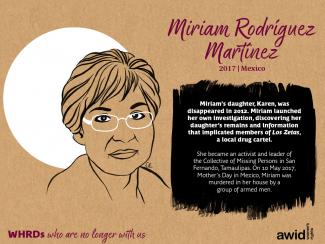
Miriam Rodríguez Martínez

Snippet FEA We are living in a world left (EN)

We are living in a world where the destruction of Nature fuels our current global economy.

Ali Chavez Leeds

tasseography print justice. Print on paper, 4 color screen print, 8.5x11, 2016
Print on paper, 4 color screen print, 8.5x11, 2016

 “Tasseography”

Tasseography is the study of coffee grounds and/or tea leaves for the act of divination. It is a practice that has been passed down through the women on my Armenian side of the family and was taught to me by my mother, she from her mother, and so on. As I would watch my Nana read the coffee grounds from the Armenian coffee prepared for family and friends, I would notice how often times she would see what she would want to say. These prints say some of the things I want to see in the world; I hope you do too.  

Our Promise
Prints on paper, Relief, 11 × 14 in, 2021

 “Our Promise”

This print celebrates the resilience, sacrifice and strength of SWANA freedom fighters throughout history and the solidarity that exists. It was originally inspired by an article I read about an exhibition held in Tatvan, a district of Bitlis that was highlighting the Armenian presence in the region. My ancestors are from Bitlis, now within the borders of modern day Turkey. 

looking at the cup
Prints on paper, Relief, 8.5 × 11 in, 2020

“Looking at the Cup”

Tasseography (the study of reading coffee grounds) is a cultural practice that Armenian women have used for hundreds of years to speak among and to each other, a coded language to open up conversations, to build inter-relatedness and weave connections.

About Ali Chavez Leeds 

]Ali Chavez Leeds portrait
Ali Cat Leeds (she/they) is an artist and print maker living on unceded Cowlitz, Multnomah and Confederated Tribes of Grand Ronde land at the confluence of two rivers, also know as Portland, Oregon. She produces her work under the name Entangled Roots Press. Their prints mingle the literal and metaphorical to illuminate and comment upon the world around us. Relief, screen, and letterpress prints span from the carnage of clear-cuts to the beauty of peoples movements. Ali’s prints pull from ancestral herstories and push towards liberatory futures; entangling lessons from gardens, symbols in coffee cups, woven threads from Armenia and Euskal Herria, to the printed page.

Snippet Forum Location Announcement Body (EN)

The AWID Forum is the world’s largest event that wholeheartedly centers feminist and gender justice movements in all their diversity. It is a transformative space created by and for the movements - where Global South feminists and historically marginalized communities take centerstage, strategize to shift power, and connect with allied movements, funders and policy-makers. And so it is with full and fiery hearts that we share…

The 15th AWID International Forum will take place from December 2-5, 2024 in Bangkok, Thailand!


We hope to gather 2,500 in-person and 3,000 online/hybrid participants. When thousands of feminists come together, we create a sweeping force of solidarity that has the power to change the world! We’re excited, and we know you’re excited too - so stay tuned for more

كلمة العدد | التجسيدات العابرة للحدود

فقدان الكلام 

ترجمة رولا علاء الدين

Chinelo Onwualu
Ghiwa Sayegh
تشينيلو أونوالو غوى صايغ
«لمّا نكون مُستَقتِلين للتغيير، لِكوننا في حالة مرضٍ وتمرّدٍ في آنٍ واحد، تخلو لغتنا من التعقيد وتنصقل لتعكس أبسط ركائزها. (...) لكن، ومع استمرار المرض والثورة، تصبح اللغة المُصاغة في هذه الحالة وعنها أكثرَ عمقاً وأكثرَ تعبيراً عن الفوارق الدقيقة، وتكون منغمسة انغماساً شديداً في التجربة الإنسانية التي يواجه فيها المرءُ حدودَه عند نهاية العالم».

- جوانا هيدفا


بدأنا التخطيط لعدد المجلّة هذا مع نانا داركوا قُبيل مهرجان «ابدعي، قاومي، غيٍّري: مهرجان للحراكات النسوية» لجمعية «حقوق المرأة في التنمية» AWID، وانطلقنا وقتها من سؤالٍ هو بالأحرى ملاحظة حول حالة العالم، ورغبة في تغيير الاعتقادات السائدة: لماذا لا تزال جنسانيّاتنا وملذّاتنا تخضع للترويض والتجريم مع أنّه يتمّ تذكيرنا مراراً وتكراراً بأنّها لا تأتي بأيّ قيمة أو تطوّر؟ واستنتجنا أنّ جنسانيّاتنا، لمّا تتجسّد، فيها ما يتعارض مع النظام العالمي الذي ما زال يتجلّى من خلال ضوابط الحدود، والتمييز العنصري في توزيع اللقاح، والاستعمار الاستيطاني، والتطهير العرقي، والرأسمالية المُستشرية. هل يمكننا إذاً القول إنّ لجنسانيّاتنا قدرةٌ تعطيليّة؟ وهل يصحّ هذا القول عندما ننظر إلى واقع حركاتنا التي يتمّ الاستيلاء عليها ومأسستها في سعيها للتزوّد بالموارد؟

عندما يصبح عملنا المتجسّد مادةً ربحية في أيدي الأنظمة التي نسعى إلى إزالتها فلا عجب أنّ جنسانيّاتنا وملذّاتنا توضَع جانباً من جديد، لا سيّما أنّها ليست مُربِحة بما فيه الكفاية. لقد تساءلنا، في مواقف عدّة خلال إنتاج هذا العدد، ما الذي سيحدث إذا رفضنا مراعاة خدمات الرأسمالية الأساسية؟ لكن هل نجرؤ على هذا التساؤل وقد أنهكنا العالم؟ ربما يتمّ تجاهل جنسانيّاتنا بهذه السهولة لأنها لا تُعتَبَر أشكالاً من أشكال الرعاية. ربما ما نحتاجه هو أن نعيد تصوّر الملذّة كشكلٍ من أشكال الرعاية الجذرية، تكون أيضاً مناهضة للرأسمالية وللمؤسساتية.

بدأنا العام الثاني على التوالي لحالة الجائحة العالمية وكان لا بدّ أن تركّز مقاربتنا للتجسيدات العابرة للحدود القومية على ملاحظة سياسيّة واحدة: أنّ الرعاية هي شكل من أشكال التجسيد. وبما أنّ جزءاً كبيراً من عملنا يتمّ حالياً من دون أيّ اعتبار للحدود بيننا وفينا فنحن جميعاً متجسّدون بشكلٍ عابرٍ للحدود القومية، ونحن جميعاً نفشل. نحن نفشل في رعاية ذاتنا، والأهمّ أننا نفشل في رعاية الآخرين. 

هذا الفشل ليس من صنع أيدينا.

إنّ الكثير من أهالينا اعتبروا العملَ مقايضةً، أي أنّه شيءٌ يُعطى مقابل أجرٍ وضمانة بالحصول على الرعاية. صحيحٌ أنّه تمّ الإخلال بهذه المقايضة أحياناً، لكنّ أهالينا ما كانوا يأملون أنّ عملهم سيوفّر لهم الرِضا الذاتي، وكانوا يعتمدون لهذا الغرض على نشاطهم الترفيهي وهواياتهم ومجتمعاتهم. أمّا اليوم، فنحن، أولادهم الذين تمّت تهيأتنا لنعتبر العمل متشابكاً مع الشغف، توقّعاتنا مختلفة تماماً. نحن لا نفرّق بين العمل والترفيه ونعتبرهما عنصراً واحداً، وبالنسبة للكثيرين بيننا، العمل بات يجسّد الذات بكاملها.

إنّ الرأسمالية القائمة على الأبويّة والمغايَرة الجنسية لا ترى لنا أيّ قيمة، ناهيك عن عملنا وجنسانيّاتنا. إنّه نظامٌ سيستمر في طلب المزيد والمزيد منك إلى يوم مماتك، وبعدها سيستبدلك بشخصٍ آخر. يُنتَظَر منّا أن نكون على اتصال بالإنترنت في كلّ الأوقات، ما يعني أنّه لا يمكننا الانصراف عن العمل حتى لو شئنا ذلك. إنّ هذا التَتْجير للعمل وفصله تماماً عن الشخص قد تسلّل إلى كلّ ناحية من نواحي حياتنا، ويتمّ ترسيخ هذا التَتْجير حتى في الأوساط الأكثر نسويّة والأكثر تمرّداً وتشدّداً.

لطالما حمَلَت تطلّعات الرأسمالية ضرراً كبيراً بالأجساد التي لا تتوافق مع النموذج المثالي، وأولئك الذين يسعون إلى ترسيخ سلطتهم استغّلوا الجائحة كفرصة لاستهداف النساء والأقلّيات الجنسية وكلّ مَن يعتبرونه دون المستوى.

تمّ إعداد هذا العدد الخاص بفعل هذا الواقع، وطبعاً، رغماً عن هذا الواقع.

لقد قدّم المساهمون/ المساهمات والعاملون/ العاملات كلّهم تقريباً مجهوداً يفوق طاقاتهم، وكلٌّ من الأعمال الواردة هنا هو نتاجُ سعيٍ شغوف ولكن أيضاً نتاج حالة إنهاكٍ شديد. يشكّل هذا العدد، بطريقة غايةً في الواقعية، تجسيداً للعمل العابر للحدود القومية، علماً أنّ أيّ عمل في عصرنا الرقمي أصبحَ عابراً لتلك الحدود. وفيما فُرِضَ علينا تقبّل حدود جديدة، وهي حدود لا تخالف النظام القائم سابقاً بل تعزّزه، اختبرنا مباشرةً، إلى جانب مساهمينا، كيف تستنزف الرأسمالية طاقاتنا القصوى – كيف يصبح من الصعب بناء الحجج المتماسكة لا سيّما حينما تكون خاضعة لموعد التسليم. إننا نعاني بشكلٍ جَماعي من فقدان الكلام لأننا أساساً نعاني من فقدان العوالم.

الشعور بالضياع والوحدة في عالم الرأسمالية القائمة على الأبوية والمغايَرة الجنسية هو بالتحديد ما يجعل من الضروري أن نعيد تقييم أنظمة الرعاية التي نتّبعها وأن نُعيد النظر فيها. لقد حوّلنا هذا العدد بوسائل عدّة إلى مهمّة لإيجاد الملذّة في الرعاية. فبما أنّه بات من الصعب بناء الحجج المتماسكة، برزت الوسائط البصرية والمبتكرة وقد لجأ كثرٌ ممن اعتادوا الكتابة إلى هذه الوسائط كطرقٍ لإنتاج المعرفة واختراق الضباب الفكريّ الذي أحاط بنا. لقد ضمّينا في هذا العدد أصواتاً أخرى، بالإضافة إلى أصواتٍ عدّة استمعتم إليها في المهرجان، كوسيلة لإطلاق حوارات جديدة وتوسيع آفاقنا.

بما أنّ كلماتنا قد سُرِقَت منّا، يقضي واجبنا السياسي بأن نستمر في إيجاد الوسائل للحفاظ على أنفسنا والآخرين والاهتمام بأنفسنا وبالآخرين. بالتالي، يصبح تجسّدنا نوعاً من المقاومة إذ هو بداية إيجادنا لسبيل الخروج من الذات ودخولها.
 

Woman with hijab-squiggle

How can I fund my participation in the AWID Forum?

If your group or organization receives funding, you might want to discuss with your funder already now if they are able to support your travel and participation to the Forum. Many institutions plan their budgets for next year early in 2023, so better not delay this conversation for next year.

40 Years of AWID: The Scrapbook

Gather, Seed, and Disrupt.

In 2022, AWID celebrates 40 years since our founding. We’re using this moment to reflect on our past and learn from the road traveled as we prepare to look forward, and to forge the journey ahead. As we move through cycles of progress and pushback, we know that struggles for women’s rights and gender justice are iterative and non-linear. In collaboration with artist Naadira Patel, we created a scrapbook that highlights a handful of snapshots from AWID’s last four decades of feminist movement support.

We have not done all this on our own. We share this with deep appreciation for the constellation of feminist activists and groups that have made this work possible. In this context of so many converging crises, we embrace the opportunity to celebrate the power and resilience of feminist movements around the world.

Explore our scrapbook below:

You can also explore in full-screen mode.

Download the Scrapbook