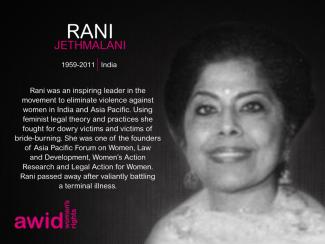
Rani Jethmalani
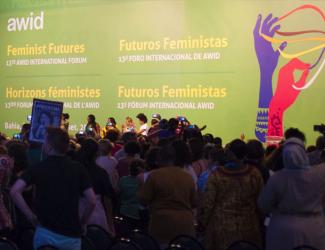
En septiembre de 2016, 1800 feministas y activistas por los derechos de las mujeres de todos los rincones de nuestros movimientos se congregaron en las costas de Bahia, en el 13º Foro Internacional de AWID.
En esta sección se destacan los logros, los aprendizajes y los recursos que surgieron de las ricas conversaciones mantenidas. Te invitamos a analizar, compartir y comentar.
Uno de los aportes más importantes del Foro fue la necesidad de ampliar y profundizar nuestro trabajo entre movimientos, frente a la confluencia de los fascismos en auge, fundamentalismos, codicia corporativa y cambio climático.
Nuestras Iniciativas Semilla han ayudado a 20 ideas que surgieron en el Foro para crecer en forma de acciones concretas
El vídeo «Defendiendo a las Personas y al Planeta» y la guía «Tejiendo la resistencia a través de la acción» estan protagonizados por defensoras de derechos humanos y presentan estrategias concretas para confrontar al poder corporativo
Con nuestras animaciones El estado de nuestros movimientos feministas y Justicia climática y ambiental, los movimientos ahora tienen herramientas creativas para apoyar su trabajo.
La compilación de las expresiones artísticas «Los Movimientos Importan», sigue inspirando una organización más fuerte y creativa en todo el mundo.
Los movimientos también pueden beneficiarse de nuevas metodologías para imaginar nuestros futuros feministas (¡pronto!)
AWID se ha comprometido, mediante su próximo plan estratégico y su proceso del Foro, a continuar y profundizar las relaciones, las lecciones y los procesos iniciados en el Foro 2016 y basándonos en el momento actual.
Los Foros de AWID comenzaron en 1983 en Washington DC. Desde entonces, el evento ha crecido hasta convertirse en muchas cosas para muchas personas: un proceso iterativo para darle forma a nuestros análisis, objetivos y acciones; un hito crucial que fortalece los feminismos de lxs participantes e infunde energías a sus procesos de organización; un hogar político donde lxs defensoras de derechos humanos encuentran un santuario y solidaridad.
تصوير: مريم مكيوي
تصميم وعرض الملابس: النمرة
Forum des femmes sur le financement de l’égalité des genres
La troisième Conférence internationale des Nations Unies sur le financement du développement
The estimated time to complete the survey is 30 minutes.
ترجمة مارينا سمير
«الآن قد يكون وقتًا مناسبًا لإعادة التفكير في الشكل الذي يمكن للثورة أن تتّخذه. ربما لن تبدو كمسيرةٍ من الأجساد الغاضبة والقادرة في الشوارع. ربما ستبدو وكأنّ العالم واقفٌ في ثباتٍ لأن جميع الأجساد الموجودة فيه منهَكة – حيثُ أنّه يجب إعطاء الأولوية للرعاية قبل فوات الأوان».
- جوانا هيدفا
المستشفيات مؤسسات، ومواقع حيّة للرأسمالية، وما يحدث عندما يكون من المفترض أن يستريح شخصٌ ما ليس إلّا نموذجاً مصغّراً من النظام الأكبر. تَعمَد المؤسسات إلى فصلنا عن أنظمة رعايتنا – نَجِد أنفسنا معزولين في بُنى تراتبية راسخة، وغالبًا ما نشعر وكأنّ الرعاية هي شيء يُفعَل بنا بدلاً من أن تكون شيئًا يُعطى ويؤخَذ كجزء من محادثة. الرعاية المؤسسية معزولة بسبب اندماجها في الطلب الرأسمالي: شخص واحد يعالج رِجلك ورِجلك فقط، شخص آخر يعالج ضغط الدم وهكذا.
المستشفيات مؤسسات، ومواقع حيّة للرأسمالية، وما يحدث عندما يكون من المفترض أن يستريح شخصٌ ما ليس إلّا نموذجاً مصغّراً من النظام الأكبر. تَعمَد المؤسسات إلى فصلنا عن أنظمة رعايتنا – نَجِد أنفسنا معزولين في بُنى تراتبية راسخة، وغالبًا ما نشعر وكأنّ الرعاية هي شيء يُفعَل بنا بدلاً من أن تكون شيئًا يُعطى ويؤخَذ كجزء من محادثة. الرعاية المؤسسية معزولة بسبب اندماجها في الطلب الرأسمالي: شخص واحد يعالج رِجلك ورِجلك فقط، شخص آخر يعالج ضغط الدم وهكذا.
اضطرّت المصوّرة مريم مكيوي لإجراء عملية جراحية الشهر الماضي، ووثّقت هذا المسار. صورها للبيئات المعقّمة بألوانها الباهتة – أضواء نيون بيضاء وصفوف تلو صفوف من التكوينات المتكرّرة – تعكس مكانًا استُنزفت منه الحياة والحركة. كانت هذه إحدى الطرق التي حافظت بها مريم على بقاء روحها. لقد كان أحد أشكال الاحتجاج من داخل حدود مؤسسةٍ كان عليها التعامل معها.
تُشكّل الصور وصفًا لشيءٍ واهنٍ بشدّة، فمشاهدة شخصٍ ما وهو يعايش انهيار جسده هو دائمًا تذكير جليل بهشاشتنا. إنه أيضًا تذكير بهشاشة أنظمة الرعاية هذه، والتي قد تُمنَع عنّا لأسباب متعدّدة – بدايةً من عدم امتلاك الأموال وصولًا إلى عدم التواجد في جسدٍ يُعتبَر ذا قيمة كافية، فربما يكون أنثويًا أكثر مما ينبغي أو كويريًا أكثر مما ينبغي أو ملوَّنًا أكثر مما ينبغي.
الرعاية الانفرادية والمجرّدة من جوهرها والتي قد تُسلَب منّا في أي لحظة لا تساعدنا على الازدهار. وهي مختلفة تمامًا عن الطريقة التي يسلكها البشر عند رعاية بعضهم البعض. كم سيبدو عالمنا مختلفًا إذا التزمنا بتفكيك الهياكل الرأسمالية الحالية حول صحّتنا؟ كيف سيبدو إذا أعَدنا تخيُّلَه بشكل جذريّ؟
Solicitamos estos datos para facilitar el análisis de las respuestas, para evitar duplicaciones y para contactar a su organización en caso de que no hayan podido completar el cuestionario o de que tengan dudas u otras preguntas. Puedes consultar más detalles acerca de cómo utilizamos la información personal que recolectamos a través de nuestro trabajo aquí.
|
Editorial Team Design and Illustration Communications Strategist
Translation Manager AWID’s Team |
Arabic Translators English to Spanish Proofreaders Proofreaders Portuguese to English Proofreader |
We have always worked towards ensuring that our Forums are co-developed with partners, movements and our priority constituencies.
For our upcoming Forum, we aim to deepen and strengthen that spirit and practice of co-creation and collaboration. We also recognize the need to improve the balance between the inclusion of many voices and experiences with room for participants and staff to breathe, take pause and enjoy some downtime.
This Forum will be different in the following ways:
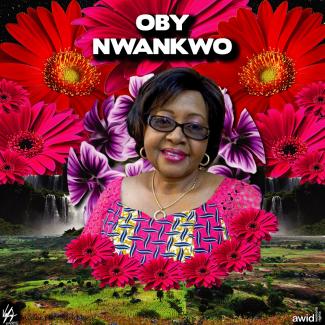
Con una carrera jurídica que abarcó más de 30 años, Oby era conocida en toda África y en el mundo como una defensora de la justicia de género y los derechos humanos.
Fundó y fue Directora Ejecutiva del Civil Resource Development and Documentation Centre (CIRDDOC), una ONG nigeriana que patrocina capacitaciones y actividades de creación de redes para miembrxs de la sociedad civil, parlamentarixs y otrxs actores clave, para promover los derechos humanos, la buena gobernanza y el acceso a la justicia y el estado de derecho.
Oby es afectuosamente recordada por lxs activistas de Nigeria como una «extraordinaria activista que mostraba energía y pasión por la lucha por la igualdad de género y la justicia de género en Nigeria y en toda África».
Elle est ouverte jusqu’à la fin août 2024. Merci d’y répondre avant cette date butoir, afin que vos réponses soient incluses dans l’analyse.
المضيفة: نحن نميل إلى الاعتقاد أنّ التعبير عن الرغبة يقتصر على العلاقة الحميمة داخل غرفة النوم وعلى علاقاتنا الشخصيّة. ولكن هل يمكننا أيضًا اعتبار هذا النوع من التعبير كبُنية، أو ممارسة أيديولوجيّة توجّه عملنا، وما نحن عليه، وكيف سنكون في هذا العالم؟
Please visit the "Funding ideas" page to get some ideas and inspiration for how you can fund your participation at the next Forum, including the limited support AWID will be able to provide.

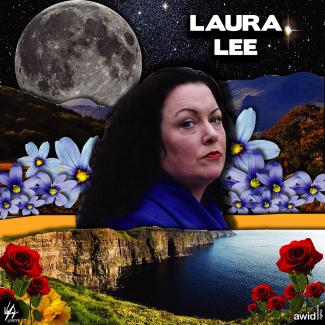
Laura était une activiste et une avocate de premier plan qui a mené une campagne courageuse en faveur de la dépénalisation du travail du sexe en Irlande.
On se souvient d'elle comme « une combattante de la liberté pour les travailleurs et les travailleuses du sexe, une féministe, une mère pour certainEs et une amie nécessaire pour beaucoup ».
Laura militait pour que les personnes de l'industrie du sexe soient reconnu-e-s comme des travailleurs et travailleuses sujets de droits. Elle a activement milité en faveur de la dépénalisation, notamment en engageant une procédure judiciaire devant la haute cour de Belfast qui concernent des dispositions criminalisant l’achat de services sexuels. Laura a déclaré que son intention était de porter l'affaire devant la Cour européenne des droits de l'homme.
Опрос предназначен для групп, организаций и движений, работающих исключительно или главным образом по вопросам защиты прав женщин, ЛГБТКИ+, гендерной справедливости во всех контекстах, на всех уровнях и во всех регионах. Если одно из этих направлений является основным видом деятельности вашей группы, коллектива, сети или любого другого типа организации – независимо от того, зарегистрирована она или нет, недавно создана или существует уже давно, мы приглашаем вас принять участие в этом опросе.

* На данном этапе мы не ожидаем ответов от частных лиц или женских и феминистских фондов.
Узнайте больше об опросе:
загляните в часто задаваемые вопросы
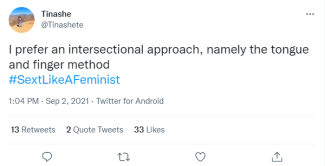
أفضّل المقاربة التقاطعيّة لما تشتمل عليه من مداعبة ممنهجة باللسان والأصابع
We have been contacted by global and regional partners about some ideas for pre-Forum convenings and we will share more information about these ideas soon.
Many beautiful things emerged from the 2016 Black Feminisms Forum (BFF) that was organized by an Advisory Group and funded by AWID. Some of the independent organizing that arose from the BFF include Black feminist organizing in Brazil. While we won’t have another BFF this year, we remain committed to sharing some key learnings with anyone interested in continuing work around Black feminist organizing.